


- Posted on 6 Aug 2024
- 3-minute read
UTS marine biologist Elliot Scanes has been named a 2024 NSW Young Tall Poppy for his work in marine sustainability.
The Tall Poppy awards recognise the achievements of young Australia scientists and science communicators.
We sat down with Elliot Scanes to find out more about his work as a marine biologist, including how he hopes his research will help prevent oyster death in the face of climate change.
What are your areas of expertise?
I am a marine biologist with expertise on coastal and estuarine environments. Eight-five percent of Australians live within 50 kilometres of our coastline, placing immense pressure but also significant on our coastal and estuarine environments. My research has two primary focuses in our estuaries – oysters and other invertebrates, and the bacteria and microorganisms (like bacteria) they interact with.
What research are you currently working on?
My research addresses significant challenges in marine food security. We rely on oceans to provide food, but there are not enough fish in the sea to feed the planet’s growing population. Ocean farming (or aquaculture)is now essential to feed the planet. Australian aquaculture has a major focus on growing oysters, which is great because they’re a healthy and sustainable source of food.
However, climate change is making it harder and harder to farm oysters. Through my transformative research, I’m determined to find out how we can help oysters thrive and keep the oyster farms providing us with sustainable food.
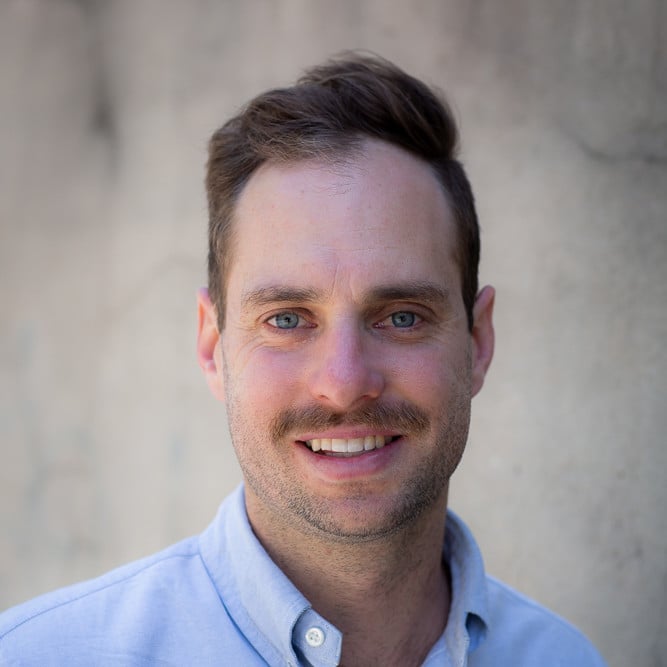
“Climate change is one of the biggest threats to people and our way of life. If we are going to ensure we can feed the world, we need innovative food solutions.”
Elliot Scanes
Marine biologist
Why is this work important?
My research is addressing fundamentally important questions. We know that NSW waters are getting warmer due to climate change. The health of oysters cultivated for aquaculture is strongly governed by their microbiome, which is affected by water temperature. Different oysters have different microbiomes and some oyster microbiomes are more resilient to warmer waters that others.
I’m working on preventing oyster death in the face of climate change by breeding oysters with resilient microbiomes. Working alongside industry, I am safeguarding a vital source of food and income for Australians.
What impact are you hoping to have?
Climate change is one of the biggest threats to people and our way of life. If we are going to ensure we can feed the world, we need innovative food solutions. My research is delivering new knowledge on how to continue producing food in a sustainable way in a climate change future.
What have been your key challenges and achievements?
Some of my biggest achievements have been winning this Tall Poppy award and my Chancellor’s Research Fellowship that allowed me to join UTS in 2021. Some of the challenges have come from working with live animals. Oysters are part of a complex ecosystem and don’t always behave how you expect. They’re vulnerable to disease and unfortunately disease can strike right in the middle of an experiment.
What comes next?
I’m hoping to roll-out my research findings and solutions on a larger scale across NSW oyster farms.
News by topic
News
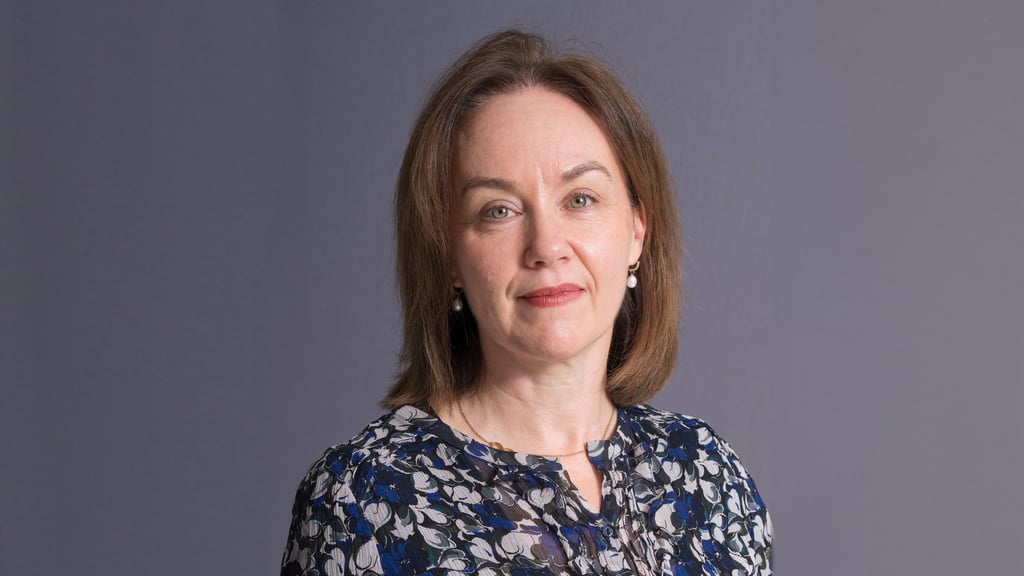
Professor Catherine Kelly appointed Dean of Law
UTS is delighted to welcome Professor Catherine Kelly as our new Dean of the Faculty of Law.
News
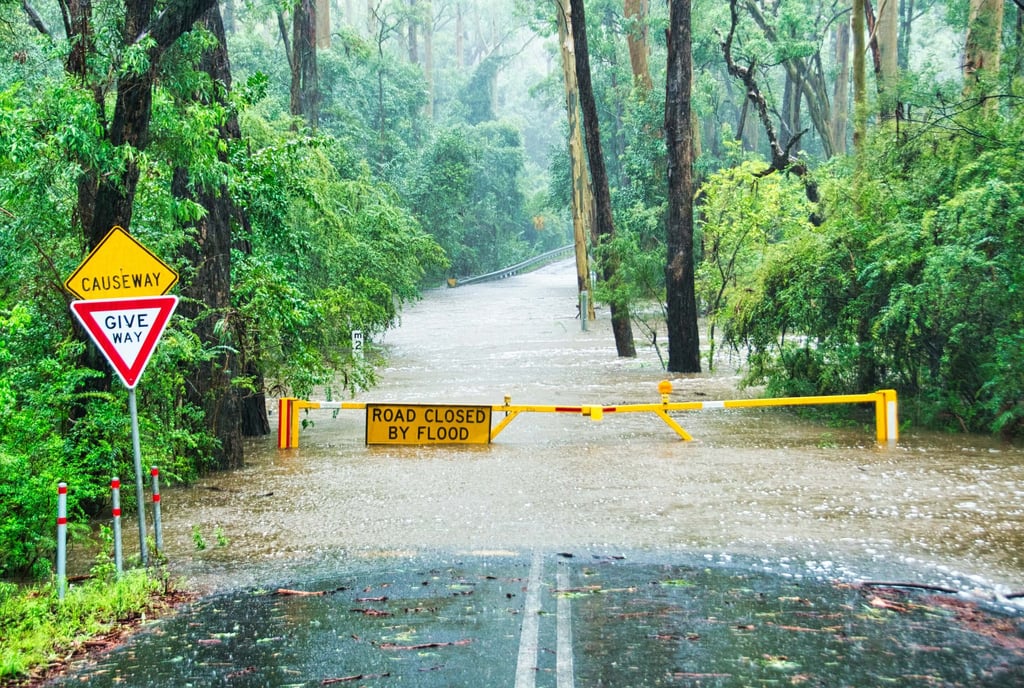
AI improves long-term flood forecasting
Through the power of advanced artificial intelligence, UTS research could help communities get warnings weeks ahead of floods.
News
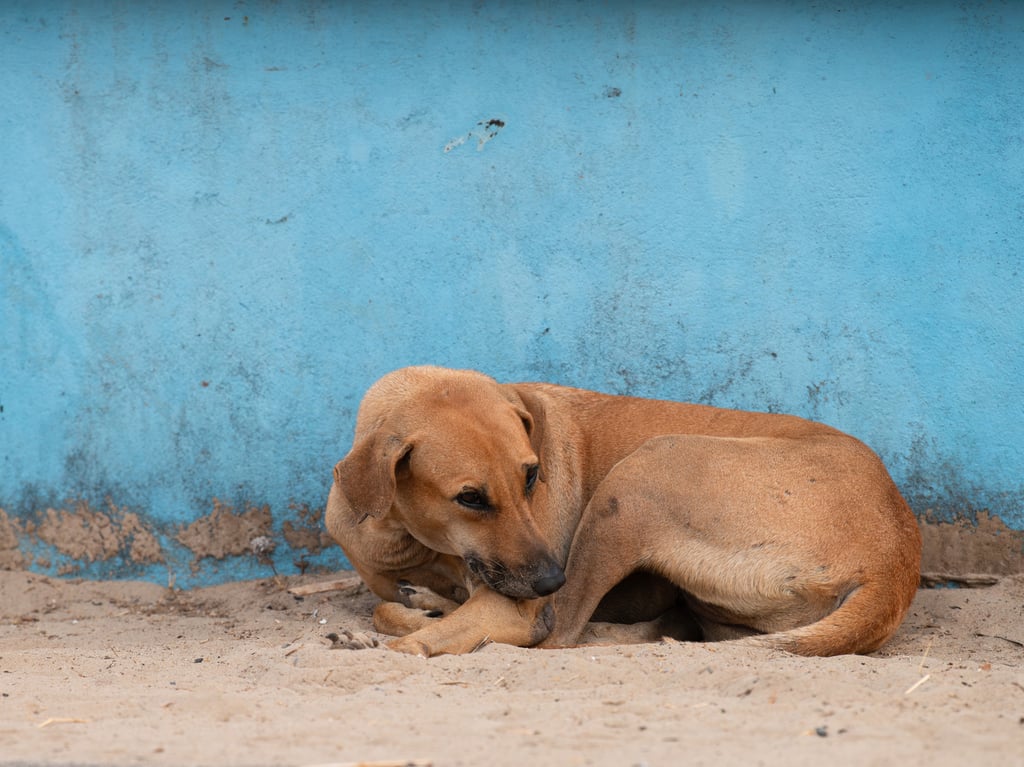
What can free‑living Indian street dogs teach us about how to care for pet dogs?
A study of how Indian street dogs live raises questions about what it means to care for pet dogs.

News
La Bola Negra is about the Spanish Civil War – but is unmistakably about our present moment
Set across 1932, 1937 and 2017, new Spanish film La Bola Negra follows three gay men whose lives become connected across generations.
News
Professor Catherine Kelly appointed Dean of Law
UTS is delighted to welcome Professor Catherine Kelly as our new Dean of the Faculty of Law.
News
AI improves long-term flood forecasting
Through the power of advanced artificial intelligence, UTS research could help communities get warnings weeks ahead of floods.
News
What can free‑living Indian street dogs teach us about how to care for pet dogs?
A study of how Indian street dogs live raises questions about what it means to care for pet dogs.
News
La Bola Negra is about the Spanish Civil War – but is unmistakably about our present moment
Set across 1932, 1937 and 2017, new Spanish film La Bola Negra follows three gay men whose lives become connected across generations.