

100% Renewable Energy Based Net-Zero and Nationally Determined Contributions (NDC).
This area of our expertise focuses on the evolution of energy infrastructure as we transition to 100% renewable energy.
We help our clients to consider the future of energy by engaging in modelling and scenario development (for example: EV, PV grid integration, IoT, prosumers, business models, systems), and we seek to answer pressing questions such as:
- In an environment where renewable energy can deliver electricity, heat, gas, or hydrogen, how can we optimise interactions between our electricity, gas and water infrastructure to accelerate the transition to a zero-carbon economy?
- How can developing countries with low electricity access leapfrog fossil fuels for 100 % renewable energy access?
- What business models are needed to ensure positive community outcomes when looking at 100% renewable energy at the fringe of the grid?
- How will large-scale transport electrification impact the electricity system?
- What are the limits of local energy – how far can local or ‘distributed’ solutions reach?
- What are the energy infrastructure implications if Australia was to become a major renewable energy exporter?
One Earth Climate Model
The One Earth Climate Model shows how regions, countries and industry sectors can meet the Paris Agreement’s target of limiting global temperature rise to...
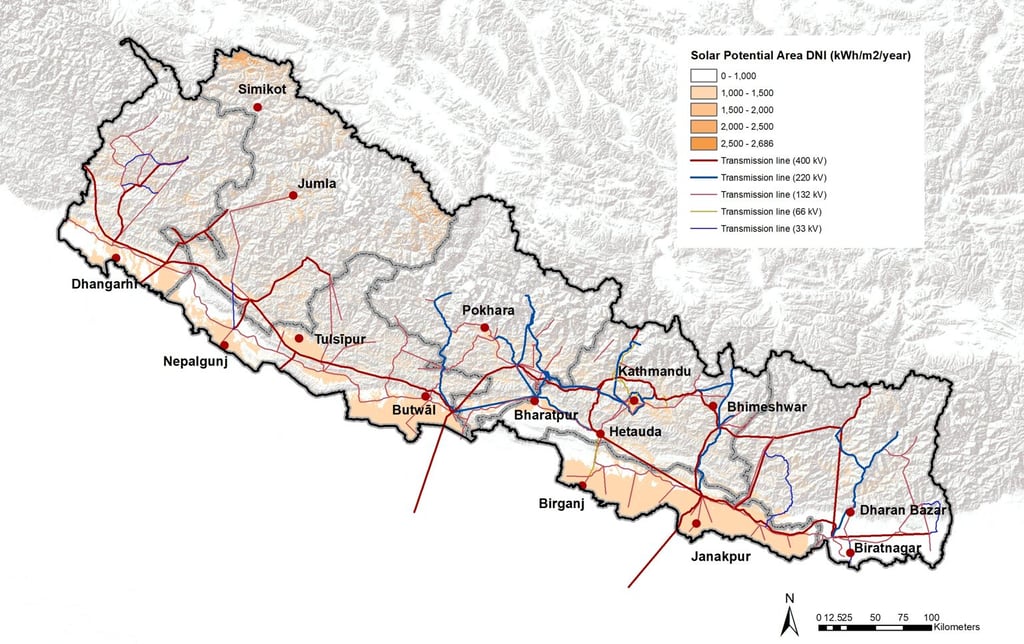
100% renewable energy for Nepal
Solar Energy Potential Area in Nepal (Direct Normal Irradiation: kWh/m2/year): 100% Renewable Energy Nepal
Astute analysis and advocacy pave the way for ATN emission cuts
As 2021 drew to a close, there were some reasons to be optimistic about the world’s efforts to tackle climate change.
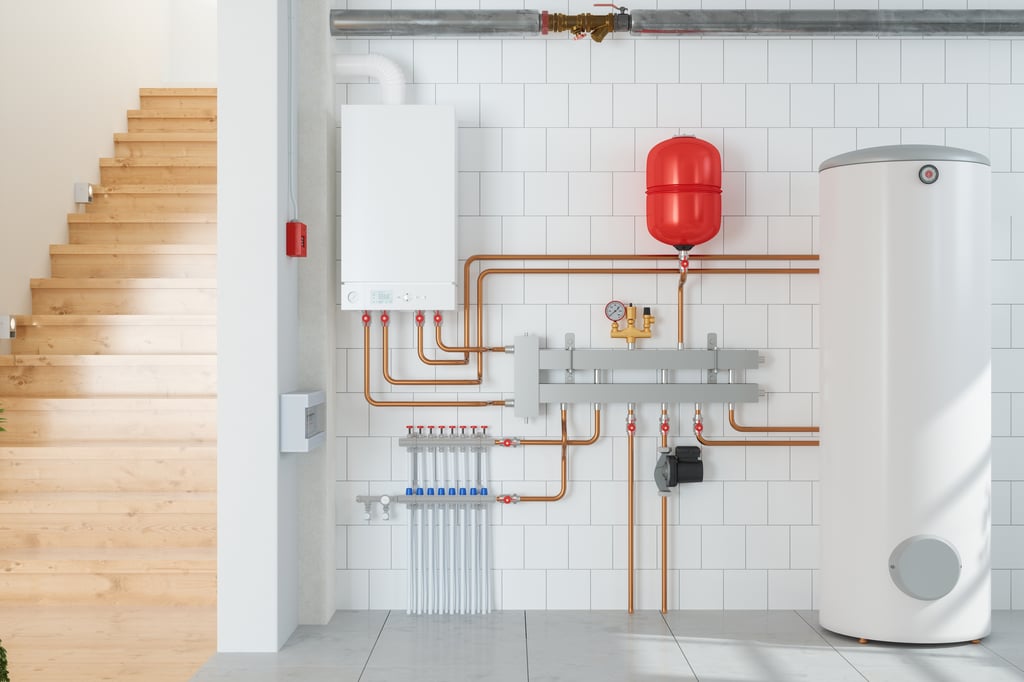
Domestic Hot Water and Flexibility
Domestic hot water use is responsible for around a fifth of Australian residential greenhouse gas emissions and a quarter of household energy use. The...
Australia-EU Green Hydrogen Dialogue
PROJECT l Climate-KIC
The Australia-EU Green Hydrogen Dialogue facilitates knowledge sharing and promotes mutual understanding through regular dialogues with policymakers, business, industry associations, researchers and civil society on issues related to green hydrogen. This activity is part of the European Union Climate Dialogues (EUCDs) project.
View more projects
Supercharging Australia's Clean Energy part 2
PROJECT | 2022
ISF revisits a project from 2018, asking this time how much of Australia's super fund would be required to achieve energy sector decarbonisation by 2050.
How can we limit global warming to 1.5°C?
PROJECT | 2021
ISF researchers have developed energy-related carbon budgets for a sustainable pathway towards 1.5°C.
Market Capacity for electricity generation and transmission projects
PROJECT | 2021
There is a surge in demand for skills, labour and materials due to the rapid increase in public infrastructure investment. Does Australia have the capacity to meet these requirements?
Offshore wind in Australia
PROJECT | 2021
Research centres and trade unions come together in a wide-reaching study that shows how Australia could be host to a thriving offshore wind industry, and how this would play into a just transition for the energy sector.
Sectoral Pathways to Net Zero
NEWS | DEC 2020
ISF has modelled pathways for industries to take towards the Paris Agreement goal of net-zero. The Net-Zero Asset Owner Alliance (NZAOA) is an international group of institutional investors, representing more than USD 4.
Roadmap for survival
IMPACT STORY
ISF has produced a detailed and achievable roadmap for meeting the emissions targets of the Paris Agreement and avoiding climate catastrophe.
Renewable energy for Vietnam
PROJECT | 2019
ISF examined Vietnam's potential to embrace a low-carbon power system by modelling renewable energy scenarios.
100% renewable energy for Bangladesh
PROJECT | 2019
This study analysed the potential utility of different renewable energy technologies in Bangladesh, including solar PV, onshore and offshore wind. In addition to a quantitative analysis, the study provided a specific geographic overview of where specific technologies can be used.
Taking the goal of universal energy access into account, this research also provided an estimate of Bangladesh’s future total energy demand. The study developed 100 per cent renewable energy trajectories from 2016 until 2050, during which 100 per cent renewable energy will be achieved by 2030, 2040, and 2050.
Client: Coastal Development Partnership (CDP)
Partners: Bread for the World, World Future Council
Researchers: Sven Teske, Tom Morris, Kriti Nagrath
Research outputs
100% Renewable Energy for Bangladesh: Access to renewable energy for all within one generation (Report)
Responsible minerals sourcing for renewable energy
PROJECT | 2019
New research exposes extent of mineral demand for renewable energy technologies
100% renewable energy for Narrabri
PROJECT | 2018
New research, offers hope that renewable energy could deliver hundreds of lasting jobs in the New South Wales town of Narrabri.
Opportunities for renewable energy from biosolids
PROJECT | 2018
As subcontractors to a larger AECOM-managed project, ISF analysed global and regional megatrends to develop possible future scenarios against which to test the flexibility of the renewable energy from biosolids options. The use of scenarios developed from local disruptors ensured an adaptive strategy for Hunter Water’s regional approach to renewable energy from biosolids.
Client: Hunter Water
Supercharging Australia’s clean energy transition
PROJECT | 2018
How just 7.7 per cent of superannuation could fund Australia’s transition to 100% renewable energy by 2030.
100% renewable energy for Tanzania
PROJECT | 2017
Exploring a low-cost opportunity for Tanzania to become middle income country.
Beyond Coal: alternatives to extending the life of Liddell power station
PROJECT | 2017
ISF presented three possible scenarios for the future of a coal station, guiding the way for future energy transition.
The role of energy storage in Australia's future energy supply mix
PROJECT | 2017
Modelling a possible future in energy storage and ensuring its sustainability.