

Enabling a fair energy transition for workers and communities.
This area aims to understand the workforce needs for the energy transition, to enable sufficient training and skills programmes. This is needed so benefits can be shared with local and regional communities.
Our work here responds to questions such as:
- How many jobs are created by renewable energy and energy efficiency?
- What are the employment implications of the energy transition?
- How can a ‘just transition’ of jobs from fossil fuels to renewables be organised?
- What skills are required for employment in the renewable energy sector
- How can we energy policy maximise employment for local communities, and especially for First Nations and other under-represented groups within the energy sector?

Hot water pathways for social housing
Housing providers need clearer guidance to make hot water systems more efficient and flexible.
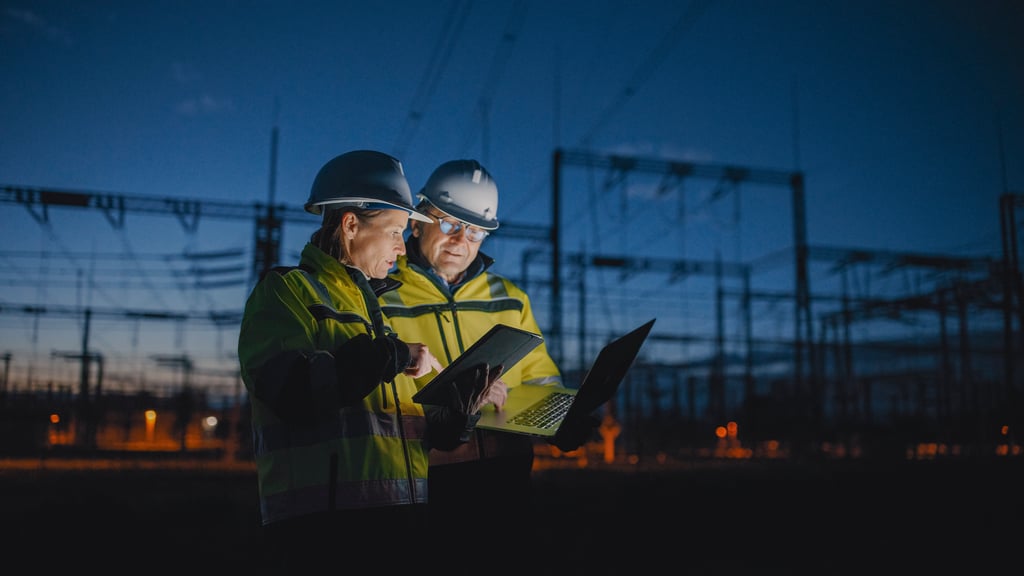
The Australian Electricity Workforce for the 2024 Integrated System Plan Projections to 2050
With Australia's energy transition gaining pace, it's crucial that we have in place a sufficiently large and skilled workforce.

Glebe Energy Transitions: a place-based upgrade model for social housing
National and state governments have adopted a target of achieving net zero emissions by 2050, with NSW committed to an interim goal of 50% emissions reduction...
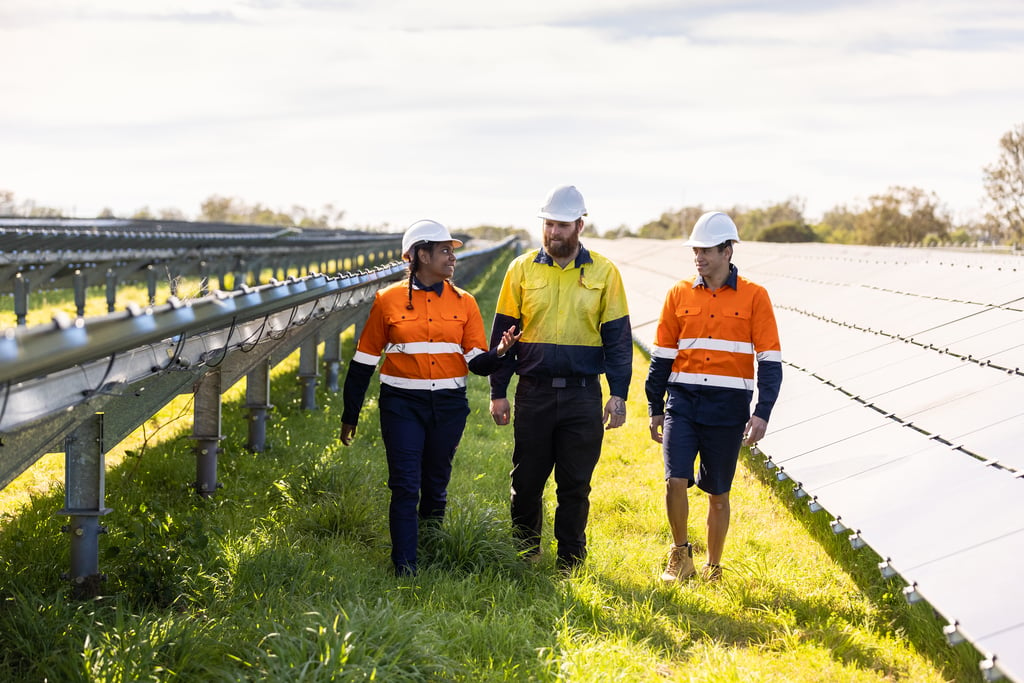
Powering First Nations jobs in clean energy
Increasing access to training, creating employment, and building career paths in clean energy is one of the key factors that will determine if the energy...
Energy efficiency definitions for the Australian Energy Employment Report
Energy efficiency and retrofit programmes will need to expand substantially if Australia is to achieve its climate targets. This makes energy efficiency,...
View more projects
How can coal workers benefit from a renewables jobs boom?
IMPACT STORY
An ISF study shows that while renewable energy can be a major source of jobs in the next 15 years, the outcomes for coal workers will depend on a clear transition strategy.
Employment, Skills and Supply Chains: Renewable Energy in NSW
PROJECT | 2021 - 2022
Developing the future energy workforce
PROJECT | 2021
Climate change and the just transition: A guide for financial institutions
NEWS | DEC 2020
Renewable Energy Employment in Australia
PROJECT | 2019-2020
Australia's rapidly growing renewable energy industry will create thousands of jobs over the next decade. To understand the scale and types of employment, the Clean Energy Council commissioned ISF to undertake the first large-scale survey of the Australian renewable energy industry..
In 2019, ISF conducted an industry-wide survey, taking in the Australian manufacture, installation, operation and supply chains for wind and solar farms, hydro and pumped hydro power, rooftop solar and batteries.
The results were then applied to the scenarios used by the Australian Energy Market Operator (AEMO) in its draft Integrated Systems Plan (ISP) to estimate the job creation. Job creation in renewable energy was compared to the coal sector to examine the scope for renewable energy to provide alternative employment.
Location: Australia
Client: Clean Energy Council (CEC)
Researchers: Chris Briggs, Jay Rutovitz, Elsa Dominish, Kriti Nagrath
Mapping Energy Efficiency Product Supply-Chains
PROJECT | 2019
ISF mapped the supply chain for four types of energy efficiency products:
- Residential Heating and Cooling
- Commercial Heating, Ventilation and Air-Conditioning (HVAC)
- Smart glazing
- Commercial and Industrial Water Heaters and Boilers
For each of the supply chains, the links, actors and influence was mapped for each of these products. The implications for the Victorian Energy Upgrade program was analysed with recommendations on how to interact with supply chains to increase the uptake of energy efficient products.
Client: Victorian Department of Environment, Land, Water and Planning (DELWP)
Researchers: Chris Briggs, Scott Dwyer, Alan Pears (RMIT), Dani Alexander, Fiona Berry
Beyond Coal: alternatives to extending the life of Liddell power station
PROJECT | 2017
ISF presented three possible scenarios for the future of a coal station, guiding the way for future energy transition.