

Developing an evidence base for fundamental and well-planned change to inform adaptation action and supporting policy.
Communicating climate change information effectively through knowledge networks is key for successful dissemination and uptake of climate change policy. However, the informal networks through which knowledge flows in a community – such as word-of-mouth or social media – and their integration with traditional channels of policy dissemination are largely invisible to central policy-makers.
ISF uses novel approaches, including social network analysis (SNA), that allow the networks governing information flow to be visualised. This approach enables opportunities to tailor messages for local communication channels and bridge fractured networks.
Graduate studies in this expertise area
- The politics of place identity in peri-urban environments. What role for the productive landscapes? A case study of the Wollondilly Shire, NSW, Australia – PhD Laure-Elise Ruoso
- Child participation beyond the adult realm: participatory design in nature play contexts – PhD Bronwyn Cumbo
- Assessing the impact of coevolution of strategy, innovation and social networks in a climate knowledge innovation community – PhD Melanie Lewis (in progress)
- Pathways towards coexistence between humans and large carnivores in production landscapes – PhD Louise Boronyak (in progress)
- The governance of climate commons in Waverley, Local Government Area NSW – Master Suzanne Dunford (in progress)
- Reimagining soils’ sustainable futures: A critical inquiry at the science/policy interface for soils re-politicisation – PhD Mariana Gonzalez Lago (in progress)
- Sporting mega-events, and their influence on the social and physical capital of communities in the host city: The Gold Coast 2018
- Commonwealth Games Experience Masters Michael Falla (in progress)
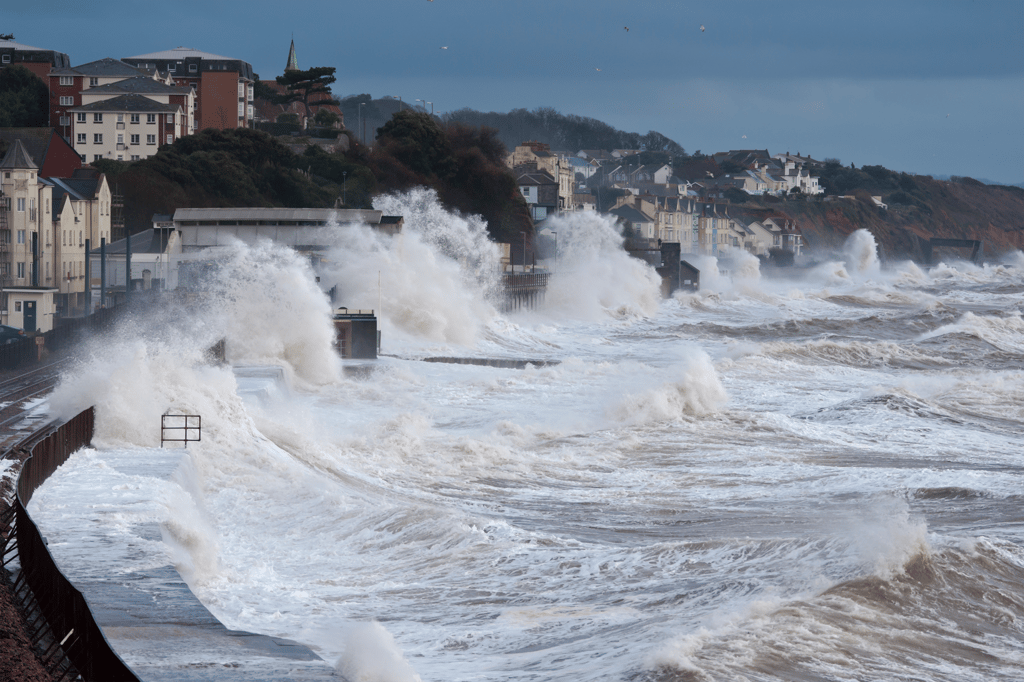
Building utility resilience to climate shocks
This report, commissioned by Sydney Water and published by the Water Services Association of Australia (WSAA), presents the preparation and synthesis of ten...
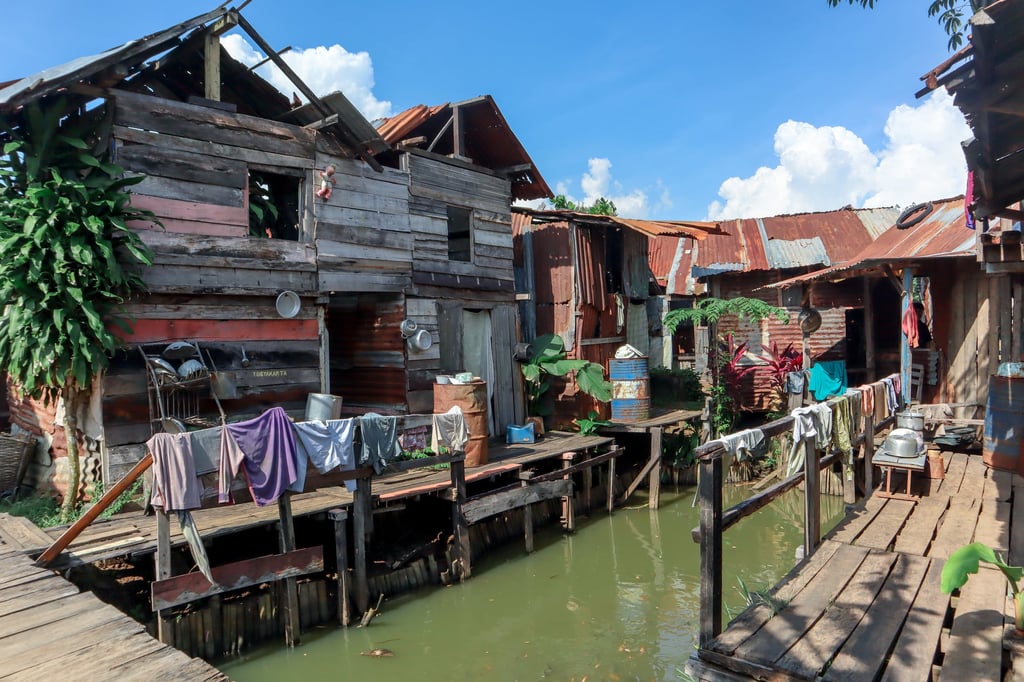
Climate-resilient urban sanitation
With funding from the Bill and Melinda Gates Foundation, UTS-ISF is carrying out three projects to equip the urban sanitation sector with tools and knowledge...

Uncovering community engagement networks for adaptation
The rapid development of adaptation as a mainstream strategy for managing the risks of climate change has resulted in the global emergence of a broad range of...
Innovation in the governance of climate change adaptation
This project explored the modes of governance that might best enable regional system transformations by examining current thinking on the governance of...
View more projects
Small business information needs
PROJECT | 2019-2020
Extreme weather events such as floods, storms, droughts and bushfires can have devastating and disruptive impacts to economic activity. For small- and medium-sized businesses, the results can include business closures, loss of skilled employees and decline and delay in investment in business assets and innovative activities.
This project investigated how small- and medium-sized businesses have experienced extreme weather events, asking:
1. What is the experience and preparedness in the small business community for extreme weather events?
2. How is climate information currently being used by NSW small businesses – including identifying characteristics of current awareness of climate-related risks, direct and indirect impacts, current information sources, formats and types, and related processes where climate information may impact decision-making (e.g. insurance policies)?
3. What are the barriers and gaps in identifying, obtaining, or using climate information? How can these gaps be addressed?
Client: Office of the NSW Small Business Commissioner
Researchers: Samantha Sharpe, Rebecca Cunningham, Brent Jacobs
Node 2: insights from outcomes – adaptive communities synthesis
PROJECT
This project aimed to synthesise key findings from a range of individual projects' outputs including case study reports, technical briefs, journal papers and conference papers, presentations to stakeholders, policy briefings and workshop reports. The aim was to synthesise the findings into a cohesive set of insights developed through workshops and writing retreats, in order to distil the bigger picture implications.
ISF worked with OEH, UTS and CSIRO staff and communications advisors to present a consistent set of insights to different audiences including: policy stakeholders, ‘pracademics’ (practioner academics), the general public, regional coordinators and engagement professionals.
Client: NSW OEH
Researchers: Brent Jacobs, Rebecca Cunningham
Connecting children to nature through digital intervention
NEWS | FEB 2021
Bronwyn Cumbo, an alumna of ISF’s Graduate Research Program, has received the prestigious honour of being included on the UTS Chancellor’s List for 2020.
Mapping climate services in Australia
PROJECT | 2019-2020
In 2019, CSIRO engaged ISF to conduct an analysis of the Australian Climate Services sector, and the interaction between service providers and users. The results were captured in a quantitative map (including with spatial overlays) of the sector across Australia.
Client: CSIRO
Researcher: Rebecca Cunningham
NSW Office of Environment and Heritage social network analysis
PROJECT | 2019-
ISF was commissioned by the NSW Office of Environment and Heritage to conduct a social network analysis to explore knowledge flow in their Estuaries and Water Catchment team.
Client: NSW OEH
Researcher: Rebecca Cunningham
Industry transformation in response to climate change
PROJECT | 2019
Extreme weather events can have devastating and disruptive impacts for small- and medium-sized businesses.
Community perceptions of hybrid solar biomass: the potential for social license and social acceptance
PROJECT | 2018-2020
Finding out communities' attitudes towards biomass will help to plan renewable energy innovations in the Riverina and Hunter Valley regions.
Alpine research network social network analysis
PROJECT | 2017-2019
ISF conducted longitudinal analysis of the NSW Office of Environment and Heritage teams working in the Alpine region, to understand the way in which government agency staff working across the state and across agencies connect with each other over time.
Client: NSW Office of Environment and Heritage
Researchers: Samantha Sharpe, Rebecca Cunningham, Candice Delaney