

Examining wicked problems at the point where human and natural systems meet.
This area of expertise investigates the broader implications of adaptation, with an aim to understand how any change in the landscape can impact all living things.
Our research takes a systems-based approach, working at the interface of people and nature.
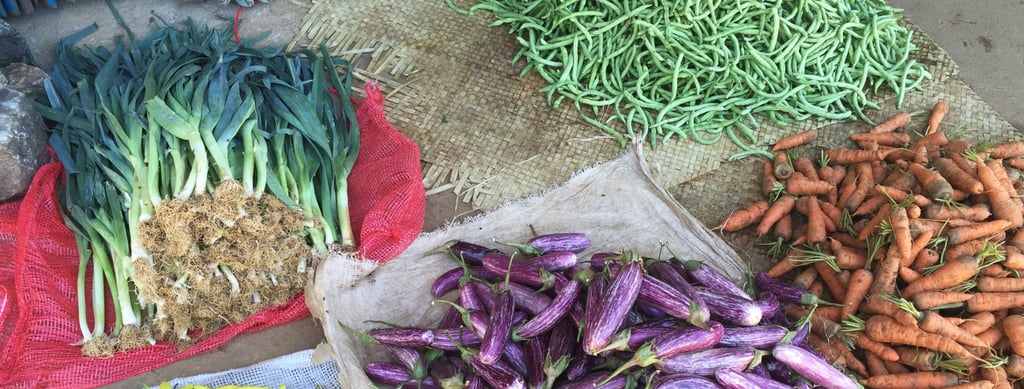
From urban waste to sustainable value chains: linking sanitation and agriculture through innovative partnerships in Sri Lanka
This applied research project in Sri Lanka connects the waste management, sanitation and agriculture sectors through the circular economy, to improve food...
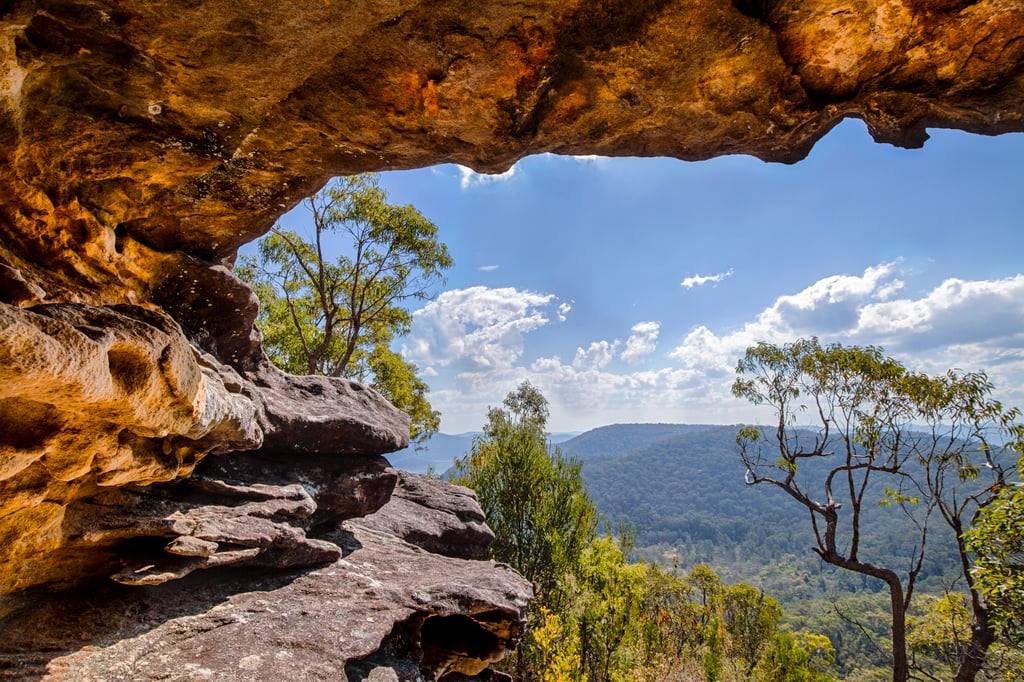
Towards a climate change adaptation strategy for national parks
This collaboration developed a participatory adaptation planning process to assess the various types of risk currently being managed in each of the seven...
View more projects
Luc Hoffman Institute Global Concepts Project
PROJECT | 2019-2020
Funded by the Luc Hoffman Institute, this project aimed to to contribute towards a range of commissioned pieces on re-defining biodiversity in global forums.
Client: Luc Hoffman Institute
Consumer Research Informing Sustainable Peri-urban Agriculture (CRISPA)
PROJECT | 2019
This project was targeted to producers in the peri-urban region of Greater Sydney, who were not utilising centralised supply chains but were reliant on farm gate sales, direct delivery to consumers and growers’ markets.
Our research identified the level of awareness producers and consumers had of the drivers of demand for food purchased outside conventional supply chains. It also identified gaps and assumptions that may reduce consumers' ability to fully understand the sustainability, provenance and traceability of the food that they are purchasing.
Organix19: organics waste management in a circular economy
PROJECT | 2019
Organix19 – a forum developed by ISF in partnership with the Department of Planning, Infrastructure, and Environment, and sponsored by Sydney Water – brought together 65 stakeholders involved in the generation, management, reuse, regulation and research of organics waste management in the Greater Sydney region. The aim was to provide an opportunity for cross-sectoral stakeholders to engage in discussion about current and emerging policy, technology and practices in organics waste management.
At the forum, ISF collaboratively created a 20-year vision of a transformed system based on circular economy principles and a pathway to attain it. This has been used to inform policy, strategies and action being developed in NSW during this period of rapid growth and urban densification.
Client: Environment Protection Authority (NSW)
Researchers: Dena Fam, Melita Jazbec, Andrea Turner, Brent Jacobs, Laura Wynne, Elsa Dominish, Federico Davila, Fiona Berry, Katie Ross, Louise Boronyak, Rachael Wakefield-Rann, Nick Florin, Rachel Watson, Dana Cordell
PACAM climate resilience and biodiversity in Papua New Guinea
PROJECT | 2016-2019
This project focused on biodiversity conservation and climate change adaptation. Researchers used a ‘train the trainer’ approach to build capacity and promote the adoption of systems thinking in local planning, management and decision-making processes. In this way, biodiversity and adaptation considerations were incorporated into initial prioritisation processes and can be 'mainstreamed' into any future actions.
Client: Pacific American Climate Fund
Researchers: Brent Jacobs, Louise Boronyak, Kylie McKenna
Towards Phosphorus and Climate Smart Agriculture (PACSA) in Sri Lanka
PROJECT | 2016-2017
Two of the biggest global challenges for food security – phosphorus scarcity and climate change – are threatening farmers’ livelihoods, agricultural productivity and environmental integrity. Risks are particularly high in low-to-middle income Asia-Pacific countries, yet remain insufficiently assessed or mitigated. This project investigated the capacity of smallholder farmers and policy-makers in Sri Lanka to adapt to these twin challenges via development and testing of a novel rapid integrated vulnerability assessment framework.
Adoption of the framework by key stakeholders increased adaptive capacity, ultimately improving the livelihoods of small farming families, national food security, and environmental integrity of agricultural land and waterways.
Client: UTS
Researchers: Dana Cordell, Brent Jacobs
Adapting to urban heat
PROJECT | 2014
Researchers from the Institute for Sustainable Futures have produced the first national data on urban tree cover, helping us understand why certain urban areas are much hotter than others, and more importantly, what we can do about it.
Teeing off on carbon connections biodiversity
PROJECT | 2012-2013
ISF's research for the Hawkesbury Nepean Catchment Authorityaimed to determine the factors that support and constrain the adoption of improved practices on golf courses in the greater Sydney region with particular reference to biodiversity, habitat and carbon storage.
The research team designed and conducted a participatory self-assessment workshop and an online survey of golf course superintendents, staff and club managers from across the Sydney metropolitan region. Additional data was generated from interviews with key stakeholders.
The research found that more than half the golf clubs surveyed contain endangered ecological communities or threatened species. Most of the golf course personnel who took part in the survey believed that managing biodiversity on golf courses is important, agreed that biodiversity enhances the experience of playing on a golf course, and had taken some action towards improving the management of biodiversity on their course. The project will assist the Hawkesbury Nepean Catchment Authority and Golf NSW to formulate effective investment and support programs for building the capacity of golf course personnel to improve biodiversity practices.
Client: Hawkesbury Nepean Catchment Authority