

Abstract
We are in a rapidly evolving polycrisis where the conjunction between the human and non-human world is such that the planetary stability relied upon for millennia is changing at a rate that might be inimical to a continued existence in terms that we have come to know. It is the result not just of human action to and the reaction of the planet, but also a result of words and ideas. We appear to be unable to address this issue or even find a common perspective from which to view it. From an ecological perspective, we are altering the biosphere to an extent that its ability to function as a system might be compromised. From an economic viewpoint, we have seen the rise of neoliberal perspectives that privilege current economic output at the expense of future needs or past issues and assume that money and nature are just parts of the same system. Given there is no obvious justification for this, it is also a crisis of communication. Ecologists continue to write in the “scientific way” and it clearly isn’t working! Economic ideas seem to be getting more attention and this is seen as “normal”. We are normalizing the collapse of planetary boundaries in a generation or two and someone needs to think of the grandchildren (like, mine!).
This research focusses on not just the how but the why (and the where do we go from here?). How has the ecological debate, seen as obvious in 1972 at the first Stockholm conference, now come to be seen as an economic one in Stockholm +50 in 2022? How have scientists not been able to frame the debate successfully and what are the politics of communication that allow the status quo to be constructed? Why do we question ecology but accept the most spurious economic constructs as “answers” to the current biodiversity crisis?
Once we can understand the how and why we have the potential to create a far more activist, proactive science. The aim of this research is to start the process!
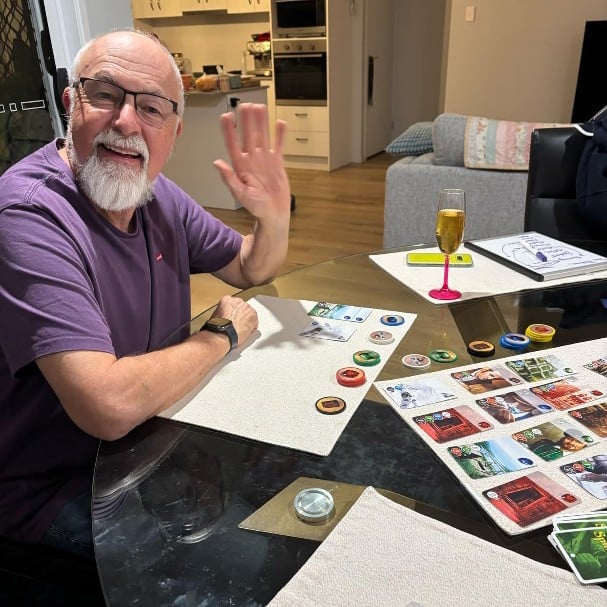
Meet the researcher - Paul S Ganderton
B.Sc (Hons), M.A (Distinction), Ph.D. P.G.C.E. [FRGS, C.Geog]
Ecologist; Earth scientist; Educator. There have been numerous subjects but the speciality is environmental sciences and wildlife conservation. Within the discipline of education, the focus is on curriculum reform, design, assessment, and online learning alongside the pedagogy of gifted learning (from senior school to undergraduate).
Decades-long member of the British Ecological and Royal Geographical Societies.
Serendipitous researcher with publications in: planning design and politics, educational reform, curriculum design, comparative education, Medieval archaeology, archaeological science, environmental biogeography, geography, computer management and economics, and the role of subversion in organisations.
Research my own: beholden to no organisation!
This current research focus started with reviews into ecological education which spread to communication in ecology. That was supposed to be turned into a book (it still will be) but it got slightly derailed when everyone suggested I needed another PhD for street cred (first PhD was planning politics; third might well be subversion/deviance theory in organisations!).
Writing mostly about ecology and conservation but have been known to dabble in education and neuroscience. Prolific Ecological book reviewer.
Hobbies: powerlifting, carpentry, cognitive neuroscience.