

Abstract
The media remains as a key driver of information dissemination and shaping public opinion from warnings to response and up until recovery or rebuilding period in a disaster management cycle.
However, the media landscape in the Philippines and Australia, similar to other countries, is experiencing an increasing shift towards social media platforms for its news and information (Chua, 2024).
Social media platforms are not initially designed to be a news source but as it draws millions of individuals into the network and potentially away from specific news websites, media organizations jumped in on the platform to continue pushing for their content and remain relevant. Amongst the many social media platforms, Facebook remains as one of the most popular among Filipinos (80.3 millions users) (Kemp, 2023) and 76 percent of internet users in Australia (Healy, 2024). With both countries continuously facing threats of natural hazard-induced disasters, media organizations must make full use of the platform where millions of their audiences rely for their news. It is within this context that the study hopes to look at how select Philippine (GMA News, Inquirer.net, Rappler.com) and Australian (ABC news, news.com.au, and Sydney morning herald) news agencies use their respective Facebook accounts to report and cover tropical cyclones and their associated phenomena such as flooding, etc from 2014 to 2024.
Specifically, the study aims to analyze the characteristics of the tropical cyclone-related posts based on the following key variables: frequency of publication, content and themes of the posts, sources and formats of the posts, frames used, and engagement levels of these social media posts.
Additionally, the study will explore how newsrooms and individual journalists practice social media reportage on typhoon-related posts by looking at their processes of coordinating, selecting, and editing posts as well as the guidelines and standards they observe.
The study would employ a mixed method approach to try to answer its two complementary questions. Data will go through quantitative and qualitative content analysis. Thematic analysis will be used to surface insights from data gathered through semi-structured interviews with journalists. One of the goals of the study is to be able to take hold of the technology - social media - and use it responsibly towards a more informed, prepared, and resilient community. The aim is to promote sustainability through leveraging key communication platforms, approaches, and processes to inform communities on how to prevent, survive, and rebuild after hazard-induced disasters.
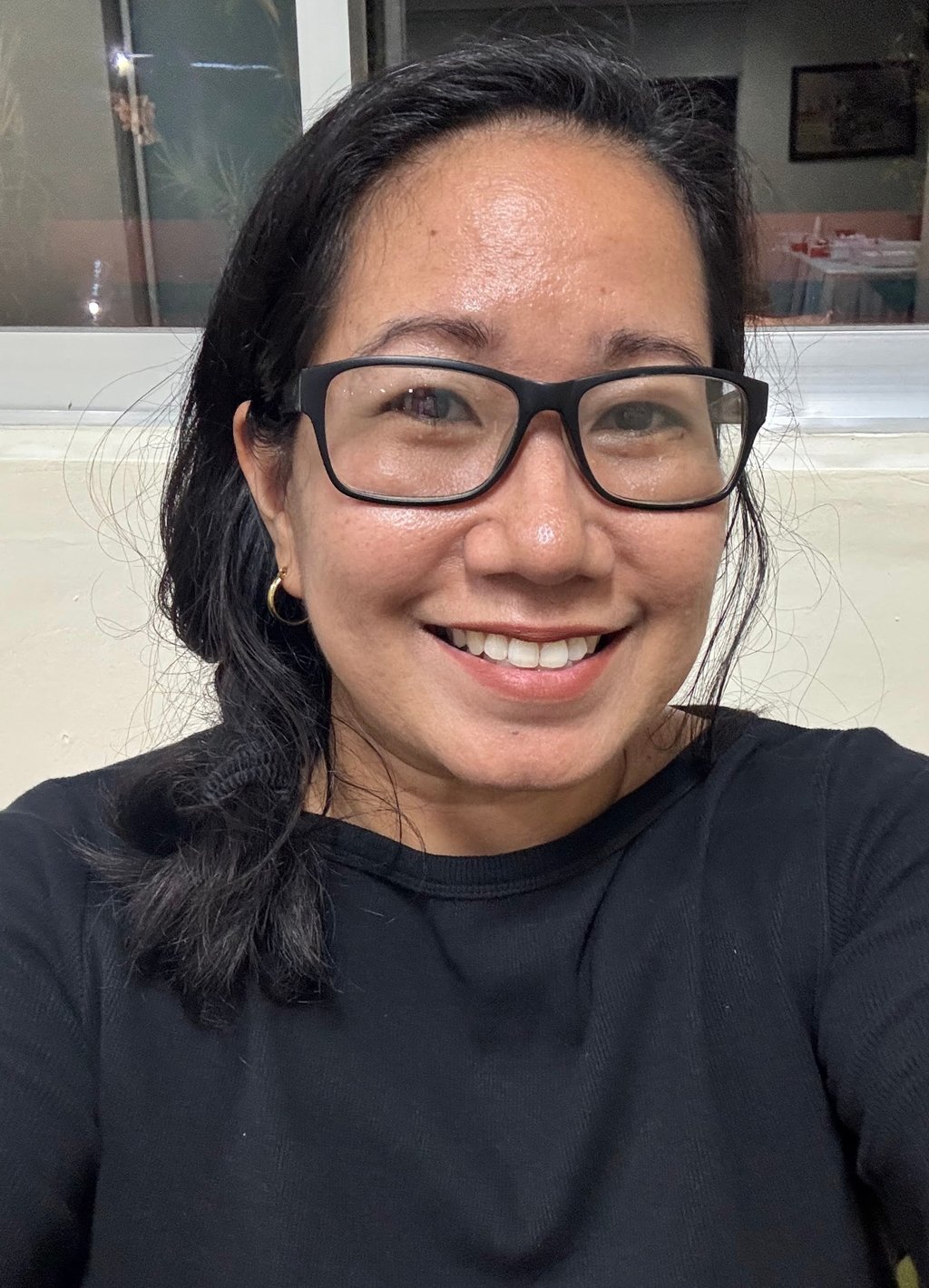
Meet the researcher - Aletheia C. Araneta
Theia is a first year HDR student at UTS. Currently on study leave, she has been with the University of the Philippines Los Baños for 17 years. Her research interests are in media studies, risk communication, disaster and climate journalism, social media, and its many intersections.
She has published articles on framing typhoons and participatory risk communication. When not working on her research, she likes cleaning the house and organizing stuff, making crafts with her daughter, and doing strength training. She also loves sports.