


- Posted on 26 Nov 2026
- 3-minute read
Improving the foundations that railways and roads are built on is the life’s work of a world-leading expert in geotechnical engineering from the University of Technology Sydney.
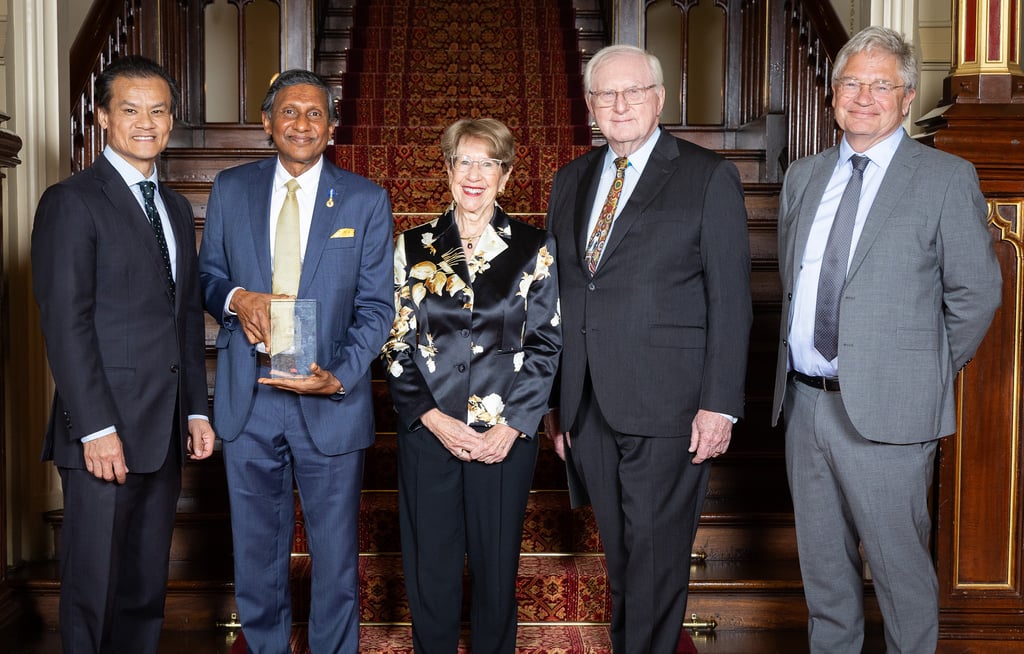
Distinguished Professor Buddhima Indraratna AM has been awarded the NSW Premier’s Prize for Science and Engineering for Leadership in Innovation.
Professor Buddhima Indraratna’s career has spanned more 30 years in transforming the way transport infrastructure is built – championing sustainability and innovation in the sector.
As Director of the UTS Transport Research Centre, he is a world-leading authority in the application of geotechnical research in real-world settings.
He has won a slew of recent global accolades including the 6th International Civil Engineer Award from the Jose E. Ibarra Foundation and the Technical University of Madrid in Spain, Sir John Holland Civil Engineer of the year from Engineers Australia, Sir Visveswaraya Prize for Outstanding Contribution to Civil Engineering (ICE, UK) and Thomas Keefer Medal and Donald Stanley Award from the Canadian Civil Engineering Society, among many others.
Now he has been awarded the NSW Premier’s Prize for Science and Engineering in the Leadership in Innovation category.
He previously was made a Member of the Order of Australia and recently led the successful bid for a $24 million national industrial transformation training and research centre for sustainable ground stabilisation for smart infrastructure.
“One of my main research areas is to focus on how to use waste materials into the construction of roads and railways. How can we recycle waste and use it in infrastructure,” he said.
“For example, we’ve looked at a massive amount of rubber tyres that are discarded every year in Australia: more than 40 million of them every year.”
Professor Indraratna’s recycling solution involves placing rubber tyres filled with waste material underneath railway tracks or roads as they’re being laid. These then act as shock absorbers for the vibration and noise of freight trains – which can travel up to 100 kph carrying up to 50,000 tonnes of cargo such as mining ore.
The technology also reduces need for mud pumping on railways tracks, where vibration combines with high water content in soils to undermine infrastructure.
In trials conducted on a world-first stretch of test track at Chullora in Sydney, the system proved a win-win for both circular economy and potentially extending the life of rail tracks.
Similar recycling technology can reduce the formation of potholes on roads by placing recycled rubber segments blended with mine rejects in the road substructure.
The true measure of innovation lies not simply in new ideas, but in the ability to translate those ideas into practical solutions that make a lasting difference to society.
It’s not the only innovation Professor Indraratna has pushed as he seeks to increase the use of artificial intelligence in civil engineering.
His team has also developed two data-driven tools - the Ballast Breakage Index and Void Contaminant Index – to assess the rate of deterioration of rail tracks, both of which have been used worldwide for predictive maintenance of rail tracks.
“We now have 30 years of data from railways around the world that we can analyse and come to a better understanding of why certain structure fail, even when theory and modelling suggests they should be stable,” he said.
“I emphasise the importance of taking multi-disciplinary approaches to civil engineering using artificial intelligence and especially digital twins. The future of the discipline involves drawing on other emerging fields.”
“This emerging technology has been packaged into user-friendly software that can be used by industry in conjunction with conventional computational design approaches with added confidence and reliability”
At the heart of all Professor Indraratna’s work is a strong focus on delivering real-world practical outcomes from academic knowledge.
“I always believe that the true measure of innovation lies not simply in new ideas, but in the ability to translate those ideas into practical solutions that make a lasting difference to society,” he said.
“This prestigious honour is both a celebration of the work accomplished over many years and an inspiration for the work that still lies ahead, as we look forward to transformative solutions through pioneering research that will make a lasting impact on industry and society.”
UTS academic
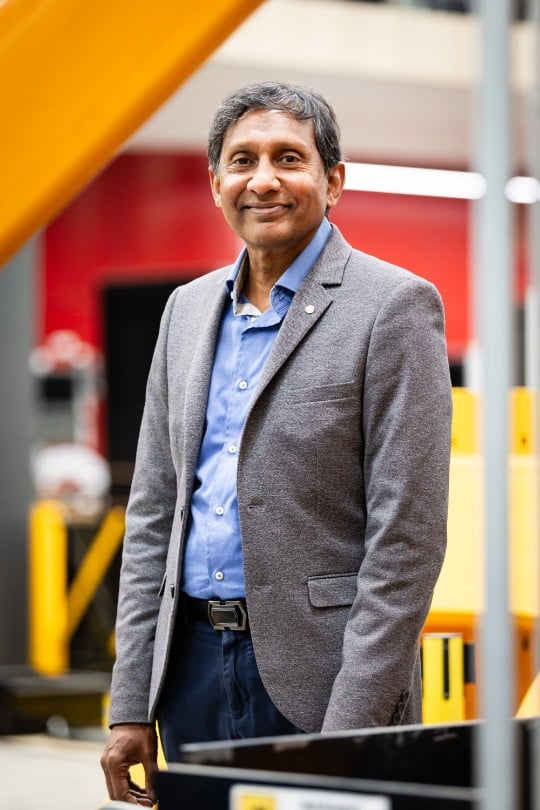
Director, Transport Research Centre, Faculty of Engineering & Information Technology
News by topic
News
UTS named the top research institution across 9 fields
The University of Technology Sydney’s nation-leading research in artificial intelligence, telecommunications and water recognised in the 2027 The Australian...
News
Professor Chris Matthews receives Prime Minister's Prize
Cultural approach to mathematics is reshaping education across Australia and internationally.
News
Counting in culture
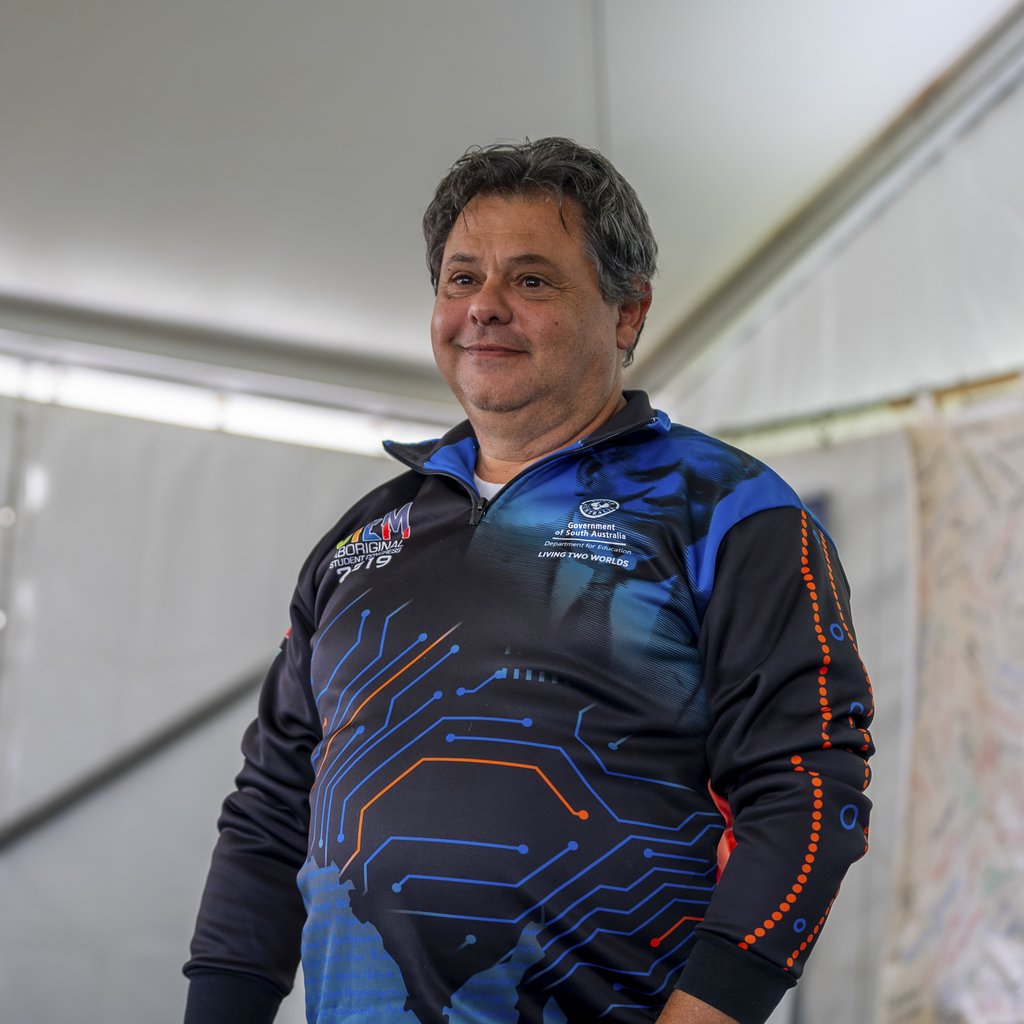
Industry Professor Chris Matthews is putting culture at the heart of learning mathematics for Aboriginal and Torres Stair Islander students.

News
No one loved Aussie music more than Molly Meldrum
Ian “Molly” Meldrum has died aged 83. Born on January 29 1943, Meldrum was a central part of the Australian music scene as a performer, producer, record label...
News
UTS named the top research institution across 9 fields
The University of Technology Sydney’s nation-leading research in artificial intelligence, telecommunications and water recognised in the 2027 The Australian...
News
Professor Chris Matthews receives Prime Minister's Prize
Cultural approach to mathematics is reshaping education across Australia and internationally.
News
Counting in culture
Industry Professor Chris Matthews is putting culture at the heart of learning mathematics for Aboriginal and Torres Stair Islander students.
News
No one loved Aussie music more than Molly Meldrum
Ian “Molly” Meldrum has died aged 83. Born on January 29 1943, Meldrum was a central part of the Australian music scene as a performer, producer, record label...