


- Posted on 25 Nov 2026
- 4-minute read
A cultural approach to mathematics is reshaping education across Australia and internationally.
Key takeaways
- Professor Chris Matthews is the recipient of the 2026 Prime Minister's Prize for Aboriginal and Torres Strait Islander Knowledge Systems.
- His Goompi Model uses culture and storytelling to help Aboriginal and Torres Strait Islander students learn maths in their own way.
- The model is used across Australia, is embedded in the national curriculum, and has reached Norway.
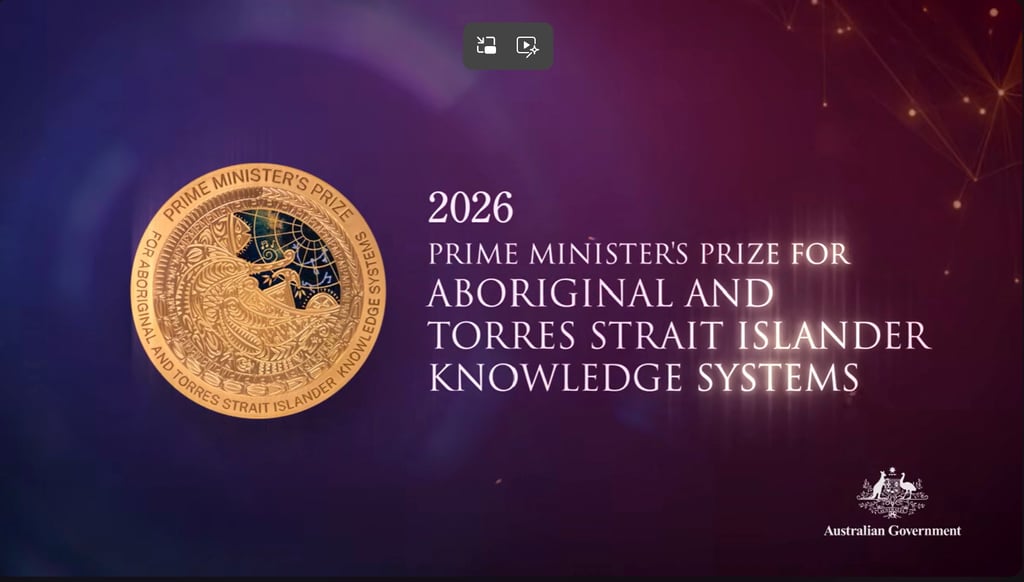
University of Technology Sydney (UTS) Industry Professor Chris Matthews has been honoured with the Prime Minister's Prize for Aboriginal and Torres Strait Islander Knowledge Systems in the 2026 Prime Minister's Prizes for Science. He has received the prize for advancing understanding of how Aboriginal and Torres Strait Islander knowledge systems function as rigorous mathematical systems.
Questioning the maths gap
Professor Matthews is a proud Quandamooka man and applied mathematician from Minjerribah (Stradbroke Island) in Queensland, whose major contribution to maths education started when he questioned the statistic that Aboriginal children fall years behind in maths.
"You hear those stats that Aboriginal kids are two years behind in maths,” said Professor Matthews. “I thought that can't be right, because these kids are smart kids. There must be some sort of systemic problem.
"I asked myself, how can I teach mathematics but still support the identity of the Aboriginal kids through their culture and language?”
The Goompi Model: changing the system, not the student
Professor Matthews’ answer was to develop the Goompi Model, a culturally responsive pedagogical approach to mathematics education based on Aboriginal and Torres Strait Islander knowledge systems. It emphasises using culturally accessible storytelling and connection to help students understand and create their own representations of mathematical concepts.
“When we change the system rather than the student and let them express maths through their own culture and language, they show how much they understand,” said Professor Matthews.
“I’ve watched disengaged students draw their stories and patterns, and suddenly linear equations make sense. Their teacher told me she’d never seen that level of understanding before.”
From Australian classrooms to the world
The model is now used in schools and teacher education across Australia and has begun to make an impact worldwide, with the latest outreach to the Sami people of Norway.
"I'm really proud of the fact it has improved the level of conceptual understanding for Aboriginal children and has resonated internationally," said Professor Matthews.
“We’ve now embedded 91 First Nations elaborations in the Australian Mathematics Curriculum, so teachers everywhere can connect maths to Aboriginal and Torres Strait Islander cultures. That will outlast all of us.
“It started with one idea: maths and culture are connected.”
Bringing kinship knowledge into the classroom
Professor Matthews is now working with Elders and communities to map the Aboriginal kinship system for classroom use.
“The goal is to teach language and culture first, then mathematics,” he said. “It’s aimed particularly at remote communities, to move children stuck in early numeracy into algebra.
“The kinship system philosophy is around connecting everything in the world. It’s a foundational structure for all connections and relationships.
“If the prize helps more people engage with these ideas, then we can make a much bigger impact,” he said.
The Goompi Model started in community. That shows Indigenous knowledge belongs at the centre of education, not at the margins.
Led by community
Pro-Vice-Chancellor (Indigenous Leadership and Engagement), Professor Robynne Quiggin said the prize recognises that Aboriginal and Torres Strait Islander knowledge systems are rigorous, sophisticated and enduring.
“Professor Matthews has helped the nation see mathematics in the knowledge our Elders have carried for generations,” she said. “What matters most about his work is that it begins with community. Elders, families and knowledge holders lead what is taught and communities keep ownership and control of their knowledge.
“The Goompi Model started in community. That shows Indigenous knowledge belongs at the centre of education, not at the margins.”
Vice-Chancellor, Professor Andrew Parfitt, said Professor Matthews’ achievements furthered UTS’s commitment to working in genuine partnership with Aboriginal and Torres Strait Islander communities.
“I congratulate Professor Matthews on this extraordinary honour. His work has changed how mathematics is taught in Australian classrooms, and it makes the UTS community proud.”
Featured researcher
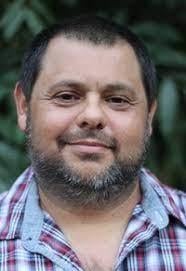
Industry Professor, Faculty of Science
News by topic
News
UTS named the top research institution across 9 fields
The University of Technology Sydney’s nation-leading research in artificial intelligence, telecommunications and water recognised in the 2027 The Australian...
News
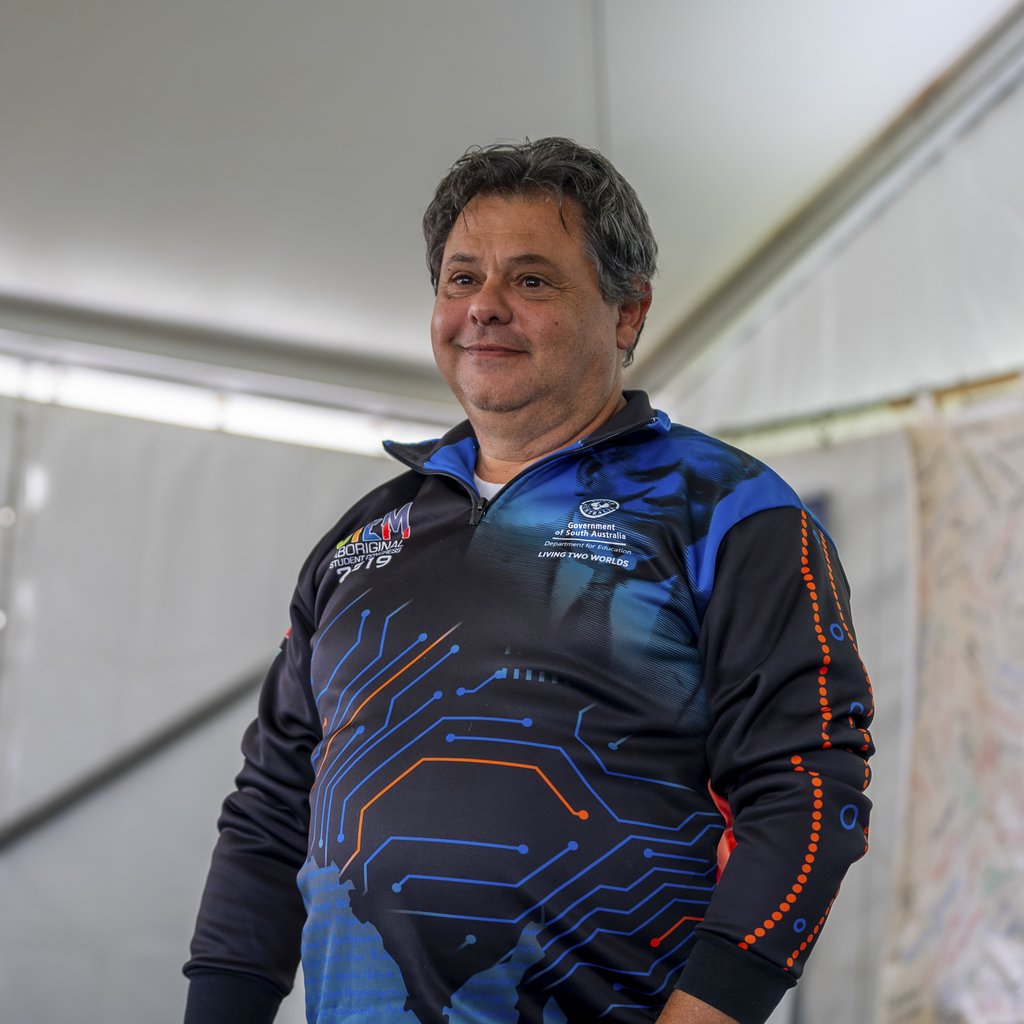
Counting in culture
Industry Professor Chris Matthews is putting culture at the heart of learning mathematics for Aboriginal and Torres Stair Islander students.

News
No one loved Aussie music more than Molly Meldrum
Ian “Molly” Meldrum has died aged 83. Born on January 29 1943, Meldrum was a central part of the Australian music scene as a performer, producer, record label...

News
Awards for research to tailor cancer care
Dr Darren Haywood has been recognised with major awards for his work developing an online tool to help tailor care to the needs of people with cancer.
News
UTS named the top research institution across 9 fields
The University of Technology Sydney’s nation-leading research in artificial intelligence, telecommunications and water recognised in the 2027 The Australian...
News
Counting in culture
Industry Professor Chris Matthews is putting culture at the heart of learning mathematics for Aboriginal and Torres Stair Islander students.
News
No one loved Aussie music more than Molly Meldrum
Ian “Molly” Meldrum has died aged 83. Born on January 29 1943, Meldrum was a central part of the Australian music scene as a performer, producer, record label...
News
Awards for research to tailor cancer care
Dr Darren Haywood has been recognised with major awards for his work developing an online tool to help tailor care to the needs of people with cancer.