


- Posted on 16 Oct 2026
A groundbreaking $24 million national research centre will develop sustainable technologies that stabilise the foundations underpinning major infrastructure and build the future workforce.
Led by the University of Technology Sydney, the ARC Training Centre for Ground Stabilisation Technologies towards a Net-Zero Future for Strategic Infrastructure will focus on using recycled and low-carbon materials in civil construction projects, and innovate energy-smart and carbon-friendly ground engineering technologies.
The national industrial transformation training centre has been awarded $5 million over five years through the Australian Research Council Industrial Transformation Research Program, with a further $19 million in cash and in-kind contributions from industry and university organisations.
“Australia’s infrastructure sector is under growing pressure from ageing assets and facing the challenge of more extreme climate conditions, escalating the costs of construction and maintenance,” said the centre’s director, Distinguished Professor Buddhima Indraratna AM.
“Traditional ground stabilisation often relies on carbon-intensive methods or use of chemical treatment such as cement and lime in soil foundations.”
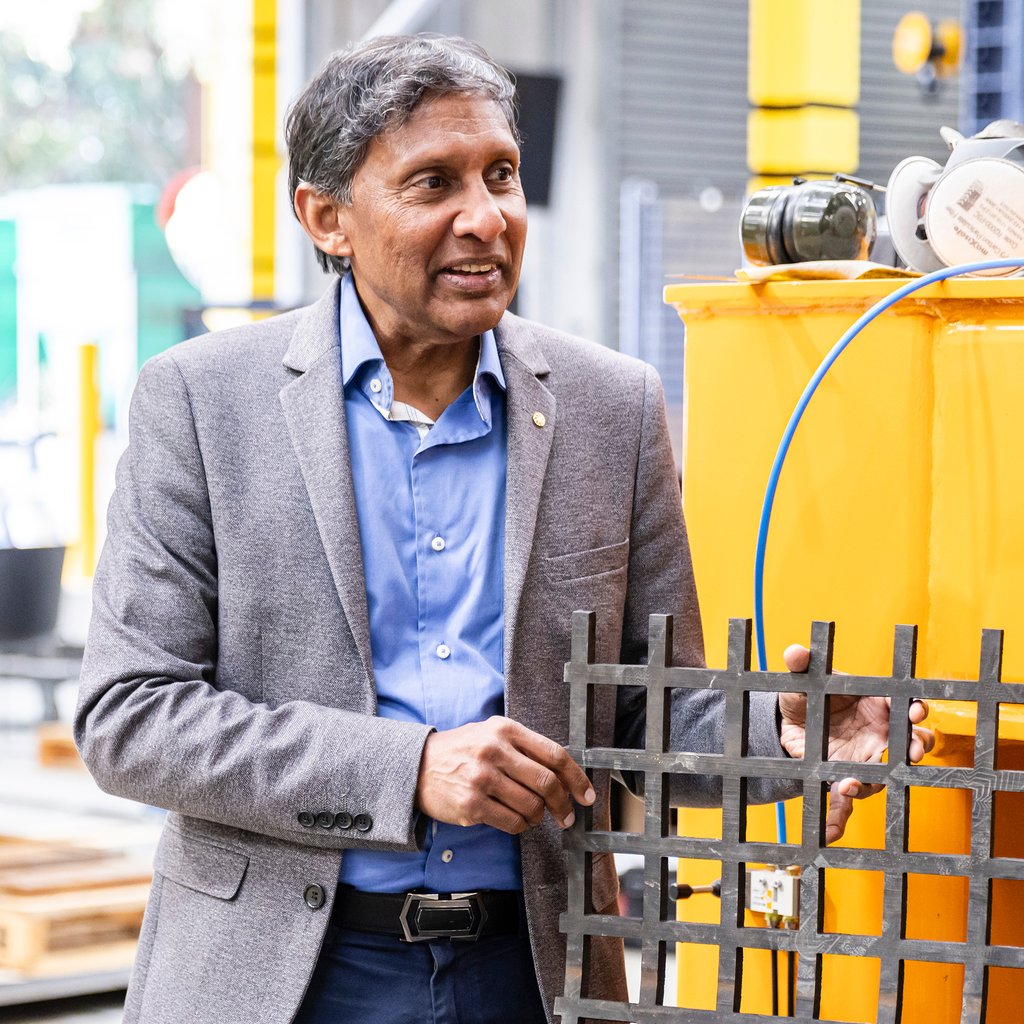
It’s imperative we move to cut emissions and excessive energy use in construction, and better use industrial and construction wastes for building sustainable infrastructure.
The ARC Training Centre will tackle these challenges by developing innovative, cost-effective ground stabilisation technologies with a lower carbon footprint, while also training the next generation of research and industry professionals.
“Over the next five years, the centre aims to become an internationally-acclaimed leader in innovative and sustainable ground stabilisation technologies, helping deliver more cost-effective and resilient infrastructure across Australia,” Professor Indraratna said.
“We want to build technologies under real-world conditions that reduce carbon emissions, lower construction costs and minimise the use of quarried natural materials, while improving infrastructure performance and durability.”
“We’ll bridge the gap between research and industry by addressing the shortage of skilled professionals equipped to apply advanced geotechnical technologies while using net zero-based and circular economy-inspired solutions,” he said.
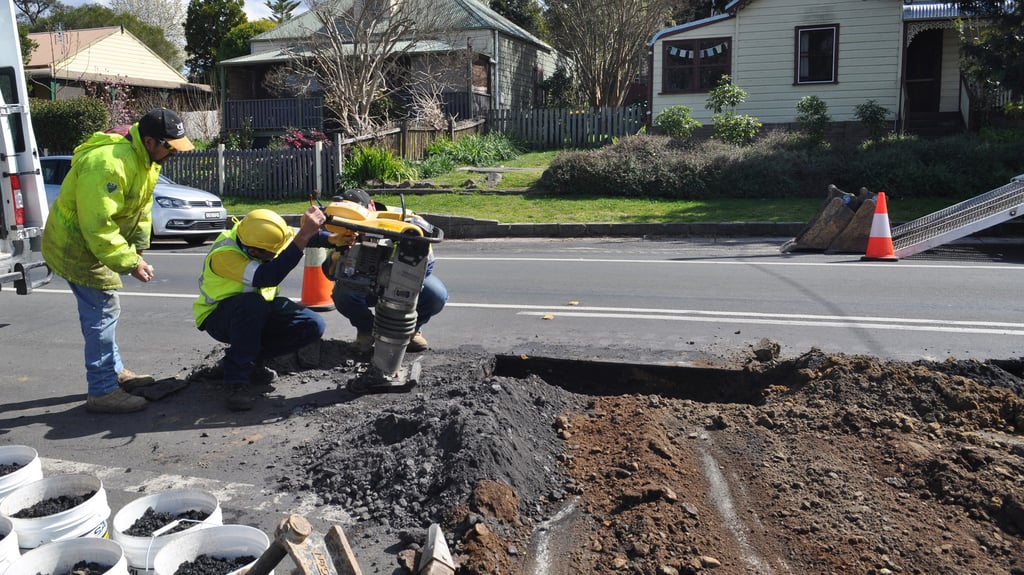
The centre’s research programs will build technologies including recycled and waste-derived materials, biotechnology-based ground improvement, advanced geosynthetics, and intelligent field monitoring and computer modelling encompassing AI approaches.
These will be validated through laboratory testing, advanced numerical modelling and field demonstrations to ensure these are technically robust and commercially viable.
The centre will be made up of researchers from 8 Australian universities and 5 international institutions, alongside 19 industry partner organisations including construction companies, government agencies and geotechnical consultants.
“Our long-term vision is to drive a fundamental transformation in how Australia designs, constructs and maintains its ground infrastructure as we transition from conventional, carbon-intensive approaches to sustainable, circular-economy practices and climate-resilient solutions,” Professor Indraratna said.
“Beyond technological innovation, we want to establish a lasting legacy through research excellence, strategic industry partnerships and the development of a highly-skilled workforce.”
UTS researchers
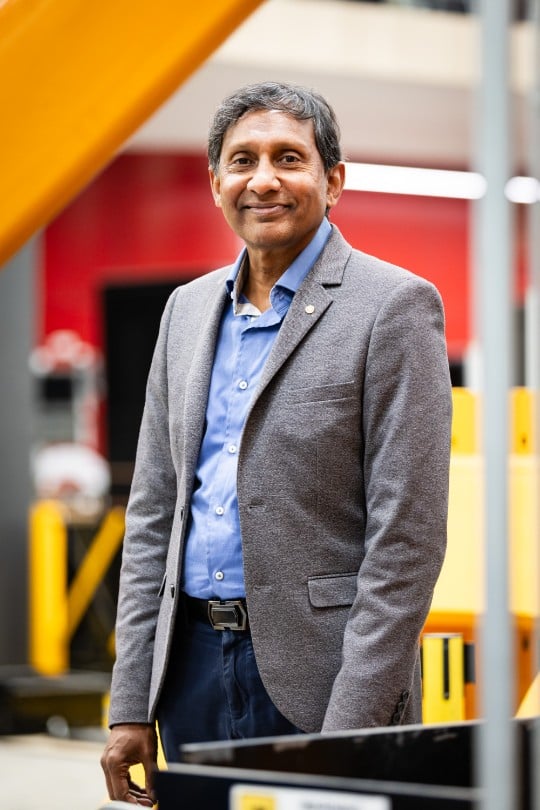
Director, Transport Research Centre, Faculty of Engineering & Information Technology
Professor, Faculty of Engineering & Information Technology

Senior Lecturer, Faculty of Engineering & Information Technology
Webpage
Where the rubber meets the rail
A world-first system of rubber shock absorbers made from recycled tyres protects railway tracks from damage and helps the environment.

News
UTS researchers develop new AI tool to better predict stroke risk
New AI model analyses DNA to identify genetic risk factors for stroke, paving the way for more personalised prevention and treatment.

News
Australia-China Weekly Brief: October 2026 issues
The Australia-China Weekly Brief by the Australia-China Relations Institute at the University of Technology Sydney (UTS:ACRI) tracks key developments in...
News
National First Nations College update
UTS has been working towards building a National First Nations College, an Indigenous-designed, culturally responsive residential community where students can...
Webpage
Where the rubber meets the rail
A world-first system of rubber shock absorbers made from recycled tyres protects railway tracks from damage and helps the environment.
News
UTS researchers develop new AI tool to better predict stroke risk
New AI model analyses DNA to identify genetic risk factors for stroke, paving the way for more personalised prevention and treatment.
News
Australia-China Weekly Brief: October 2026 issues
The Australia-China Weekly Brief by the Australia-China Relations Institute at the University of Technology Sydney (UTS:ACRI) tracks key developments in...
News
National First Nations College update
UTS has been working towards building a National First Nations College, an Indigenous-designed, culturally responsive residential community where students can...