


- Posted on 28 Oct 2026
- 3-minute read
UTS researchers bring home two World Green Infrastructure Awards for demonstrating the power of plants to clear the air and power new cities.
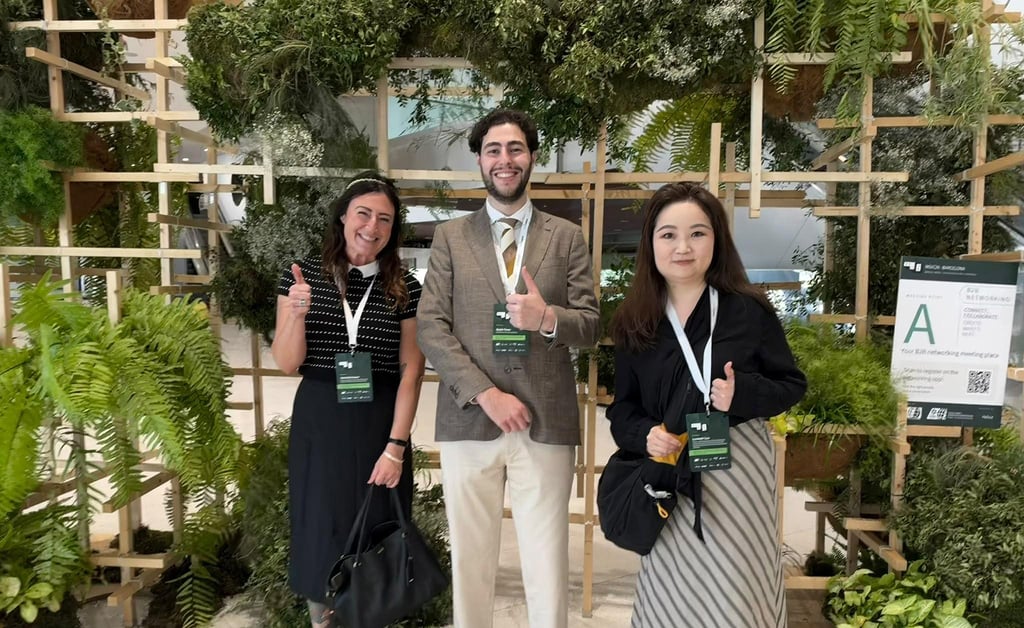
UTS Plants and Environmental Research Group wins in the innovative living systems category and Ralph Fares for best student poster.
“Big problems need big solutions, and many of the biggest challenges facing our cities need plants,” said Associate Professor Peter Irga from the UTS Plants and Environmental Research Group.
The team of scientists and engineers has spent several decades studying the positive impact of greening our cities and the spaces where people live and work.
Their research demonstrated how indoor plants – from a small number of large potted plants to advanced green wall systems – can remove pollution from the air in buildings, work that was recognised with the innovative living systems award.
“We've shown that all plants can remove air pollutants, and much of that work is done by the microbes living in the growing media,” said Associate Professor Irga who leads the group alongside Associate Professor Fraser Torpy.
“It started with potted plants in sealed chambers, moved into real offices, homes and classrooms, then to green walls, and finally to active systems working at building scale.
“The real step forward was making the system active using fans to push polluted air through the plants. That lets one system remove particles, nitrogen dioxide and volatile organic compounds at the same time, performing on par with air conditioning filters,” he said.
They showed that just a few large potted plants can halve levels of volatile organic chemicals in the air in office spaces, with active biofiltration units reaching 90 percent removal.
Their work has been demonstrated at scale with a 240 square metre demonstration at a Sydney carpark and underpinned the Green Building Council of Australia’s Green Star guidelines awarding credits for air quality and biodiversity.
“30 years on, we've built a body of evidence that governments and industry are now recognising and acting on,” Associate Professor Irga said.
“It's not just us doing the work as scientists. It's the governments and companies who actually put green spaces into our cities who make the real difference. Working with them is the big-ticket item.
“As Fraser Torpy likes to say: ‘If you want to solve the world’s problems, put a plant on it.’”
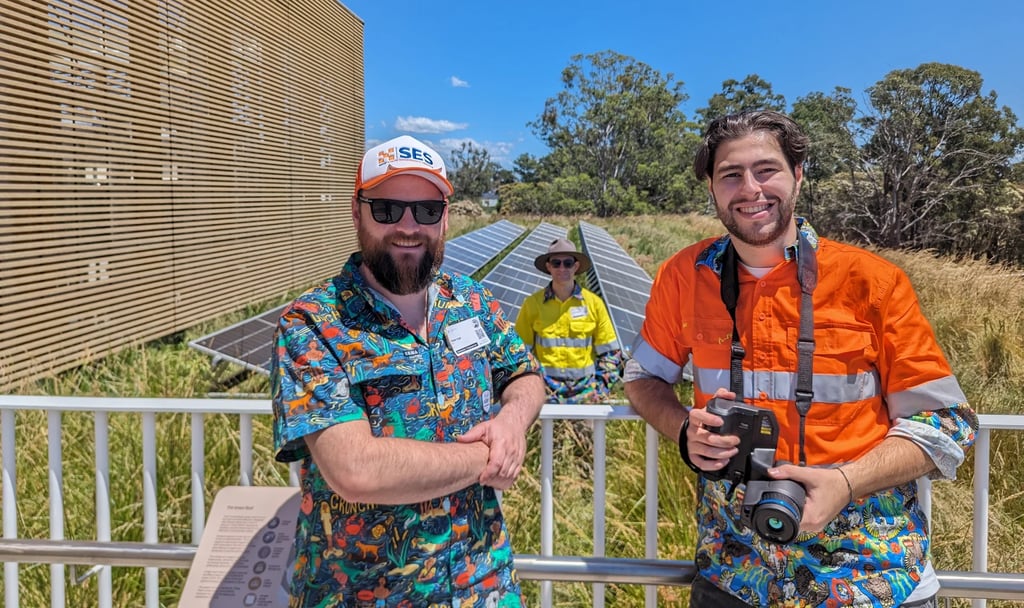
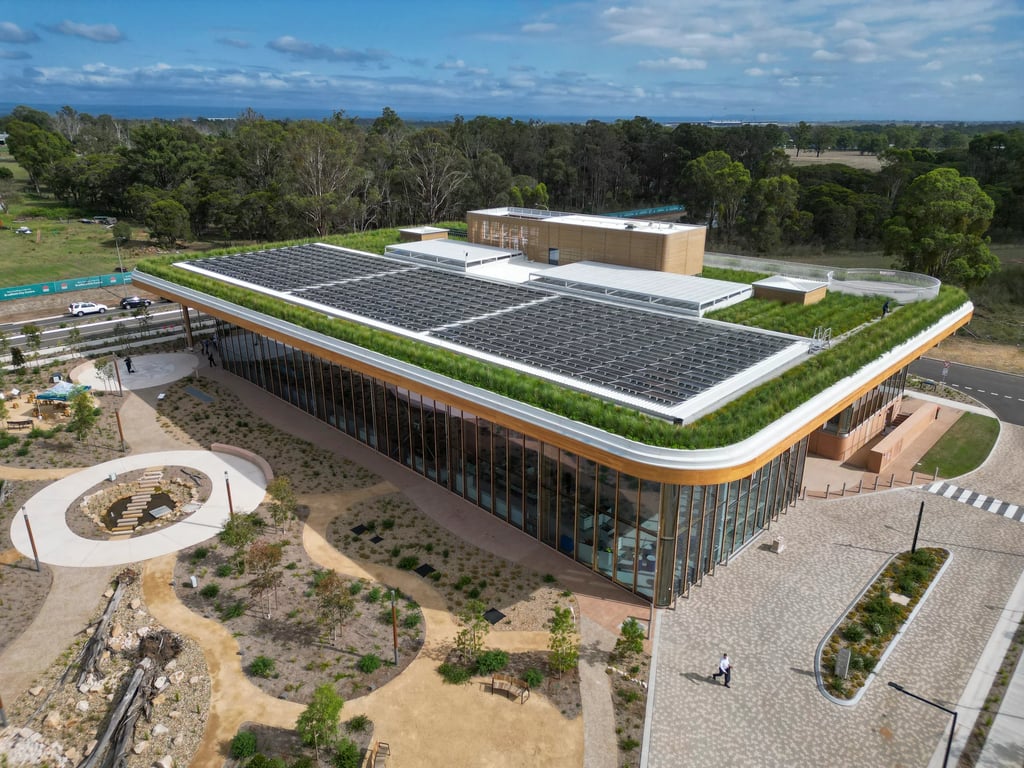
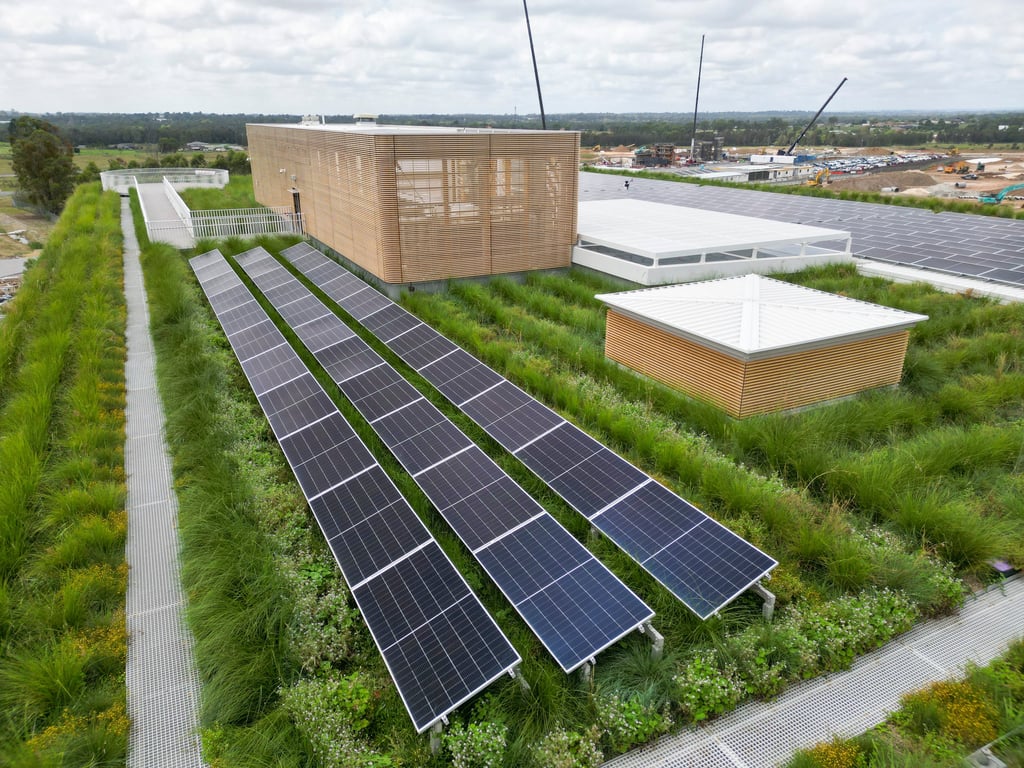
The second award in the student poster category was won by PhD candidate Ralph Fares for his work documenting the environmental benefits of biosolar green roofing on the very first building constructed in Australia’s newest city, Bradfield City in Sydney’s west.
“Integrating sustainable solutions at the design stage of an infrastructure project yields exceptional environmental benefits,” Mr Fares said.
“We discovered improvements to thermal insulation, energy generation, storm water and air pollutant capture, as well as providing connectivity between habitats for biodiversity.
“Due to the success of the first building, Bradfield has now mandated that 80% of the city's rooftops be constructed with biosolar green roofs, which is a huge win for nature and for sustainability.”
Researchers
Associate Professor, Faculty of Engineering & Information Technology
Associate Professor, Faculty of Science

Graduate Research Student, Faculty of Engineering & Information Technology
News
Bradfield City biosolar roof sets new standard for climate-resilient cities
A study of Bradfield City’s First Building green roof confirms that combining native rooftop gardens with solar panels reduces urban heat, increases renewable...
News
Building greener cities from the roof down
International award highlights UTS-led biosolar innovation driving greener, smarter cities.

News
Little evidence that common workplace ergonomics help
UTS-led research suggests ergonomic interventions make negligible difference to short-term arm, neck or shoulder pain.
News
Bradfield City biosolar roof sets new standard for climate-resilient cities
A study of Bradfield City’s First Building green roof confirms that combining native rooftop gardens with solar panels reduces urban heat, increases renewable...
News
Building greener cities from the roof down
International award highlights UTS-led biosolar innovation driving greener, smarter cities.
News
Little evidence that common workplace ergonomics help
UTS-led research suggests ergonomic interventions make negligible difference to short-term arm, neck or shoulder pain.