


- Posted on 27 Oct 2026
- 45-minute read
By Marina Zhang
This conceptual analysis appeared in Frontiers in Political Science, vol. 8, article no. 1962640. https://doi.org/10.3389/fpos.2026.1962640
ABSTRACT
Space 4.0—marked by commercialisation, modular technologies, actor diversification, and intensifying geopolitical competition—has lowered barriers to participation while relocating hierarchy into supply chains, platforms, standards, and commercial infrastructure. This conceptual analysis asks how, and under what geopolitical conditions, small and middle powers (SMPs) convert technological specialisation, market embeddedness, and normative positioning into selective strategic autonomy. Using analytic eclecticism, the article, by integrating Science and Technology Studies (STS), International Political Economy (IPE), and constructivism, distinguishes strategic agency—the capacity to act purposively under constraint—from strategic autonomy—the contingent outcome of preserving meaningful options and limiting determinative dependence. The framework identifies three corresponding practices: niche specialization, which converts selective technological capability into capability leverage; agile hedging, which uses procurement, supply-chain positioning, and institutional diversification to create bargaining leverage; and norm entrepreneurship, which converts legitimacy and rule-making participation into influence. The evidentiary base is a structured synthesis of scholarship and purposively selected illustrations from South Korea, Australia, and New Zealand, with India and the European Union used as boundary comparators. The analysis argues that autonomy emerges when capability, bargaining, and legitimacy leverage are strategically coupled, but that the same coupling can deepen upstream dependence, security exposure, or implementation gaps. It further proposes competitive pluralism as a boundary condition: SMP room for manoeuvre is greatest when great-power rivalry creates credible alternatives without hardening into closed blocs. The article therefore recasts secondary-state agency in high-technology geopolitics as the capacity to organise and recalibrate interdependence rather than escape it.
share_windows Read the article online here.
AUTHOR
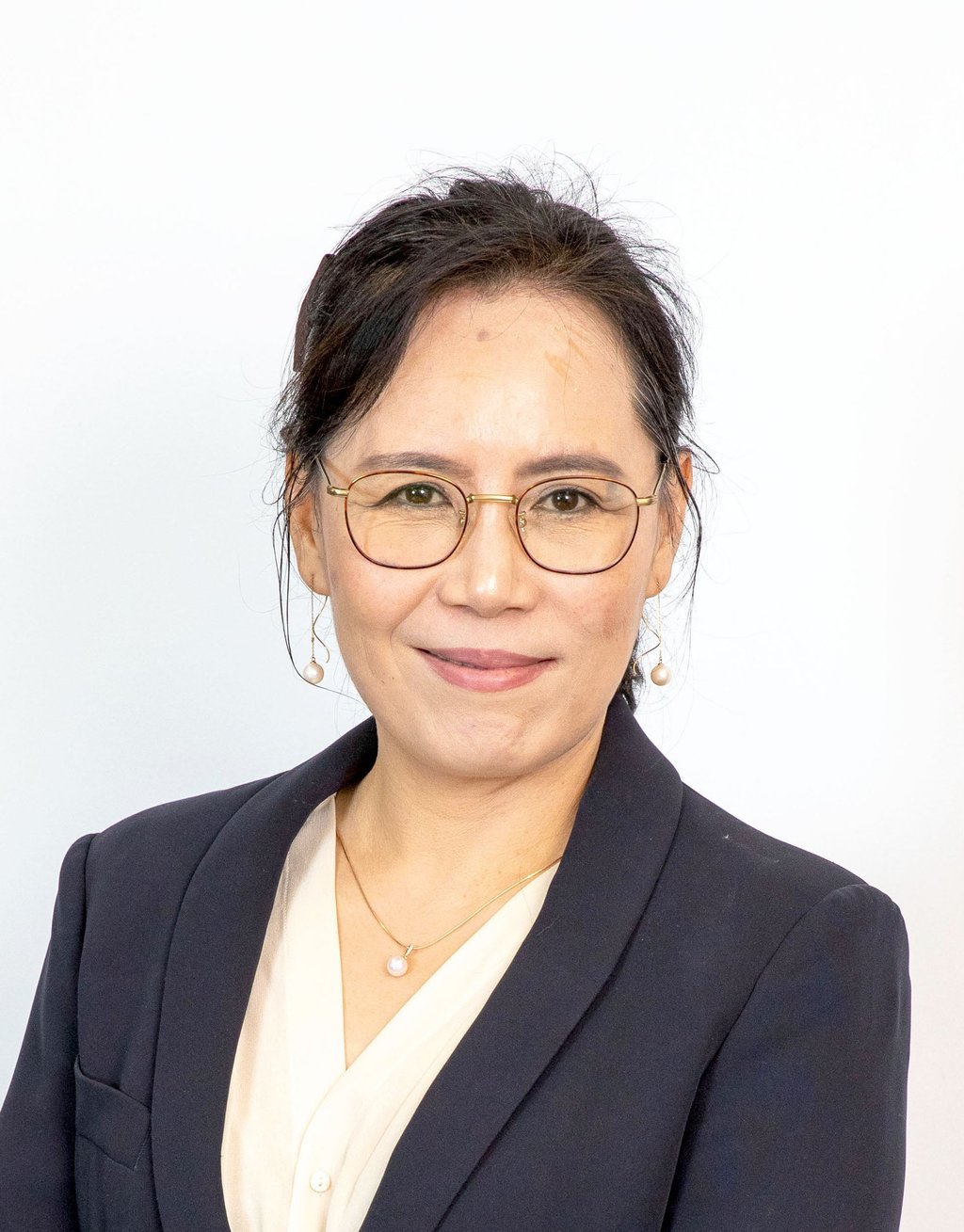
Associate Professor - Research, Australia-China Relations Institute, University of Technology Sydney

News
Feeling without knowing? Chinese Australian perspectives on Indigenous affairs in Australia
This article appeared in Australian Journal of Political Science. https://doi.org/10.1080/10361146.2026.2758183
News
Is a clash over Taiwan just around the corner?
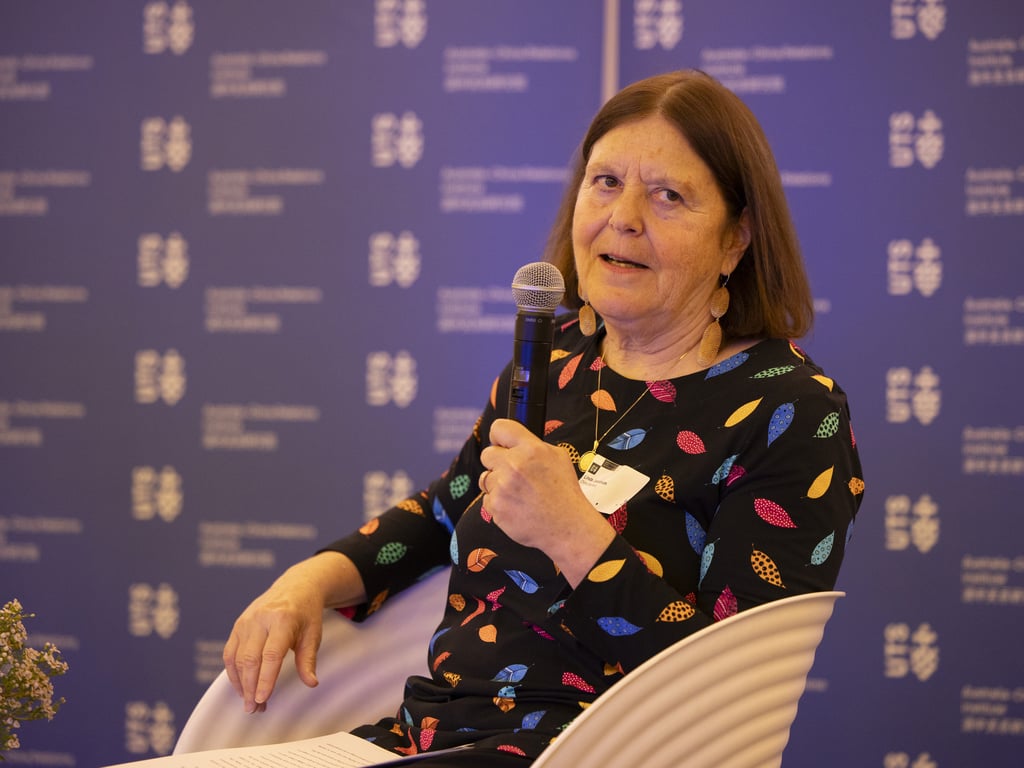
On October 28 2026, the Australia-China Relations Institute at the University of Technology Sydney (UTS:ACRI) hosted Ms Linda Jakobson, Founding Director and...
News
Australia-China Weekly Brief: October 2026 issues
The Australia-China Weekly Brief by the Australia-China Relations Institute at the University of Technology Sydney (UTS:ACRI) tracks key developments in...

News
Can China solve the global climate catastrophe?
This article appeared in Journal of Contemporary China. https://doi.org/10.1080/10670564.2026.2747620
News
Feeling without knowing? Chinese Australian perspectives on Indigenous affairs in Australia
This article appeared in Australian Journal of Political Science. https://doi.org/10.1080/10361146.2026.2758183
News
Is a clash over Taiwan just around the corner?
On October 28 2026, the Australia-China Relations Institute at the University of Technology Sydney (UTS:ACRI) hosted Ms Linda Jakobson, Founding Director and...
News
Australia-China Weekly Brief: October 2026 issues
The Australia-China Weekly Brief by the Australia-China Relations Institute at the University of Technology Sydney (UTS:ACRI) tracks key developments in...
News
Can China solve the global climate catastrophe?
This article appeared in Journal of Contemporary China. https://doi.org/10.1080/10670564.2026.2747620