


- Posted on 26 Oct 2026
PhD candidate Dominique Barahira is exploring how energy modelling can support healthier lives, stronger livelihoods and locally driven prosperity across Rwanda and East Africa.
PhD candidate Dominique Barahira wants energy models to do more than identify technically optimal solutions. Through his research, Energy Systems Modelling for Africa: Case Studies from Rwanda and the East Africa Community, he is exploring how energy planning can respond to the realities, needs and ambitions of the people it is meant to serve.
Where the energy future becomes real
To understand East Africa’s energy future, Dominique is beginning far from the computer models.
“I would take them to a school, a health centre, a family kitchen and a local factory,” he says. “For me, these are the places where East Africa’s energy future becomes real.”
Reliable, affordable and clean energy can influence whether children can learn, health centres can provide dependable care, families can cook without armful smoke and local businesses can grow.
In Rwanda, Dominique is exploring two important changes: electric cooking and electric mobility. His research considers how these technologies could support healthier lives, stronger livelihoods and greater prosperity within local communities.
When the ‘best’ result isn’t the best pathway
Energy models can identify an appealing technical solution, but Dominique’s research challenges the assumption that this automatically makes it the right pathway.
A model might find electric cooking attractive, for example, but that raises practical questions.
Can households afford the appliances?
Is the electricity supply reliable?
Does the technology suit the meals people prepare?
“The results need to be contextualised to reflect the realities of the people and institutions expected to put them into practice,” he says.
The same applies to electric motorcycles. For riders whose income depends on daily transport, charging access, financing and reliability are not minor details.
They can determine whether a transition works at all.
Cooking, charging and the same electricity grid
One of Dominique’s biggest PhD surprises has been the complexity of bringing everyday context into modelling.
Cooking diner and charging a motorcycle battery may seem unrelated, but both can place demand on the same electricity system at the same time.
Understanding where and when that demand occurs is essential for deciding what infrastructure and investment will be needed.
“A transition needs to work for a household deciding how to cook dinner and for a rider whose motorcycle provides their daily income,” he says.
Turning resilience into possibility
Dominique believes Africa’s capacity to shape its own energy future deserves far more attention.
Africa has knowledge, ambition and ingenuity within its communities. The opportunity is to support those strengths with the infrastructure, financing and practical policies that allow them to flourish.
Lorem ipsum dolor sit amet, consectetur adipiscing elit, sed do eiusmod tempor incididunt ut labore et dolore magna aliqua. Ea facilis in et voluptatibus corrupti et dolorem. Quis et quos quia accusamus numquam cum.
Blanditiis blanditiis autem cum aperiam similique voluptas maxime amet. Et voluptas aut reprehenderit enim et neque voluptas praesentium porro. Optio reprehenderit quos saepe dignissimos. Eos soluta totam.
Lorem ipsum dolor sit amet, consectetur adipiscing elit, sed do eiusmod tempor incididunt ut labore et dolore magna aliqua. Ea facilis in et voluptatibus corrupti et dolorem.
Quis et quos quia accusamus numquam cum. Blanditiis blanditiis autem cum aperiam similique voluptas maxime amet. Et voluptas aut reprehenderit enim et neque voluptas praesentium porro. Optio reprehenderit quos saepe dignissimos. Eos soluta totam.
News
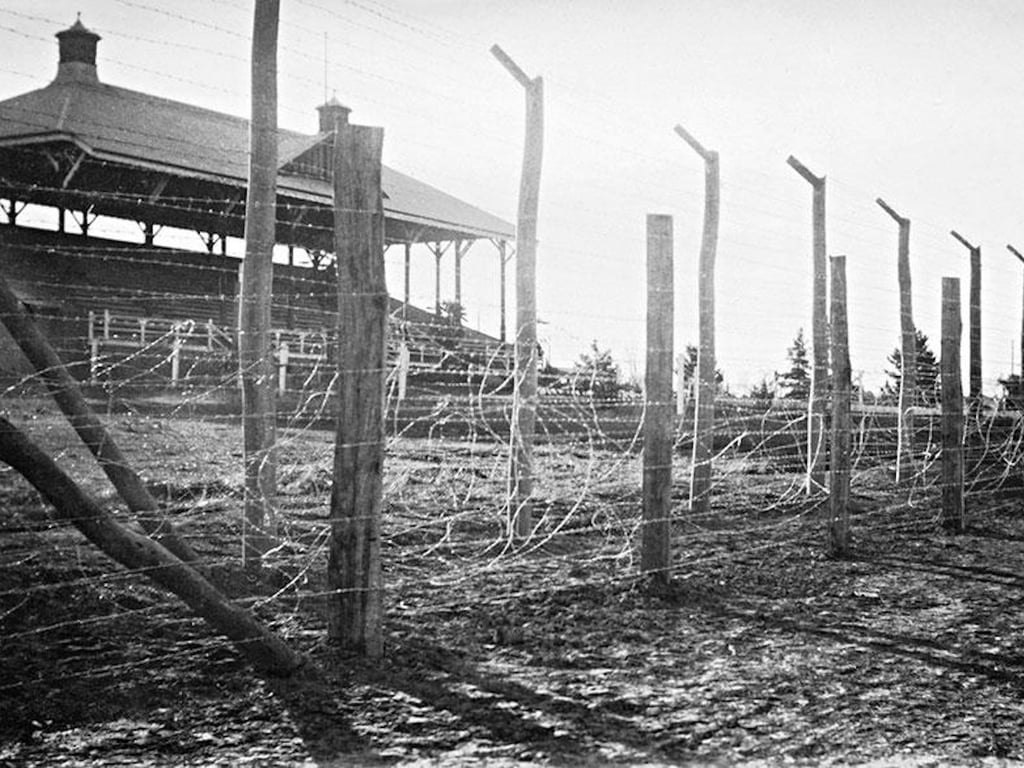
Interned as ‘enemy aliens’ in Australia, these WWII refugees built their own universities
A longer history of refugee-run schools and universities reveals the importance of scholarly camaraderie.
News
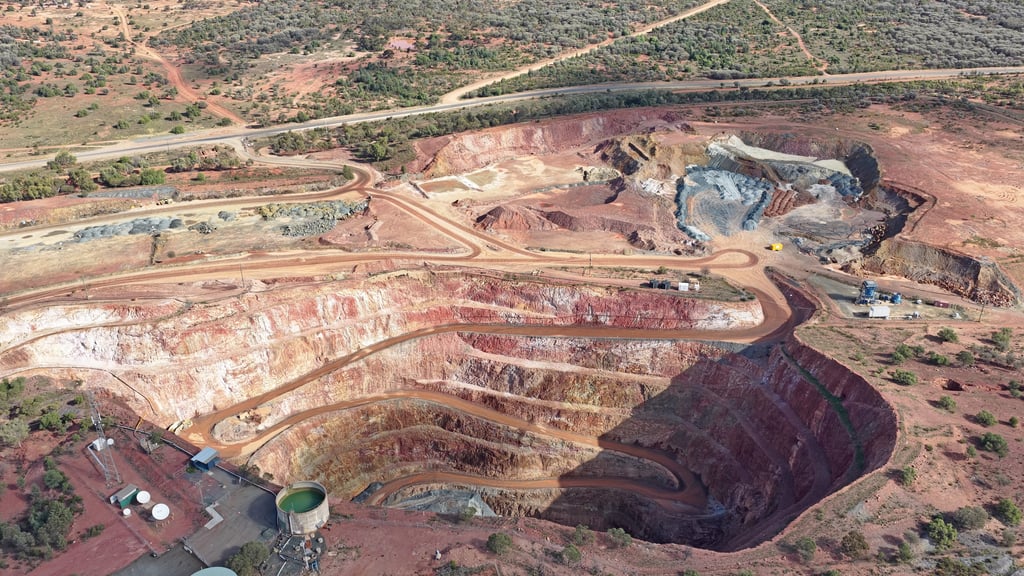
Alliance politics, commercial asymmetries: Rare earth supply chains and the US-Australia Critical Minerals Framework
The October 2025 US-Australia Critical Minerals Framework matters because it begins to turn alliance intent into practical instruments: finance, purchase...

News
Tell us what we want
Centre for Media Transition newsletter - Tell us what we want, what we really really want | Issue 18

News
Embedded links
Michael Davis looks at the recently announced partnership between USA Today Co. and Palantir, whose reputation has the company’s reporters up in arms.
News
Interned as ‘enemy aliens’ in Australia, these WWII refugees built their own universities
A longer history of refugee-run schools and universities reveals the importance of scholarly camaraderie.
News
Alliance politics, commercial asymmetries: Rare earth supply chains and the US-Australia Critical Minerals Framework
The October 2025 US-Australia Critical Minerals Framework matters because it begins to turn alliance intent into practical instruments: finance, purchase...
News
Tell us what we want
Centre for Media Transition newsletter - Tell us what we want, what we really really want | Issue 18
News
Embedded links
Michael Davis looks at the recently announced partnership between USA Today Co. and Palantir, whose reputation has the company’s reporters up in arms.