


- Posted on 27 Oct 2026
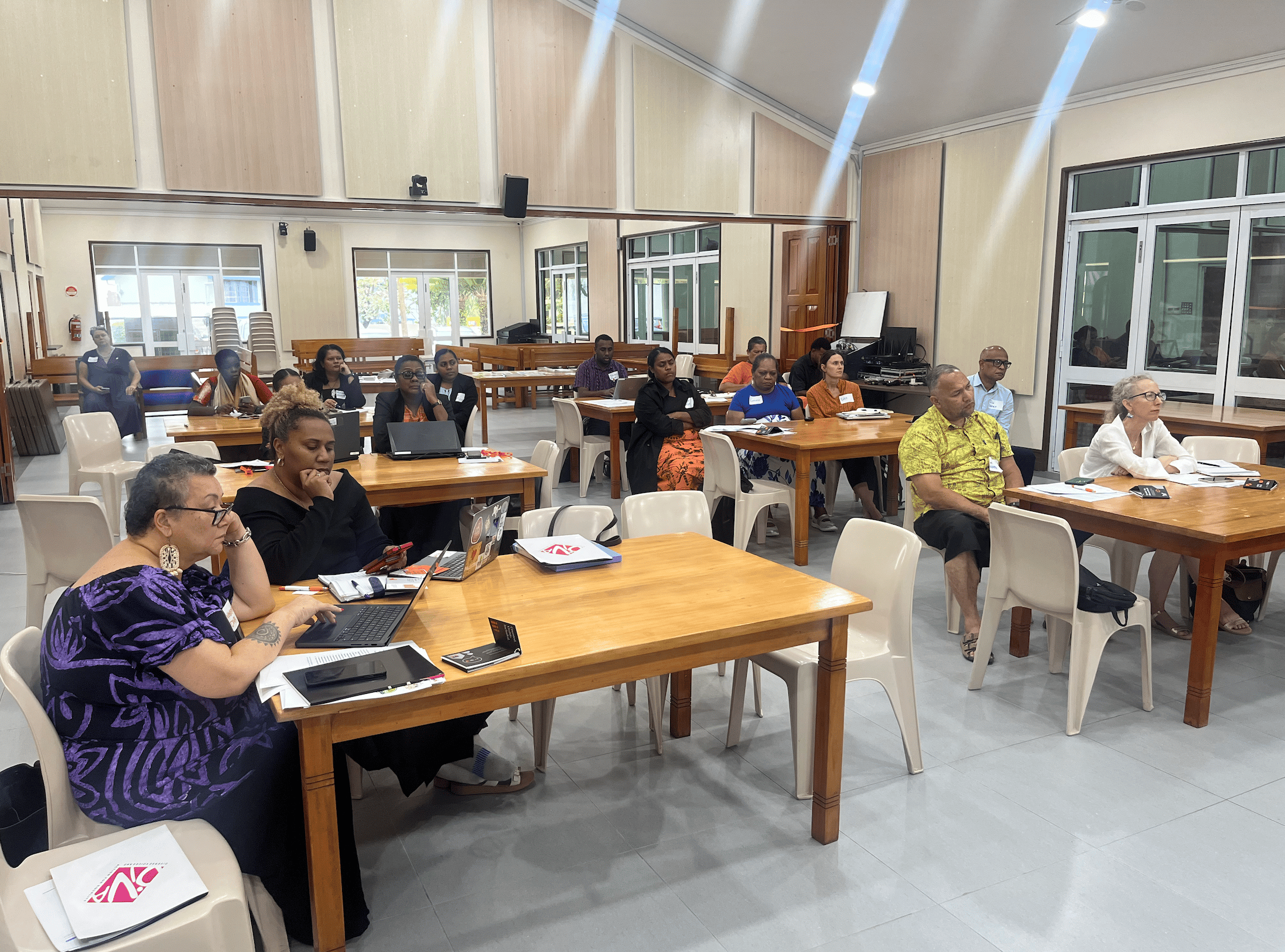
How can data better reflect people’s different experiences of climate change and support more inclusive action? This question was at the centre of a recent Revealing Resilience roundtable in Fiji, convened by UTS Institute for Sustainable Futures and Equality Insights, a flagship program of the International Women’s Development Agency (IWDA), in partnership withFiji’s Ministry of Women, Children and Social Protection.
Supported by the Australian Government’s Climate Resilient Communities program, the roundtable was hosted at the Ministry of iTaukei Affairs in Suva. Tamara Megaw from the Institute for Sustainable Futures and Joanne Crawford AM from Equality Insights shared some reflections on the strategic context and provided case studies of individual-level measurement tools. They facilitated discussions with government, civil society, regional, women’s rights and disability organisations.
Resilience is often measured at community or household level. Such approaches are useful for providing insight but can miss identifying the experience of specific individuals. People living in the same place, or even the same household, may have very different responsibilities, resources, livelihood options, decision-making power and access to support. Climate impacts interact with inequalities linked to gender, age, disability, sexual orientation, sociocultural background and geography. Household-level data can inadvertently hide these differences, leading to policies or programs that overlook people facing the greatest barriers.
Roundtable participants discussed how individual-level, multidimensional and disaggregated data can address this gap. DiVA for Equality and the Pacific Community's (SPC’s) Statistics for Development Division were prominent contributors, alongside representatives from government, women’s rights organisations, development partners and regional agencies. Collecting information from individuals and considering intersectional disadvantage can show who is being affected, in what ways and why. This evidence can help governments and organisations design, target and monitor more equitable climate responses.
Disability inclusion was also a strong focus of the roundtable discussion and the broader project. Contributors from the Fiji Disabled People’s Federation and other participants emphasised the importance of disability-disaggregated data and sustained investment in the capacity of organisations of people with disabilities.
As the one-year Revealing Resilience initiative led by the Institute for Sustainable Futures with IWDA’s Equality Insights comes to a close, we thank everyone who has helped champion individual-level data for inclusive climate resilience and sustainable development. A range of quantitative and qualitative validated tools are available to generate individual-level data and analysis across poverty, inequality, climate resilience, water, sanitation and hygiene, and food security. And the Revealing Resilience initiative has produced additional resources to explain and champion their importance. Together, these resources can strengthen evidence-based action towards climate resilience and sustainable development, and build a data future that is more inclusive and helps tell everyone's stories.
Explore resources on individual-level measurement and data through the Revealing Resilience website.
News
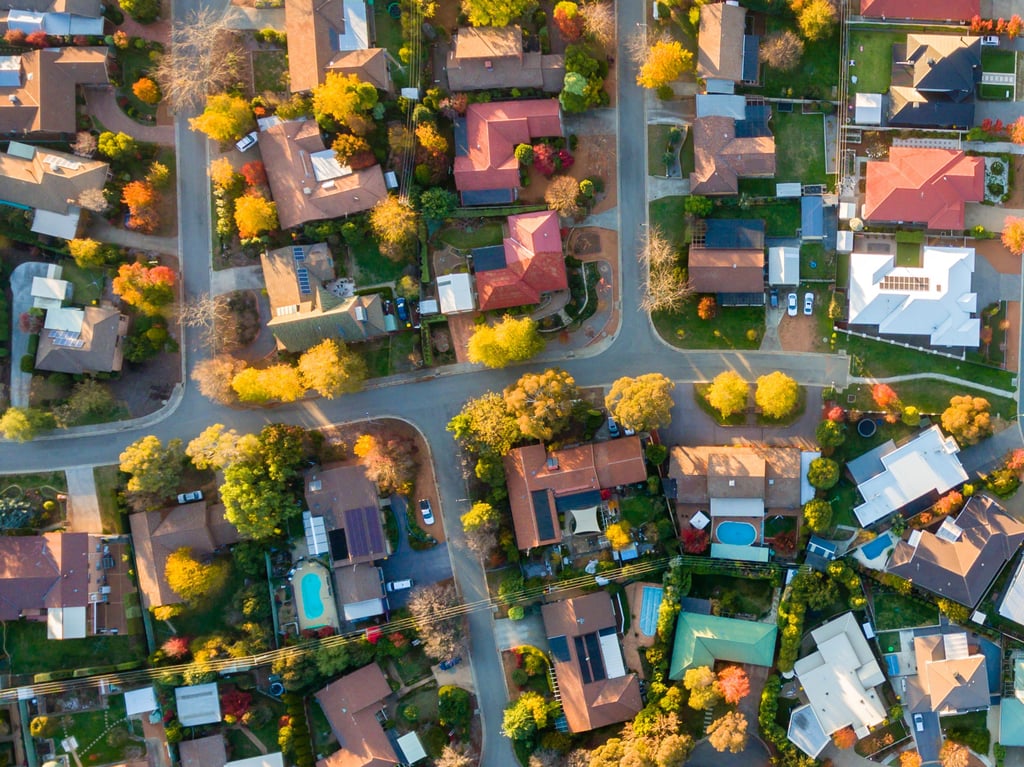
Home energy upgrades get a boost with new national resource
A new digital platform has been launched to support councils and community organisations deliver home energy upgrades.
News
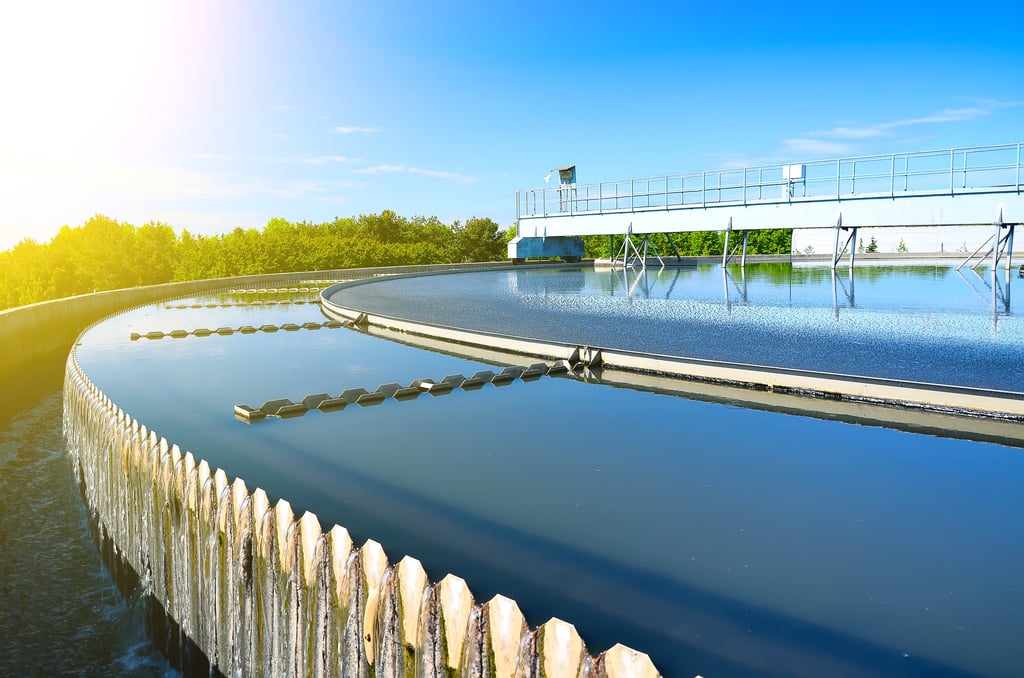
A new demand forecasting and options model for Australian water utilities
A new demand forecasting model developed by the UTS Institute for Sustainable Futures (ISF) is helping water utilities across New South Wales and Victoria plan...

News
A smarter future for water efficiency
The ISF Water team were out in force this month attending the first Smart Water Connect, a new National Water Efficiency Forum, held at UTS on 13 October. The...
News
Powering Africa’s future from the ground up
PhD candidate Dominique Barahira is exploring how energy modelling can support healthier lives, stronger livelihoods and locally driven prosperity across...
News
Home energy upgrades get a boost with new national resource
A new digital platform has been launched to support councils and community organisations deliver home energy upgrades.
News
A new demand forecasting and options model for Australian water utilities
A new demand forecasting model developed by the UTS Institute for Sustainable Futures (ISF) is helping water utilities across New South Wales and Victoria plan...
News
A smarter future for water efficiency
The ISF Water team were out in force this month attending the first Smart Water Connect, a new National Water Efficiency Forum, held at UTS on 13 October. The...
News
Powering Africa’s future from the ground up
PhD candidate Dominique Barahira is exploring how energy modelling can support healthier lives, stronger livelihoods and locally driven prosperity across...