


- Posted on 29 Jul 2026
- 4-minute read
An advanced “sorting machine” is set to unscramble the complex communication between cancer cells and provide new clues to slow tumour growth.
New research led by Dr Gungun Lin from the UTS Faculty of Science aims to build an analytical tool that sorts and quantifies extracellular vesicles, the tiny packages that cancer cells send to each other, and ranks them to identify the cues driving cancer spread.
Dr Lin has been awarded $1.6 million over five years through a National Health and Medical Research Council Emerging Leadership Fellowship (Investigator Grant).
“Extracellular vesicles are like tiny delivery vans that cancer cells use to swap information, but they are quite different,” said Dr Lin.
“Our device is a microfluidic chip, a device with tiny lanes that uses magnetic forces and surface topography of the chip to catch and organise these vesicles.”
“Instead of looking at a big, messy mixture of them, the tool ‘ranks’ them based on the specific markers and other physiochemical properties on their surface.”
“Think of it as like a high-throughput sorting machine that works on a microscopic scale.”
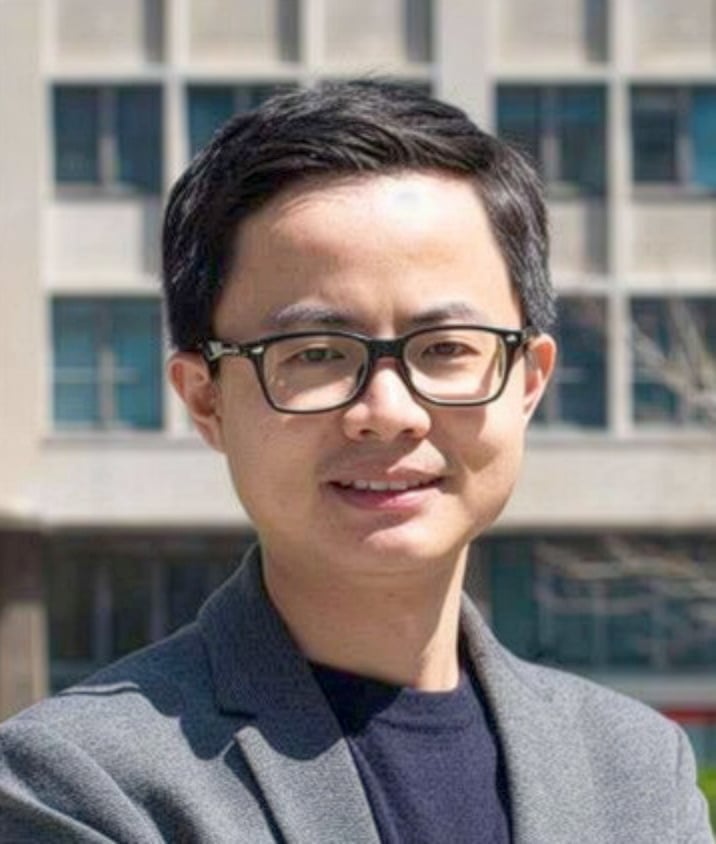
Our tool will allow us to isolate specific groups of extracellular vesicles to see which ones are driving a cancer's progression.
Dr Gungun Lin
Senior Research Fellow, Faculty of Science
“By understanding how these packages work, we hope to find better ways to diagnose the disease and create more predictable treatment outcomes for patients.”
The extracellular vesicles released by cancer cells contain proteins, DNA and other material that enable tumours to grow and metastases to spread throughout the body. They also contain important information about cancer cell biology.
The team hope to better understand this process with an initial focus on pleural mesothelioma, a particularly aggressive form of lung cancer with high prevalence in Australia.
“Pleural mesothelioma is a big challenge for doctors because its cells are so heterogeneous,” Dr Lin said.
“Within a single tumour, there are diverse populations of cells with different molecular signatures, making them react differently to treatments. Some are linked to disease with much poorer prognoses than others.”
The diversity of cells in a tumour can make it challenging for doctors to accurately diagnose and treat many types of cancer.
“Our main goal is to solve a major mystery in cancer research: how do the cells in tumors become so diverse and difficult to treat?” he said.
“By giving us high-resolution data down to the level of a single vesicle, we hope our tool will help us discover new basically biological clues that can help doctors predict and treat mesothelioma much more effectively.”
“By decoding these messages, we hope to establish the foundational knowledge needed to improve diagnostics, create better therapies and ultimately save lives by taking the guesswork out of managing mesothelioma and other cancers.”
Researcher
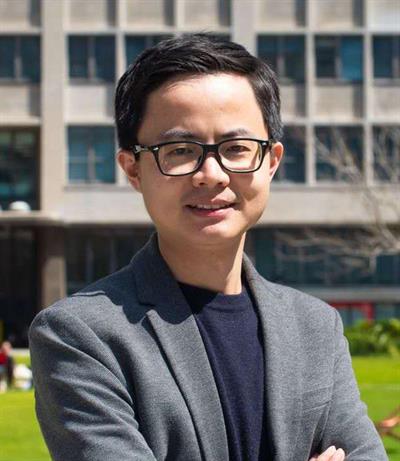
Associate Professor, Faculty of Science

News
UTS and 2SER tune into the future
Sydney community radio station 2SER marks 47 years on air and launches annual radiothon.
News
Research puts resilient infrastructure on solid ground
Groundbreaking $24 million research centre will develop sustainable technologies that stabilise the foundations underpinning major infrastructure.
News
UTS researchers develop new AI tool to better predict stroke risk
New AI model analyses DNA to identify genetic risk factors for stroke, paving the way for more personalised prevention and treatment.
News
Australia-China Weekly Brief: October 2026 issues
The Australia-China Weekly Brief by the Australia-China Relations Institute at the University of Technology Sydney (UTS:ACRI) tracks key developments in...
News
UTS and 2SER tune into the future
Sydney community radio station 2SER marks 47 years on air and launches annual radiothon.
News
Research puts resilient infrastructure on solid ground
Groundbreaking $24 million research centre will develop sustainable technologies that stabilise the foundations underpinning major infrastructure.
News
UTS researchers develop new AI tool to better predict stroke risk
New AI model analyses DNA to identify genetic risk factors for stroke, paving the way for more personalised prevention and treatment.
News
Australia-China Weekly Brief: October 2026 issues
The Australia-China Weekly Brief by the Australia-China Relations Institute at the University of Technology Sydney (UTS:ACRI) tracks key developments in...