


- Posted on 16 Oct 2026
New AI model analyses DNA to identify genetic risk factors for stroke, paving the way for more personalised prevention and treatment.
Key takeaways
- UTS researchers have developed an AI model that analyses DNA to identify genetic risk factors for stroke more accurately than previous tools.
- The study identified 18 genetic variants linked to ischaemic stroke, with people in the highest genetic risk group having a 22% higher chance of stroke.
- Researchers are developing a personalised AI tool combining genetic, clinical and lifestyle data to improve stroke risk assessment and prevention.
Researchers from the University of Technology Sydney (UTS) have developed an AI model that analyses a person’s DNA to better identify genetic risk factors for stroke, paving the way for more personalised risk assessments.
Stroke is the second leading cause of death worldwide. Around 46,000 Australians have a stroke each year, with one in three survivors experiencing moderate to severe disability, which can include long-term impairment.
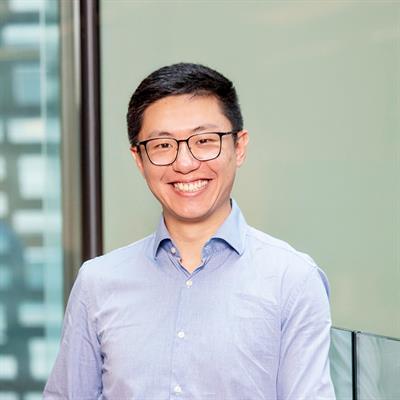
First author, Dr Yue (Eric) Yang, who recently completed a PhD in Artificial Intelligence at UTS, said the AI tool is unique because it not only identifies genetic variants linked with stroke, but also considers their location in the genome and how they might interact.
“A stroke happens when blood flow to the brain is cut off or severely reduced, usually by a blood clot, which causes brain cells to die. Genetic susceptibility plays an important role in stroke risk, along with lifestyle factors such as smoking and alcohol consumption.
“We tested our AI model using genetic and health data from the UK Biobank, and also against health records from a large US-based database (All-of-us). Our model was more accurate than previous genetic risk tools at distinguishing people who had suffered a stroke from those who had not.”
The recently published study, Predicting risk of ischaemic stroke: A transformer model using genomic data, identified 18 genetic variants associated with ischaemic stroke, the most common type of stroke.
The researchers found that people with the highest genetic risk score had a 22% higher chance of stroke, compared to the lower risk group.
The study pointed to the gene EDEM2 in brain cortex tissue as a key contributor to stroke susceptibility, which could provide a specific target for further biological research into the causes of stroke.
AI can be used to find associations between human genes and disease, and build personalised risk assessments, to help prevent a potentially life-changing or fatal event.
The team used a type of AI known as a transformer, which is the technology behind large language models such as ChatGPT, to train the model on thousands of genetic variations and identify links to ischaemic stroke.
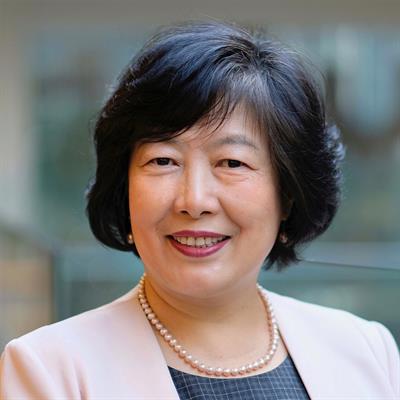
Distinguished Professor Jie Lu, Director of the Australian Artificial Intelligence Institute and Australian Laureate Fellow in the UTS Faculty of Engineering and IT, said the research highlights how AI can be used to develop personalised healthcare.
“AI can be used to find associations between human genes and disease, and build personalised risk assessments, to help prevent a potentially life-changing or fatal event,” said Professor Lu, who is also the Australian Industry Laureate Fellow in AI-for-Women’s Health.
“Genetics are only one part of stroke risk. The ability to combine a genetic score with clinical and lifestyle information, including established risk factors such as blood pressure, age, atrial fibrillation, type 2 diabetes and cholesterol, could enhance monitoring and prevention.
“We are now working on a multimodal AI tool that can combine a genetic risk assessment with other modes of data including health and lifestyle surveys, scans and imaging, to better assess risk in stroke and other diseases such as endometriosis.”
Corresponding author, Dr Kairui Guo has been working with the stroke unit at Liverpool Hospital in Sydney on genomic data analysis, as well as AI applications for acute stroke management, with support from neurologist and co-author Associate Professor and Senior Staff Specialist Dennis Cordato, who has provided clinical insights.
“When someone has a stroke, particularly at a young age, they often want to know whether other family members are also at risk. These new AI tools will provide the ability to better help families understand that risk,” said Dr Guo.
“We currently have a proposal for a preventative clinical trial. The aim is to recruit the first cohort of patients, sequence their genome, and analyse stroke risk. We are also interested sex differences in stroke risk between men and women.
“Traditionally, in thinking about stroke risk, genetics hasn’t been a main consideration, however this study highlights the significant impact of genetic factors. Without AI, it would be impossible to process that much data at an individual level to provide a personalised assessment.”

News
National First Nations College update
UTS has been working towards building a National First Nations College, an Indigenous-designed, culturally responsive residential community where students can...
News
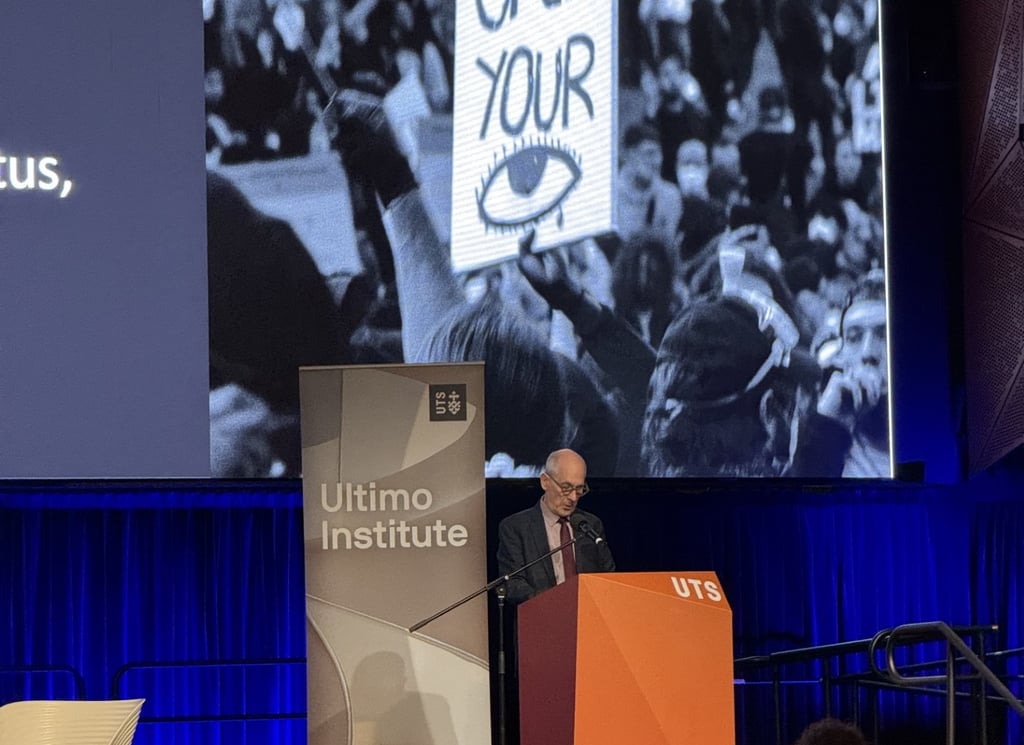
After neoliberalism – what comes next?
A Trump-led post-neoliberal world order, dominated by four or five powerful nations, could dismantle decades of international cooperation in favour of...
News
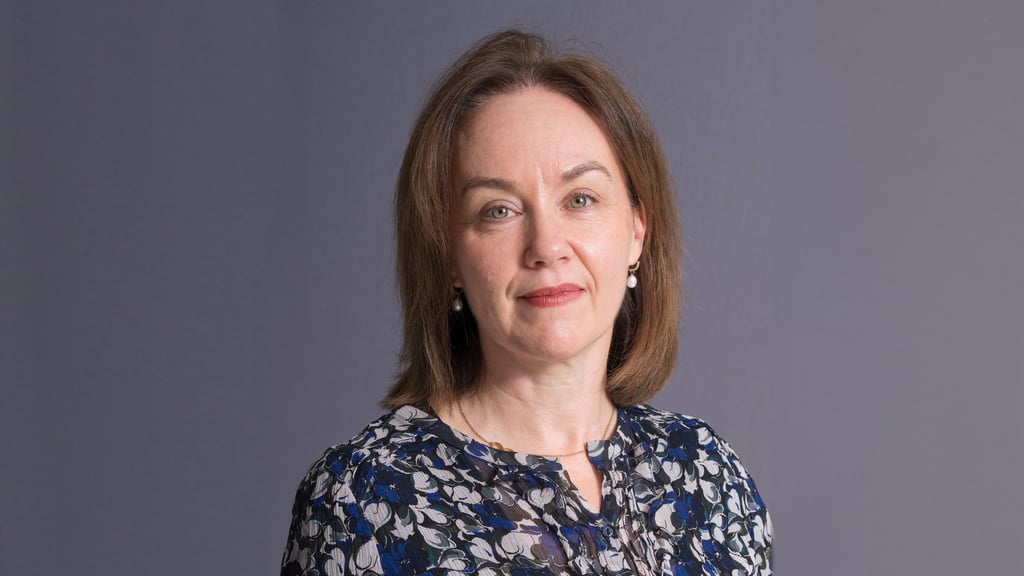
Professor Catherine Kelly appointed Dean of Law
UTS is delighted to welcome Professor Catherine Kelly as our new Dean of the Faculty of Law.

News
AI improves long-term flood forecasting
Through the power of advanced artificial intelligence, UTS research could help communities get warnings weeks ahead of floods.
News
National First Nations College update
UTS has been working towards building a National First Nations College, an Indigenous-designed, culturally responsive residential community where students can...
News
After neoliberalism – what comes next?
A Trump-led post-neoliberal world order, dominated by four or five powerful nations, could dismantle decades of international cooperation in favour of...
News
Professor Catherine Kelly appointed Dean of Law
UTS is delighted to welcome Professor Catherine Kelly as our new Dean of the Faculty of Law.
News
AI improves long-term flood forecasting
Through the power of advanced artificial intelligence, UTS research could help communities get warnings weeks ahead of floods.