


- Posted on 12 Feb 2026
- 3 minutes read
Professor Claude Roux recognised with a global career achievement award for his work that has transformed forensic investigation into a true science.
For decades, forensic scientists have been caught in an identity crisis. While criminal investigations rely on their techniques and insights, experts have searched for the foundations for their discipline.
It took a breakthrough in 2022 – captured in The Sydney Declaration – to shore up the way forensic scientists define and understand their work.
Spearheaded by Distinguished Professor Claude Roux, Director of the UTS Centre for Forensic Science, the Sydney Declaration is the semiotic call for the discipline being based on understanding trace and context.
Professor Roux’s lifetime of work has now been recognised with one of the highest global honours in forensic science – the Paul L Kirk Award from the American Academy of Forensic Sciences.
Paul Kirk was a pioneering biochemist and criminalist from the University of California Berkely whose investigation broke open the real-life life case that was later fictionalised into the film The Fugitive.
“Paul Kirk spent a lifetime thinking and publishing about whether forensic science is a science, what the fundamental principles are, why we call it a science, and how we should teach and research it,” Professor Roux said.
“These are things which are very close to my heart. I've been driven my whole career to promoting forensic science as a recognised and distinguished academic discipline.
“Forensic science is so much more than a series of chemistry, physics, medicine and computing techniques applied in a legal context. But what is this more? What is the common thread?”
“These were questions Paul Kirk tried to answer and also ones that we tried to address with the Sydney Declaration."
These are far more than academic questions. They directly impact on future directions of forensic science in a rapidly changing world.
The Paul L Kirk Award also recognises Professor Roux’s practical research in developing new fingerprinting methods in collaboration with colleagues and students of the UTS Centre for Forensic Science and partners in the United States and Canada.
“It also recognises my body of research around trying to better understand the value of the various traces that forensic science identifies and interprets,” he said.
“Forensic science is more than just doing a laboratory test, or finding a DNA “match”, or spotting a fingerprint. We look at all those things, and much more, in the context of a case.”
“We ultimately look at the meaning of all this information for investigative, intelligence and court purposes.”
The Paul L Kirk Award was presented at a meeting of the American Academy of Forensic Sciences held in February, where Professor Roux was also made a fellow of the academy.
“I’ve been very proud to help UTS – and Australia – develop as a world-leading place for forensic science. This award is further proof of that global leadership,” Professor Roux said.
“I have a huge amount of confidence the emerging generation will do even better in building the discipline of forensic science into the future.”
Academic
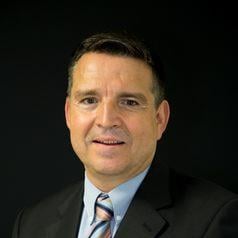
Distinguished Professor, Faculty of Science
News by topic
News
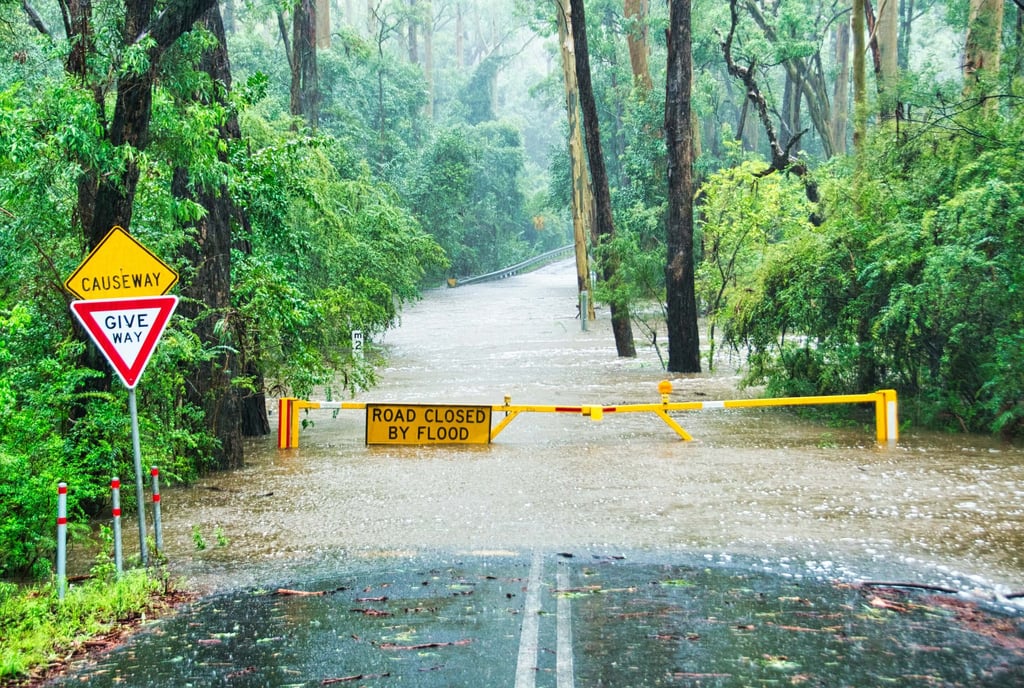
AI improves long-term flood forecasting
Through the power of advanced artificial intelligence, UTS research could help communities get warnings weeks ahead of floods.

News
What can free‑living Indian street dogs teach us about how to care for pet dogs?
A study of how Indian street dogs live raises questions about what it means to care for pet dogs.
News
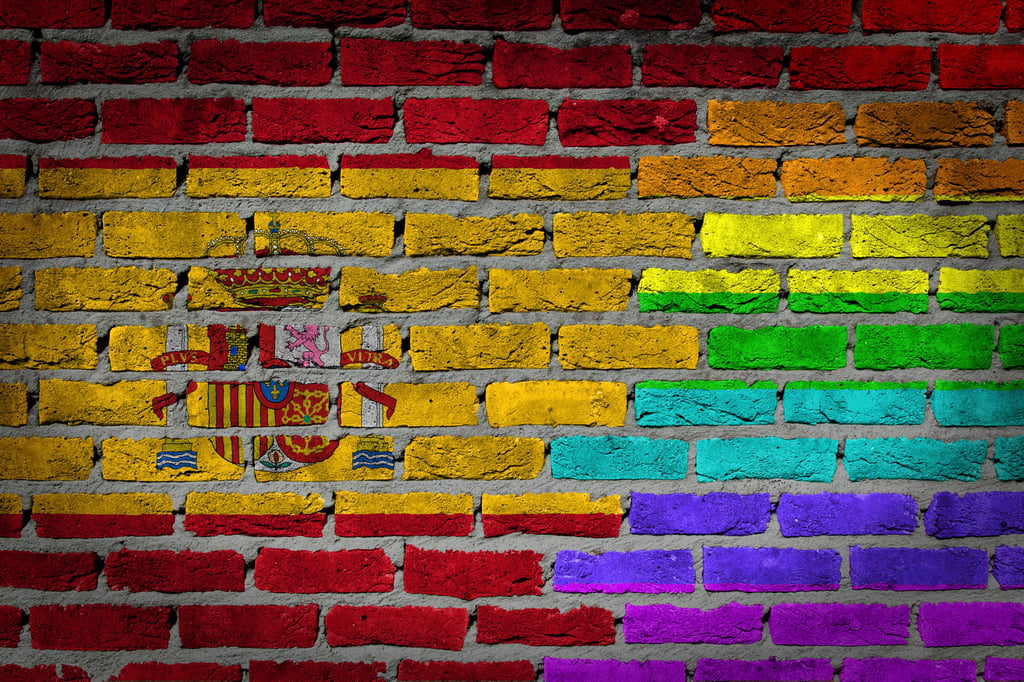
La Bola Negra is about the Spanish Civil War – but is unmistakably about our present moment
Set across 1932, 1937 and 2017, new Spanish film La Bola Negra follows three gay men whose lives become connected across generations.
News
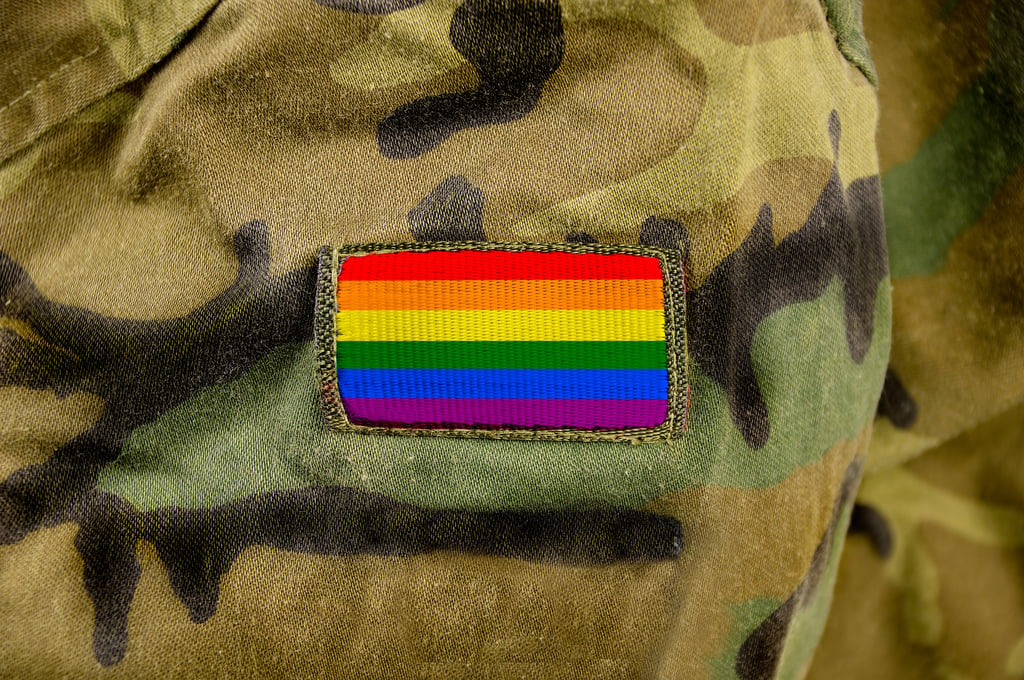
What the Australian government’s apology to LGBTQ+ Defence personnel and veterans means
Current or former Defence personnel can now “apply to have historical homosexual convictions extinguished from their service records”.
News
AI improves long-term flood forecasting
Through the power of advanced artificial intelligence, UTS research could help communities get warnings weeks ahead of floods.
News
What can free‑living Indian street dogs teach us about how to care for pet dogs?
A study of how Indian street dogs live raises questions about what it means to care for pet dogs.
News
La Bola Negra is about the Spanish Civil War – but is unmistakably about our present moment
Set across 1932, 1937 and 2017, new Spanish film La Bola Negra follows three gay men whose lives become connected across generations.
News
What the Australian government’s apology to LGBTQ+ Defence personnel and veterans means
Current or former Defence personnel can now “apply to have historical homosexual convictions extinguished from their service records”.