


- Posted on 4 Mar 2026
Over the past year Australia has been confronted with deeply disturbing reminders of the harm that racism drives and enables.
The tragic antisemitic attack at Bondi in December, the rise in Islamophobic incidents – including physical and verbal attacks – and the attempted bombing of a peaceful Invasion Day protest in Boorloo (Perth), targeting First Nations peoples and their allies, now formally declared a terrorist act motivated by racist ideology, have left communities shaken and grieving across Australia.
These events are not isolated. They sit on a continuum spanning actions from everyday exclusion and microaggressions, to minimisation and denial, through to ideologically motivated violence intended to cause devastating harm.
For too long, institutions have relied on the language of ‘cultural diversity’ to signal goodwill while avoiding harder conversations. Celebrating difference without interrogating power, exclusion and inequity can create the appearance of inclusion while leaving underlying conditions unchanged.
Refusing to speak plainly about racism does not keep people safe. Talking openly about where racism operates – and committing to confront it – is a collective, constructive act.
Confronting racism directly
Increasingly, advocates and practitioners are rightly calling for a more explicit shift: from diversity rhetoric to anti-racism.
Anti-racism offers a strategic and empowering approach. It does not mean labelling an organisation or community as racist. Rather, acknowledges that racism does exist and gives everyone a proactive role in actively opposing it. It provides a frame for the work that needs doing that doesn’t focus on blame, guilt or shame, but orients people towards responsibility, participation and action.
It also demands accountability. At an individual level, that can mean the courage and skill to be an ethical bystander. At the institutional level, it means setting clear behavioural expectations, designing fair processes, and ensuring consequences when those standards are not met.
When institutions confront racism directly, they send a powerful signal to First Nations peoples and culturally and racially marginalised communities that their experiences are heard and taken seriously – and that safety and belonging matter.

What the numbers tell us: Racism@Uni
The recent landmark Racism@Uni Study, commissioned by the Australian Government and conducted by the Australian Human Rights Commission, is the most comprehensive national examination of racism in Australian universities ever undertaken. Its findings are sobering.
Fifteen per cent of the 76,000+ respondents reported experiencing direct interpersonal racism at university. Seventy per cent reported experiencing indirect racism – hearing or seeing racist behaviour directed at their community. Nineteen per cent of those who did not personally experience racism said they had witnessed it.
The data reveal that racism is not confined to isolated incidents. It is widespread and systemic. Eighty-one per cent of First Nations respondents reported experiencing racism. Jewish (religious) and Palestinian respondents reported rates above 90 per cent. First Nations, Chinese, Jewish (secular), Middle Eastern and Northeast Asian respondents reported rates above 80 per cent. Three in four international students reported experiencing indirect racism.
Academic staff are not exempt from these harms. One in five reported experiencing direct interpersonal racism. More than half of staff respondents said university leadership does not reflect the diversity of the sector.
Perhaps most troubling is what happens when racism is reported. Only six per cent of those who experienced direct racism made a formal complaint. The primary reasons were fear of consequences and a lack of confidence that reporting would lead to change.
Among those who did complain, dissatisfaction with the process was high — between 60 and 80 per cent of staff and students who reported racism said they were unhappy with how their complaint was handled. Many said the process caused further distress, made no meaningful difference, or eroded trust.
When institutions confront racism directly, they send a powerful signal to First Nations peoples and culturally and racially marginalised communities that their experiences are heard and taken seriously – and that safety and belonging matter.
From sector findings to institutional accountability
Anti-racism requires measurable commitments. The Racism@Uni report found that few universities have stand-alone anti-racism strategies, and only 11 institutions were identified as having advanced policies and frameworks. Without governance structures, reporting mechanisms and accountability at the highest levels, progress remains limited.
Anti-racism demands more than words. It demands courage when those words are tested, and structures robust enough to ensure that when harm occurs, it has consequences. And when change is promised, it is measurable.
Recommendation 9 of the report calls for every university to develop a whole-of-organisation anti-racism plan, co-designed with First Nations peoples and other communities who experience racism, and embedded across governance, teaching, research, student support and workplace culture.
Universities occupy a complex position. We are institutions shaped by Western colonial histories, yet we are also sites of inquiry, social mobility and social change. Our influence on public discourse and our role in shaping future leaders mean we carry a heightened responsibility to lead by example.
The most effective anti-racism work is grounded in lived experience. When initiatives are imposed from the top down without meaningful partnership with the communities most affected, they lack legitimacy and impact. When First Nations peoples, culturally and racially marginalised communities, and international students are trusted to shape agendas and governance, the work becomes more credible and transformative.
Universities cannot ignore or downplay the racism experienced by staff and students. Systemic change, genuine accountability and sector-wide commitment are now necessary.
How UTS is responding
At UTS, the Cultural Diversity and Anti-Racism Action Plan (CDAR) was developed through sustained engagement with these communities. While implementation belongs to university leadership and governance, its foundations lie in grassroots advocacy and lived experience.
Our commitment is reflected not only in strategy but in practice. The Jumbunna Institute for Indigenous Education and Research, in collaboration with the National Justice Project, developed Call It Out — an independent, Indigenous-controlled online register to record all forms and levels of racism and discrimination experienced by First Nations peoples.
Since its launch in 2022, the register has provided a simple and secure online reporting mechanism without the usual barriers which often inhibit people from reporting racism, distinct from traditional complaints and legal processes.
Importantly, Call It Out operates independently from traditional university complaints and legal processes. It creates space for testimony, visibility and truth-telling, recognising that meaningful responses to racism must sometimes look beyond formal disciplinary pathways.
Together, initiatives such as CDAR and Call It Out demonstrate that addressing racism requires both institutional accountability and community-led mechanisms that build trust. They reflect an understanding that this work is ongoing and must become embedded in the university’s business as usual — sustained, resourced and visible across governance, culture and everyday practice.
UTS welcomes the release of the Australian Human Rights Commission’s Racism@Uni report. National research of this kind is vital in strengthening sector-wide understanding and coordinated action. For members of our community who have experienced racism, we acknowledge the harm and reaffirm our commitment to strengthening both prevention and response.
Naming racism does more than describe a problem; it brings long-held assumptions and institutional blind spots into view. That exposure creates the conditions for accountability and change.
The resurgence of ideologically motivated extremism underscores what is at stake when racism is minimised or denied. Hate speech and racist conduct are not merely offensive; they create environments in which more overt violence becomes conceivable and, ultimately, enacted.
Universities cannot ignore or downplay the racism experienced by staff and students. Systemic change, genuine accountability and sector-wide commitment are now necessary. The evidence is before us. The responsibility to act rests with institutional leaders and governments alike.
Racism remains a profound barrier to equity and inclusion in Australian universities. It undermines wellbeing, erodes trust and belonging, and compromises our mission: academic excellence in the service of the public good. The evidence is now public and comprehensive; the question is whether we will act with the urgency and coherence it demands.
Written by Dr Elaine Laforteza
Equity, Diversity & Inclusion Lead- Diversity & Anti-Racism, UTS Centre for Social Justice and Inclusion
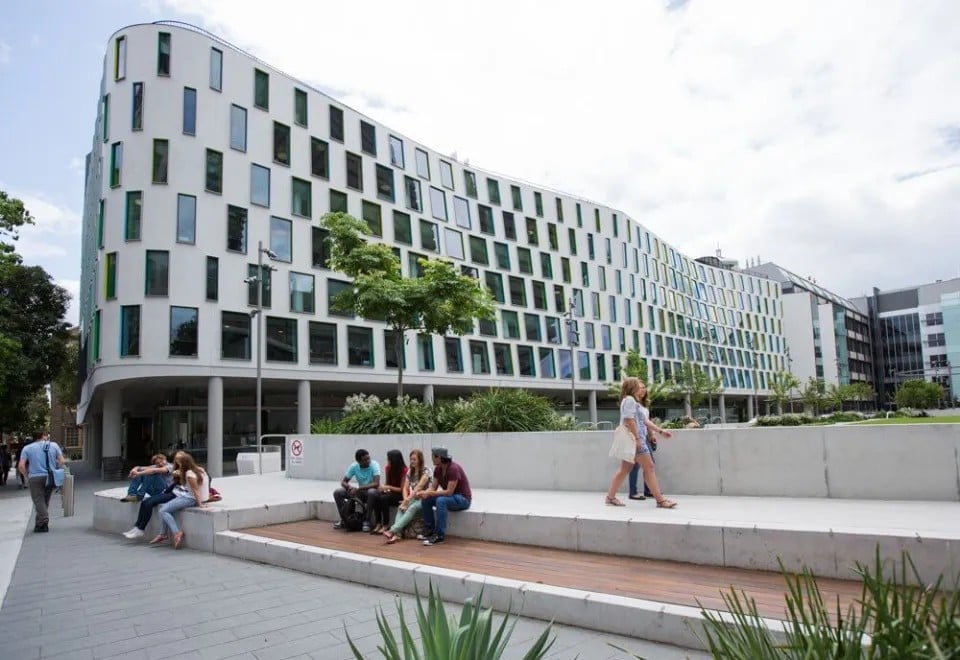
UTS Response to Racism@Uni Study report
Racism in any form is abhorrent and has no place in our university or in the wider communities we support and engage with.

Cultural Diversity and Anti-Racism Action Plan
Core to our vision of being a leading public university is our commitment to being a place that reflects and values the rich diversity of society.

The Call It Out register gives First Nations people a collective voice against racism
When instances of racism are not made public, people have a difficult time acknowledging that racism is an everyday reality for many Australians.
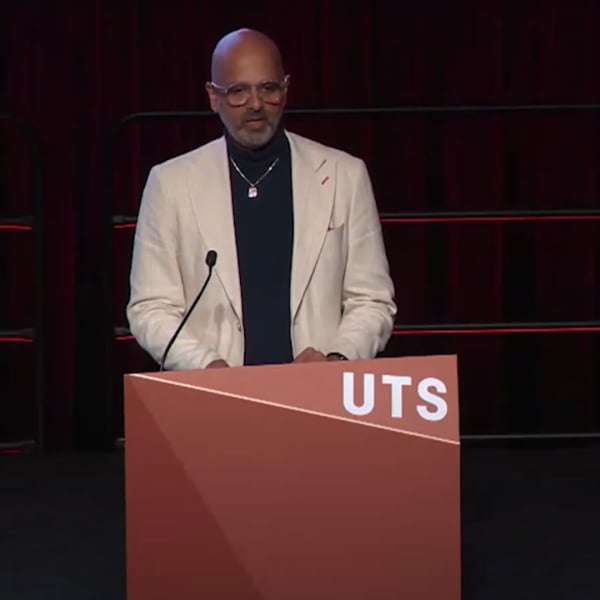
Impact Talks at UTS: Cultivating an anti-racist culture on campus
At UTS, our diversity is our strength, with half of our staff and students born overseas and over 40 per cent coming from non-English language backgrounds. Despite this, universities can still be places where racist conduct and practices occur.
UTS Response to Racism@Uni Study report
Racism in any form is abhorrent and has no place in our university or in the wider communities we support and engage with.
Cultural Diversity and Anti-Racism Action Plan
Core to our vision of being a leading public university is our commitment to being a place that reflects and values the rich diversity of society.
The Call It Out register gives First Nations people a collective voice against racism
When instances of racism are not made public, people have a difficult time acknowledging that racism is an everyday reality for many Australians.
Impact Talks at UTS: Cultivating an anti-racist culture on campus
At UTS, our diversity is our strength, with half of our staff and students born overseas and over 40 per cent coming from non-English language backgrounds. Despite this, universities can still be places where racist conduct and practices occur.