


- Posted on 16 Dec 2025
- 3-min read
This year, the UTS Institute for Sustainable Futures (ISF) worked across borders to advance inclusive, climate-resilient development.
From measuring emissions in sanitation systems to shaping global conversations on WASH and research impact, our International Development team has partnered with governments, NGOs, and communities to deliver practical solutions for a just and sustainable future. Here are a few highlights from 2025 and a glimpse of what’s next.
Program highlights
Emissions Measurement to Improve Sanitation in Indonesia (EMISI)
Researchers in ISF’s International Development team are working with sanitation experts from Indonesia, Australia and the UK to measure greenhouse gas emissions from diverse sanitation systems in Indonesia, and to provide recommendations for improving sanitation while minimising emissions. This project is an initiative of Ministry of Public Works of the Government of Indonesia, supported through DFAT’s Indonesia Australia Partnership for Infrastructure. Find out how the project is going here.
RDI Network Exchange
In July, ISF hosted the international Research for Development Impact (RDI) Network’s conference. Over two days, 130 presenters and hundreds of changemakers from across Australia and the Indo-Pacific came together to take part in a dynamic, innovative and thought-provoking event. See more here.
UNICEF East Asia and Pacific Regional Office Partnership
Since 2023, ISF International Development researchers have worked closely with UNICEF to develop research, knowledge and learning support for water, sanitation and hygiene (WASH) for UNICEF’s regional and country offices. The research and resources focus on three main themes: Climate-resilient WASH services, universal access to safely managed services, and inclusion, gender equality, human rights and accountability.
In 2026, we will keep asking critical questions, explore new and transformational ways of working, and partner with like-minded changemakers to deliver just, sustainable solutions.
Coming up in 2026…
Inclusive energy transitions for Oxfam Australia
This year, ISF International Development team formed a partnership with Oxfam Australia to conduct action learning research that will showcase and strengthen feminist approaches to the renewable energy transition. The project aims to promote inclusive and just energy transitions in Philippines, Indonesia and across ASEAN. A report synthesising the research will be released mid-2026.
"This year, our researchers shaped conversations, defined practical action, and strengthened our regional community for development futures", said ISF International Development Program Lead, Keren Winterford.
"In 2026, we will keep asking critical questions, explore new and transformational ways of working, and partner with like-minded changemakers to deliver just, sustainable solutions."
News
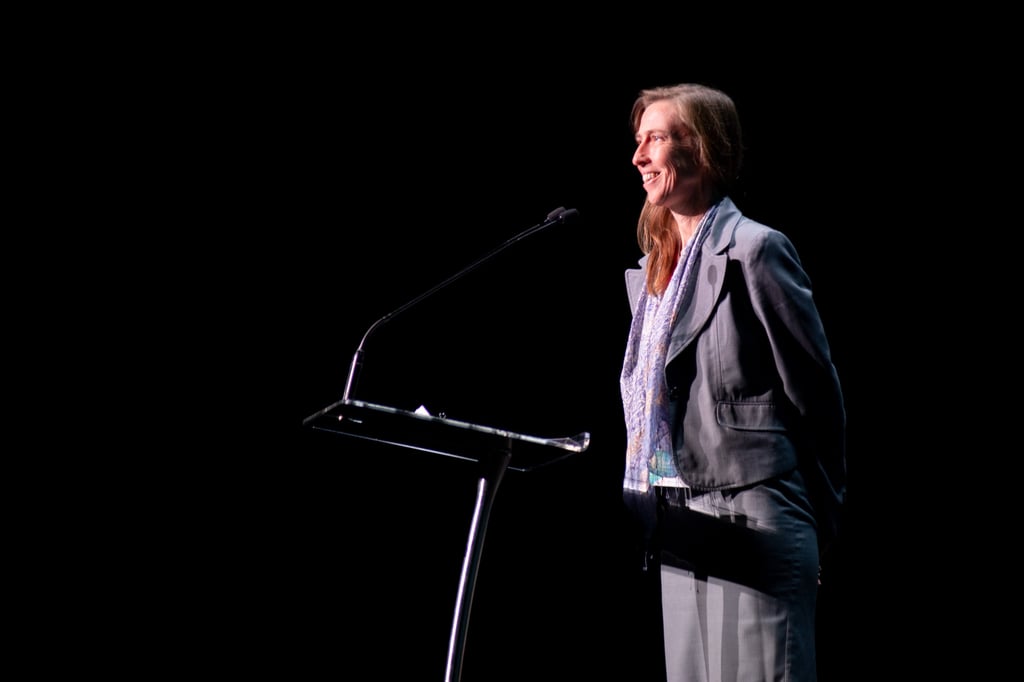
Professor Juliet Willetts appointed UN Special Rapporteur on human rights to water and sanitation
Professor Juliet Willetts will bring more than two decades of water and sanitation research and practice to her new role as a United Nations Special Rapporteur.
News
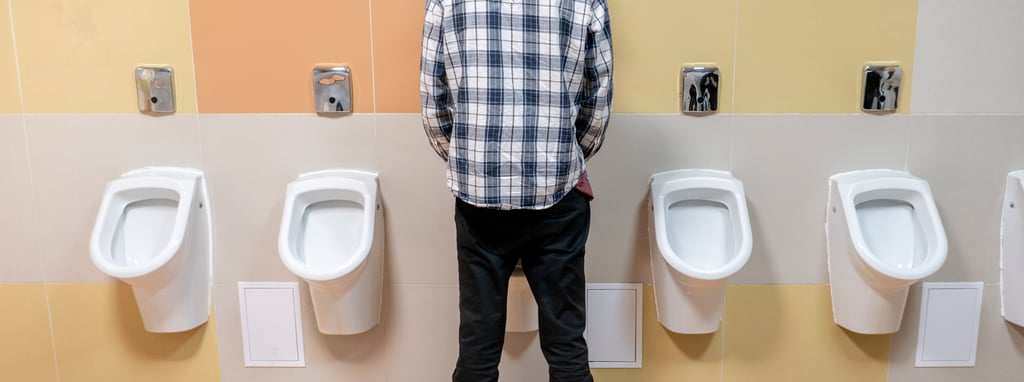
Liquid gold: could we turn our pee into fertiliser?
For thousands of years, human urine has had real value.
News
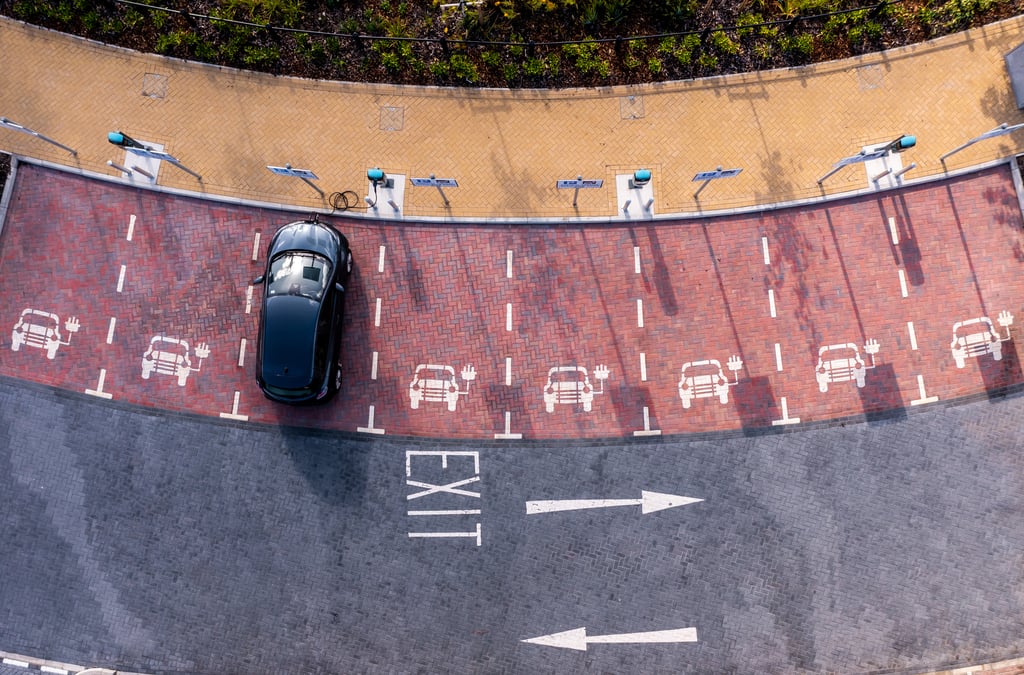
Australia’s EV sales are skyrocketing. Our charging infrastructure may soon struggle to keep up
Tighter regulation and careful planning will ensure our public chargers actually work.
News
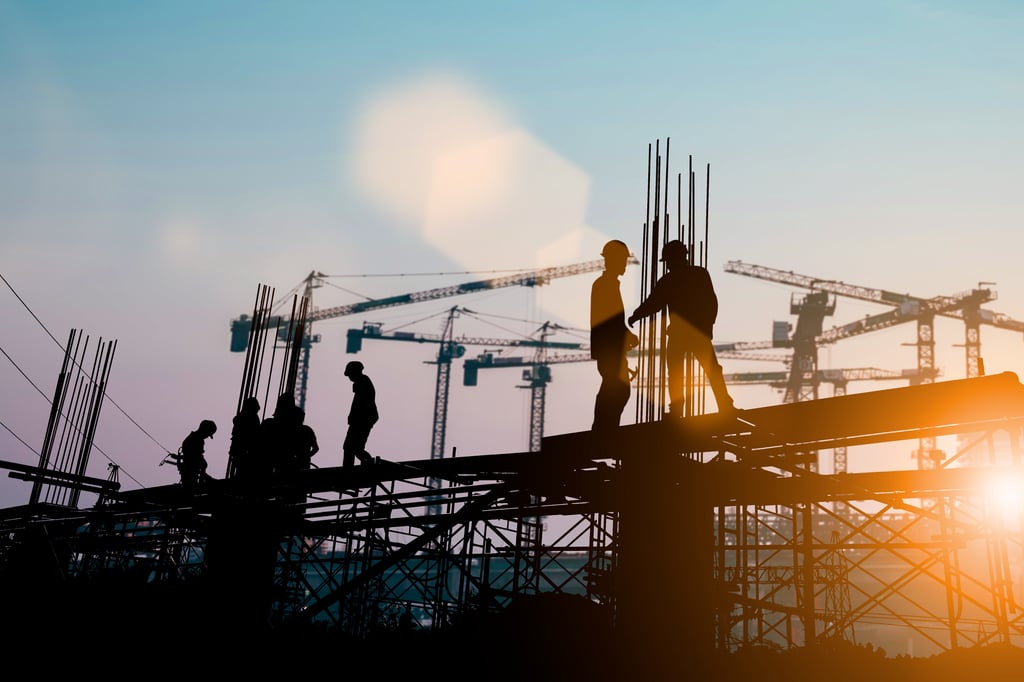
Australia's first roadmap helps investors tackle the hidden carbon in buildings and infrastructure
For years, investors have focused on the emissions generated when buildings are operating.
News
Professor Juliet Willetts appointed UN Special Rapporteur on human rights to water and sanitation
Professor Juliet Willetts will bring more than two decades of water and sanitation research and practice to her new role as a United Nations Special Rapporteur.
News
Liquid gold: could we turn our pee into fertiliser?
For thousands of years, human urine has had real value.
News
Australia’s EV sales are skyrocketing. Our charging infrastructure may soon struggle to keep up
Tighter regulation and careful planning will ensure our public chargers actually work.
News
Australia's first roadmap helps investors tackle the hidden carbon in buildings and infrastructure
For years, investors have focused on the emissions generated when buildings are operating.