


- Posted on 19 Aug 2026
- 3-min read
For years, investors have focused on the emissions generated when buildings are operating.
Now, Australia's first investor guidance on embodied carbon is helping shift attention to the emissions locked into buildings and infrastructure before the lights are even switched on or operations begin.
Developed by the MECLA in partnership with the Investor Group on Climate Change (IGCC), the guidance is the first Australian resource to translate global net zero frameworks into practical actions for investors financing real estate and infrastructure.
Turning global ambition into practical action
The research team reviewed international frameworks, analysed the Australian investment landscape and worked with industry experts to develop a practical maturity pathway for investors. The guidance helps investors:
- measure embodied carbon using Australian tools and benchmarks;
- set credible targets aligned with net zero pathways; and
- reduce emissions through project design, procurement, material selection and finance.
This guidance bridges the gap between global net zero frameworks and practical implementation for Australian investors.
Why it matters
As Australia's electricity grid decarbonises, embodied carbon is expected to become one of the largest sources of emissions from the built environment, increasing from around 16% today to as much as 85% by 2050. At the same time, mandatory climate reporting is making these emissions increasingly important for investors to understand and manage.
"This guidance bridges the gap between global net zero frameworks and practical implementation for Australian investors," the project team said.
By providing a practical, Australian-focused roadmap, the guidance gives investors new tools to reduce climate risk, strengthen long-term asset value and accelerate the transition to lower-carbon buildings and infrastructure.
News
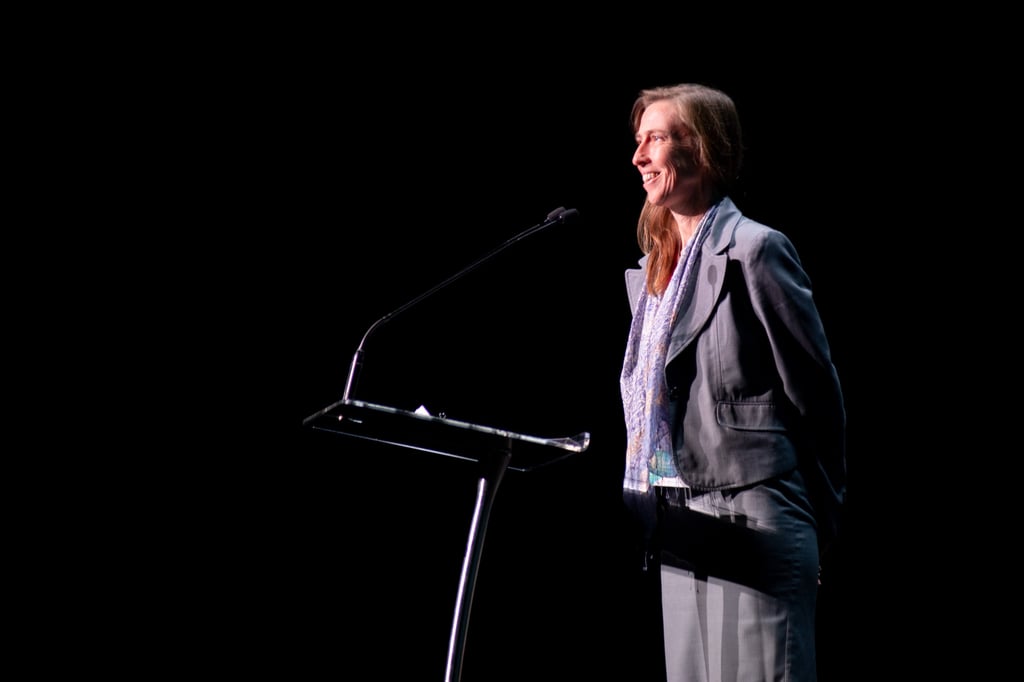
Professor Juliet Willetts appointed UN Special Rapporteur on human rights to water and sanitation
Professor Juliet Willetts will bring more than two decades of water and sanitation research and practice to her new role as a United Nations Special Rapporteur.
News
Liquid gold: could we turn our pee into fertiliser?
For thousands of years, human urine has had real value.
News
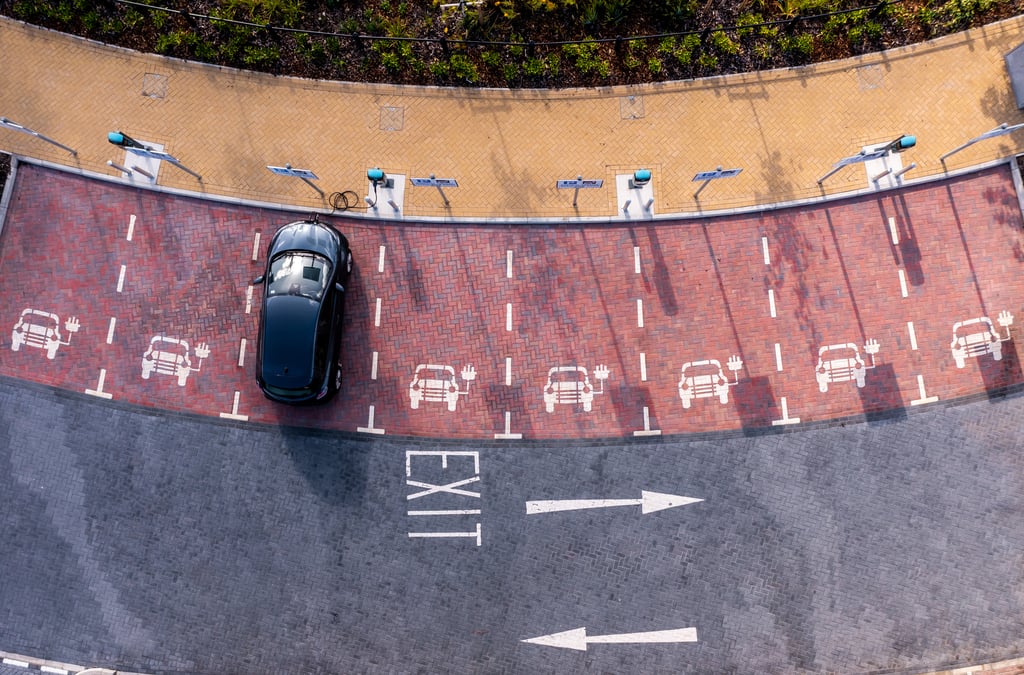
Australia’s EV sales are skyrocketing. Our charging infrastructure may soon struggle to keep up
Tighter regulation and careful planning will ensure our public chargers actually work.

News
Australians brace for higher fuel prices as US‑Iran conflict resumes (again)
The closed Hormuz Strait and a dearth of Russian diesel will trigger further volatility.
News
Professor Juliet Willetts appointed UN Special Rapporteur on human rights to water and sanitation
Professor Juliet Willetts will bring more than two decades of water and sanitation research and practice to her new role as a United Nations Special Rapporteur.
News
Liquid gold: could we turn our pee into fertiliser?
For thousands of years, human urine has had real value.
News
Australia’s EV sales are skyrocketing. Our charging infrastructure may soon struggle to keep up
Tighter regulation and careful planning will ensure our public chargers actually work.
News
Australians brace for higher fuel prices as US‑Iran conflict resumes (again)
The closed Hormuz Strait and a dearth of Russian diesel will trigger further volatility.