


Here are four practical ways to support your child on their journey to university.
Choosing a university is about more than finding the right course. It's also about finding a place where your child can learn, grow, meet new people and prepare for their future. As a parent, you can play an important role in helping them explore their options and make informed decisions about what comes next.
1. Make the most of all five preferences
Your child might already have a dream course in mind, but it's worth thinking beyond a single option.
Students applying through UAC can include up to five course preferences. Encourage your child to use all five and list them in the order they genuinely want to study them, with their preferred course first. Even if a course is lower on their preference list, they can still be considered for it.
Using all five preferences can help keep options open. Consider including related courses with similar subject areas or career outcomes. In some cases, studying a related course may also create opportunities to explore course transfer options in the future.
It's also worth exploring entry schemes and admission pathways. If your child doesn't receive the result they're hoping for, there may still be other ways to reach their study goals.
Preferences can be changed before relevant deadlines, so encourage your child to keep reviewing their options as they learn more about different courses, opportunities and career outcomes.
2. Stay on top of important dates
Year 12 is busy. Between assessments, exams, work, sport and everything else, university deadlines can be easy to miss.
Encourage your child to submit their UAC application before the Early Bird deadline if possible. Applying early doesn’t mean they need to have everything figured out. They can continue researching courses and universities and update their preferences before the relevant deadlines.
Once the application is in, help them keep track of what comes next. Preference change deadlines and offer rounds are particularly important, as your child may want to reconsider the order of their courses as they learn more or receive their results.
The key is to treat their initial application as a starting point rather than a final decision. There’s still time to ask questions, compare courses and make changes along the way.
3. Ask questions and experience university firsthand
University websites are a great place to start, but there’s only so much you can learn from a course page.
Open Days, information sessions and campus events give prospective students the chance to experience a university for themselves and speak directly with the people who know it best.
At UTS Open Day, prospective students and their families can attend course information sessions, meet academics and current students, explore the campus and learning spaces and ask questions about studying at UTS.
Encourage your child to ask questions such as:
- What does a typical week in this course look like?
- What kinds of careers could it lead to?
- Are there internships, placements or other industry opportunities?
- What support is available if I need help?
- What is the student community like?
These conversations can help your child understand not only what they’ll study, but what their day-to-day life at university might actually look like.
And the questions don't have to stop after Open Day. If something comes up later, encourage your child to contact ASK UTS or explore the UTS undergraduate events calendar to find upcoming events and information sessions.
4. Look beyond the course
Finding a course your child is excited about matters. But so does finding a university where they can see themselves spending the next few years.
Start with the practical questions. Where is the campus? How long will the commute take? What are the facilities and study spaces like? If they’re moving away from home, what accommodation options are available, including university residences?
It's also worth exploring the opportunities and experiences available outside the course itself.
University can be a chance to meet new people, discover new interests and build skills and experience for life after graduation. At UTS, students can join more than 180 clubs and societies, take part in sport and social activities and connect with people who share their interests.
Programs such as UTS SOUL and UTS Startups offer other ways to get involved, from contributing to social impact projects to developing entrepreneurial ideas and skills.
Starting university can also mean adjusting to independent learning, managing a new workload, balancing study with work and navigating new financial and personal responsibilities. Knowing what support is available can make that transition easier.
Support at UTS
At UTS, students can access support across different parts of university life, including:
A big decision
Choosing a course and university is a big decision, and it's natural to want to help your child navigate their options.
One of the most valuable ways you can support them is by helping them gather information, ask questions and explore different pathways.
Encourage them to attend university events, speak with careers advisers, do their research and compare their choices. Look beyond course names and entry requirements to the opportunities, support, community and student experience each university offers.
The more they know, the better equipped they'll be to find the right fit for their interests and goals.


Webpage
Why communication matters and simple ways to get better at it
Want your ideas to make an impact? Dr Joshua Pate reveals why communication is key and how to get better at it.

Webpage
What it’s really like to be a sports scientist
Associate Professor Blake McLean shares what sports scientists do, where they work and the skills it takes to help athletes perform at their best.

Webpage
How to study like an elite athlete
Associate Professor Blake McLean, sports scientist and Director of the High Performance Sport program at UTS, shares five lessons students can learn from elite...
Webpage
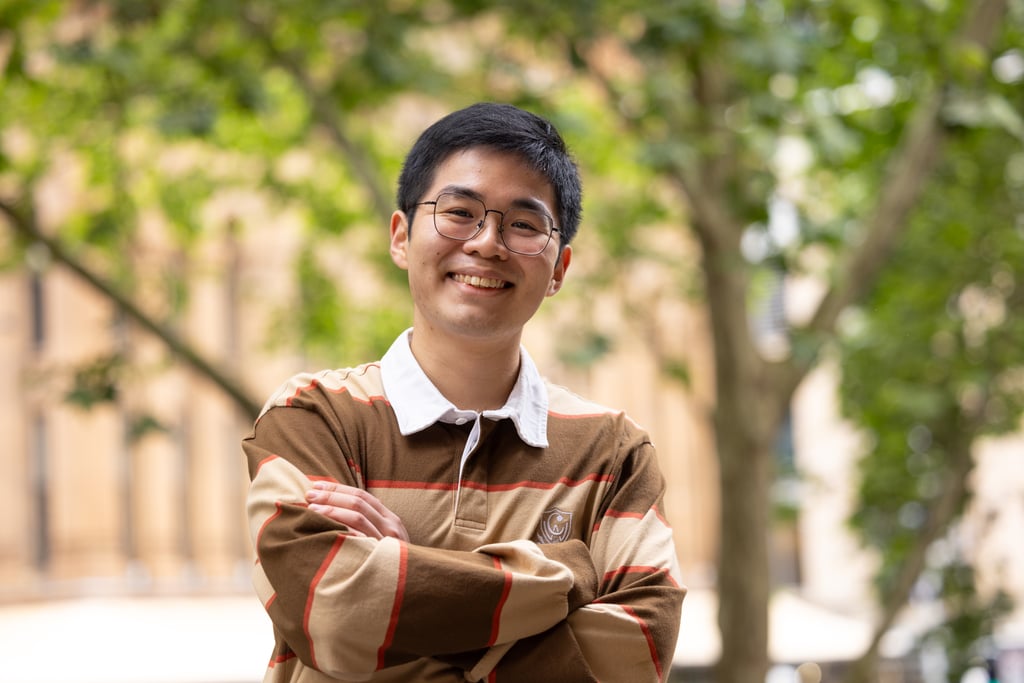
Making the most of university... one yes at a time
When Leon arrived at UTS, he didn't have a detailed career plan. What he did have was curiosity, an open mind and a willingness to say yes to opportunities.
Webpage
Why communication matters and simple ways to get better at it
Want your ideas to make an impact? Dr Joshua Pate reveals why communication is key and how to get better at it.
Webpage
What it’s really like to be a sports scientist
Associate Professor Blake McLean shares what sports scientists do, where they work and the skills it takes to help athletes perform at their best.
Webpage
How to study like an elite athlete
Associate Professor Blake McLean, sports scientist and Director of the High Performance Sport program at UTS, shares five lessons students can learn from elite...
Webpage
Making the most of university... one yes at a time
When Leon arrived at UTS, he didn't have a detailed career plan. What he did have was curiosity, an open mind and a willingness to say yes to opportunities.