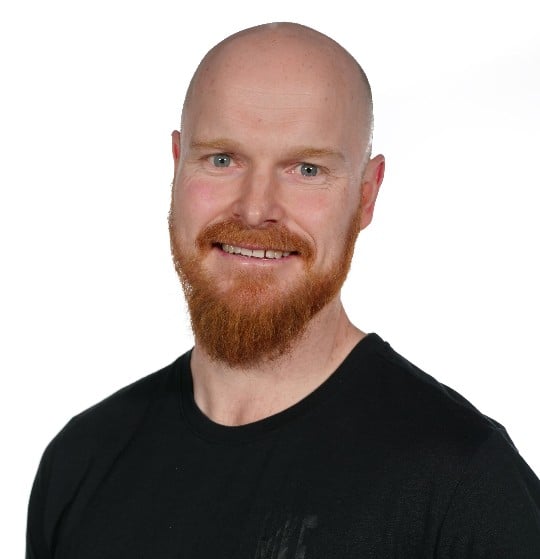
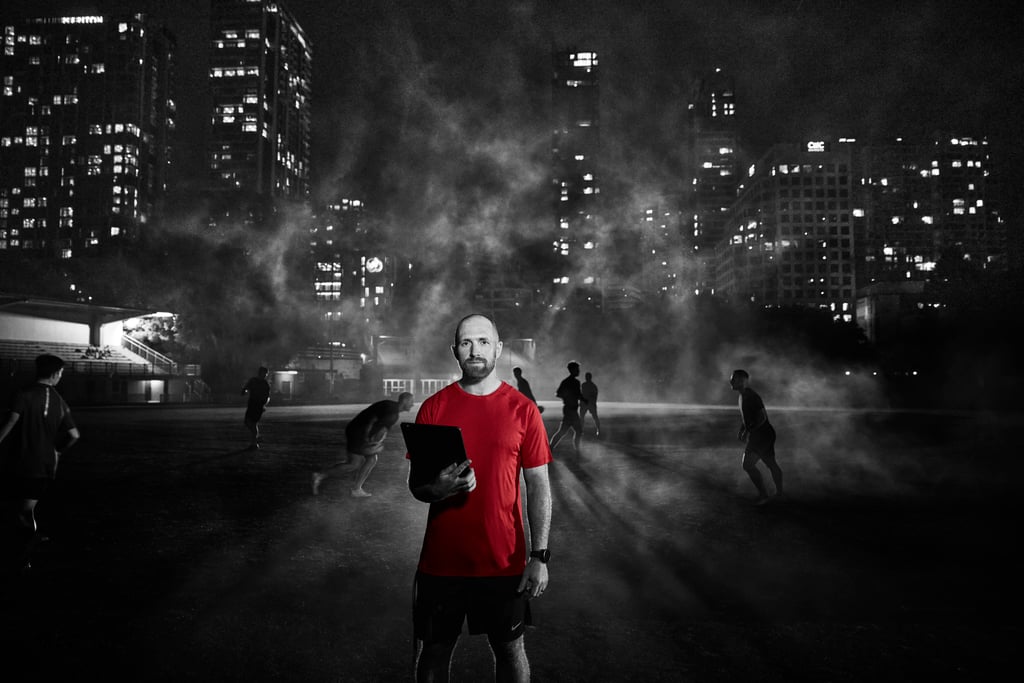
Associate Professor Blake McLean shares what sports scientists do, where they work and the skills it takes to help athletes perform at their best.

When you think of sports science, you might picture elite athletes competing on the biggest stages. But there’s a lot of behind the scenes work that goes into preparing athletes for those moments. 

Associate Professor Blake McLean, sports scientist and Director of the High Performance Sport program at the University of Technology Sydney (UTS), shares what the job really involves – from the day-to-day work and career opportunities to the skills it takes to succeed. 

What does a sports scientist do?

A sports scientist applies scientific thinking to help athletes prepare and perform. They combine information about the athlete with the best available evidence to help guide training and competition. 

A sports scientist’s day-to-day work can vary considerably depending on their role and organisation. In a traditional sports science role, much of the job involves understanding what athletes are doing, how they’re responding, and using that information to help shape and improve each athlete’s training program. 

A sports scientist’s work can include:

  • Developing and monitoring athlete training programs
  • Collecting and analysing performance data
  • Using data to inform decisions
  • Working with athletes, coaches and other performance professionals
  • Applying scientific principles to improve performance

What do you need to study to become a sports scientist?

McLean says the most traditional pathway into sports science is to start with a Bachelor of Sport and Exercise Science. 

From there, students can build their expertise through postgraduate study, such as a Master of High Performance Sport. Those interested in research may choose to complete a research master’s degree or PhD. 

There isn’t necessarily one pathway into the profession. Some people enter sports science from other fields by undertaking further training and developing specialist skills in sports performance. 

There are also a range of career paths within sports science and sports performance. Alongside roles specifically titled Sports Scientist, there are opportunities in strength and conditioning, performance and data analysis, and coaching.

Where do sports scientists work? 

Sports scientists can work across professional and Olympic sport, schools, private performance facilities and other sporting organisations, supporting athletes from amateur through to elite levels. 

There can also be opportunities overseas. In the United States, for example, college sport provides another setting for sports scientists, strength and conditioning coaches and other sports performance professionals. 

“It’s not just the professional team sports, not just the Olympic sports, but goes right across the spectrum from amateur athletes to the elite,” McLean says.

The skills that matter 

Technical knowledge is fundamental. Sports scientists need to understand how to train the body so it responds effectively and supports performance. 

Data skills are also important, as the role can involve processing, interpreting and reporting on large amounts of information. 

But technical expertise is only part of the equation.  

At higher levels of the profession, critical thinking becomes increasingly valuable, particularly when applying scientific concepts in real-world sporting environments. 

Sports scientists also work with athletes, physiotherapists, doctors, coaches and administration staff from a range of backgrounds, making communication a key part of the job. 

Really developing your ability to communicate with all sorts of different groups is key to your work having an impact as a sports scientist.

Associate Professor Blake McLean

What to be mindful of 

Working in sport can be exciting, but it doesn’t always fit neatly into a traditional working week. 

“It’s certainly not a 9-to-5 job,” McLean says. Travel and unusual working hours can become challenging over a long career, particularly when combined with the pressure of high-performance sport. 

The pursuit of better performance can create a demanding environment for athletes and the professionals supporting them. And while big game days and major sporting events might be the most visible part of the industry, McLean says they represent only a small part of the work. 

Most of it happens behind the scenes, supporting athletes through the consistent work required over long periods of time.

What makes sports science rewarding?

For McLean, one of the most rewarding parts of sports science is seeing people benefit from the work. 

In a sports performance setting, that can mean being part of a team supporting athletes to work towards their goals. In research, the impact can be broader, with research helping coaches and other sports scientists develop better programs that can ultimately benefit athletes. 

“I really enjoy seeing people get benefit out of the work that we’re doing, working towards their own goals and achieving better performance,” McLean says. 

McLean’s biggest piece of advice for anyone considering a career in sports science is simple: get involved. 

The great thing about sport is that it exists at many different levels, creating opportunities to start learning about the industry early. Coaching and getting involved in club or community sport can help you build experience and understand how the industry works. 

“The more you can get involved and then support that with your education, that’d be my biggest piece of advice,” McLean says. 

He also encourages aspiring sports scientists to develop their communication skills. It’s something he wishes he had understood earlier in his own career. 

Rather than being something you either naturally have or don’t, McLean sees communication as a skill that can be developed – and one that can make your work more impactful throughout your career.


Share

Featured researcher

Blake McLean

Associate Professor, Faculty of Health
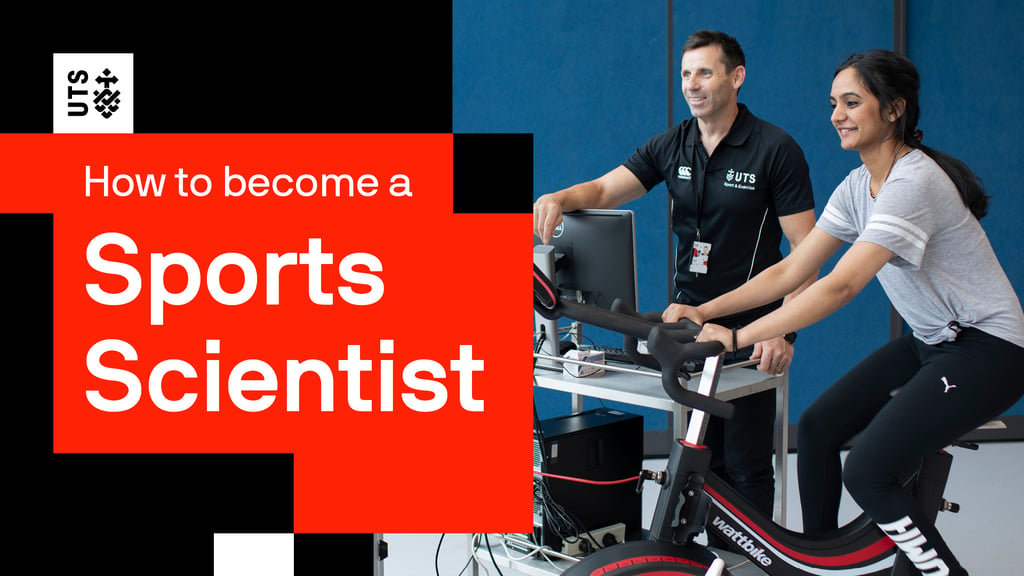
How to become a sports scientist_Blake McLean_YouTube thumbnail

Associate Professor Blake McLean on becoming a sports scientist

From what sports scientists do, to the settings you can work in, the skills you need and the challenges you’ll face.

Associate Professor Blake McLean on becoming a sports scientist transcript

How to become a…  
Sports Scientist 
With Associate Professor Blake McLean 
 
Duration 7min 7sec 
 
00:00:00:02 - 00:00:21:13 
Blake McLean 
Hi, I'm Blake McLean, a sports scientist and director of our High-Performance Sport Program here at UTS. Have you ever wondered what it takes to be a sports scientist? Today I'll be answering your questions. Let's get started. What is sport science? Sport science is all the science that goes in behind preparing athletes to perform at their best on the field, on the track, on the court or in their competition. 
 
00:00:21:15 - 00:00:45:07 
Blake McLean 
What do I need to study to become a sports scientist? The most traditional pathway to becoming a sports scientist is starting with the Bachelor of Sport and Exercise Science. There's then a range of postgraduate options, our Masters of High-Performance sport being one of them. You might go down a research track, be it Masters by research or PhD, or sometimes you come from an alternative field, feed into this training and then go down the path of honing your skills as a sport scientist. 
 
00:00:45:11 - 00:01:09:13 
Blake McLean 
What different settings can sport scientists work in? As a sport scientist, you can really be working anywhere where there's athletes, that can be from professional team sports, Olympic sports. But also think about high schools, which have a range of athletes trying to develop themselves to perform at their best. Other growing avenues are private facilities, a range of people setting up facilities that might help amateur athletes trying to improve themselves to get to the next level. 
 
00:01:09:14 - 00:01:31:10 
Blake McLean 
If we think about overseas sports, sometimes there's other opportunities that exist overseas. An example of this is the college sports setting in the US. There's lots of sports scientist, strength and conditioning coach and sports performance professionals who work in that setting to help athletes perform at their best. So there's a wide range of settings that might be available to you as a sports scientist or sports performance professional. 
 
00:01:31:12 - 00:01:52:00 
Blake McLean 
It's not just the professional team sports, not just the Olympic sports, but goes right across the spectrum from amateur athletes to the elite. What different roles are there in sports science? So for some people, their actual job title is Sports Scientist. And in those roles usually utilising data and information, using it to plan out the program moving forward for the athletes. 
 
00:01:52:03 - 00:02:08:16 
Blake McLean 
Then there's a range of people around that. So you might be the strength and conditioning coach riding the program in the gym, coaching the players through that program. Or you might write the running program happens out on the field for an AFL athlete for instance, happens on the court for a basketball athlete or on the track if you're a runner. 
 
00:02:08:17 - 00:02:31:20 
Blake McLean 
A little bit related is our performance analysts and our data analysts. Usually they're a little bit more focused on the technical and tactical aspects of a sport. It's supporting the coaching group to implement the program. Again, looking at the sports performance on the field, on the track, on the court. Then of course we have our coaches. The coaching pathway is usually very sport specific, focused in on developing a deep technical or tactical knowledge. 
 
00:02:31:22 - 00:02:51:22 
Blake McLean 
But in learning about the sport sciences that helps you apply the concepts which you got a support overall for performance. What does a sport scientist do in their day to day work? This can vary widely depending on the role that you hold within the organisation you're working in. But perhaps we might think about the most traditional sports scientist, where you're collecting information about what the athletes are doing, 
 
00:02:52:00 - 00:03:15:00 
Blake McLean 
analysing that information, then feeding it back into a system to help develop their program moving forward. To do that, you first have to put together the program. So you might talk to the coaches, the physiotherapists, the strength and conditioning coaches. Perhaps the athletes themselves put together the program and then go about executing that program. As you execute the program, you want to collect information about how the athletes are doing it. 
 
00:03:15:00 - 00:03:35:14 
Blake McLean 
There's lots of different information that you can pull together during the training sessions to feed that back into the system and inform the subsequent decisions about what the athletes are going to do. What skills are important for a sports scientist to have? The first step here is really a deep technical knowledge. How do we understand how to train the body so that it responds the best and we can get the best performance outcomes? 
 
00:03:35:15 - 00:03:55:06 
Blake McLean 
The next layer, I think, is communicating with all sorts of different people. If you're a sports scientist, you're going to be interacting with the athlete, the physios, the doctors, the coaches, the administration staff and that can be people from a range of different ages in a range of different backgrounds. So really developing your ability to communicate with all sorts of different groups is key to your work 
 
00:03:55:06 - 00:04:21:03 
Blake McLean 
having an impact as a sports scientist. A lot of sports science includes collecting a vast amount of information, often from different sources of data. So data skills and ability to process data and report on that data is usually a key skill in sports science. Then at the highest levels of sports science, really developing your critical thinking and ability to apply scientific concepts in the real world is key to setting yourself apart as a really impactful practitioner. 
 
00:04:21:03 - 00:04:40:16 
Blake McLean 
What challenges the sport scientists face in their work? One of the biggest things that stands out is when the sport's are played. It's certainly not a 9 to 5 job, and that's one of the biggest things that people find stressful. Travel demands, working at weird hours can become stressful when you have this over a long career. Combined with that is the relentless pursuit of winning and high performance. 
 
00:04:40:21 - 00:05:01:20 
Blake McLean 
It's a high pressure industry, often very visible, and the demands to perform at your best are relentless. This obviously applies to the athletes, but when you're a sports scientist, there's also pressure for you to perform at your best so that everyone within the organisation is getting the best outcomes possible. Sometimes fun, but also stressful. And that's one thing to consider about the environment of being a sports scientist. 
 
00:05:01:22 - 00:05:19:16 
Blake McLean 
What's your favorite part of being a sports scientist and researcher? For me, I think it's the people at the center of the work that we do. A lot of people that get into our field are really passionate about helping others achieve their goals. Often it's athletes at the center that, you know, we've got this team of people trying to support athletes to perform at their best. 
 
00:05:19:16 - 00:05:40:06 
Blake McLean 
But when we move into the research realm, that expands a little bit. So a lot of our research is trying to help coaches or other sports scientists implement better programs that then subsequently help the athletes. And I really enjoy seeing people get benefit out of the work that we're doing, work towards their own goals and get better performance, perhaps because of something we've done earlier on. 
 
00:05:40:09 - 00:06:03:02 
Blake McLean 
What is the biggest misconception that people have about working in sports science? I love this one because I think people often think about the glitz and glam of sport as being the core of sports science. Those big game days in the big arenas on TV are certainly nice, but that's a very small portion of the work, and most of it is in behind the scenes helping the athletes who the hard work at doing that day in and day out for long periods of time. 
 
00:06:03:04 - 00:06:29:15 
Blake McLean 
What's your best piece of advice for someone considering a career in sports science? My biggest piece of advice would be to get involved. Sports everywhere in Australia and at so many different levels. So get involved early. Start to understand the industry. Coach where you can. If you want to be coaching athletes into the future or being a sports scientist, that really helps early on, but the more you can get involved and then support that with your education, that'd be my biggest piece of advice. 
 
00:06:29:21 - 00:06:51:03 
Blake McLean 
What do you wish you knew when you were first getting started in your career? I wish someone had told me how important your communication skills are in all different realms. For lots of different professional careers. Sometimes I think we think about this is coming naturally, and you either have it or you don't. But I think that communication skills are something that you can develop and something that impacts us no matter what field of work we're in 
 
00:06:51:03 - 00:07:04:04 
Blake McLean 
and communicating in all sorts of different ways is really key to your work being impactful. That was all the questions for today. If this got you interested, please visit the UTS website, search sport and exercise science to find out more about working in this field. 

Interested in Sports Science?

Explore UTS courses in Sport and Exercise to find out where this field can take you.

Student stories and news

Webpage

Driving on-field success through science

Tom's efforts have seen him share in the glory of four consecutive premiership victories.

Webpage

Elevating the game for women in sport

Georgia Brown's closing gender research gaps and opening doors for women in sport.

Webpage

Changing careers to midwifery: Why Sarah went back to study

When it comes to midwifery, a bit of life experience can go a long way.

Webpage

For the love of the game

For some, sport is a hobby. But it can also be a career.