


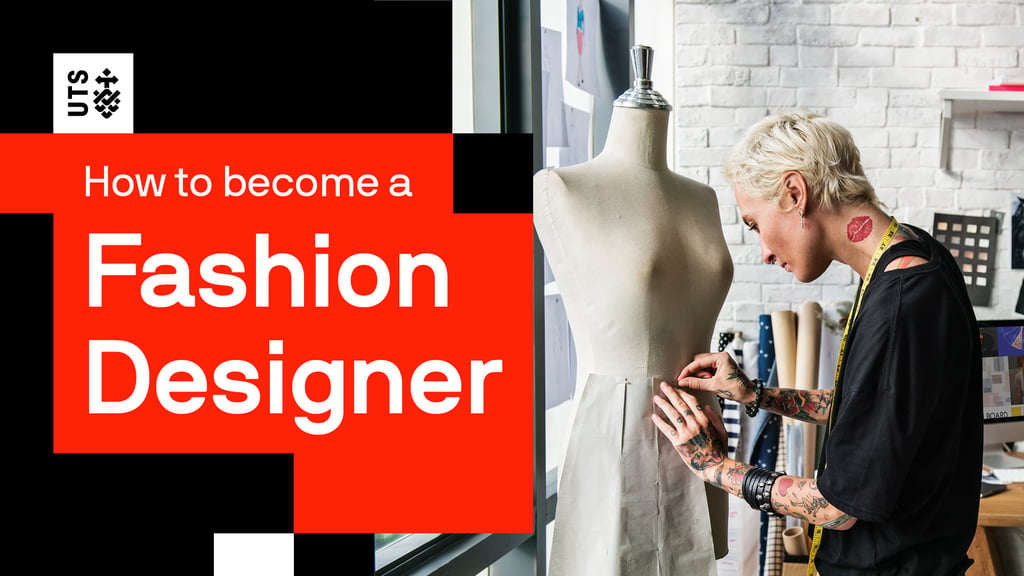
Associate Professor Timo Rissanen explores what you study in fashion, the careers it can lead to and what designers really do in practice.
Fashion is often associated with runways, trends and finished garments. But behind every collection is a process grounded in research, experimentation and technical skill.
For Associate Professor Timo Rissanen, a fashion and textiles researcher and academic at the University of Technology Sydney with more than 25 years of industry experience, design begins long before anything is made.
“Fashion design is the creative process of doing concept research and then using that research to develop ideas for new garments with a target audience in mind,” he explains.
Those ideas are then sketched or otherwise communicated so they can be developed into garments.
What is fashion design and what do fashion designers do?
Fashion design brings together creative thinking and technical development. It begins with concept research – exploring culture, art, performance, music or everyday life – and using that to spark ideas for design concepts and themes, materiality and colour palettes, and eventually for new garments.
As Rissanen puts it, “it’s about finding something that unlocks your own creative thinking and then coming back to the studio to translate those ideas into three-dimensional garments.”
From there, the work becomes hands‑on. Designers move into the studio to shape garments in three dimensions. They may work with a pattern maker or draper, or take on those roles themselves, refining garments with fit models and collaborating with production managers to ensure designs are manufactured appropriately.
In practice, the work can include:
- Concept and visual research
- Colour palette development
- Sketching and communicating ideas
- Textile experimentation
- Pattern making and draping
- Garment construction
- Fitting and refining garments
- Working with production teams
What do you need to study to become a fashion designer?
A university degree is a common pathway into the field. At UTS, the Bachelor of Design in Fashion and Textiles prepares students for careers in fashion design and related areas.
Students build technical skills in pattern making, draping, garment construction and textile design across both printed and constructed textiles. They also develop research capabilities and contextual thinking, helping them identify their strengths and shape their own design approach.
While many Bachelor of Design in Fashion and Textiles graduates become designers, the qualification can also lead to a range of roles across the fashion industry.
A design degree can lead to roles such as:
- Fashion designer
- Production manager
- Textile designer
- Merchandise planner
- Fashion buyer
- Fashion forecaster
- Creative director
- Retail manager
- Brand manager
What skills are important for a fashion designer?
Technical skills are important. Pattern making, draping and sewing give designers the ability to bring their research and ideas into three dimensions.
But for Rissanen, technical ability is only part of the picture.
“I do think that curiosity and having an open mind about the world, and an open mind about our relationship to clothing is really important,” he says.
Designers need to understand how people experience clothing and the contexts in which garments are worn.
“Developing that awareness takes time, but it becomes central to designing garments that resonate,” he says.
What challenges do fashion designers face?
Fashion is a competitive industry. For Rissanen, that reality makes self-understanding especially important.
“I think that’s where it really helps to understand what kind of a designer you are. What are your strengths, what are the things that set you apart from others, and how can you amplify those in your work,” he says.
Rather than trying to do everything, he encourages emerging designers to focus on what they do well and build from there.
As an educator, this is something he works on closely with students.
“I really help my students figure out what it is that they are really good at and then we help them promote themselves in that way as they leave the university and enter the workforce.”
In a crowded field, knowing your strengths and learning how to communicate them becomes part of establishing yourself professionally.
Advice for future fashion designers
For Rissanen, working in fashion begins with genuine interest.
“I love fashion. Fashion is this amazing thing that helps us express ourselves,” he says.
“That magic will never wear out for me.”
Clothing can transform how we feel in an instant. That ongoing fascination – what is it about clothes that makes us feel in a particular way – continues to shape both his design practice and research.
For those considering the field, his advice returns to curiosity and being open.
“Keeping an open mind about your own relationship to fashion, because that can help you see the way that other people relate to fashion and the way that other people experience fashion.”
Pursuing fashion, he suggests, is not only about developing technical skill. It is about staying interested in people, in context and in the expressive power of clothing.
Contributor

Professor, Faculty of Design and Society
Webpage
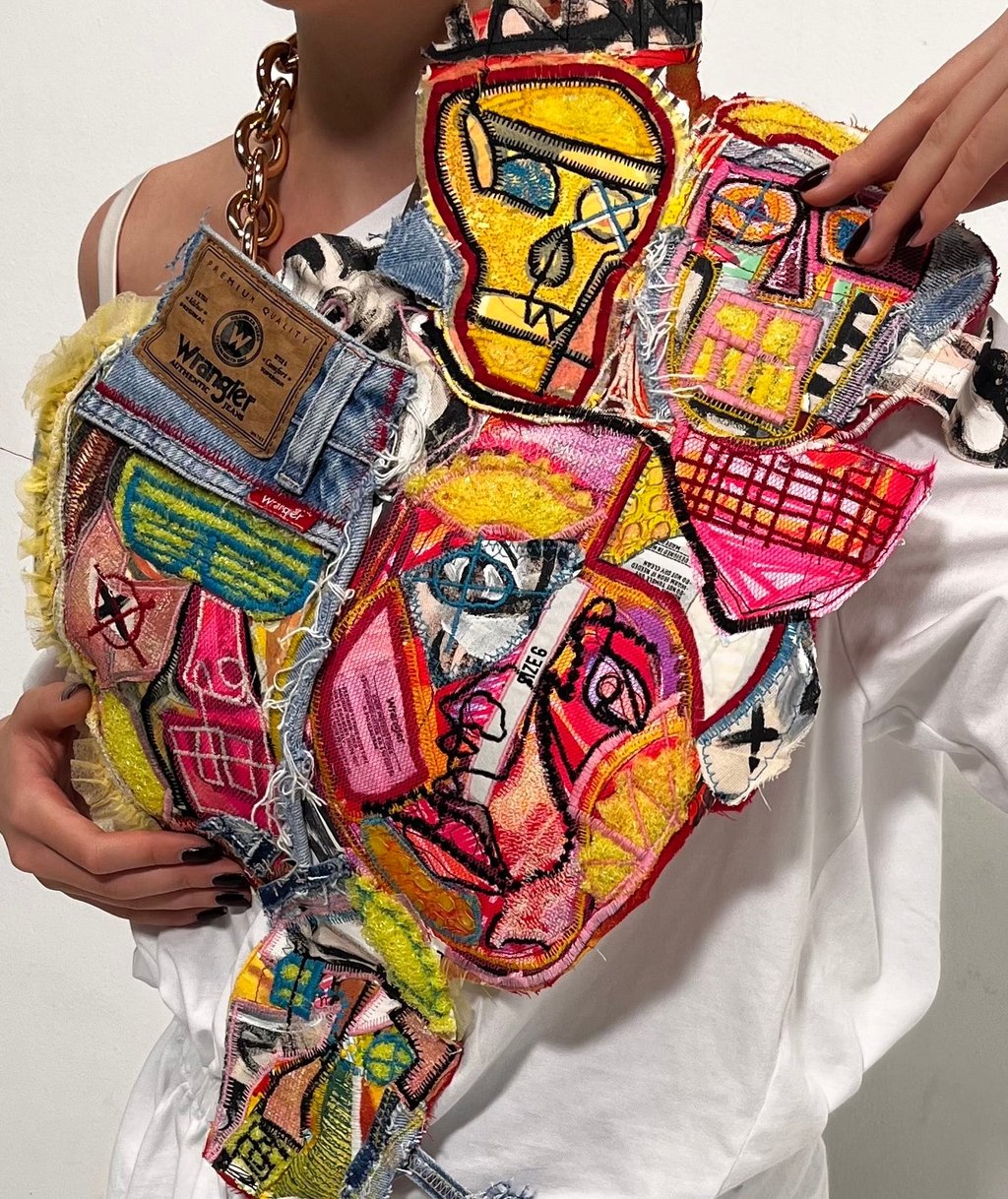
How one student is designing her future career in fashion
Mentorships and cross-disciplinary collaboration are helping fashion design student Alex Maccoll find her perfect career path.

Webpage
6 careers that will be crucial for addressing climate change
UTS’s Professor Chris Turney shares his thoughts on the careers and job titles that have the most potential to act on climate change now and into the future.
Webpage
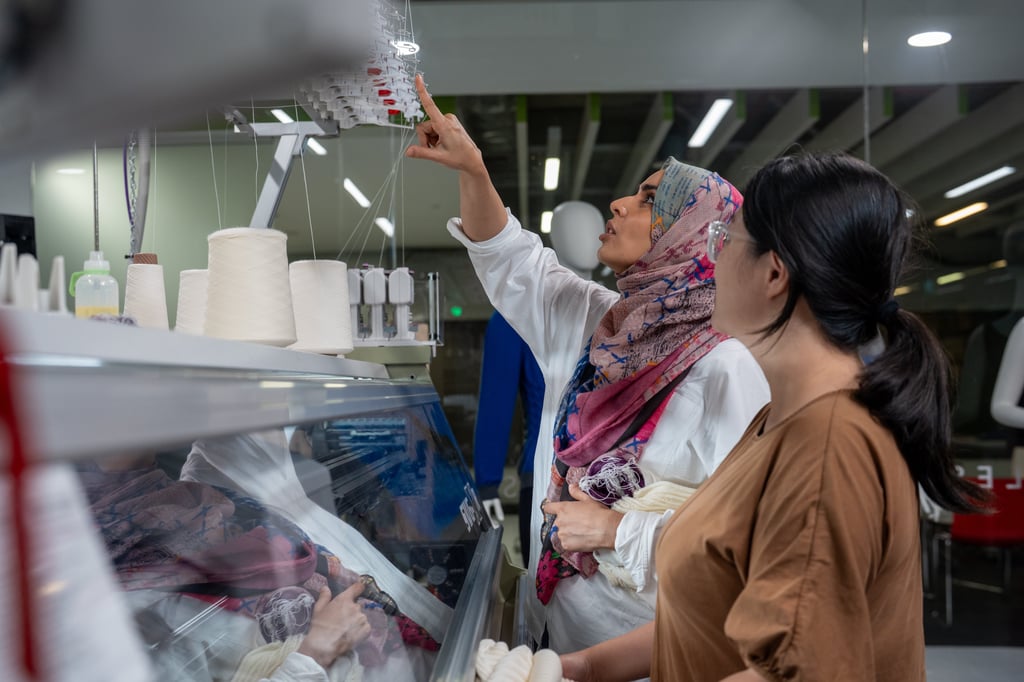
Careers in fashion that aren’t being a designer
Want to work in fashion but don’t see yourself as a designer? The industry is full of exciting, essential roles beyond the sketchpad.

Webpage
The future of film in Australia
The screen industry is evolving fast, driven by new technologies and fresh storytelling formats. Associate Professor Alex Munt from UTS breaks down the key...
Webpage
How one student is designing her future career in fashion
Mentorships and cross-disciplinary collaboration are helping fashion design student Alex Maccoll find her perfect career path.
Webpage
6 careers that will be crucial for addressing climate change
UTS’s Professor Chris Turney shares his thoughts on the careers and job titles that have the most potential to act on climate change now and into the future.
Webpage
Careers in fashion that aren’t being a designer
Want to work in fashion but don’t see yourself as a designer? The industry is full of exciting, essential roles beyond the sketchpad.
Webpage
The future of film in Australia
The screen industry is evolving fast, driven by new technologies and fresh storytelling formats. Associate Professor Alex Munt from UTS breaks down the key...