Studying for an exam and training for elite sport might seem worlds apart. But when it comes to performing at your best, they have more in common than you might think.

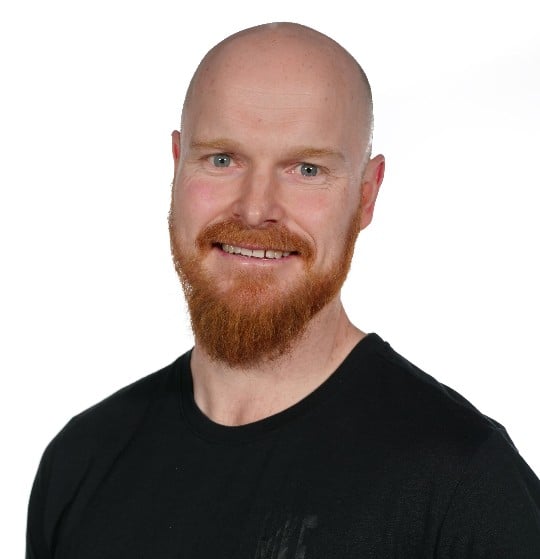
Associate Professor Blake McLean, sports scientist and Director of the High Performance Sport program at UTS, shares five lessons students can learn from elite athletes and apply to their own studies.

1. Set a goal, then focus on the process 

Elite athletes don't just focus on the result they want to achieve. They also set goals around the process that will give them the best chance of getting there. 

McLean says students can take the same approach by distinguishing between an outcome goal – what you ultimately want to achieve – and process goals – the actions you can take to work towards it. 

Getting a high distinction might be your outcome goal. But when you sit down for an exam, you can't completely control whether you'll execute everything perfectly. What you can control is your preparation: how much you study, how consistently you study and how you apply yourself. 

“If you only have the outcome goal, it can be a little bit disheartening if you don't achieve it,” McLean says. 

“Process goals can help build confidence because they focus your attention on things you can control and improve, rather than outcomes that aren't entirely up to you.” 

It also helps to understand why the goal matters to you in the first place. McLean says being able to articulate that reason can provide a powerful anchor to come back to when the process gets difficult.

2. Train consistently 

An athlete wouldn't expect to prepare for a major competition by cramming weeks of training into the night before. High performance comes from work accumulated over time, and McLean says students can approach study in much the same way. 

“You have the plan and you stick to it,” he says. 

Consistency is often easier when you're not doing it alone. Team-sport athletes have coaches, support staff and teammates around them, but even athletes who compete individually often form teams to train together, set goals, stay motivated and hold each other accountable. 

Students can create their own version. Find classmates to study with, share your goals and check in on each other's progress. Subject coordinators, friends and family can also provide support along the way. 

In sport, athletes often taper their training before competition so they arrive fresh, rested and ready to perform. The hard preparation has already happened. 

It's a useful way to think about exams too: the goal isn't to cram at the last minute but to put in the work consistently so you're ready when it counts.

3. Practise for the performance 

Athletes don't just practise a skill. They also prepare for the conditions in which they'll need to use it. 

If you're preparing for a presentation, for example, try delivering it in front of other people so you experience some of the pressure you'll face on the day. If you're studying for an exam, start by reviewing your notes, then put them away and test what you can recall. 

“If you go back to your notes every five minutes, that's not representative of what an exam situation is like,” McLean says. 

The key is to challenge yourself without making the task so difficult that it becomes discouraging. In sport, McLean refers to this as challenge point theory: pushing yourself beyond your current level, but not so far that the challenge becomes overwhelming. 

4. Remember that more isn't always better

Recovery is a deliberate part of an athlete's training program.  

“In sport, we focus more on the quality of the training that you do, because more, more, more only gets you so far,” McLean says. 

The same applies to study. Pushing through more hours when you're exhausted isn't necessarily the best preparation. Sleep and recovery help you return to your work better able to focus and apply yourself. They're also important for learning, helping your brain process and retain information. 

That's why McLean suggests being as intentional about recovery as you are about the work itself. Rather than treating rest as something you'll get to when everything else is finished, make it part of the plan from the beginning. 

Everyone's circumstances are different, but McLean says it's important to make time for physical, social and emotional recovery too.

5. Review, adapt and go again 

Elite sport rarely unfolds exactly according to plan. Athletes have to review their performance, respond to what happens and adapt. 

McLean suggests taking the same intentional approach to study. After an exam or assessment, don't look only at the mark. Ask yourself: Did I have a clear goal? Did I follow my plan? What worked, and what didn't? 

Importantly, review the decisions you made based on what you knew at the time, rather than judging yourself with the benefit of hindsight. 

Then use what you've learnt to improve your approach next time. Maybe you planned to study after work but found you were consistently too tired to concentrate. You might try a different time and see whether it works better. 

Routines can be useful, but McLean cautions against making them too rigid. Be willing to change things when needed – but change them intentionally. 

That's another skill athletes train. Sport is unpredictable, so athletes practise responding to situations where they don't know exactly what's coming. 

Study can be unpredictable too. An exam question might not be what you expected, a presentation might take an unexpected turn or other commitments might disrupt your plan. Learning to adapt is part of performing well.

You don't have to be elite at everything

Elite sport also offers a lesson in what it takes to pursue something meaningful: commitment, hard work and, at times, sacrifice. 

At the highest level, athletes know there will be sacrifices involved in pursuing their goals. Starting a university degree is a commitment too. There will be times when study needs to take priority, when you need to put in the work even when you don't feel like it, or when other things have to take a back seat. 

But studying like an elite athlete doesn't mean treating every part of university as an all-or-nothing pursuit. 

“It's okay not to be absolutely elite in everything that you're doing,” McLean says. 

Instead, think about what matters to you, what you're trying to achieve and what you're prepared to put into it.

Share

Featured researcher

Blake McLean

Associate Professor, Faculty of Health
Health Curious Blake McLean thumbnail

Want to hear more from Associate Professor Blake McLean?

Check out our Curiosities episode where he unpacks what everyday people can learn from elite athletes about health, performance and recovery.

Want to hear more from Associate Professor Blake McLean? transcript

Curiosities  
Health Curious 
What can we learn from elite athletes? 
With Associate Professor Blake McLean 
 
Duration 11min 29sec 
 
00:00:00:00 - 00:00:06:22 
Blake McLean 
 
Hello curious people. I'm Blake McLean, sports scientist and director of our High-Performance Sport Program here at UTS. 
 
00:00:06:24 - 00:00:18:19 
Blake McLean 
 
This is health curious. 
 
00:00:18:21 - 00:00:36:21 
Blake McLean 
 
Let's get started. How does exercise help me perform better in all aspects of my life? So I like the framing of this question, because the point is that exercise can impact all different aspects of your life. So kind of the way we think about it is all of us are performers in our own right. We all have different things in our life that we want to, quote unquote, perform at. 
 
00:00:36:23 - 00:00:58:14 
Blake McLean 
 
And that might range from being an Olympic athlete to playing with your kids to studying for uni or anything in between. Whatever it is, exercise can help build the capacities, both physical and mental, to help us execute our performance in that realm. What can everyday people learn from the way elite athletes train and recover? Definitely an interesting question. 
 
00:00:58:14 - 00:01:14:22 
Blake McLean 
 
And I would say, I think the biggest thing about the way that athletes go about it is they're intentional about the way that they train and recover. So from an athlete perspective, things we think about in setting up your wake is how many days am I going to train? What days am I going to train hard? What days do I need to recover?
 
00:01:14:23 - 00:01:30:21 
Blake McLean 
 
Because maybe I've trained hard in the previous day and then when I do go train, what are the things that I'm going to do that are going to help me achieve my goals? So you might be thinking, how can I design my training week like a professional athlete? The idea is, what can I realistically achieve? What do I enjoy doing? 
 
00:01:30:23 - 00:01:44:22 
Blake McLean 
 
How can I push myself a little bit? Because I know that's going to help me into the future. And then how does that fit together with everything else I have going on in my life? Halfway to doing the same thing. It's just the main thing they have going on in their life is their sport. So they might be training seven days a week. 
 
00:01:44:24 - 00:02:03:19 
Blake McLean 
 
You might say, I have 3 or 4 days a week and I have a pocket of time that's 30 or 40 minutes. And how can I make the most of that to support me in my other endeavors? And then when it comes to recovery, sleep, nutrition, having some downtime and relaxation time are all super important components to best support our physical, mental, and emotional health. 
 
00:02:03:21 - 00:02:19:22 
Blake McLean 
 
Why do I always hit an energy slump in the afternoon? A little bit of a tough question, this one because there's so many factors that go into it. I think that if you are integrating exercise into your life, that can help you in all sorts of different ways, including making you feel more energetic and have more sustained energy throughout the day. 
 
00:02:19:24 - 00:02:37:24 
Blake McLean 
 
But this one is tied into nutrition as well. So what are you eating throughout the day? Do you have some sustained release of energy? And there's a whole range of things you can look at into nutrition that might support you throughout the day. But probably what I think is, is one big thing that impacts people is, are you well rested enough and have you had enough sleep recently? 
 
00:02:38:01 - 00:02:56:03 
Blake McLean 
 
And if so, then you're much less likely to hit a slump in the middle of the afternoon. So that's something that I think we constantly need to ask ourselves. Challenging for all different reasons. But that can be one of the biggest things playing into an energy  
 
slump in the middle of the afternoon. Can exercise really help me think more clearly and concentrate better? 
 
00:02:56:07 - 00:03:16:22 
Blake McLean 
 
Yes. Is the answer. And there's multiple different ways in which that works. So if we're fitter, we know that that helps us over the long term and helps us concentrate better. But there's also an immediate effect of exercise. So say you're in the middle of the work day. You've been sitting at your desk all day. Getting up and going for a walk can help us concentrate better throughout the next little period. 
 
00:03:16:24 - 00:03:32:23 
Blake McLean 
 
Even if that's a five minute walk, that can really have an impact on what happens in the coming hours. The reason for that is even just a little bit of exercise changes all sorts of hormones in our body. Those interact in different ways, and they can help us not only from a physical standpoint, but also from our mental clarity and concentration. 
 
00:03:32:24 - 00:03:55:07 
Blake McLean 
 
We know that prolonged sitting has detrimental health effects. So as much as possible, if you can avoid sitting at your desk or in other situations for long periods of the day, there's benefits to even just standing. But also short breaks where you're going for walks throughout the day have a real positive impact on our health overall. Can you train yourself to cope better with stress and perform better under pressure? 
 
00:03:55:08 - 00:04:14:03 
Blake McLean 
 
Yes, exercise can definitely help with stress and help to perform better under pressure. Two different aspects to this one. Training and getting fitter and stronger helps us have a better stress response over time. And then also we can train ourself in specific scenarios to perform better under pressure. So I like to think about this in terms of how athletes train and then perform. 
 
00:04:14:05 - 00:04:32:15 
Blake McLean 
 
We know that training over time helps build their resilience. They perform better in games. They last longer, they go better in races, but then also they put themselves into those specific stressful situations where they know they're going to be on game day and train themselves in those types of scenarios. So they're better when it comes to the actual scenario.
 
00:04:32:17 - 00:04:58:08 
Blake McLean 
 
The classic example in sports is the basketball free throw. Imagine yourself inside a stadium 20,000 people game on the line. You have to make those two free throws. Now, is that the same as performing two free throws in the practice facility when no one's watching and no one cares about it? The idea is that we find scenarios where we can create some of that mental pressure, put ourselves into a representative situation, so that then we can draw upon those skills when we get in the actual scenario. 
 
00:04:58:09 - 00:05:16:17 
Blake McLean 
 
So in practice, instead of doing you two free throws, no one watching, no one cares. Put the score up on the scoreboard. Put the time on the clock, tell some people that's what you're going to do and that's what you're practicing for. And try and recreate some of that scenario and the pressure. You might not have the 20,000 people, but inside your head you can try to recreate some of that pressure. 
 
00:05:16:21 - 00:05:32:04 
Blake McLean 
 
So hopefully you have a better chance of performing once you actually get into the game. If you have that presentation coming up, you might practice it on your own. But can you put yourself in a situation where you actually have to do it in front of people? Tell them what the purpose is. Be held accountable to what you're trying to execute. 
 
00:05:32:06 - 00:05:52:02 
Blake McLean 
 
That might give you the skills to better execute it when you're actually in the room. How important is recovery to performance and what does good recovery involve? This one's a very good question. And the answer is that recovery is very, very important to performance. Basically all the training that we do means nothing unless we recover to help let our body adapt and get better over time. 
 
00:05:52:04 - 00:06:09:11 
Blake McLean 
 
One of the signs that you might be very overtired can be if your normal recovery timeline is taking longer and longer, that might be a signal that you're doing too much overall and need to dial it back a little bit. I also really like the question of what does good recovery involve? Because often I think we think about all these fancy tools.
 
00:06:09:13 - 00:06:36:09 
Blake McLean 
 
But really at the cornerstone of recovery is sleep, nutrition, rest and relaxation to help our body adapt, make sure that we're ready to go the next time we need to go. Do things like ice baths, saunas, and cold plunges actually work or are they mostly hype? These tools definitely do have a place, and it's something we always use with athletes, but we frame that in the context of how do we think about the pillars of recovery sleep, nutrition, social, mental and emotional recovery. 
 
00:06:36:11 - 00:06:54:13 
Blake McLean 
 
That said, let's dive into a couple of them and think about where they might fit for you. Ice baths are a controversial topic, and you might hear people talk about them being beneficial, detrimental anywhere in between. The conversation is all over the place. The main thing we know about ice baths is that it can make you a little bit less sore the next day, or in the coming days. 
 
00:06:54:15 - 00:07:13:11 
Blake McLean 
 
So that might be something that could fit for you. With saunas, it leads to a range of hormonal responses that can be beneficial in recovery if it's placed at the right time. But I would say with ice baths and saunas does it make you feel good in your recovery to do these things. If it's absolutely miserable to go through these, then it's really unlikely that it's actually going to be beneficial for your recovery. 
 
00:07:13:11 - 00:07:33:09 
Blake McLean 
 
So maybe a better thing to think about is how do these things help me relax? Do I sleep better after an ice bath? Do I sleep better after a sauna? If so, then those might be things you want to throw into the mix. But if not, there are other ways you can do it. Maybe you just want to spend some time with your family, eat a good meal, and get some relaxation in the evening so you have a good sleep that night. 
 
00:07:33:11 - 00:07:55:23 
Blake McLean 
 
If time is limited, how much exercise do I really need to make a difference? Everything counts is the main answer on this one, so there's a few different layers to it. Even just moving helps us burn energy and that helps what we call our metabolic health. If you think about lifestyle diseases like obesity, diabetes and things that accumulate over time, little bits of movement that accumulate over time help us avoid those types of lifestyle diseases.
 
00:07:55:24 - 00:08:12:12 
Blake McLean 
 
That said, there's also some benefits to doing higher intensity exercise. We know if we train at higher intensities, that gets our heart and our cardiovascular system going more, and that can help lessen our risk of cardiovascular disease down the track. If you can find something that you like doing at high intensity, do that for a few minutes a couple of times a week. 
 
00:08:12:18 - 00:08:38:18 
Blake McLean 
 
That can have huge positive health impacts on us. The other thing to think about is resistance training. Some people like doing weights, but that's not the only way that we can get in our resistance training. It might be the yoga session. It might be doing something with your body weight down in the park, but doing something where you have some load and some resistance really helps in maintaining your muscle mass, maintaining your bone density, and that helps us in the aging process to make sure that we're strong and healthy and can do the things we want to do late into life. 
 
00:08:38:20 - 00:09:00:12 
Blake McLean 
 
Who can help me put together my exercise program? Very good question. So our profession is exercise and sport science, and we have a few different pockets of that. Exercise scientists are kind of our first level of professional who can help anyone throughout the population who doesn't have particularly special needs. There's someone who can help you put together your general exercise program. 
 
00:09:00:16 - 00:09:19:23 
Blake McLean 
 
The next two more specialised professionals are, accredited sports scientist or an accredited exercise physiologist. So if you're looking for sports performance, want to become an elite athlete. Looking to work with an accredited sport scientist is a great way to go. If you're someone that's recovering from an injury or illness, then an accredited exercise physiologist is the perfect person to help you out. 
 
00:09:20:01 - 00:09:42:08 
Blake McLean 
 
They have specialised expertise working across different conditions and can help you with your rehab processes or help you navigate any complex illnesses that you might be working with. Are elite athletes born or are they made? The answer is both. In reality, not everyone can become an Olympic marathon runner. There's definitely some genetic predisposition that allows people to get to that kind of position. 
 
00:09:42:09 - 00:10:02:02 
Blake McLean 
 
Equally every single person that gets to the Olympics in the marathon event has put in years and years of work to get themselves to that point. So there's a combination. Definitely. Genetics set up the traits that allow people to be successful in sports, and then anyone who gets to that elite level, particularly on the world stage, has put in an enormous amount of work to get themselves there. 
 
00:10:02:07 - 00:10:21:12 
Blake McLean 
 
What's one habit most people could adopt from elite athletes? I think the biggest thing that people can take away from athletes is the planning and intentionality around what they do. They have a goal. They put together a program or have people help them put together a program, which is going to get them towards that goal. And then they're meticulous about executing the training to lead towards that goal. 
 
00:10:21:14 - 00:10:37:14 
Blake McLean 
 
For us, I think the question becomes, what are our goals? How do we develop a program or an exercise routine in this instance, which helps get us towards our goals? And then how do we consistently get involved in that program and execute that over time? Why do I feel better after a workout even when I didn't want to do it? 
 
00:10:37:19 - 00:11:03:01 
Blake McLean 
 
This would mostly be because of all the hormones that get changed when we go through a workout. At the extreme end of the spectrum, we might think about the endorphins that come with super intense exercise, and that certainly happens. But also, even with a small amount of exercise, hormones start to change in our body and that can impact a range of things how energetic we're feeling, how hungry we're feeling, or how satisfied we're feeling from our food can all be impacted by just a little bit of exercise throughout the day. 
 
00:11:03:06 - 00:11:17:16 
Blake McLean 
If doing the session was part of your program, there's also a sense of achievement and accomplishment that comes with completing that. I knew that I didn't feel like doing this today, but I said that I was going to do it beforehand, and going through that process can have a real sense of accomplishment. That was all the questions for today. 
 
00:11:17:22 - 00:11:21:17 
Blake McLean 
 
I hope you learned something new. Until next time, stay curious.

Discover the UTS experience

Explore the opportunities that are waiting for you.

Student stories and news

Webpage

Why communication matters and simple ways to get better at it

Want your ideas to make an impact? Dr Joshua Pate reveals why communication is key and how to get better at it.

Webpage

Making the most of university... one yes at a time

When Leon arrived at UTS, he didn't have a detailed career plan. What he did have was curiosity, an open mind and a willingness to say yes to opportunities.

Webpage

What uni students wish their parents knew before they started university

Hear from three students as they reflect on the support that mattered most.

Webpage

Finding connection and community at UTS

As a Wellbeing Rep and international student, Nenyasha has seen first-hand what helps students navigate stress, loneliness and the pressures of university...