


From study to industry, two UTS students share their journey – and the tips they’d pass on to others.
You don’t have to wait until graduation to start building your career. For Gianluca Pecora and Finn Randell, their journey started while they were still studying.
With hands-on learning, early industry exposure and real-world opportunities, both secured roles in their field before finishing their degrees.
Here are their stories – and what they learned along the way.
Finding an early path to technology law
Gianluca came to university with a love of debating and writing. He began a combined Bachelor of Laws and Bachelor of Business before transferring to Laws and Communication (Writing and Publishing) – a move that allowed him to explore his creative interests more deeply.
His choice of UTS was deliberate. He was drawn to its Legal Futures major and subjects like Disruptive Technology and the Law, which explored privacy, intellectual property and emerging technologies in a practical way.
Those subjects did more than introduce legal concepts – they connected him with researchers shaping the field. In one class, Gianluca met Professor Nicholas Davis from the Human Technology Institute (HTI), an industry expert who later became his director when he joined the institute as a research assistant.
Outside the classroom, Gianluca looked for ways to deepen his involvement in the issues he was studying. With a grant from ActivateUTS, he founded the UTS Public Speaking Society, running competitions, workshops and public forums. At the UTS Let’s Talk Festival, he hosted panels on the risks and opportunities of AI, bringing together experts from law, technology and policy.
One of those panellists was Llewellyn Spink, who later interviewed him for a research assistant role at HTI. Combined with the connections, knowledge and experiences he gained through his studies, opportunities began to build on one another.
While still at university, Gianluca secured a summer clerkship at international law firm Bird & Bird, joined the Human Technology Institute as a research assistant and later took on a five-month contract as a policy officer on the Privacy Reform Implementation and Social Media Taskforce at the Office of the Australian Information Commissioner (OAIC).
On the Taskforce he contributed to children’s privacy reform work and helped develop regulatory guidance on automated decision-making. The experience helped earn him a privacy governance scholarship in his final semester, giving him access to industry conferences and professional training.
By graduation, Gianluca had worked across research, government and private practice. He has since returned to Bird & Bird as a graduate lawyer, bringing firsthand experience in privacy reform and AI policy to help technology clients position for regulatory change.
Alongside his legal work, Gianluca researches AI and vulnerability as Fellow of University of Milan’s Information Society Law Centre. Later this year, he will also return to UTS as casual academic tutor for a UTS x Microsoft AI hackathon subject.
Looking back, Gianluca found that interviewers were less interested in job titles and more interested in his measurable achievements and the skills they demonstrated.

“Clerkship interviewers were always more interested in my hustling to found the Public Speaking Society than my prior legal roles. In a haystack of talented grads, unique experiences stick out.”
Gianluca Pecora
Gianluca’s tips
- Focus on impact: employers care about measurable achievements that build skills. Choose personally fulfilling opportunities where you can influence outcomes.
- Show a clear narrative: explain why you want to work somewhere, grounded in what you learnt from personal interactions with staff; an authentic story always trumps regurgitating the firm’s website.
- Don’t underestimate adjacent pathways: roles outside your field can expand the perspectives you bring to solving problems. Policy roles taught me a regulator’s lens for advising on new technologies.
Securing a software role while studying
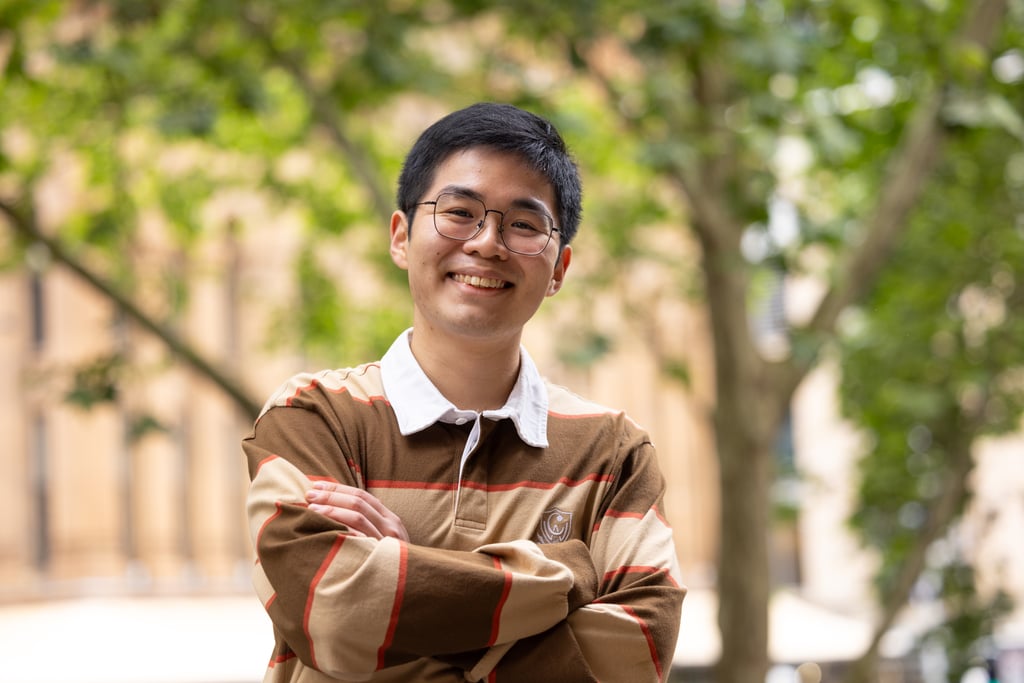
Finn always knew a career in technology was where he was headed, he just didn’t know what that would look like in practice. Growing up in Dubbo with no formal programming subject at school, he taught himself. In primary school, he travelled to Sydney for a coding challenge, built games on an Arduino system and presented his work to the NSW Premier. Then he went home and kept going, working on side projects quietly throughout high school.
When it came to choosing a degree, the Bachelor of Information Technology (Co-op) at UTS stood out for one reason: industry experience built into the course structure. The course combines academic study with extended, full-time placements, giving students the chance to apply what they are learning in real professional environments early in their degree.
Rather than hunting for internships on his own, students are introduced to partner organisations, visit their workplaces and are matched by course coordinators. That process led Finn to Updoc, an Australian digital health platform connecting patients with doctors online.
The shift into industry work came early. Working inside a startup, Finn was given a level of responsibility he hadn’t expected so soon. He began in customer experience, working through support tickets and building a clear picture of what users were struggling with.
That insight became the turning point. When he rotated into the product team, he was not just learning to code: he was building software to solve real problems he had already seen firsthand.
His proudest project was an automated email response agent, nicknamed Monica, designed to classify enquiries and streamline replies.
“It’s already had a marked impact on the number of tickets we’re receiving,” he says.
By the end of his placement, that hands-on experience had translated directly into opportunity. Updoc offered him a junior software engineer role, which he now balances alongside his degree.
The experience has also reshaped how he sees his future in the industry.
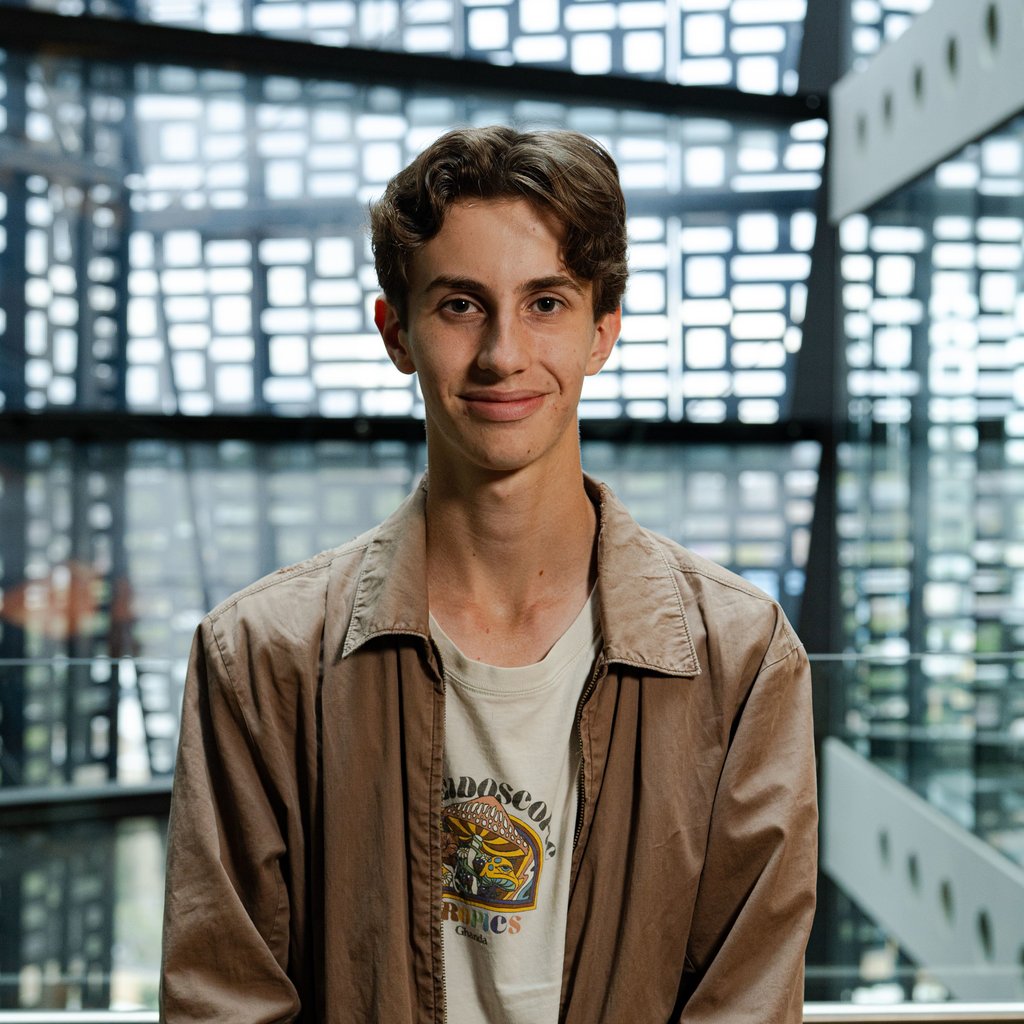
“I used to imagine just being a programmer at a big company. Now I realise you can be a programmer and an innovator. A programmer and an entrepreneur.”
Finn Randell
Finn’s tips
- Work on side projects: choose projects you care about, be sure to finish them and then share them. It shows initiative and real skills.
- Put yourself out there: go to career fairs, attend demo days and reach out to people on LinkedIn. The more connections you build, the more opportunities you create.
- Learn from others: talk to people you know in industry and understand their journeys; many have been where you are now and their insights and encouragement can be valuable.
Starting before you’re ready
For Gianluca and Finn, university isn’t just about studying. It’s where they’ve built experience, tested their interests and taken steps into their careers before graduation - often before they felt fully ready.
Featured students
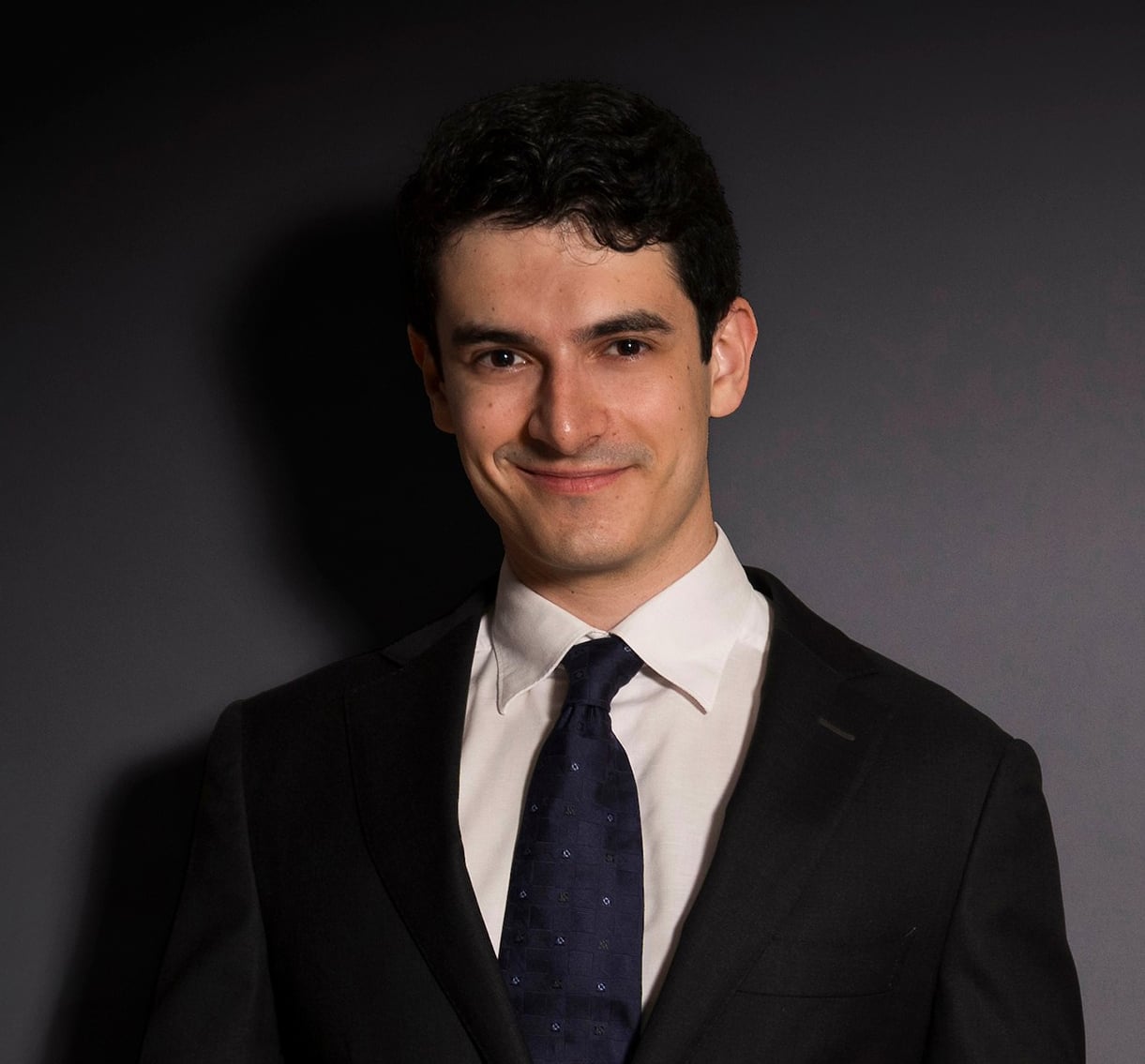
Gianluca Pecora
Bachelor of Laws Bachelor of Communication (Writing and Publishing)
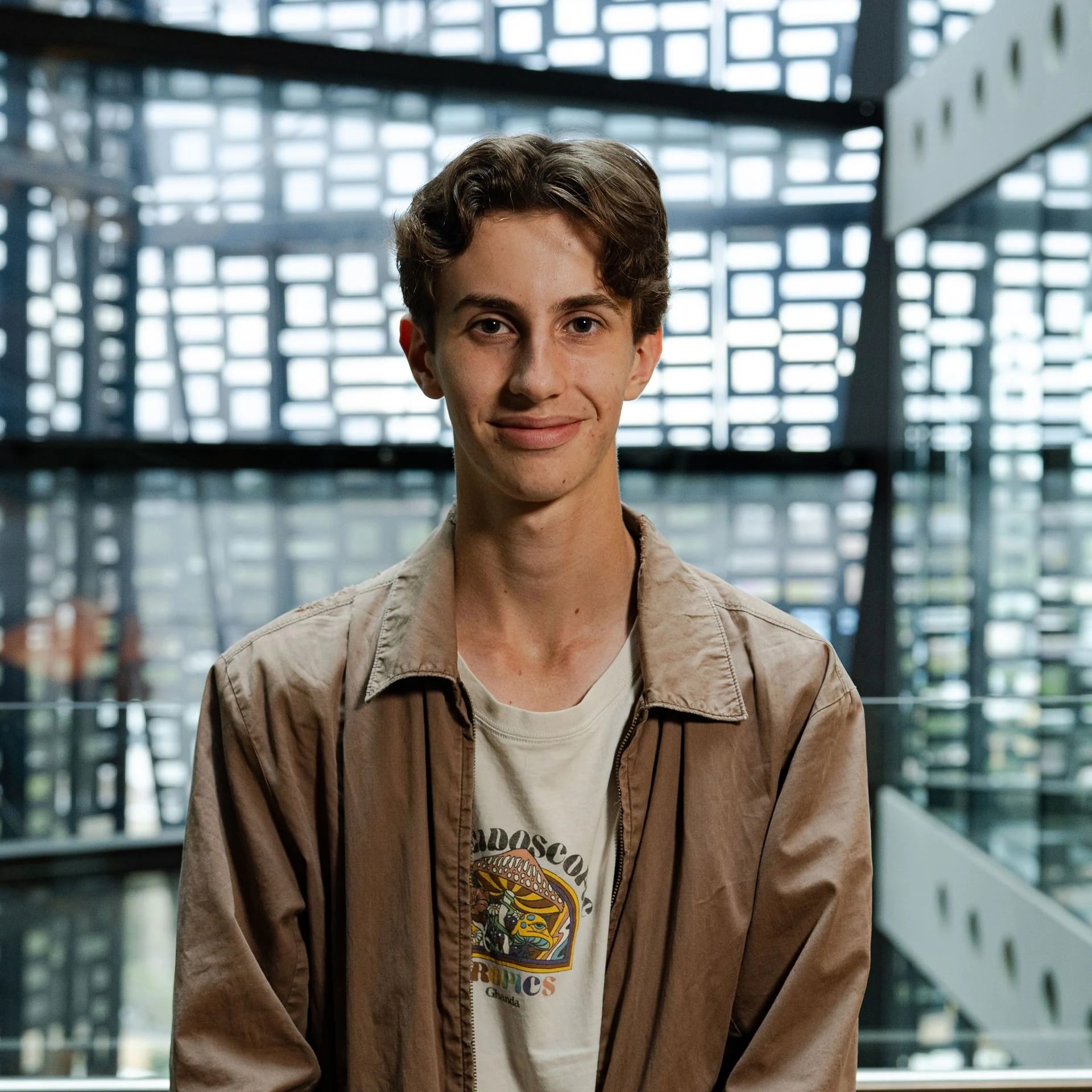
Finn Randell
Bachelor of Information Technology (Co-op)

Webpage
Why communication matters and simple ways to get better at it
Want your ideas to make an impact? Dr Joshua Pate reveals why communication is key and how to get better at it.
Webpage
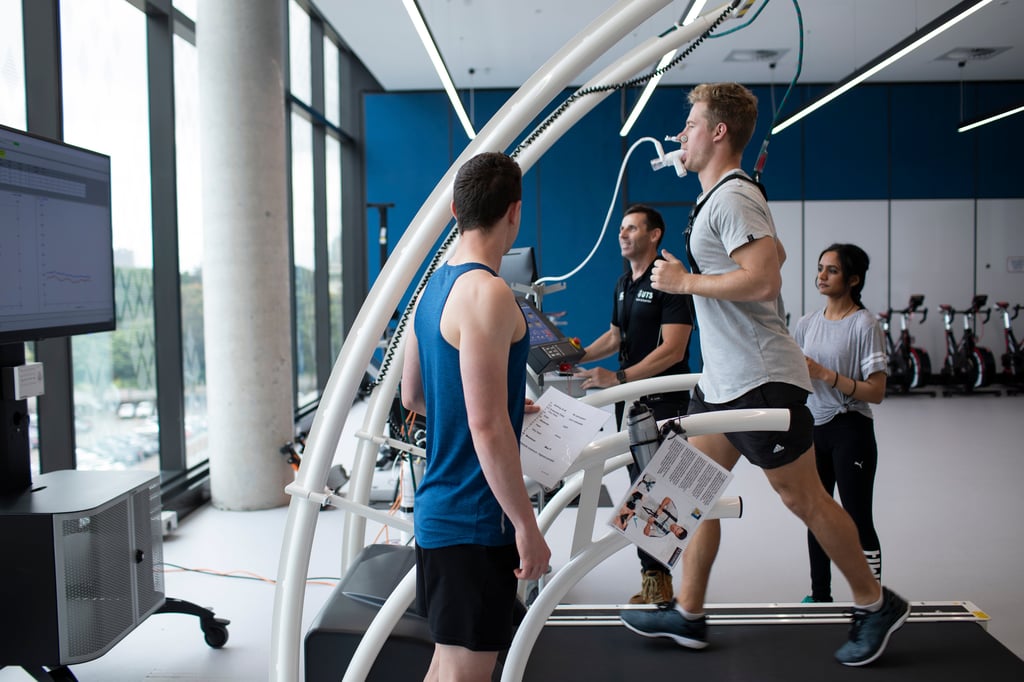
What it’s really like to be a sports scientist
Associate Professor Blake McLean shares what sports scientists do, where they work and the skills it takes to help athletes perform at their best.

Webpage
How to study like an elite athlete
Associate Professor Blake McLean, sports scientist and Director of the High Performance Sport program at UTS, shares five lessons students can learn from elite...
Webpage
Making the most of university... one yes at a time
When Leon arrived at UTS, he didn't have a detailed career plan. What he did have was curiosity, an open mind and a willingness to say yes to opportunities.
Webpage
Why communication matters and simple ways to get better at it
Want your ideas to make an impact? Dr Joshua Pate reveals why communication is key and how to get better at it.
Webpage
What it’s really like to be a sports scientist
Associate Professor Blake McLean shares what sports scientists do, where they work and the skills it takes to help athletes perform at their best.
Webpage
How to study like an elite athlete
Associate Professor Blake McLean, sports scientist and Director of the High Performance Sport program at UTS, shares five lessons students can learn from elite...
Webpage
Making the most of university... one yes at a time
When Leon arrived at UTS, he didn't have a detailed career plan. What he did have was curiosity, an open mind and a willingness to say yes to opportunities.