


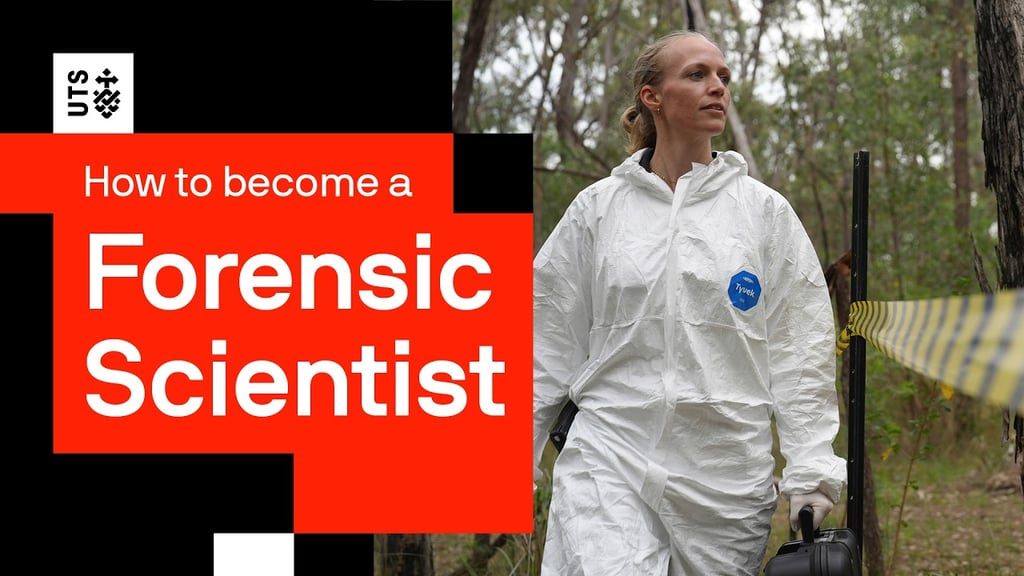
Associate Professor Maiken Ueland shares what it takes to become a forensic scientist, from studying evidence to solving real-world problems.
Forensic science has long captured the public imagination. From TV crime dramas to true crime podcasts, many people have an idea of what forensic scientists do. But what is the reality?
We spoke with Associate Professor Maiken Ueland, forensic scientist, researcher and Director of the Australian Facility for Taphonomic Experimental Research (AFTER) at UTS, about the different career paths in forensic science, the skills needed to succeed and what the job is really like.
Whether working at a crime scene, in a laboratory or out in the field, forensic scientists use scientific methods to analyse evidence and support investigations.
What is forensic science?
At its core, forensic science is the study of traces and evidence, and how that evidence can be used in investigations.
Forensic scientists examine physical evidence, analyse samples and use scientific methods to help answer questions that arise during investigations. Depending on their area of expertise, forensic scientists might work with biological or chemical evidence, digital data or material collected from a crime scene.
Forensic science draws on a wide range of scientific disciplines to support this work.
What do forensic scientists do?
The day-to-day work of a forensic scientist depends on their specialisation.
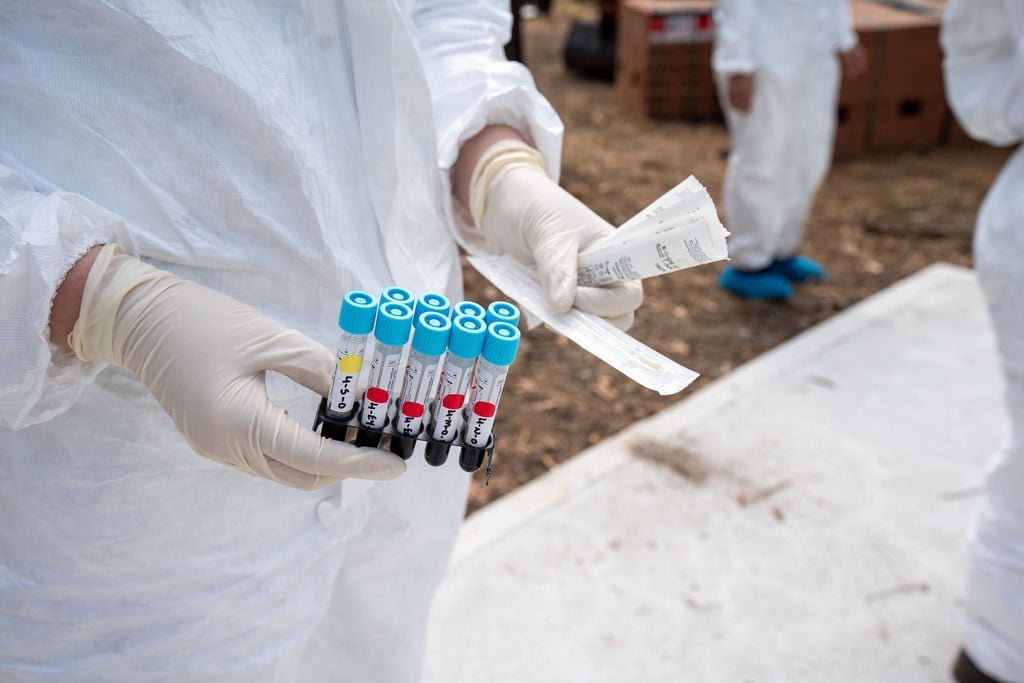
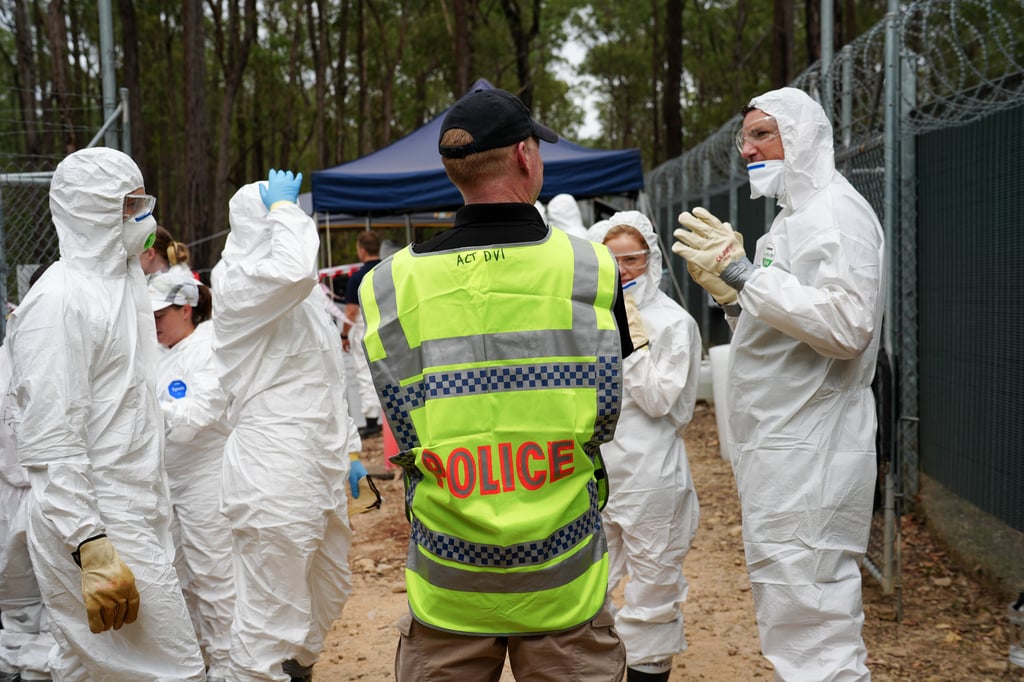
Some work closely with police and attend crime scenes to collect and analyse evidence. Others spend most of their time in laboratories examining samples and conducting tests. Researchers like Ueland often split their time between the lab, fieldwork and research projects.
Forensic scientists may:
- Attend and investigate crime scenes
- Collect and analyse evidence
- Conduct laboratory testing and experiments
- Develop new forensic techniques and technologies
- Contribute to research and scientific investigations
- Present and communicate findings
How do you become a forensic scientist?
There are many pathways into forensic science.
According to Ueland, a Bachelor of Science provides a strong foundation, but students can also study specialised forensic science degrees.
At UTS, the Bachelor of Forensic Science includes several streams:
- Biology
- Chemistry
- Crime scene investigation
- Digital forensics
Students may also enter the field through related disciplines such as anthropology and archaeology.
For those looking to deepen their expertise, postgraduate study is another option, including specialist master's degrees and research pathways such as a PhD.
Skills that make a great forensic scientist
Technical knowledge is important, but success in forensic science depends on more than scientific expertise.
Ueland believes critical thinking is one of the most important qualities a forensic scientist can have. The ability to analyse evidence carefully, evaluate information and draw conclusions based on facts is essential.
Ueland also highlights the importance of qualities that help forensic scientists maintain scientific integrity, particularly when their findings may contribute to legal investigations.
According to Ueland, these important qualities include being:
- Honest
- Objective
- Hardworking
- Unbiased
- Detail-oriented
The challenges of forensic science
Like many professions, forensic science comes with challenges.
Time pressure is a common feature of the work, with forensic scientists often balancing competing priorities and deadlines. In addition, forensic investigations are conducted within strict legal and ethical frameworks, requiring careful attention to process and accuracy.
Forensic scientists must ensure their work meets rigorous scientific standards while remaining objective and transparent.
The rewards of the job
For Ueland, one of the most exciting aspects of the profession is the opportunity to work on a wide range of projects and contribute to meaningful research.
She particularly enjoys being exposed to new technologies and innovative approaches that have the potential to make a real-world impact.
“I get to see so many new cool technologies, new approaches that I think can really have an impact in the world,” she says.
“Being able to be involved in that is absolutely amazing.”
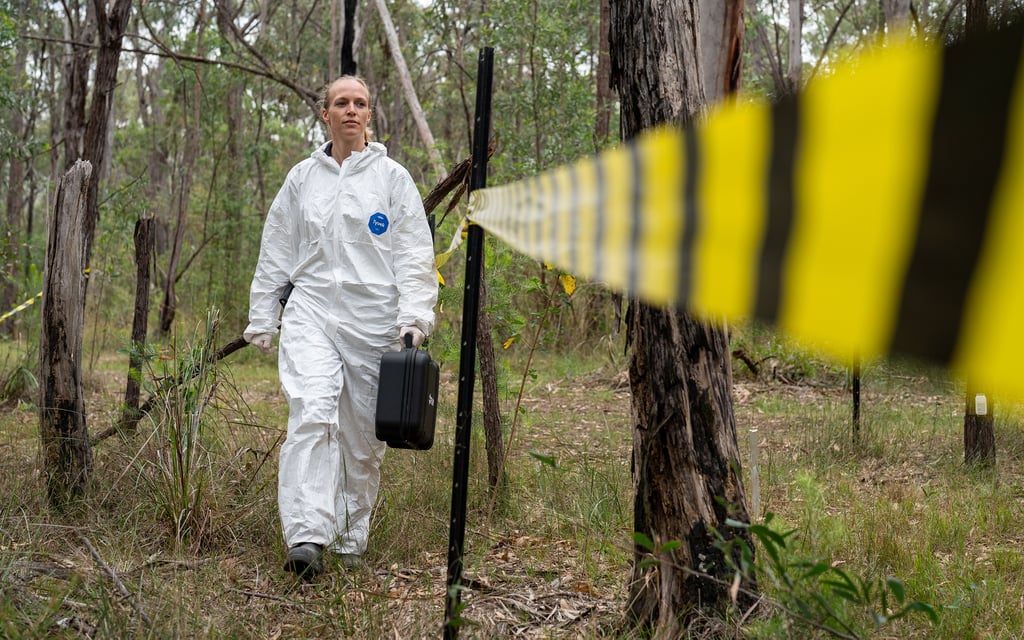
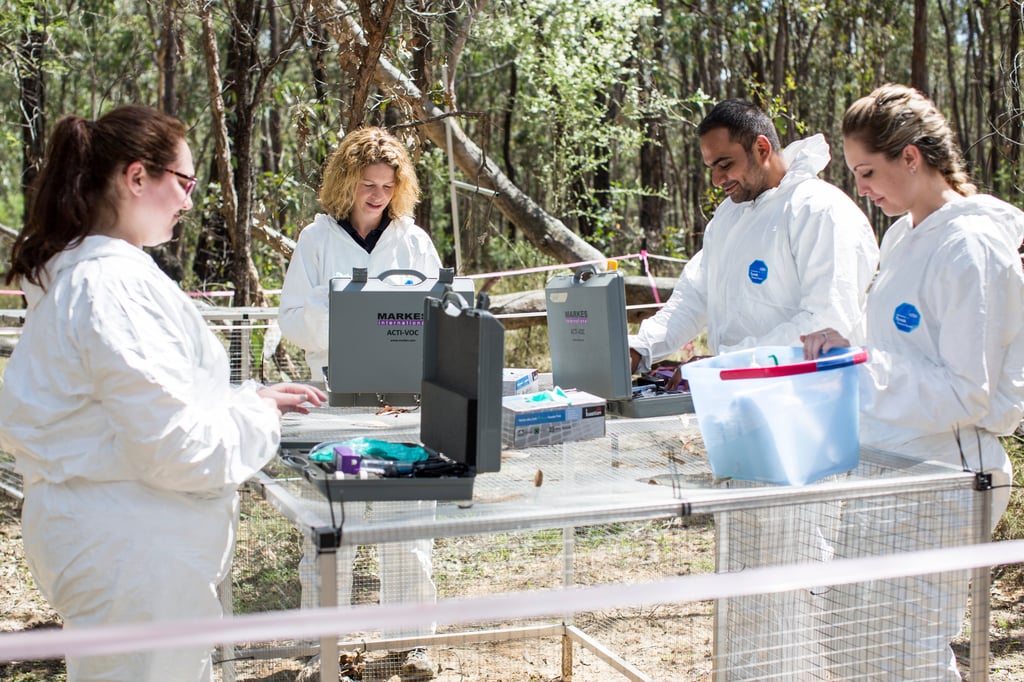
Unlike many careers that are based primarily in an office, forensic science can involve working across laboratories, research facilities and outdoor field sites.
I get to be in a lab, and I also get to be outside in the field.
A common misconception
One of the biggest misconceptions about forensic science comes from television and film.
Many people assume forensic scientists are involved in every aspect of an investigation. In reality, the profession is highly specialised, with experts focusing on specific areas of forensic practice.
Rather than doing everything, forensic scientists typically develop deep expertise in one part of the investigative process.
Advice for future forensic scientists
Ueland's advice for anyone considering a career in forensic science is simple: go for it.
She encourages aspiring forensic scientists to explore the areas that interest them most and make the most of every opportunity to learn and gain hands-on experience.
Whether you're drawn to the laboratory, the field or the latest forensic technologies, there's no single path into forensic science. The field is constantly evolving, with opportunities to specialise across a wide range of areas and contribute to real-world investigations in different ways.
Featured researcher
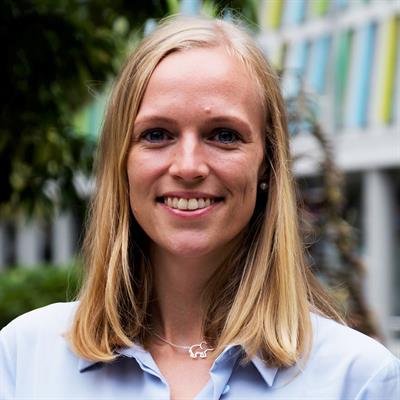
AFTER Director, Faculty of Science
Webpage
Alex Ng: A Forensics Journey from Crime Scene Investigation to International Exchange
How Alex's Hands-On Degree in Forensic Science and Global Mobility Created a Clear Path to Law Enforcement.
Webpage
Rhiannon Dennis: Medical Science, Global Internships, and the Algae Bioeconomy
Studying a Bachelor of Science in Medical Sciences allowed Rhiannon Dennis to explore her passions and unlock opportunities through internships, scholarships...
Webpage
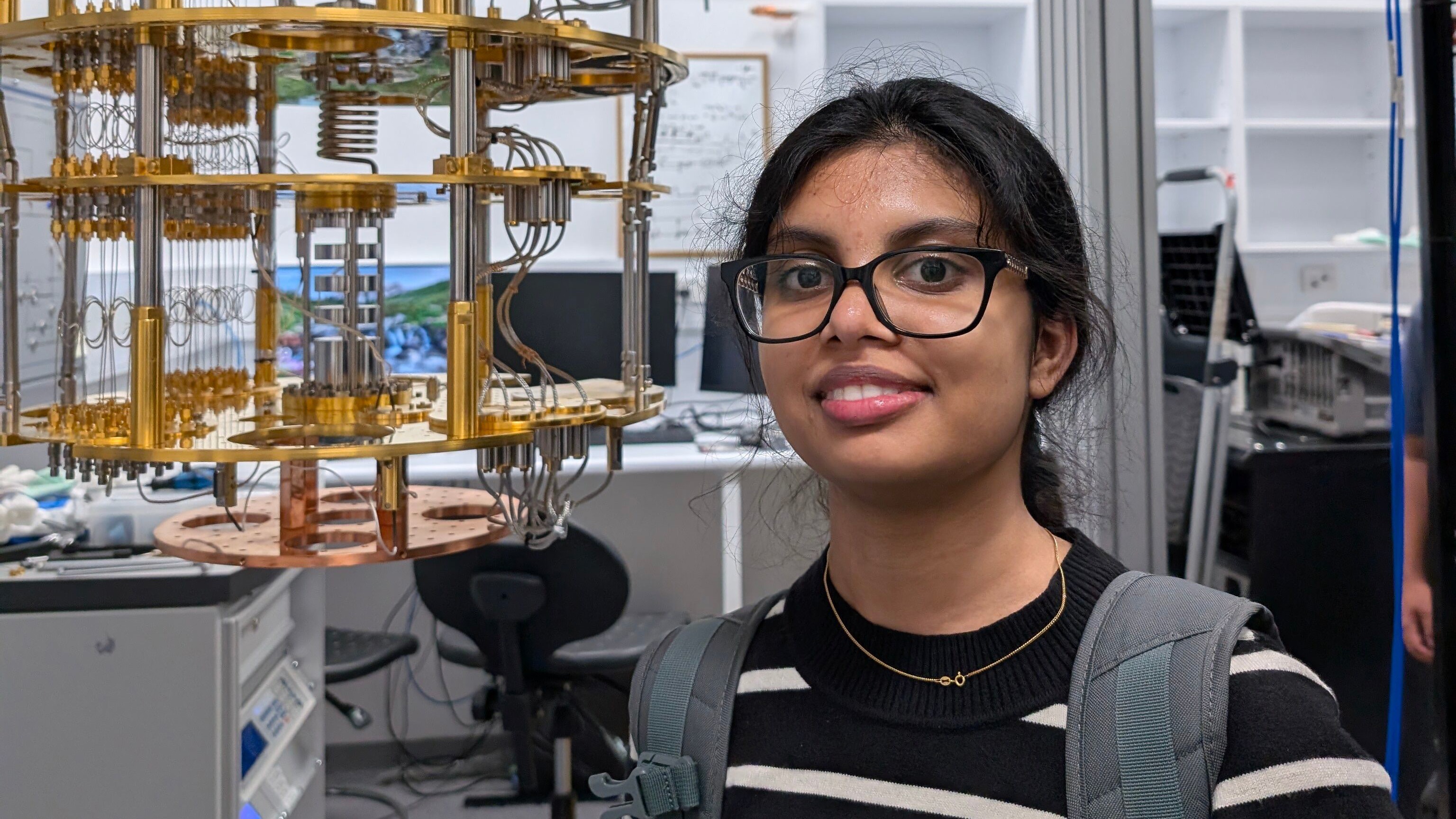
A curiosity for the unseen: Samadhi’s journey into quantum technology
After moving to Australia from Sri Lanka, Samadhi found her calling in quantum technology — and is now in her second year at UTS, where she balances hands-on...
Webpage
Piper Cole thinks maths is beautiful. UTS showed her why
From passionate teachers to real-world opportunities — Piper found community and opportunities that make UTS unlike anywhere else.
Webpage
Alex Ng: A Forensics Journey from Crime Scene Investigation to International Exchange
How Alex's Hands-On Degree in Forensic Science and Global Mobility Created a Clear Path to Law Enforcement.
Webpage
Rhiannon Dennis: Medical Science, Global Internships, and the Algae Bioeconomy
Studying a Bachelor of Science in Medical Sciences allowed Rhiannon Dennis to explore her passions and unlock opportunities through internships, scholarships...
Webpage
A curiosity for the unseen: Samadhi’s journey into quantum technology
After moving to Australia from Sri Lanka, Samadhi found her calling in quantum technology — and is now in her second year at UTS, where she balances hands-on...
Webpage
Piper Cole thinks maths is beautiful. UTS showed her why
From passionate teachers to real-world opportunities — Piper found community and opportunities that make UTS unlike anywhere else.