


When Bachelor of Information Technology (Interaction Design) student Christine Masivo enrolled in an elective called Shaping Technologies That Shape Us, she wasn’t quite sure how it related to her degree.
Developed in partnership with Microsoft and delivered by the team at the award-winning UTS Transdisciplinary School, Shaping Technologies That Shape Us is all about developing AI technologies for the common good.
Christine initially assumed the subject would introduce her to some of the more technical aspects of AI—interesting, but not really where she saw her career going.
Instead, she found herself working in a transdisciplinary team to develop a human-centred AI solution.
That solution could be anything, as long as it supported Microsoft to become a leader in AI while contributing to the common good.
“I thought we were going to do some machine learning stuff, so actual AI coding, but the subject turned out to be more about how AI could aid in human flourishing, which is something I’m very interested in,” Christine says.
What’s more, all the student teams were competing for an end-of-semester prize: the chance to pitch their idea at Microsoft’s Sydney headquarters.
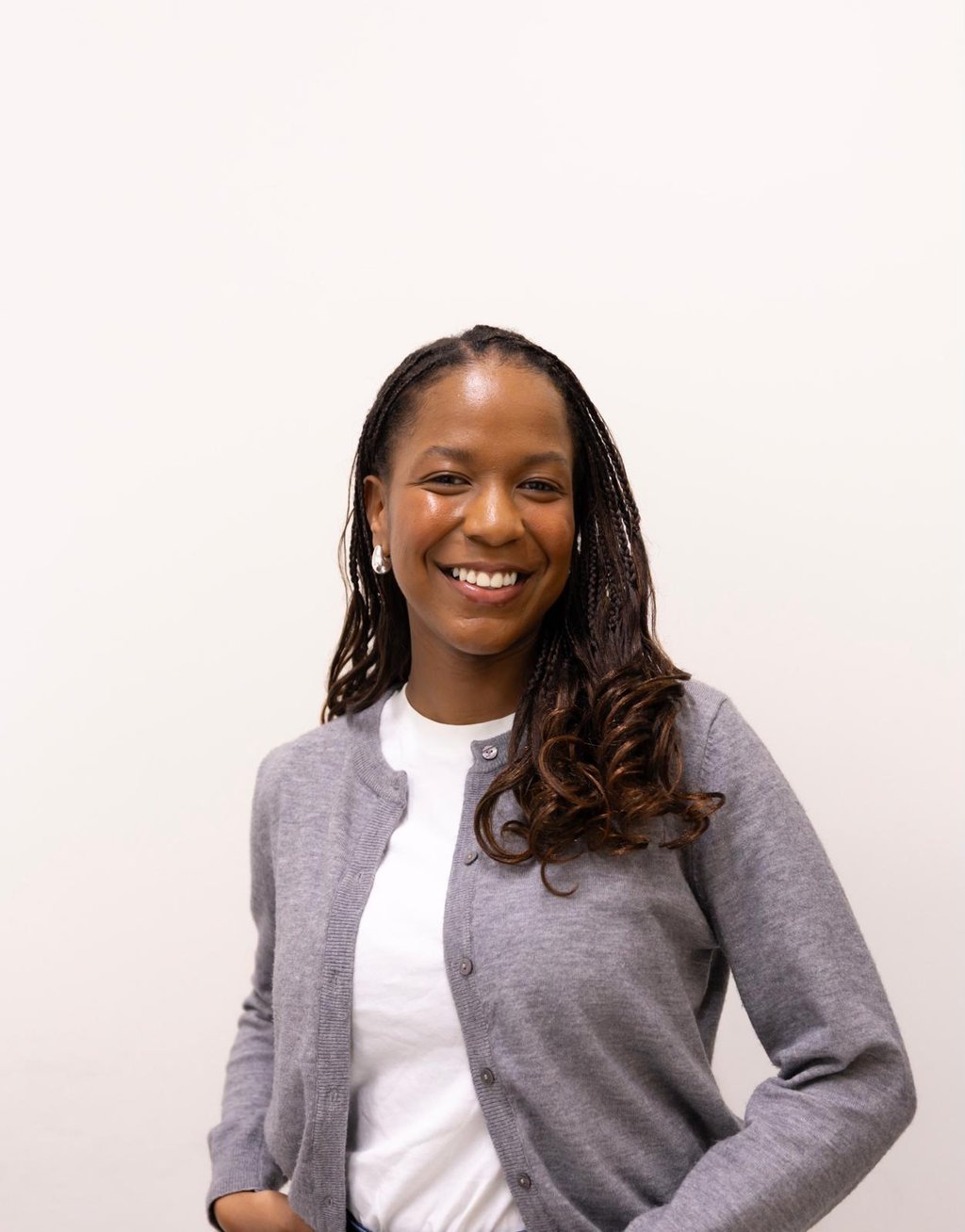
“I was stoked to hear we could potentially present to Microsoft and that Microsoft staff would be popping into the tutorials. I just felt like wow, this is a real-life type of experience, an industry-made subjected created in partnership with industry leaders."
Christine Masivo
Transdisciplinary Electives Program
Unlocking the value of transdisciplinary expertise
Shaping Technologies That Shape Us is part of the globally-recognised Transdisciplinary Electives Program, which was named 2025 Gold Winner at QS Reimagine Education in the category “The Power of Partnerships.” All undergraduate students must complete at least one subject from the program, which connects learners from across UTS study areas to collaborate on real industry challenges.
Within the elective, Christine was part of a team comprised of IT, communication, animation and science students; together, they developed an AI coaching tool that could be integrated with Microsoft Copilot to help students build more effective study skills. Microsoft staff were regular visitors to the tutorials, providing advice and feedback as the student projects progressed.
But even before Christine and teammates started building the tech, their first challenge was finding a common language. For Christine and her IT peers, thinking and talking in technical language was part of parcel of doing an IT degree. Working with students from totally different disciplinary backgrounds forced them to rethink how they communicated.
“In the real world, I’m not going to be working in a tech bubble,” Christine says.
“Especially for me, if I’m doing human-computer interaction design, I’m constantly going to be working with stakeholders who are non-technical, which means I have to learn how to break things down to communicate clearly with my audience.”
However, when it came to the actual design of their AI solution, those same disciplinary differences turned out to be one of the project’s strengths: while Christine and the other IT students focused on designing the prototype, their teammates brought an entirely different worldview to the work.
“The science, communication and animation students didn’t fully understand the technical part of building the solution, but they understood the overall goal and the human aspect of technology from a user standpoint,” Christie says.
“I learnt a lot from their perspectives on how AI is shaping the world.”
Learning to embrace opportunity
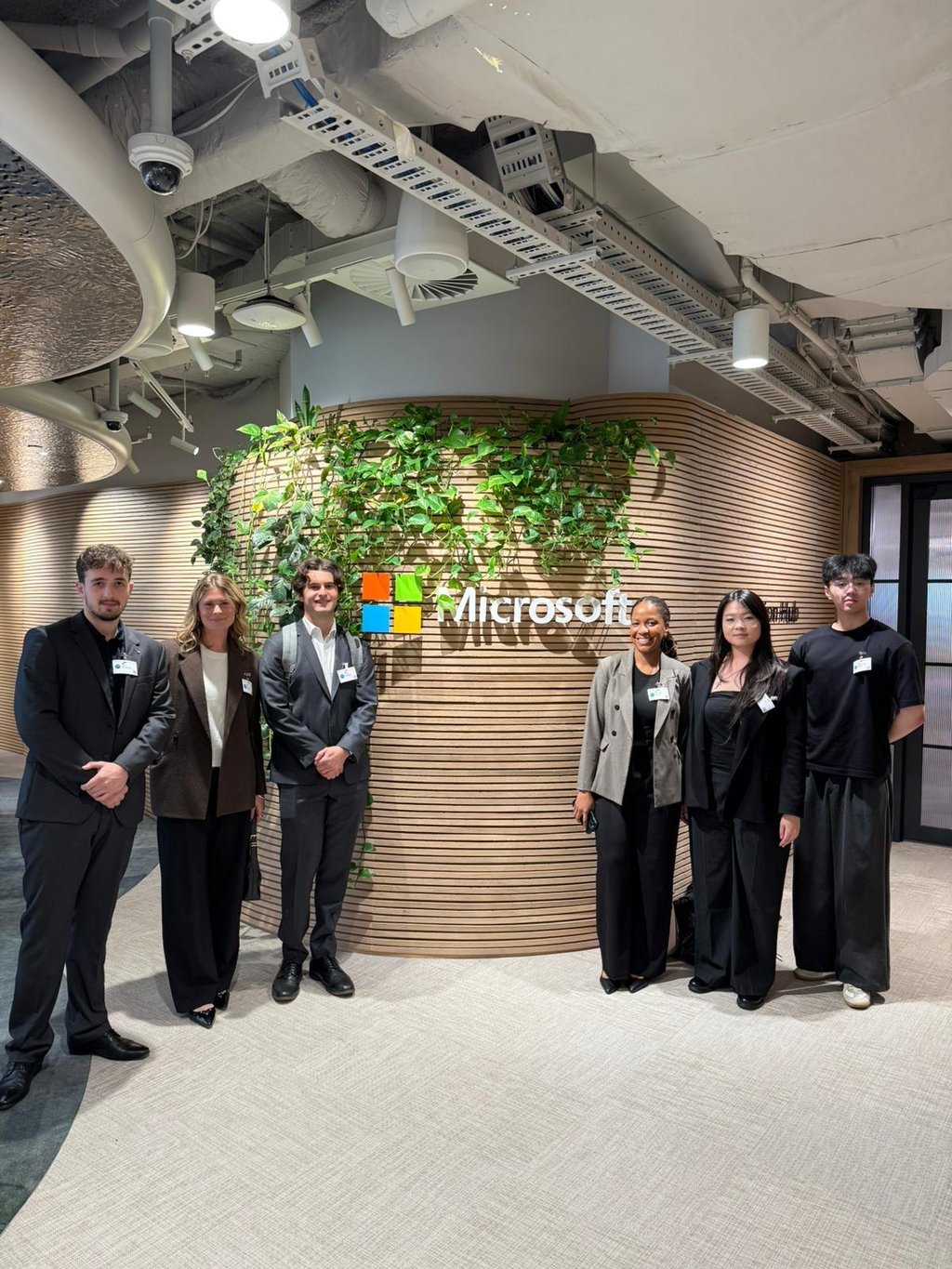
As Christine had hoped, her team’s prototype was announced as the winning project, paving the way for a pitch at Microsoft Australia and New Zealand’s Sydney headquarters. Among the many Microsoft staff in attendance on the day was Chief Technology Officer Sarah Carney.
Christine has started working as a research assistant for the Transdisciplinary School and has also landed a couple of internships, in part due to her Shaping Technologies experience: “I mentioned my Microsoft pitch and they really thought that was impressive,” she says.
Collectively, these achievements and her newfound transdisciplinary perspective have given Christine a sense of being on the right path, not only in terms of her future career but as someone who feels ready to embrace opportunity, both at uni and beyond.
“It gave me the confidence to put myself out there,” she says.
“I now feel like I’m deserving of being in those spaces. It really propelled me to step out of my shell.”

Designing a creative urban future
Awkar Ruel has creativity running through his veins. From a young age, he wanted to be an architect, working in a profession where he could bring the drawings...
Creative intelligence will be essential to the future of work. Here’s why.
Creative graduates who can thrive within complex and uncertain environments and tackle challenges across disciplines, fields and industries are transforming...

Innovation for the greater good
Kirah Godsell was always going to change the world, but it wasn’t until she enrolled at the University of Technology Sydney (UTS) that she figured out how.

One degree, multiple paths to a data science career
One of the most valuable aspects of the Master of Data Science and Innovation is that graduates emerge with the skills to work in multiple industries.
Designing a creative urban future
Awkar Ruel has creativity running through his veins. From a young age, he wanted to be an architect, working in a profession where he could bring the drawings...
Creative intelligence will be essential to the future of work. Here’s why.
Creative graduates who can thrive within complex and uncertain environments and tackle challenges across disciplines, fields and industries are transforming...
Innovation for the greater good
Kirah Godsell was always going to change the world, but it wasn’t until she enrolled at the University of Technology Sydney (UTS) that she figured out how.
One degree, multiple paths to a data science career
One of the most valuable aspects of the Master of Data Science and Innovation is that graduates emerge with the skills to work in multiple industries.