


Recent changes to the Australian pharmacy profession are opening up a wealth of opportunities for Master of Pharmacy graduates.
Over the last 12 months, the introduction of a suite of new pharmacy services is transforming the way that pharmacists deliver care.
Depending on their training and location, pharmacists can now give some vaccinations, supply antibiotics for urinary tract infections, initiate or re-supply some oral contraceptive pills, and manage common skin conditions using medications that were previously only available with a prescription.
These changes recognise the expertise of pharmacists as the medication experts, and they also reflect growing demand for expanded access to health care services that cannot be met by GPs alone.
“It’s an exciting time for the pharmacy profession,” says Professor Kylie Williams, Head of the UTS Master of Pharmacy program.
“These new services are really enabling pharmacists to work to the extent of their scope of practice in ways they haven’t been able to do previously.”
Key changes shaping pharmacy
| What's changing? | What it means for future pharmacists |
|---|---|
| Expanded scope of practice | Greater responsibility for prescribing, vaccinations and patient care |
| More clinical roles | Increased opportunities in hospitals, GP clinics and aged care |
| Multidisciplinary healthcare | Closer collaboration with doctors, nurses and allied health professionals |
| Industry evolution | New career pathways across research, industry and digital health |
| Practice-based education | Graduates need strong clinical, communication and professional skills |
Transforming multiple pharmacy career paths
While many of these changes are particularly visible in the in the community pharmacy setting, they’re also infiltrating other areas of pharmacy practice, too.
For example, Professor Williams says, hospital pharmacists take patient histories and are now charting their medications under a model called partnered pharmacist medication charting and prescribing. Pharmacists embedded in general practice help to optimise patient medications and work collaboratively with GPs to support the quality use of medicines.
In the aged care setting, Federal Government funding is embedding pharmacists in residential aged care facilities. Previously, this work was done on a visiting basis by community pharmacists or pharmacy consultants; now, pharmacy professionals will take on permanent on-site roles as part of a facility’s multidisciplinary care team.
Beyond these clinical settings, pharmacy graduates are also increasingly finding opportunities in the pharmaceutical industry, from research and development to regulatory affairs.

“Pharmacists will now be able to build long-term relationships with residents that provide a more holistic view of their medication needs, conduct medication reviews and sit on medication committees, and provide education and training to their colleagues.
Across all these career paths, the result is that pharmacists can access more professional opportunities than ever before.”
Kylie Williams
Head Of Discipline, Pharmacy
At UTS, a three-step process
This learning approach is reinforced in three key ways. The first is via teaching and learning—the Master of Pharmacy is taught by a team of academic and clinical pharmacy professionals and supported by an industry advisory board that helps shape the course curriculum.
The second is clinical placements, a major feature of the UTS Master of Pharmacy degree. These placements give students a taste of the diversity of pharmacy careers on offer and a glimpse into how the changing profession is reflected in different pharmacy settings.
And the third is industry engagement, which includes regular opportunities to interact with the decision-makers and other major players in the pharmacy profession.
Collectively, this approach is preparing current and future UTS Master of Pharmacy students to embrace the opportunities of a career in this ever-evolving field. And, with more changes on the horizon, including legislative changes that will pave the way towards more senior pharmacy qualifications, these opportunities are just the beginning.

Your future in pharmacy: Career guide
Curious about where a pharmacy career could take you? Explore pathways in pharmaceutical manufacturing, community pharmacy, and hospital pharmacy.
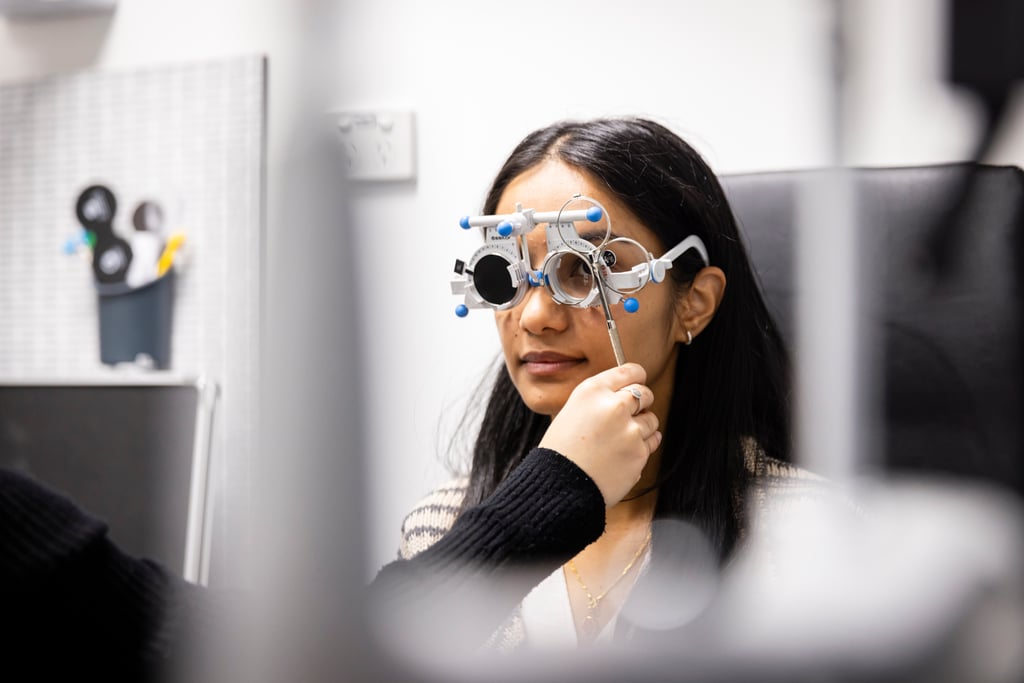
What is an Orthoptist? A guide to eye health careers
Orth = straight + optics = eyes

What it's really like to be a midwife: roles, skills and career insights
Associate Professor Vanessa Scarf, midwife, lecturer and researcher at UTS, shares what it really takes to work in one of the most rewarding roles in...
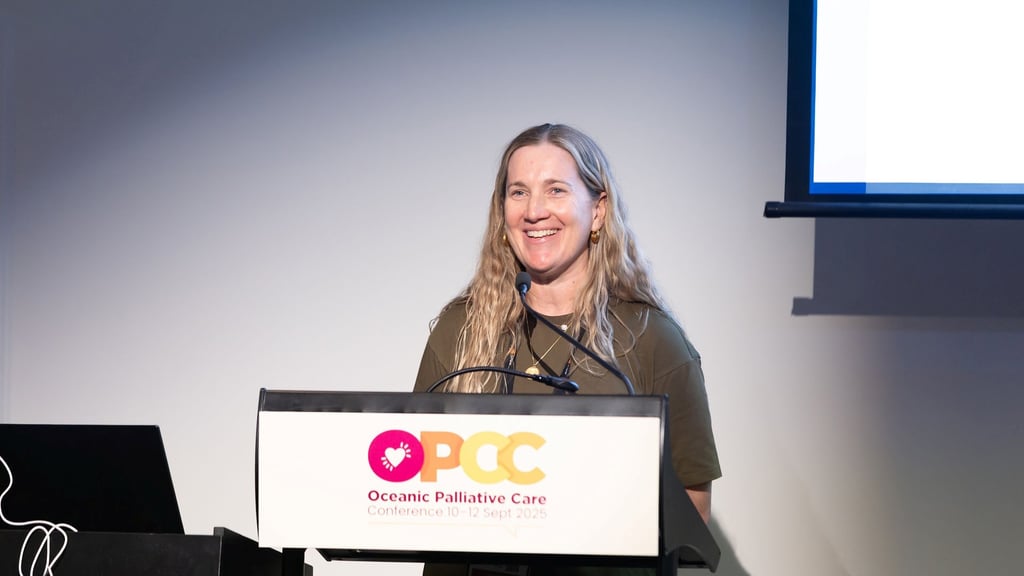
A different kind of care
After years in physiotherapy, Anna discovered that palliative care drew on every skill she had. The UTS Graduate Certificate in Palliative Care gave her the...
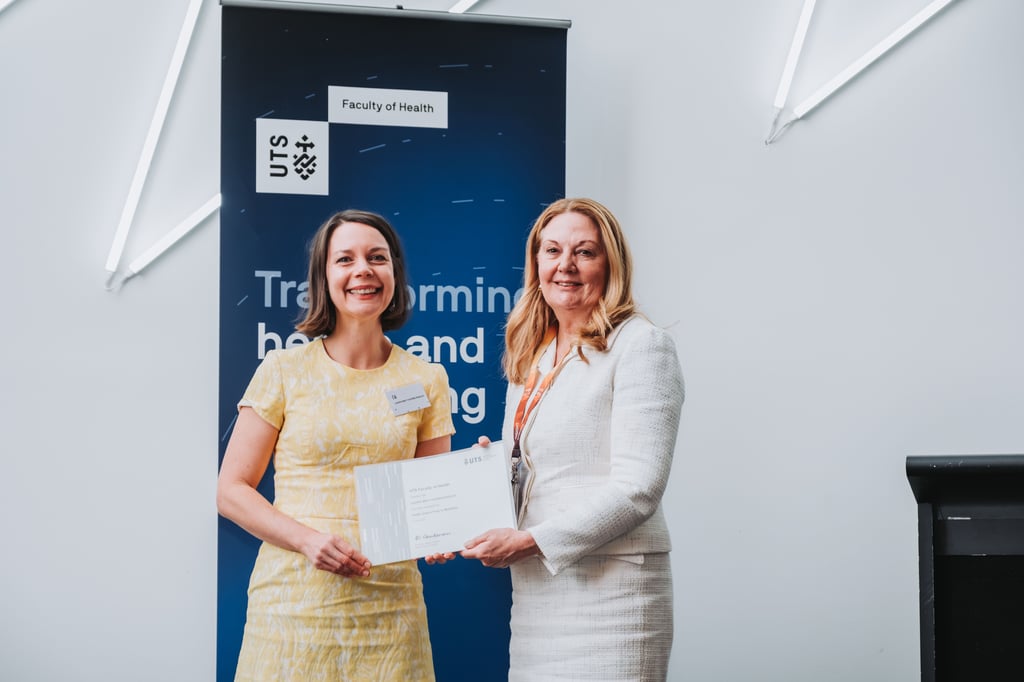
Changing careers to midwifery: Laura's journey to finding her calling
After a director-level career in PR, Laura chose the UTS Bachelor of Midwifery to follow her calling and balance study with family life.
What is an Orthoptist? A guide to eye health careers
Orth = straight + optics = eyes
What it's really like to be a midwife: roles, skills and career insights
Associate Professor Vanessa Scarf, midwife, lecturer and researcher at UTS, shares what it really takes to work in one of the most rewarding roles in...
A different kind of care
After years in physiotherapy, Anna discovered that palliative care drew on every skill she had. The UTS Graduate Certificate in Palliative Care gave her the...
Changing careers to midwifery: Laura's journey to finding her calling
After a director-level career in PR, Laura chose the UTS Bachelor of Midwifery to follow her calling and balance study with family life.