


If you’ve ever imagined pursuing a pharmacy career, chances are you’ve at least considered community pharmacy as an option.
After all, it’s the most visible of the pharmacy professions—who among us hasn’t been to their local pharmacy to have a prescription filled, purchase over-the-counter products or get medication advice from the pharmacist?
With a wealth of changes happening within the pharmacy profession, including expanded prescribing rights and the ability to administer vaccinations, community pharmacy remains a vibrant and interesting career path with more opportunities than ever before. But it’s also just one of numerous pathways that can lead to well-paid and fascinating careers, many of which are also reaping the benefits of pharmacy’s growing scope.
Here are five pharmacy careers to consider.
1. Hospital pharmacy
Looking for a role that will draw equally on your scientific and people skills? Hospital pharmacists are part of multidisciplinary clinical care teams who work together to support patient health.
One of the major benefits of a hospital pharmacy career is that you can specialise in your area of clinical interest, whether that’s emergency medicine, oncology or general practice (to name a few). Another is that hospital pharmacists are also increasingly involved with what’s called partnered pharmacist medication charting or prescribing, where they work in collaboration with doctors to develop a medicine plan and chart medications.
And, if you’re passionate about supporting human health, this branch of pharmacy is full of opportunities to engage deeply with patient care.
As a hospital pharmacist, I love the integration with the multidisciplinary team and the ability to be directly involved in patient care. The UTS Master program really sets students up for success, with practice-based learning … and industry placements from year one.
2. General practice pharmacy
General practice (GP) pharmacy sits somewhere between community pharmacy and hospital pharmacy—like community pharmacists, GP pharmacists work in a community setting and can help patients to manage their medication and respond to medicine-related queries from staff; like hospital pharmacists, the work they do is delivered as part of a collaborative clinical team.
From a pharmacy perspective, this can include conducting medication reviews and clinical audits, providing medication advice to patients, getting involved in health promotion and quality assurance activities, and delivering medication training and education to other practice staff. GP settings often provide a regular schedule and excellent work-life balance, as well as the opportunity work with patients from all walks of life.
3. Aged care pharmacy
While pharmacists have long been regular visitors to aged care facilities, the Australian Government last year announced funding for on-site pharmacist roles in residential aged care homes—and who better to take on the job than the medication experts themselves?
Aged care pharmacy presents a unique opportunity to apply your compassion and clinical skills to support older people to live well. Similar to the GP setting, it has a focus on limited prescribing, vaccination programs, medication reviews, and educating residents and staff on medication safety, with added opportunities to sit on medication committees in partnership with other clinicians.
The cherry on top? Because you’ll be working in a long-term care facility, you can build patient relationships and care plans that often last years.
4. Industry pharmacy
The pharmaceutical industry is an often-overlooked career path, despite the fact it relies heavily on expert pharmacy skills. What makes industry pharmacy such an exciting opportunity is that there are multiple specialist areas within it.
Love pharmaceutical science? Explore the research, formulation and development of new drugs. Fascinated by good manufacturing practice? Get involved in production, testing and quality control. Detail-oriented and analytical? Work in legal compliance or medication safety. You can even pursue business development and marketing roles that combine pharmaceutical knowledge with creative flair.
5. Academic pharmacy
If you’re a born teacher with a curious mind, you can’t go past academic pharmacy.
Academic pharmacists work in universities to teach the next generation of pharmacy professionals, and many also conduct research that helps to further human health and the pharmacy profession.
In some cases, you can even work as a clinical-academic pharmacist, combining your clinical work (such as in a hospital setting) with your research for the best of both possible worlds.
How to become a Pharmacist
UTS offers an innovative, practice-based Master of Pharmacy that has been designed in consultation with the pharmacy sector. With an emphasis on professional skills development and an extensive professional placement program, it will prepare you to make a meaningful contribution to the future pharmacy profession.
At UTS, there are two undergraduate pathways into the Master of Pharmacy:
| Pathway | Requirements |
|---|---|
| UTS Bachelor of Advanced Science (Pharmaceutical Sciences or Pre-Medicine) | GPA of 5/7 |
| Any other bachelor's degree (e.g. Bachelor of Medical Science) | GPA 4/7+, 6 prerequisite subjects, and an interview |
Already completed a Bachelor of Pharmacy elsewhere? You can apply through general entry, provided you meet the prerequisites below.
Prerequisite subjects (completed at tertiary level within the last 10 years):
- 1x pharmacology
- 2x chemistry
- 1x biochemistry
- 1x human physiology
- 1x maths or statistics
Not sure if your subjects qualify? Submit a Prerequisite Assessment Table to gsh.future@uts.edu.au for pre-assessment before applications open.

Your future in pharmacy: Career guide
Curious about where a pharmacy career could take you? Explore pathways in pharmaceutical manufacturing, community pharmacy, and hospital pharmacy.
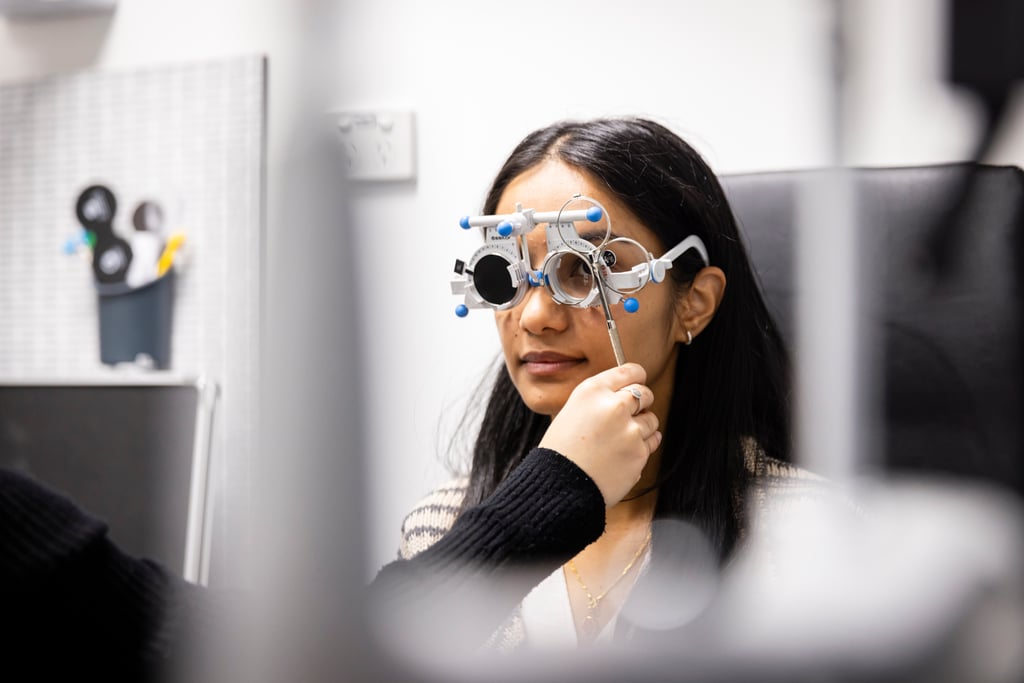
What is an Orthoptist? A guide to eye health careers
Orth = straight + optics = eyes

What it's really like to be a midwife: roles, skills and career insights
Associate Professor Vanessa Scarf, midwife, lecturer and researcher at UTS, shares what it really takes to work in one of the most rewarding roles in...
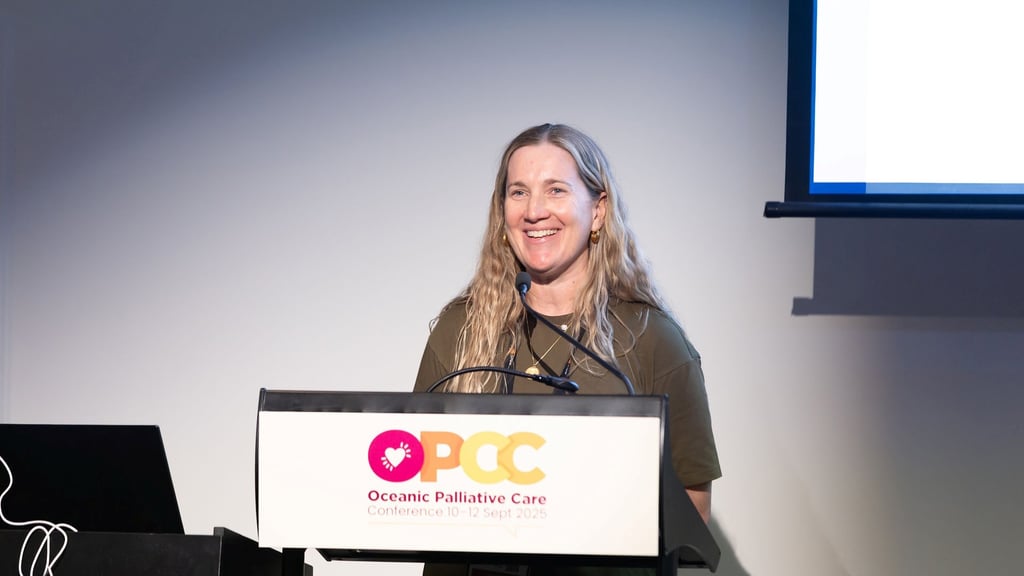
A different kind of care
After years in physiotherapy, Anna discovered that palliative care drew on every skill she had. The UTS Graduate Certificate in Palliative Care gave her the...
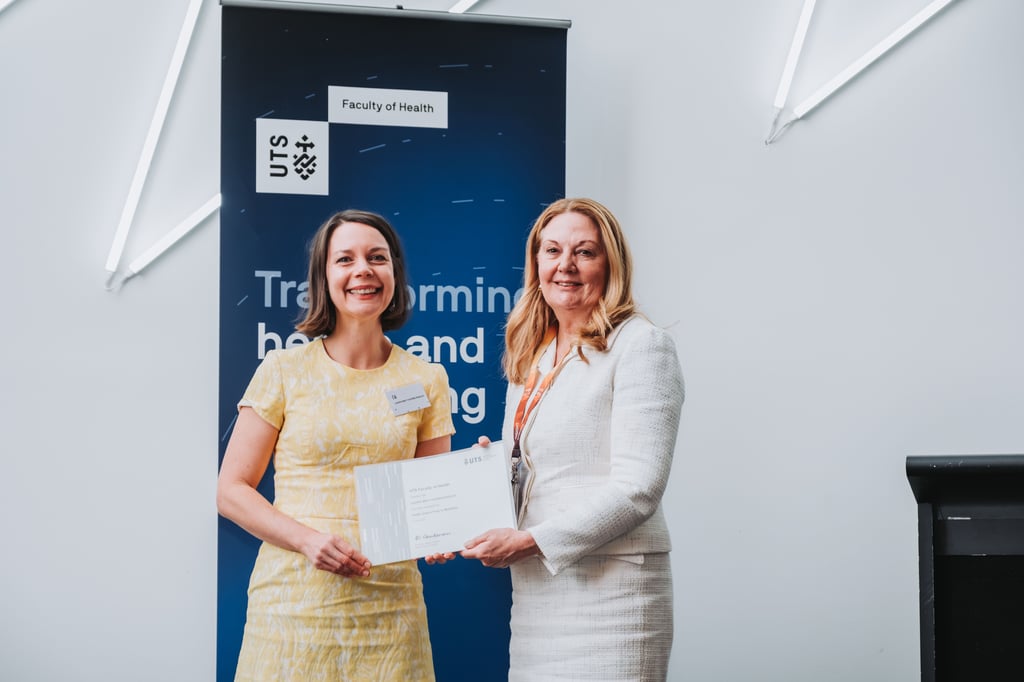
Changing careers to midwifery: Laura's journey to finding her calling
After a director-level career in PR, Laura chose the UTS Bachelor of Midwifery to follow her calling and balance study with family life.
What is an Orthoptist? A guide to eye health careers
Orth = straight + optics = eyes
What it's really like to be a midwife: roles, skills and career insights
Associate Professor Vanessa Scarf, midwife, lecturer and researcher at UTS, shares what it really takes to work in one of the most rewarding roles in...
A different kind of care
After years in physiotherapy, Anna discovered that palliative care drew on every skill she had. The UTS Graduate Certificate in Palliative Care gave her the...
Changing careers to midwifery: Laura's journey to finding her calling
After a director-level career in PR, Laura chose the UTS Bachelor of Midwifery to follow her calling and balance study with family life.