


How curiosity in cybersecurity led to global impact.
When COVID first paused the world, Noussayba Skendri found something that would spark hers. At 16, in the quiet stretch of lockdown and online school, she started exploring cybersecurity courses “just to see what it was like.” By the time she finished high school, she wasn’t just interested in technology. She was driven by it and even more than that, she was determined to use it for good.
A practical, purpose‑built uni pathway
When Noussayba began researching universities, one thing was clear: she didn’t want a purely theoretical computer science degree. She wanted to build things, break things, test ideas, and apply knowledge in the real world, where possible, straightaway. That’s what led her to UTS.
Through a friend, she discovered a co‑op scholarship program and a degree that perfectly aligned her interests. She landed on the Bachelor of Engineering (Honours) Diploma in Industry Practice (Data Science).
It was hands-on. It combined AI, data, cybersecurity, and digital forensics. It aligned with her growing interest in emerging tech. But most importantly, it came with industry experience built in.
Finding her community at UTS
From her very first week, the Women in Engineering & IT scholarship introduced her to a community that became her anchor.

When I received the WiEIT scholarship, I realised it’s not just about financial support, it connected me to a cohort and a supportive community.
Three internships, three worlds
Thanks to the co-op program structure, Noussayba has already completed three very different internships, with each one shaping her skills, confidence, and direction.
At Macquarie Bank, her first internship threw her straight into the deep end of identity security. She was contributing to real organisational risk assessments, working hands-on with governance teams, and even helping run agile sprints. The work she produced, including a dashboard for senior leaders, wasn’t a side project. It mattered.
Her second internship was at Woolworths Group, where she worked on AI in retail. For nearly two years, she moved across computer vision projects, store visits, vendor negotiations, and hands-on testing. One week she’d be deep in model analysis; the next, she’d be on the floor explaining new tech to senior leaders. It was here that she learned how to shift seamlessly between technical execution, commercial decision-making and human-centred problem solving. More importantly, it was where she realised she could bridge worlds, translating complex AI into practical solutions that made sense for both the business and users.
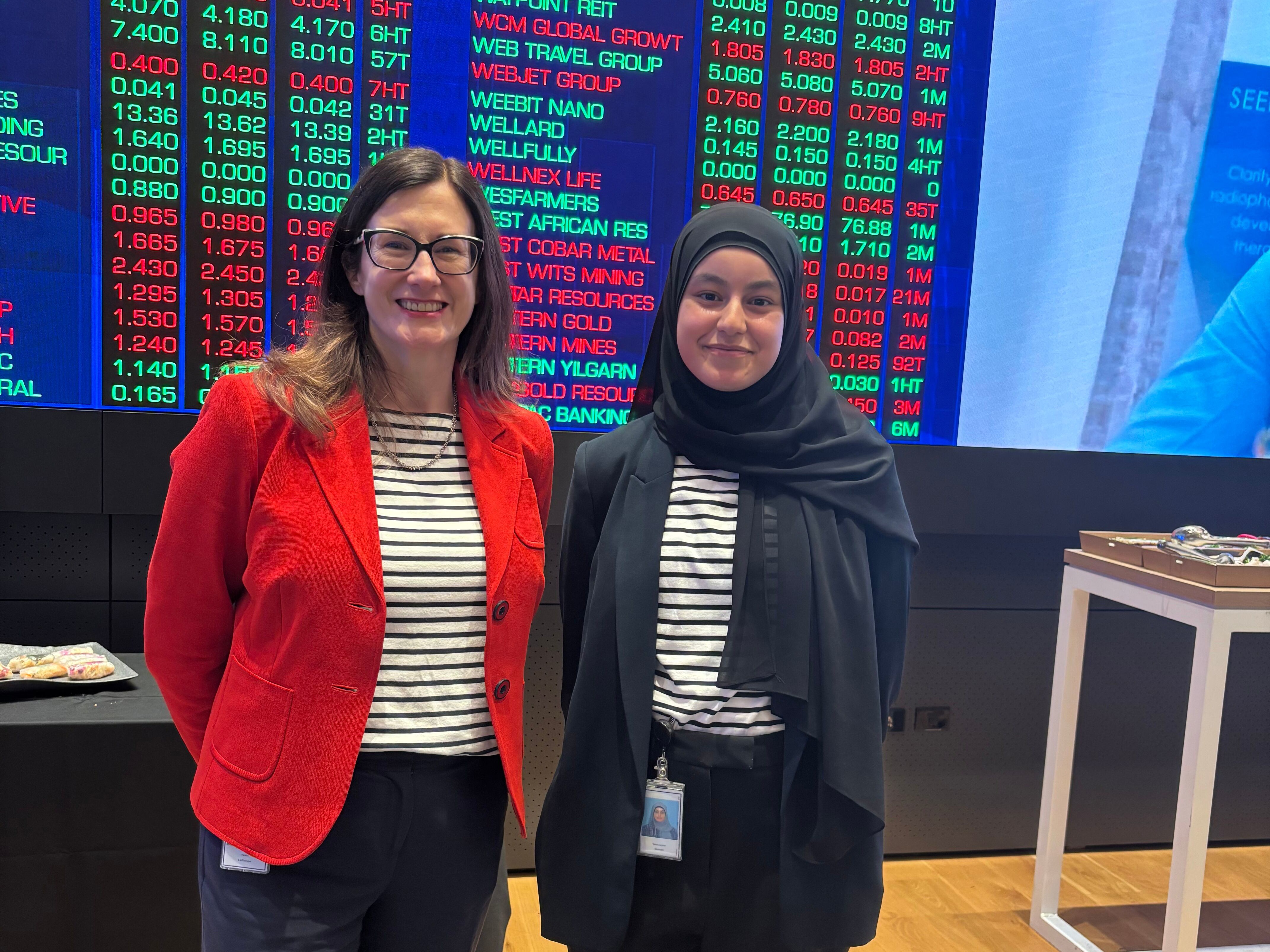
The ASX internship immersed her into the world of credit risk software at a time of global market change. In a team largely made up of men, she navigated the environments with confidence and built strong professional relationships that supported her learning. Here, she honed skills in software architecture and strengthened her understanding of how systems shape cybersecurity.
A global lens on Data Science Engineering for real-world impact
Noussayba’s experiences didn’t stop at her internships; her desire to connect engineering with humanity opened further doors.
As a Gender Equity Ambassador with the UTS Women in Engineering and IT (WiEIT), she didn’t just look at statistics about women in STEM; she went into schools across Sydney to see the reality firsthand.
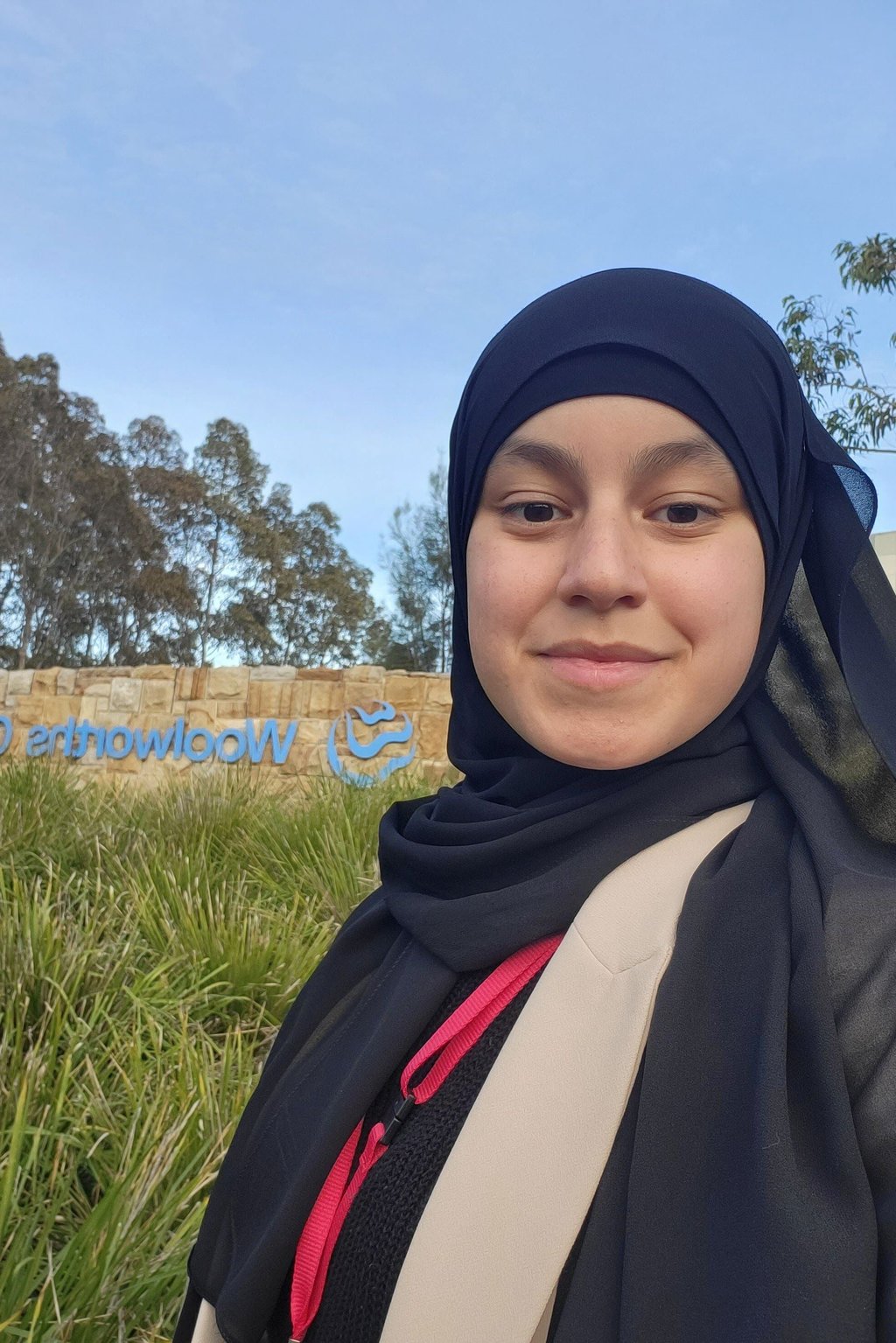
"I’m a data person. But I also like to go on the ground and corroborate what the stats are saying. How do they actually show up in real life?"
Noussayba
Speaking directly with girls from vastly different school communities, she began to understand the gender divide in engineering on a much deeper level. The differences weren’t just about gender; they were shaped by socioeconomic background, access and exposure.
“That really grew my passion for ensuring that people of all statuses can use and enjoy technology.”
Around the same time, she came across another statistic: in a world saturated with AI headlines, many people in the Global South have never interacted with AI. “We’re in this AI bubble,” she reflects. “But if you’ve used AI tools, you’re probably already in the top percentage globally. Not everyone benefits from emerging technology and it’s being capitalised on very quickly.”
That realisation reshaped her dream from simply building cutting-edge technology to thinking more critically about who that technology serves. UTS became the catalyst for that broader perspective. Through global innovation programs in the Netherlands and two humanitarian engineering experiences in Nepal and Cambodia, she built what she describes as a truly multifaceted university journey, one that extended far beyond the classroom.
In Nepal and Cambodia, she lived in village communities, studied disaster resilience and explored how technology can support vulnerable populations. She even learned basic Khmer to better connect with local communities.
Both experiences, she says, were life-changing.
“Tech shouldn’t just work; it should work for people.”
A global step forward in tech
That global mindset led to her next major milestone: being awarded the prestigious New Colombo Plan Scholarship Program (NCP).
The opportunity enabled her to live, study and intern in Singapore, one of the world’s most digitally advanced nations. She is currently studying at Nanyang Technological University, while learning Malay and Mandarin and deepening her expertise in cybersecurity within highly digitised environments.
Experiencing both grassroots humanitarian contexts and advanced smart-city systems has sharpened her perspective: innovation looks very different depending on where you stand.
Women in STEM: Redefining the room
Throughout her journey so far, Noussayba has often been the only hijabi woman in a room.
Rather than feeling discouraged, she’s always felt reignited. She speaks openly about intersectionality, confidence and challenging assumptions around what “technical” looks like.
“There’s no ‘norm’ in STEM. And if there is, it’s meant to be changed.”
She brings her identity, culture, languages and global worldview into spaces that haven’t historically seen many people like her, and she understands the power of that visibility. For younger women watching from classrooms across Sydney and beyond, representation isn’t symbolic. It’s transformative.
For Noussayba, engineering is no longer just about systems and code. It’s about people, equity and ensuring that the future of technology is built with humanity at its core.
Her message to young women and students from underrepresented backgrounds:
“Bet on yourself. STEM needs you, your passions, your culture, your creativity, your experiences, your perspective. There is a place for you here, and you can shape what the future looks like.”
Webpage
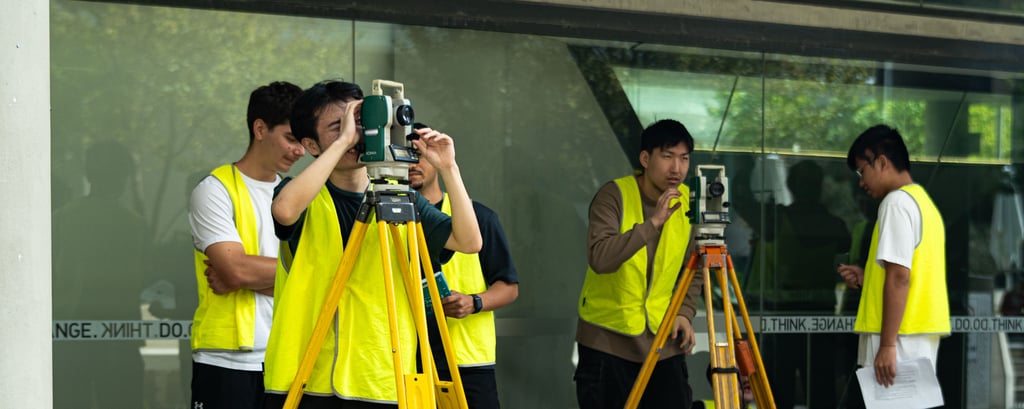
Thinking about Civil Engineering?
Thinking about studying Civil Engineering in Australia? Discover what Civil Engineers do, the career opportunities available and how studying Civil Engineering...
Webpage
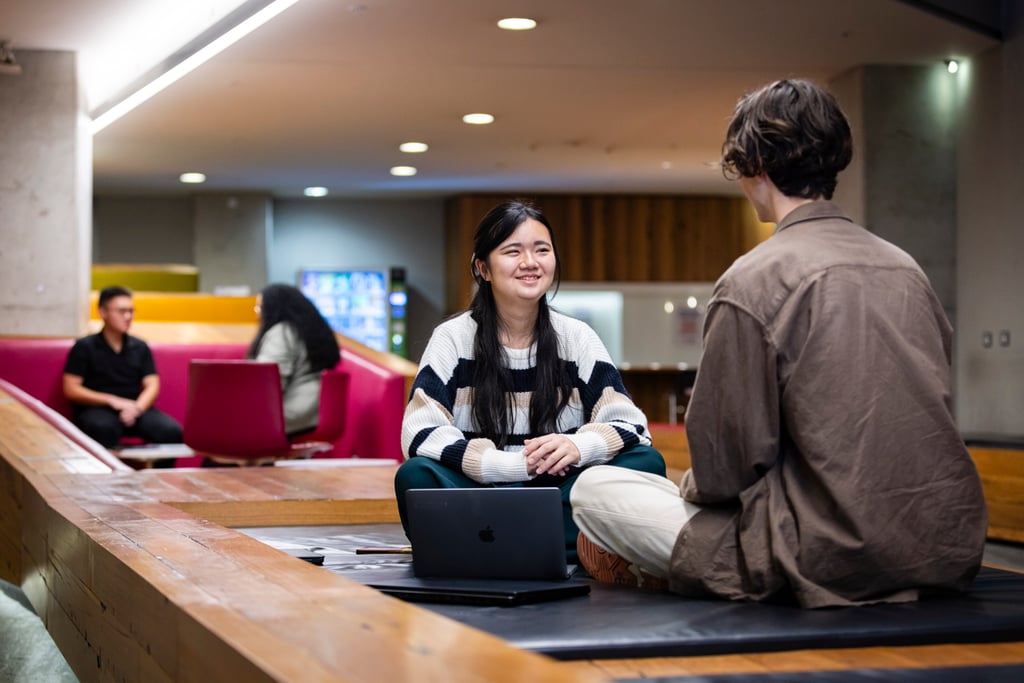
How rankings matter (and don’t) when choosing Engineering and IT
How important are university rankings when choosing where to study Engineering or IT? Explore what rankings can tell you, what they leave out and what to look...
Webpage
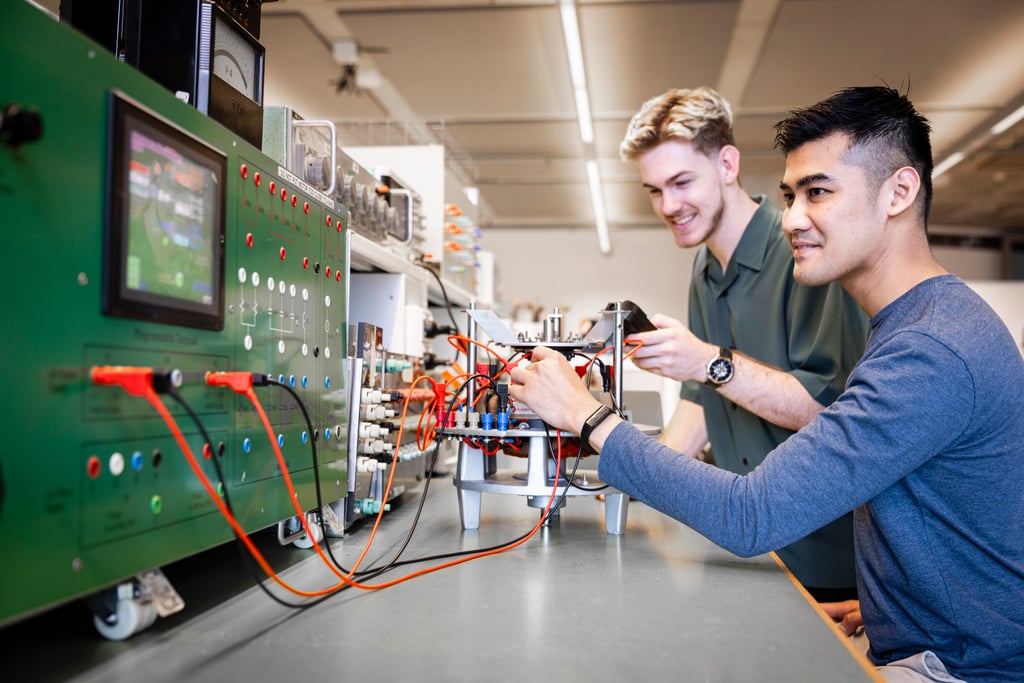
Day in the life of an Electrical Engineering student at UTS
Considering studying Electrical Engineering at UTS? Get a glimpse into a typical day, from hands-on laboratory classes and engineering projects to study...
Webpage
From Country to Cosmos
Where a passion for engineering began long before starting university.
Webpage
Thinking about Civil Engineering?
Thinking about studying Civil Engineering in Australia? Discover what Civil Engineers do, the career opportunities available and how studying Civil Engineering...
Webpage
How rankings matter (and don’t) when choosing Engineering and IT
How important are university rankings when choosing where to study Engineering or IT? Explore what rankings can tell you, what they leave out and what to look...
Webpage
Day in the life of an Electrical Engineering student at UTS
Considering studying Electrical Engineering at UTS? Get a glimpse into a typical day, from hands-on laboratory classes and engineering projects to study...
Webpage
From Country to Cosmos
Where a passion for engineering began long before starting university.