


Layne turned lived experience, community work and curiosity into a biomedical engineering pathway at UTS.
Layne Paull’s path into engineering didn’t begin in a lab, it began with people. Working alongside clients navigating disability, children building new skills, and families learning to adapt, she saw firsthand how much thoughtful support could change lives.
Along the way, she realised something deeper: she didn’t just want to support people—she wanted to design solutions for them.
“I fell in love with the assistive devices my clients were using and thought, I want to create these,” she says.
Today, Layne is studying a Bachelor of Engineering (Honours) in Biomedical at UTS, combining hands-on learning with real-world impact, and proving that your career can start long before you graduate.
Why UTS?
After finishing high school, Layne set out on a path in occupational therapy, driven by a genuine passion for helping people improve their lives.
“I loved working with people,” she says, “but I realised I was more interested in designing the solutions than just implementing them.”
That moment of clarity became a turning point. It sparked a shift toward biomedical engineering, a field where creativity, problem-solving and human impact intersect. Layne chose UTS for its hands-on, industry-focused approach, its strong reputation, and the opportunity to complete a Diploma in Industry Practice, giving her real-world experience while still studying.
For Layne, it wasn’t just about changing degrees. It was about stepping into a future where she could shape the innovations that transform lives.
Learning that goes beyond the classroom
Layne quickly discovered that engineering at UTS isn’t just theoretical, it’s deeply practical. Already Layne's completed a six-month industry placement in cancer research, applying lab techniques and translating classroom knowledge into real-world environments.
“It was amazing to see how what we learn actually connects to industry,” she says.
But more importantly, her internship helped her refine the direction she wants to take her career. While cancer research gave her valuable experience, Layne realised her passion lies elsewhere, in inclusive design engineering and assistive technology engineering.
“I want to create solutions that people can actually use in their everyday lives.”
As a disability support worker, Layne works closely with people navigating physical and cognitive challenges every day. That experience has transformed how she approaches engineering.
I’ve seen how small design changes can completely improve someone’s quality of life.
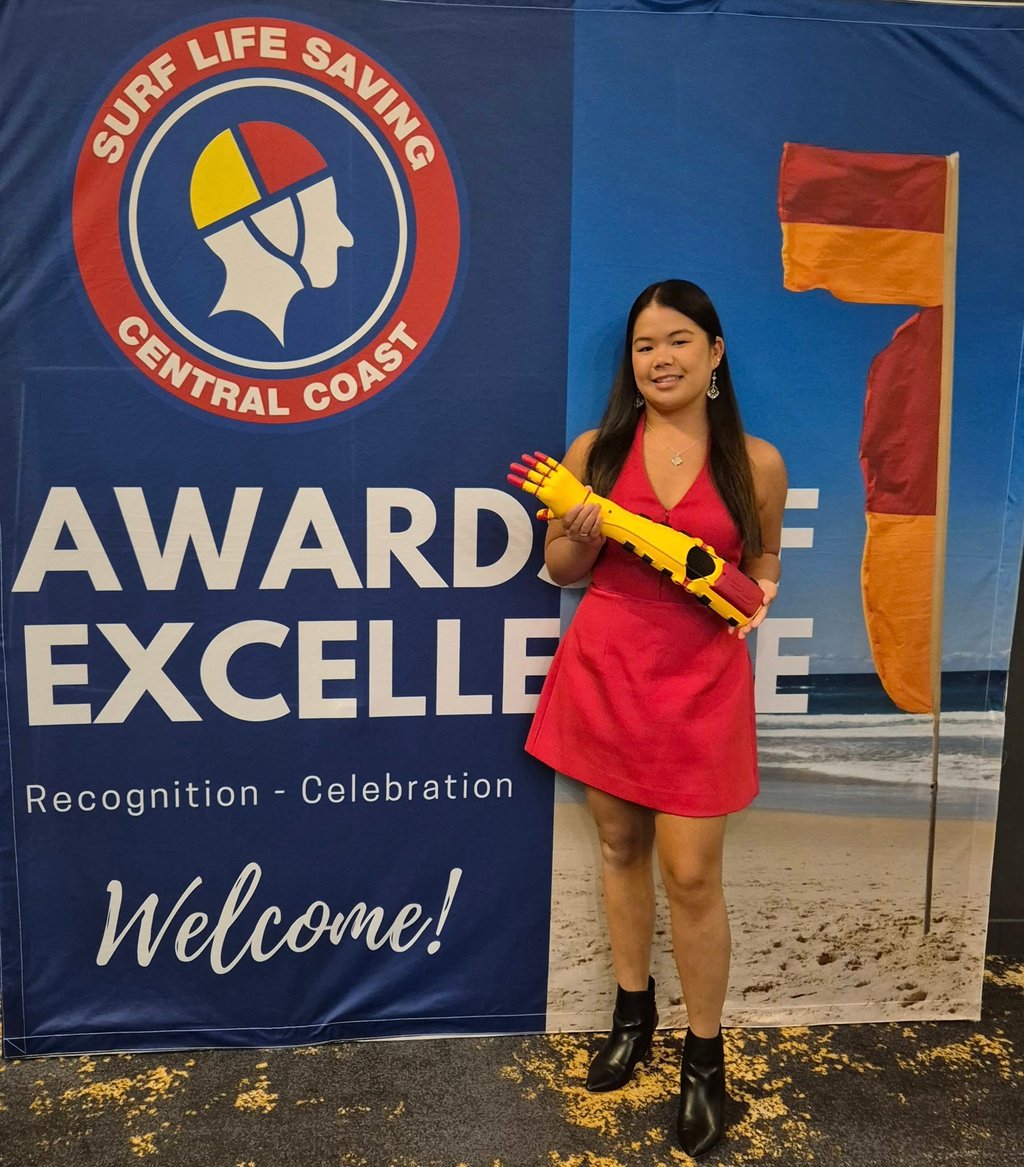
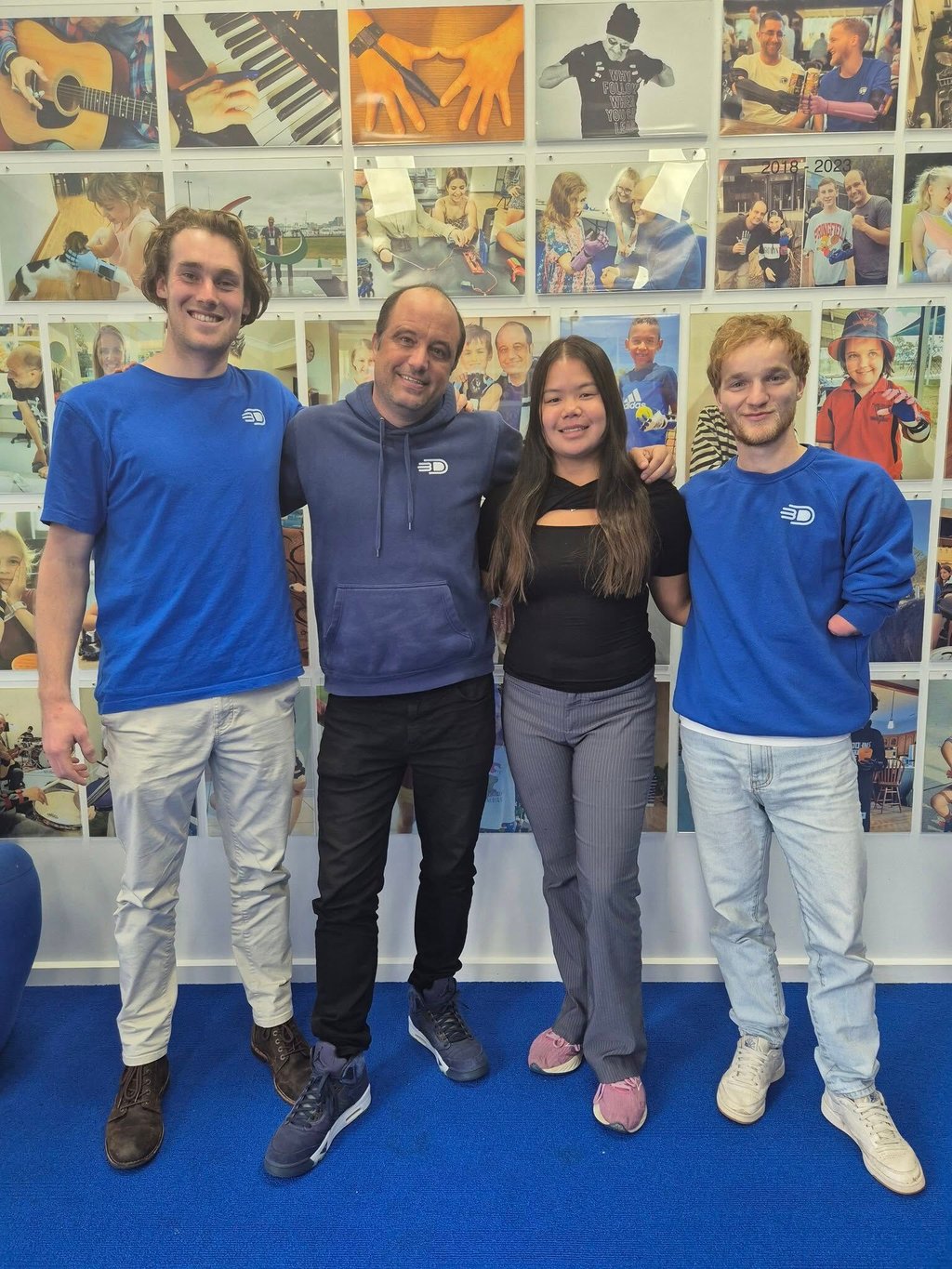
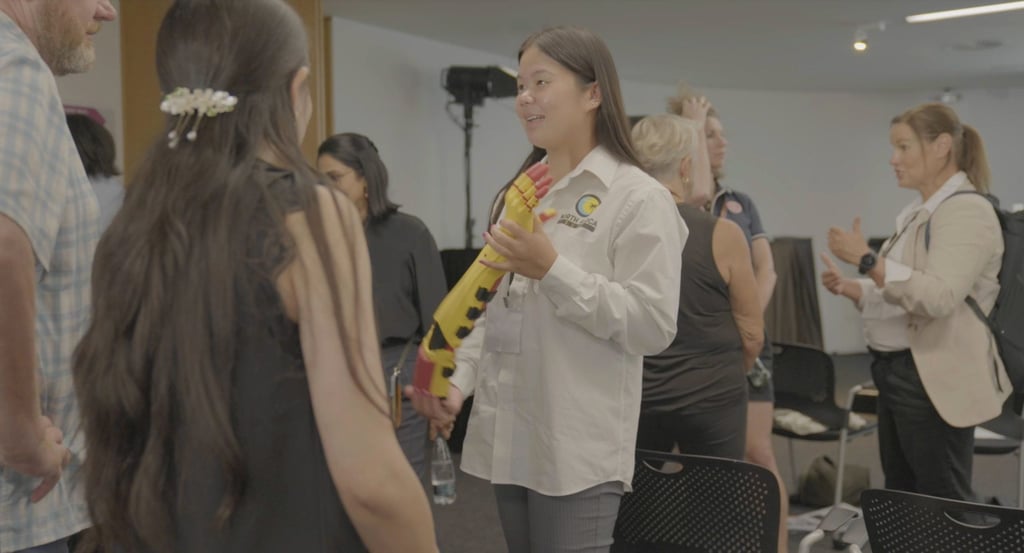
It’s a mindset that drives her interest in prosthetics design, 3D printing and personalised assistive technologies, tools that can be tailored to individual needs. From printing adaptive tools for clients to volunteering with organisations supporting people with limb differences, Layne is already applying her skills in meaningful ways.
“I’ve seen how small design changes can completely improve someone’s quality of life.”
Community, culture and confidence
For Layne, coming to UTS was also about stepping outside her comfort zone. Commuting from the Central Coast, she made the decision to challenge herself, academically, socially and personally. Then what she found was a community that expanded her worldview.
“The multicultural environment at UTS is incredible,” she says. “You meet people from different backgrounds, and you learn so much just from being around them.”
That environment has also helped her reconnect with her own identity.
“Students here embrace their culture and that encouraged me to do the same.”
Designing for impact
Layne’s impact extends beyond the classroom. Through a Women in Engineering scholarship with Engineers Australia, she collaborated with other students to launch an inclusive design challenge, reimagining how major global events like the Olympics could be made more accessible.
The experience opened doors to mentorship, industry networks and new perspectives.
“It showed me how many opportunities are out there and how much we can do as engineers.”
Layne was also recognised as a 2026 finalist for the NSW Young Woman of the Year Award, celebrating her work in inclusive programs and volunteering.
Engineering a future that matters
Looking ahead, Layne is focused on where engineering and impact intersect. With another industry placement on the horizon, she hopes to continue developing skills in CAD design for engineers, 3D printing in biomedical engineering and assistive technology, working towards more accessible, affordable solutions for people with disability.
“I want to design things that are actually useful, things people will use every day.”
It’s a vision grounded in empathy, shaped by experience and powered by innovation that reflects what studying engineering at UTS is all about.
Thinking about Civil Engineering?
Thinking about studying Civil Engineering in Australia? Discover what Civil Engineers do, the career opportunities available and how studying Civil Engineering...
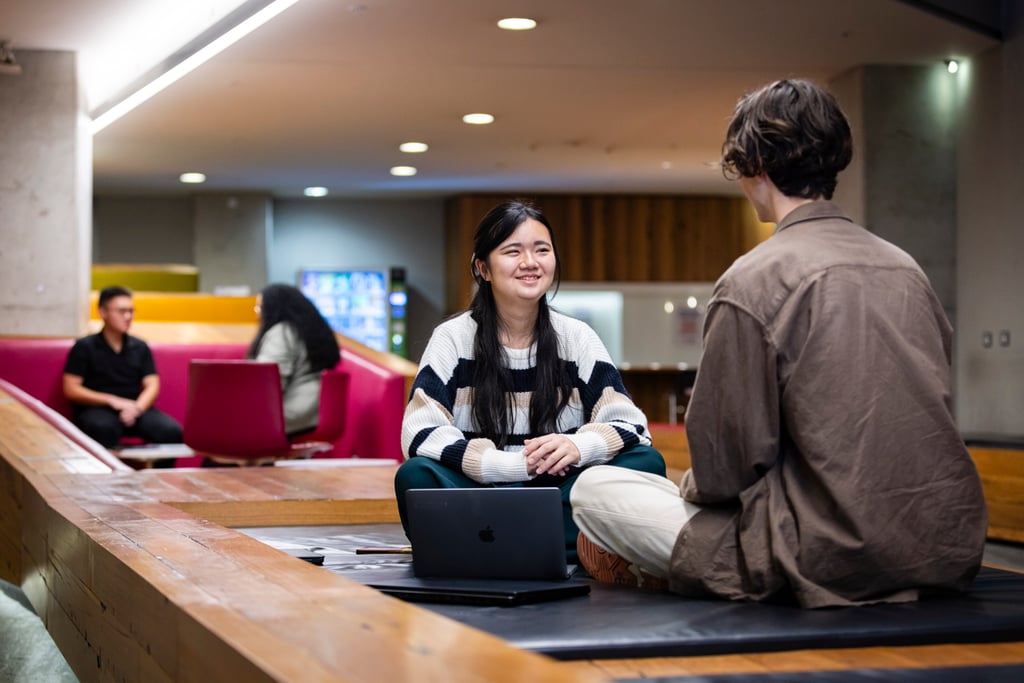
How rankings matter (and don’t) when choosing Engineering and IT
How important are university rankings when choosing where to study Engineering or IT? Explore what rankings can tell you, what they leave out and what to look...
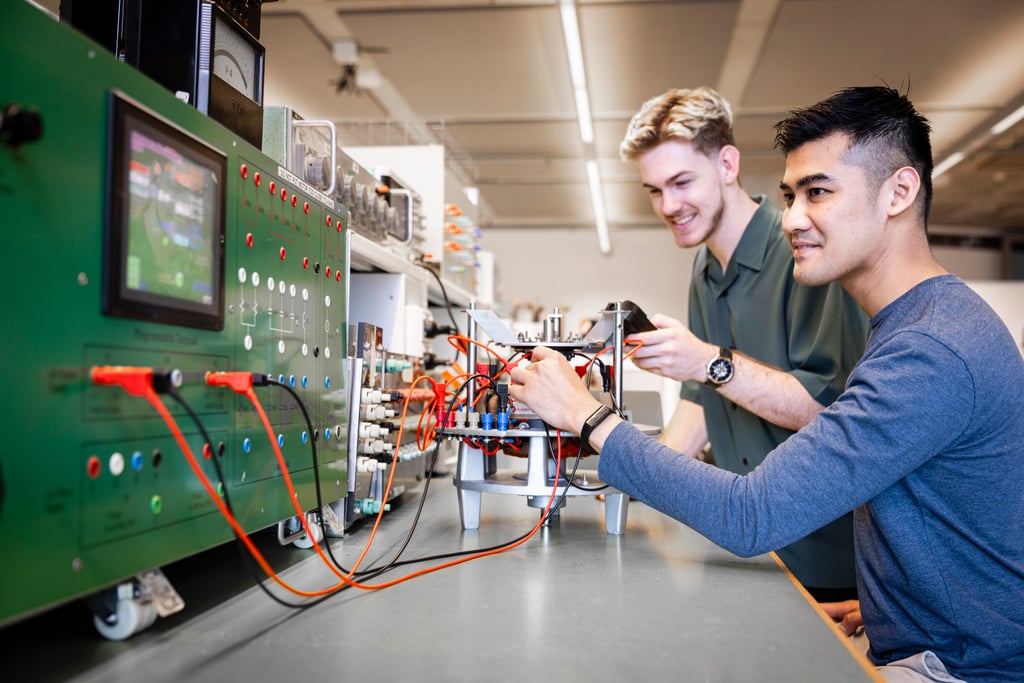
Day in the life of an Electrical Engineering student at UTS
Considering studying Electrical Engineering at UTS? Get a glimpse into a typical day, from hands-on laboratory classes and engineering projects to study...
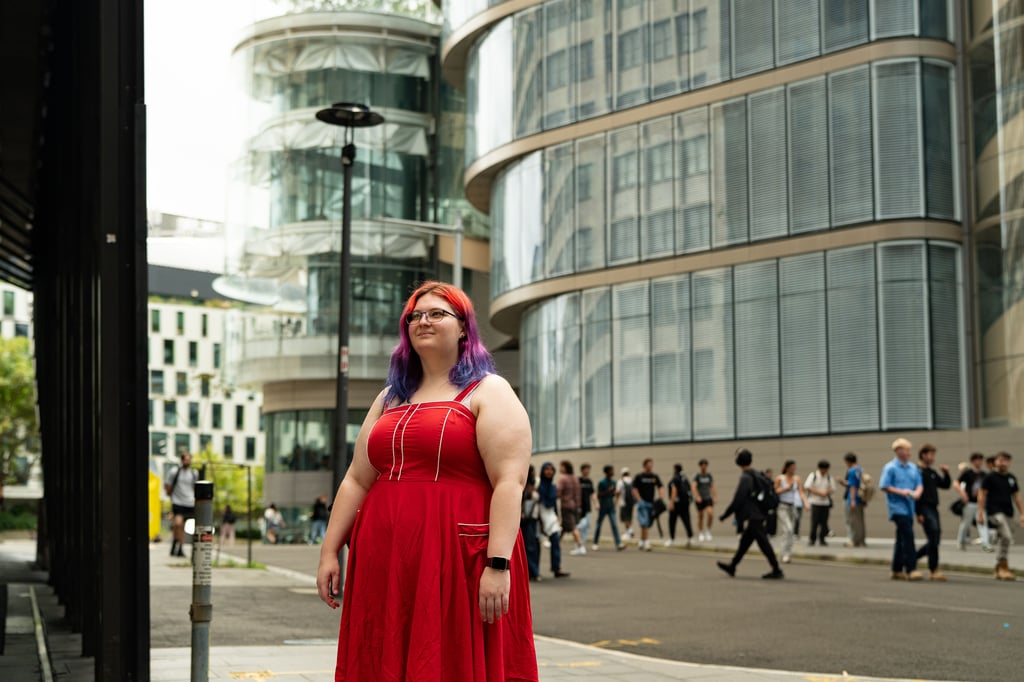
From Country to Cosmos
Where a passion for engineering began long before starting university.
Thinking about Civil Engineering?
Thinking about studying Civil Engineering in Australia? Discover what Civil Engineers do, the career opportunities available and how studying Civil Engineering...
How rankings matter (and don’t) when choosing Engineering and IT
How important are university rankings when choosing where to study Engineering or IT? Explore what rankings can tell you, what they leave out and what to look...
Day in the life of an Electrical Engineering student at UTS
Considering studying Electrical Engineering at UTS? Get a glimpse into a typical day, from hands-on laboratory classes and engineering projects to study...
From Country to Cosmos
Where a passion for engineering began long before starting university.