


How mechanical and mechatronics engineering led Aalia to working in renewable energy.
Aalia Nasser didn’t choose an engineering degree at UTS because she had everything mapped out. She chose it because she wanted to keep her options open and step into a future full of possibility.
While exploring open days across universities in Sydney, she found herself comparing campuses, courses and cultures. But one experience stood out. UTS felt different, it was more dynamic, more connected to industry, and more aligned with where the future is heading.
“It felt innovative and forward-looking,” she says. That first impression quickly turned into something more concrete when she discovered the Women in Engineering and IT (WiEIT) community, a dedicated community for women in STEM. The sense of belonging, the strong support network, and the opportunity to get involved in outreach made her decision clear.
Now studying a Bachelor of Engineering (Honours) in Mechanical and Mechatronics Engineering, Aalia describes her UTS experience in one word: action-packed.
Hands-on learning at UTS
From the beginning, her engineering degree has been anything but traditional. At UTS, studio-based learning replaces standard exams with hands-on projects that reflect real engineering challenges. Instead of memorising theory, Aalia has built and tested robots, collaborated in teams, and presented real outcomes, developing both technical expertise and the confidence to communicate her ideas.
It’s this practical, industry-focused approach that helped her see what engineering can really look like beyond the classroom and where it can take her.
You’re not just learning theory, you’re applying it constantly.
Building confidence through the UTS community
Aalia didn’t wait for opportunities to come to her. From her first weeks on campus, she said "yes". Signing up to volunteer through ActivateUTS and UTS SOUL, and gradually stepping into outreach programs and leadership roles.
“Volunteering was the best decision I made,” she says. “It opened doors to everything else.”
Through WiEIT outreach programs, she’s worked with school students, teaching coding, robotics and problem-solving. Along the way, she’s built confidence and found her voice in a field where women are still underrepresented.
“In some classes, there are only a few women,” she says. “But that pushes me to back myself. You come to know you do belong.”
Turning an engineering degree into real-world impact
That growing confidence has shaped how Aalia approaches her studies, not just as a degree, but as a way to create meaningful impact.
Thanks to the UTS industry-connected learning model, she’s already stepped into the professional world as an undergraduate engineer, working on a major renewable energy infrastructure project. She’s contributing to transmission systems that will help connect Snowy 2.0 to homes across Australia, work that operates at real scale and real significance.
“I’m learning that engineers are making decisions that affect people and the environment,” she says. “If you care about sustainability or humanitarian issues, engineering is how you can create genuine change.”
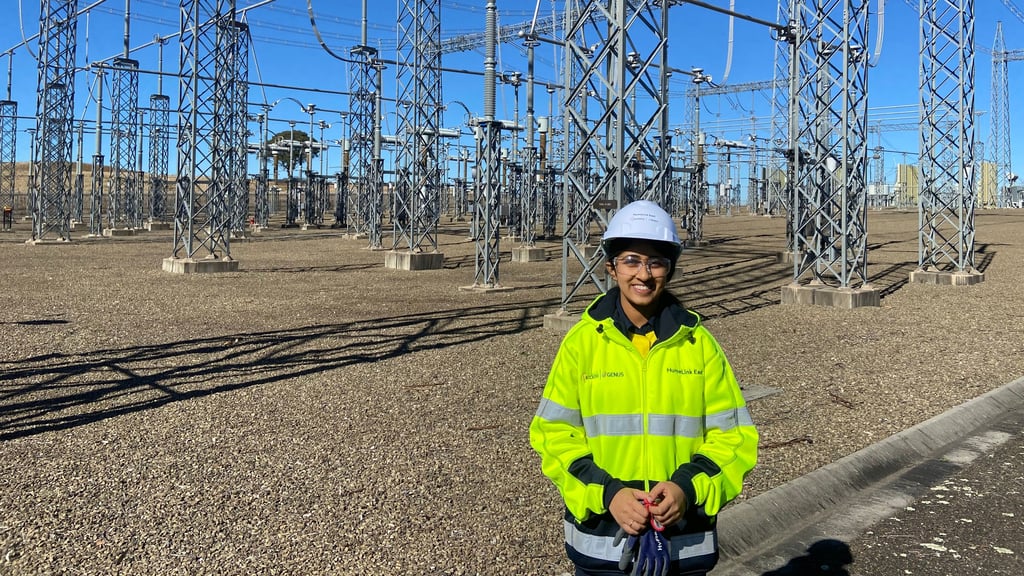
“I’m learning that engineers are making decisions that affect people and the environment. If you care about sustainability or humanitarian issues, engineering is how you can create genuine change.”
Aalia Nasser
An engineering degree at UTS that opens doors
For Aalia, studying mechanical and mechatronic engineering at UTS hasn’t narrowed her path—it’s expanded it. Whether it’s infrastructure, sustainability or startups, her degree continues to open doors and reveal new possibilities.
But the most important transformation hasn’t just been technical, it’s personal. Balancing study, a long commute, volunteering and industry experience has taught her discipline, adaptability and clarity about what matters most.
“You learn quickly how to manage your time, and when to say no,” she says.
Looking back, Aalia wishes she’d understood earlier just how much freedom university offers, and how powerful it can be when you use it well.
Her advice to future students, especially women considering engineering or STEM, is simple but powerful:
“You don’t need to have all the answers. Just take the first step, opportunities build from there.”
Webpage
Thinking about Civil Engineering?
Thinking about studying Civil Engineering in Australia? Discover what Civil Engineers do, the career opportunities available and how studying Civil Engineering...
Webpage
How rankings matter (and don’t) when choosing Engineering and IT
How important are university rankings when choosing where to study Engineering or IT? Explore what rankings can tell you, what they leave out and what to look...
Webpage
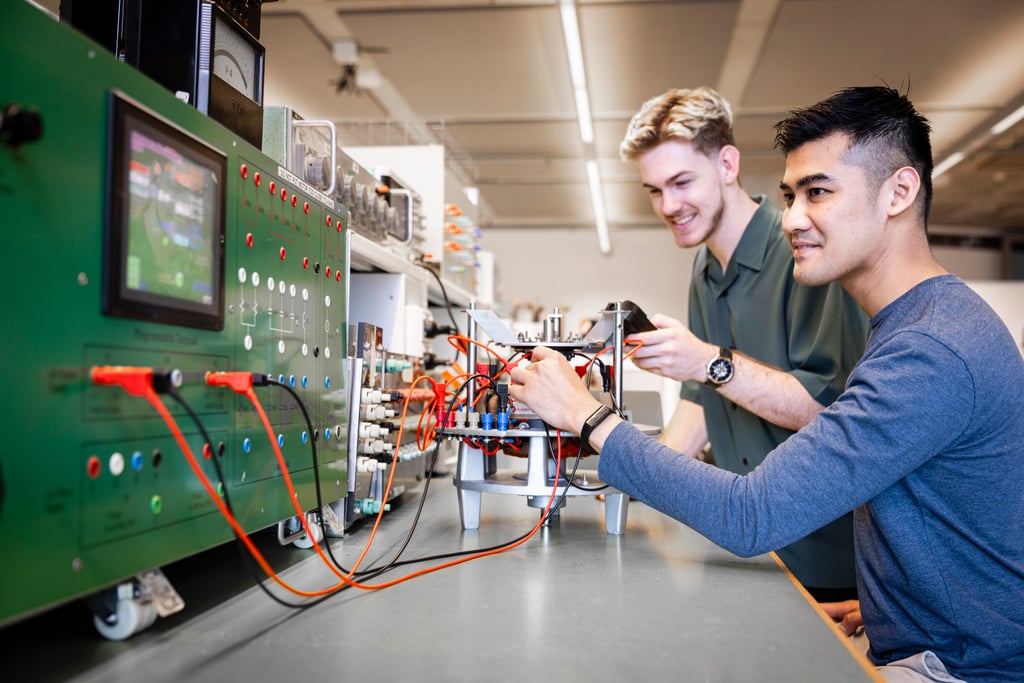
Day in the life of an Electrical Engineering student at UTS
Considering studying Electrical Engineering at UTS? Get a glimpse into a typical day, from hands-on laboratory classes and engineering projects to study...
Webpage
From Country to Cosmos
Where a passion for engineering began long before starting university.
Webpage
Thinking about Civil Engineering?
Thinking about studying Civil Engineering in Australia? Discover what Civil Engineers do, the career opportunities available and how studying Civil Engineering...
Webpage
How rankings matter (and don’t) when choosing Engineering and IT
How important are university rankings when choosing where to study Engineering or IT? Explore what rankings can tell you, what they leave out and what to look...
Webpage
Day in the life of an Electrical Engineering student at UTS
Considering studying Electrical Engineering at UTS? Get a glimpse into a typical day, from hands-on laboratory classes and engineering projects to study...
Webpage
From Country to Cosmos
Where a passion for engineering began long before starting university.