

Timeframe
-
2025
SDGs
-
1. No Poverty
-
10. Reduced Inequalities
-
11. Sustainable Cities and Communities
- Posted on 6 Aug 2026
- 4-minute read
Australia is currently experiencing a housing crisis.
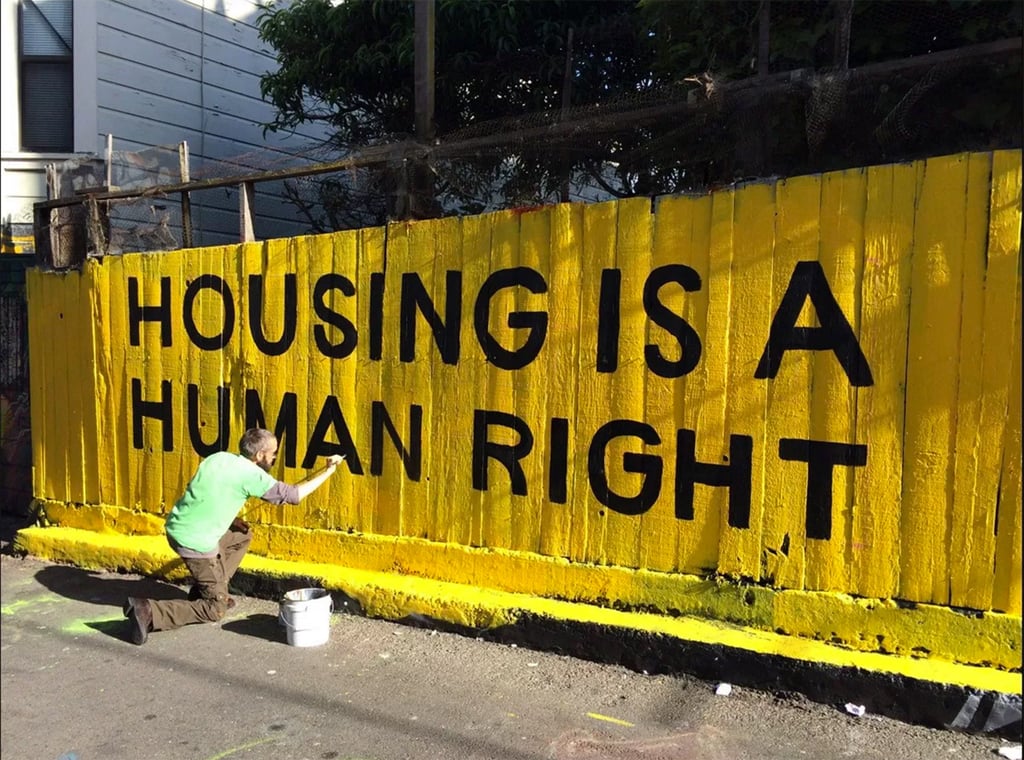
Housing is increasingly unaffordable, and inequality in housing is growing. The human right to housing offers a response to this crisis that centres human agency, dignity and equality.
In The Right to Housing in Australia report, Professor Hohmann from the Faculty of Law argues that recognising a legal right to housing can underpin new policy responses and help build a fairer and more just housing system.
Adequate housing shields us from the elements and from external threats and pressures. It gives us a base from which we can take part in the life of the community, and from where we can build a livelihood, take part in education, and contribute to society. Housing also provides a space where the private aspects of our lives are fostered and supported. The way people are housed reflects a social and political agreement about what standards of living, levels of inequality and social exclusion we tolerate or condone. Thus, housing provides not just material shelter but helps set physical boundaries of belonging and community.
Yet too many Australians are homeless, live in inadequate, insecure or unsafe housing, or need to sacrifice other necessities – from food to school uniforms – to keep a roof over their heads. The most recent census recorded more than 120,000 people experiencing homelessness, with many others at risk. Young people, older women, survivors of domestic violence and First Nations peoples are disproportionately affected. Housing inequality drives broader inequalities in health, social participation and contact with the justice system. Recognising a right to housing in Australian law is a vital step toward a more equal Australia, now and into the future.
Targets
1.3 Implement nationally appropriate social protection systems and measures for all, including floors, and by 2030 achieve substantial coverage of the poor and the vulnerable
1.4 By 2030, ensure that all men and women, in particular the poor and the vulnerable, have equal rights to economic resources, as well as access to basic services, ownership and control over land and other forms of property, inheritance, natural resources, appropriate new technology and financial services, including microfinance
1.b Create sound policy frameworks at the national, regional and international levels, based on pro-poor and gender-sensitive development strategies, to support accelerated investment in poverty eradication actions
10.3 Ensure equal opportunity and reduce inequalities of outcome, including by eliminating discriminatory laws, policies and practices and promoting appropriate legislation, policies and action in this regard
10.4 Adopt policies, especially fiscal, wage and social protection policies, and progressively achieve greater equality
11.1 By 2030, ensure access for all to adequate, safe and affordable housing and basic services and upgrade slums
Key collaborators
The Human Rights Law Centre
Researchers

Professor, Faculty of Law
Daney Faddoul
Campaign Manager, Human Rights Law Centre

Webpage
Bioengineering Protein Nanocages into Multi-target Vaccines for Alzheimer’s Disease
Alzheimer's disease (AD) is characterised by the clumping of abnormal proteins in the brain, which increases over time and leads to worsening cognitive...

Webpage
Thrive project: Helping all young Australians finish school well
Completing high school well is a critical milestone that shapes young people’s future opportunities. Yet many students, particularly those facing social,...
Webpage
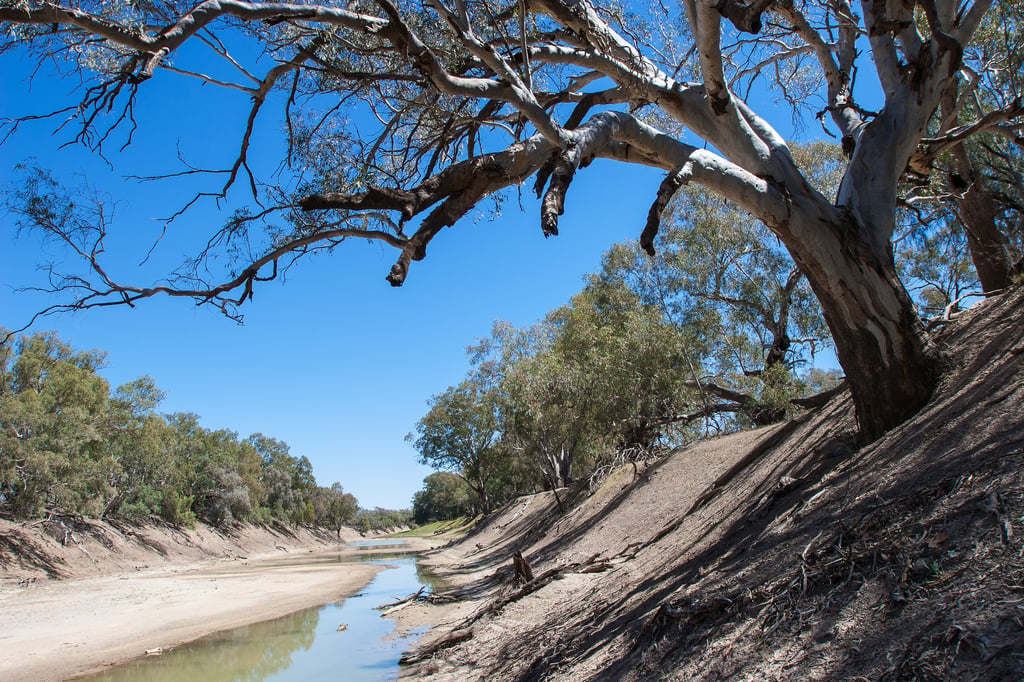
Can the Darling River System survive both climate change and mismanagement?
Water levels in the Darling River are notoriously irregular but decreasing rapidly. Darling River water is critical for the Murray-Darling Basin and in recent...
Webpage
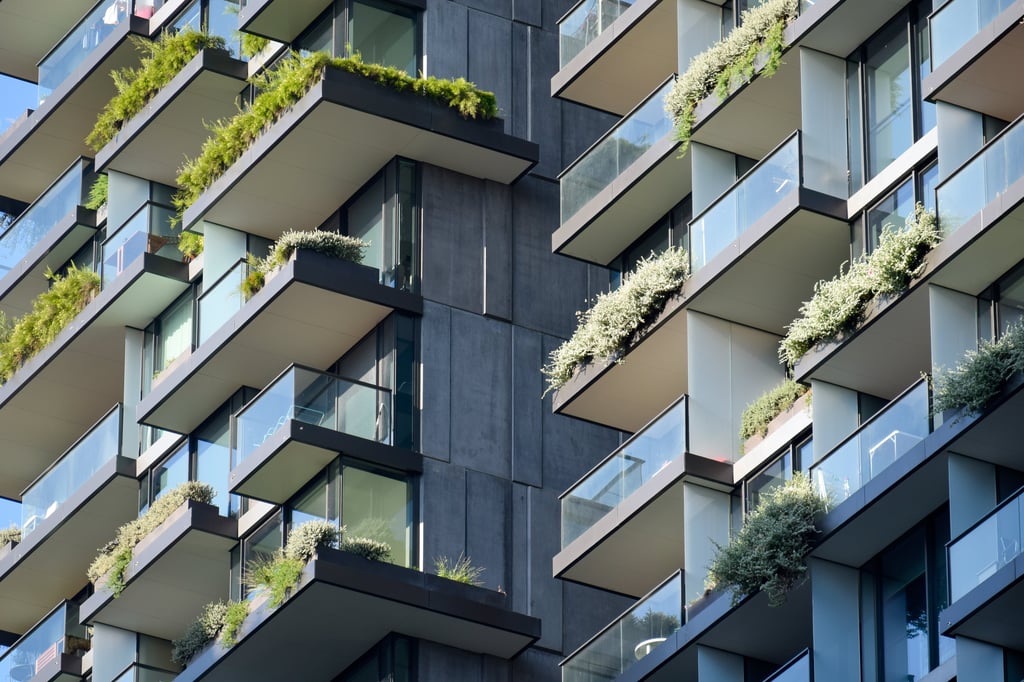
A pathway to home ownership for ‘generation rent’
Breaking into home ownership in Australia has never been more difficult. It takes longer to save for a deposit, and repayments are harder to afford....
Webpage
Bioengineering Protein Nanocages into Multi-target Vaccines for Alzheimer’s Disease
Alzheimer's disease (AD) is characterised by the clumping of abnormal proteins in the brain, which increases over time and leads to worsening cognitive...
Webpage
Thrive project: Helping all young Australians finish school well
Completing high school well is a critical milestone that shapes young people’s future opportunities. Yet many students, particularly those facing social,...
Webpage
Can the Darling River System survive both climate change and mismanagement?
Water levels in the Darling River are notoriously irregular but decreasing rapidly. Darling River water is critical for the Murray-Darling Basin and in recent...
Webpage
A pathway to home ownership for ‘generation rent’
Breaking into home ownership in Australia has never been more difficult. It takes longer to save for a deposit, and repayments are harder to afford....