


Timeframe
-
2024 -2025
LEad Resaarchers
-
Dr Peter Irga
-
Dr Yuhan Huang
-
Professor Fraser Torpy
-
Professor Sebastian Pfautsch (WSU)
SDGs
-
11. Sustainable Cities and Communities
-
13. Climate Action
-
17. Partnerships for the Goals
Collaborators
-
Future Village Pty Ltd
-
Office of the NSW Chief Scientist and Engineer
- Posted on 15 Aug 2025
A new Plantabox system to help cool Cities Sustainably with Modular, Water-Efficient Green Infrastructure
Like the global trend, extreme heat events in Australia are expected to become more frequent, intense and longer in the coming decades. With this shift, the phenomenon of urban heat islands (UHI), where city areas experience significantly higher temperatures than their rural surroundings, is becoming more noticeable. The best solution to mitigate the Urban Heat Island (UHI) effect is to increase tree canopy. Unfortunately, there are many areas within the built environment that are unable to house trees and these areas often correspond to where communities congregate such as town centres.
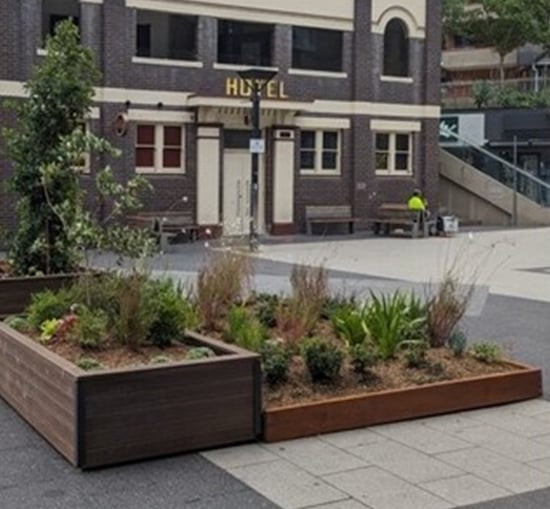
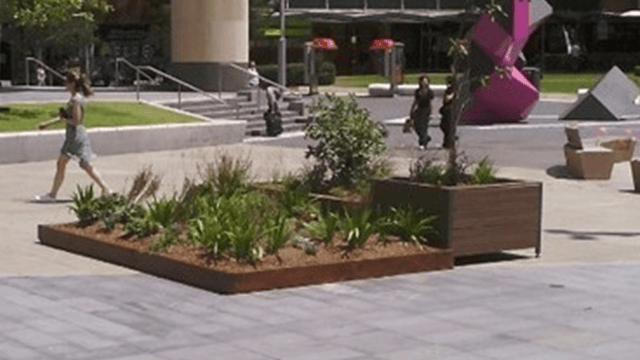
In collaboration with urban forestry industry leaders Future Village Pty Ltd, and with funding from the Office of the NSW Chief Scientist and Engineer, researchers from the Faculty of Engineering and Information Technology have developed a new Plantabox system designed to combat urban heat. The system is free standing, modular, self-watering, and can sit directly on hardscapes.
Its integrated wicking system conserves up to 80% more water than conventional planters while reducing maintenance and enabling the use of recycled or stormwater.
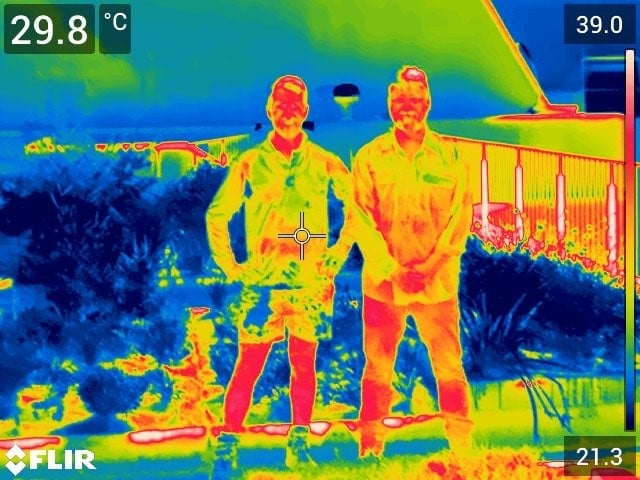
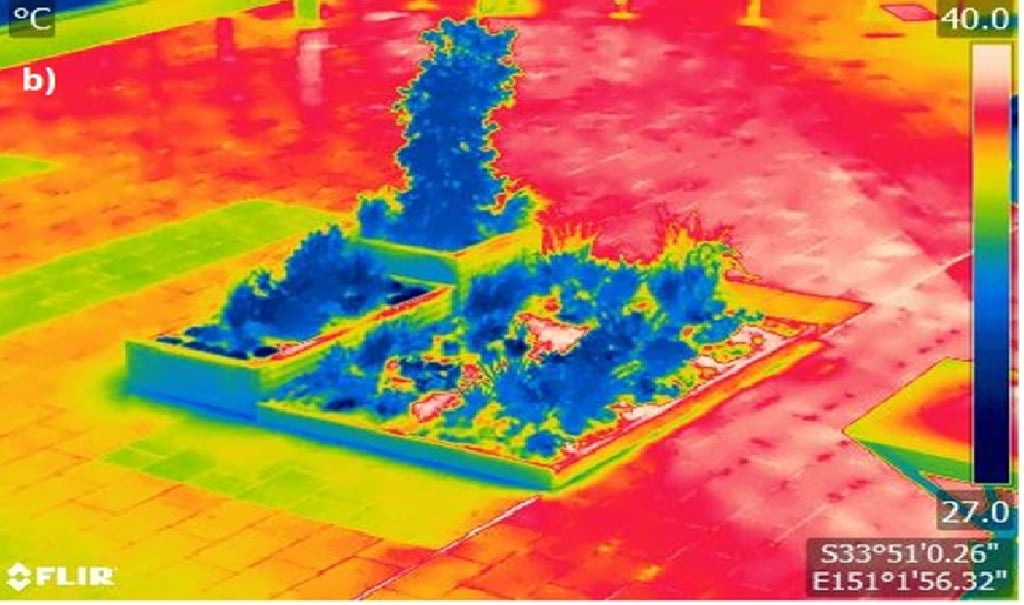
Developing the Plantabox system involved a number of studies into Urban Heat Islands and urban green spaces. These included field testing of multiple installations in heat effected areas using thermal imaging to determine the effect on surface and microclimates, and computational Fluid Dynamics (CFD) modelling to assess the potential for mitigating the UHI, and its influence on wind flow patterns during hot summer conditions. The potential for the reduction of heating energy consumption in buildings through employing the system as a green roof has also been examined using building simulation modelling, and now empirical testing in Phase 2 of the project.
The results of these studies indicate that the Plantabox system offers a simple, passive solution to mitigate extreme summer heat in street canyons and town centres. Empirical data showed immediate surface cooling of 12-14°C, while modelling suggested broader cooling effects through vegetation and altered wind flow, with garden trays providing a cost-effective approach for large-scale implementation, including green roofs.
Researchers

Associate Professor, Faculty of Engineering & Information Technology

Senior Lecturer, Faculty of Engineering & Information Technology

Associate Professor, Faculty of Science
Professor Sebastian Pfautsch (WSU)

Webpage
Bioengineering Protein Nanocages into Multi-target Vaccines for Alzheimer’s Disease
Alzheimer's disease (AD) is characterised by the clumping of abnormal proteins in the brain, which increases over time and leads to worsening cognitive...
Webpage
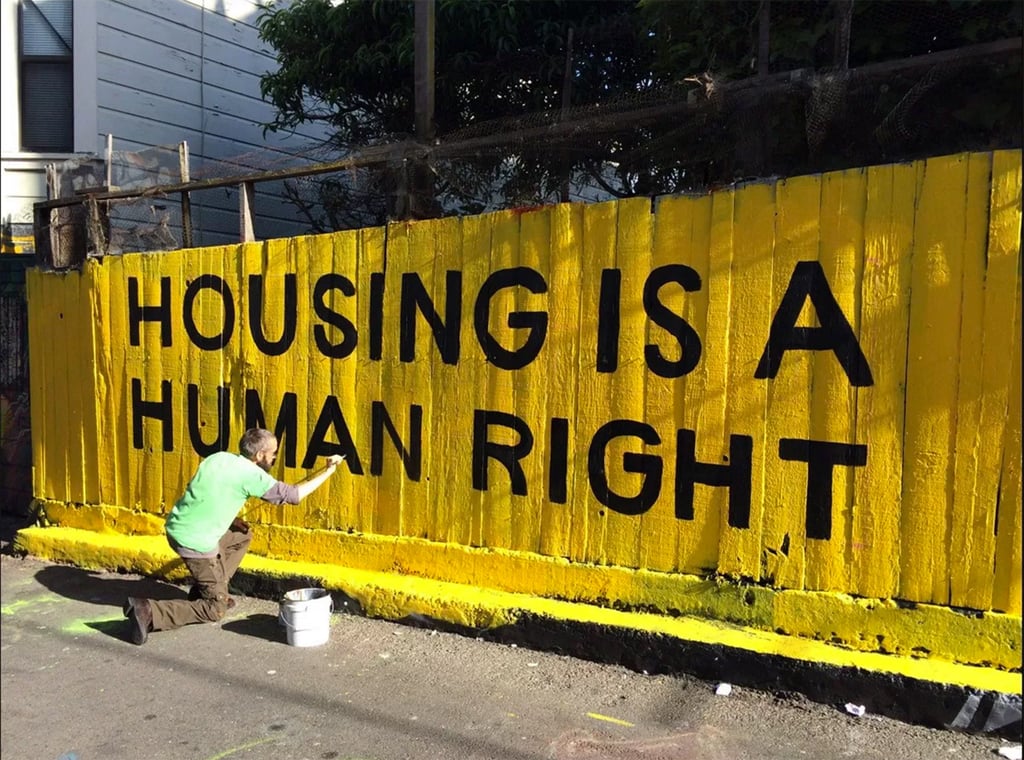
The Right to Housing in Australia
Housing is increasingly unaffordable, and inequality in housing is growing. The human right to housing offers a response to this crisis that centres human...

Webpage
Thrive project: Helping all young Australians finish school well
Completing high school well is a critical milestone that shapes young people’s future opportunities. Yet many students, particularly those facing social,...
Webpage
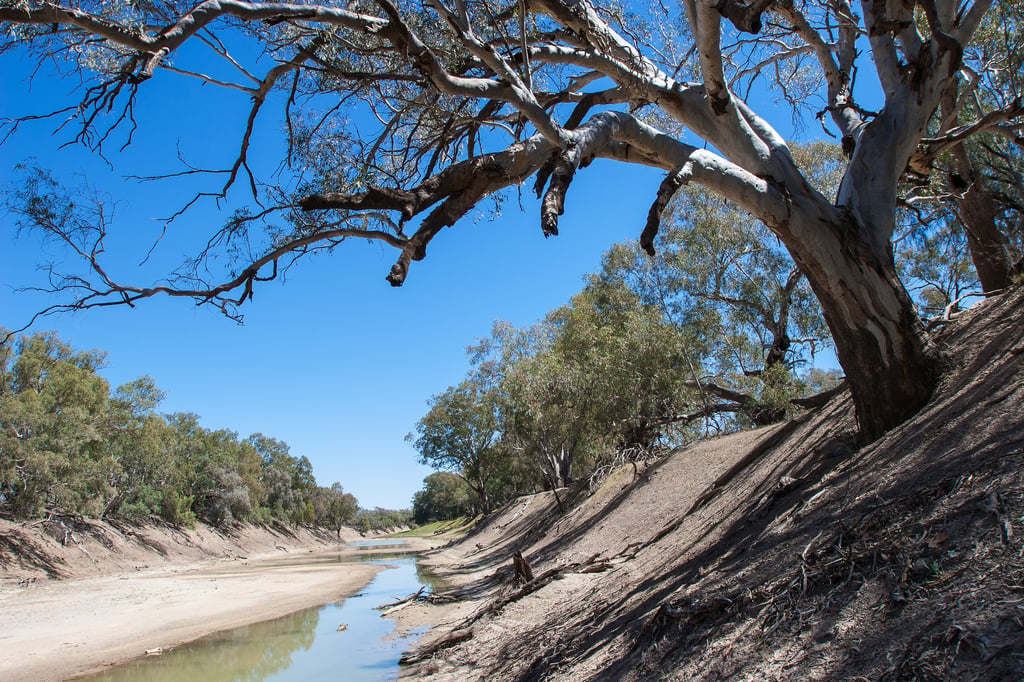
Can the Darling River System survive both climate change and mismanagement?
Water levels in the Darling River are notoriously irregular but decreasing rapidly. Darling River water is critical for the Murray-Darling Basin and in recent...
Webpage
Bioengineering Protein Nanocages into Multi-target Vaccines for Alzheimer’s Disease
Alzheimer's disease (AD) is characterised by the clumping of abnormal proteins in the brain, which increases over time and leads to worsening cognitive...
Webpage
The Right to Housing in Australia
Housing is increasingly unaffordable, and inequality in housing is growing. The human right to housing offers a response to this crisis that centres human...
Webpage
Thrive project: Helping all young Australians finish school well
Completing high school well is a critical milestone that shapes young people’s future opportunities. Yet many students, particularly those facing social,...
Webpage
Can the Darling River System survive both climate change and mismanagement?
Water levels in the Darling River are notoriously irregular but decreasing rapidly. Darling River water is critical for the Murray-Darling Basin and in recent...