


Timeframe
-
2022 - 2024
Lead researcher
-
Associate Professor Yongjian Ke
SDGs
-
11. Sustainable Cities and Communities
-
3. Good Health and Well Being
-
17. Partnerships for the Goals
- Posted on 15 Aug 2025
Public-private partnerships have the potential to support socially sustainable aged care by developing frameworks, indicators, and critical practices that improve service quality, stakeholder wellbeing, and equity across institutional, national, and cross-cultural contexts.
The growing aged population presents a critical social challenge, placing increasing pressure on public systems to provide accessible, high-quality aged care. In both developed and developing countries, existing aged care models face persistent issues such as inequitable access, unmet health and comfort needs, and poor working conditions for care staff. Public-Private Partnerships (PPPs) have emerged as a promising approach to deliver aged care services by combining public oversight with private sector capabilities. However, the social sustainability of these partnerships remains under-examined.
Researchers from the UTS School of Built Environment aimed to improve the social sustainability of aged care systems within a Public-Private Partnership approach. Through mixed-method research across Australia and China, including content analysis, stakeholder engagement, and multiple case studies, the project identified 42 critical practices, 21 realisation paths, and an indicator framework comprising 21 measurable dimensions of social sustainability. The research also found that successful PPP-based aged care services require stakeholder-centred governance, early planning, and alignment with long-term social outcomes. This research directly supports SDG 17: Partnerships for the Goals by demonstrating how structured collaboration between governments, private investors, and service providers can deliver aged care that is socially sustainable, responsive to diverse needs, and scalable across different national contexts.
Researchers

Associate Professor, Graduate Research, Faculty of Design and Society

Professor, Faculty of Design and Society
- Professor Bo Xia, Queensland University of Technology
- Dr Kun Wang, Ningbo University, China

Webpage
Bioengineering Protein Nanocages into Multi-target Vaccines for Alzheimer’s Disease
Alzheimer's disease (AD) is characterised by the clumping of abnormal proteins in the brain, which increases over time and leads to worsening cognitive...
Webpage
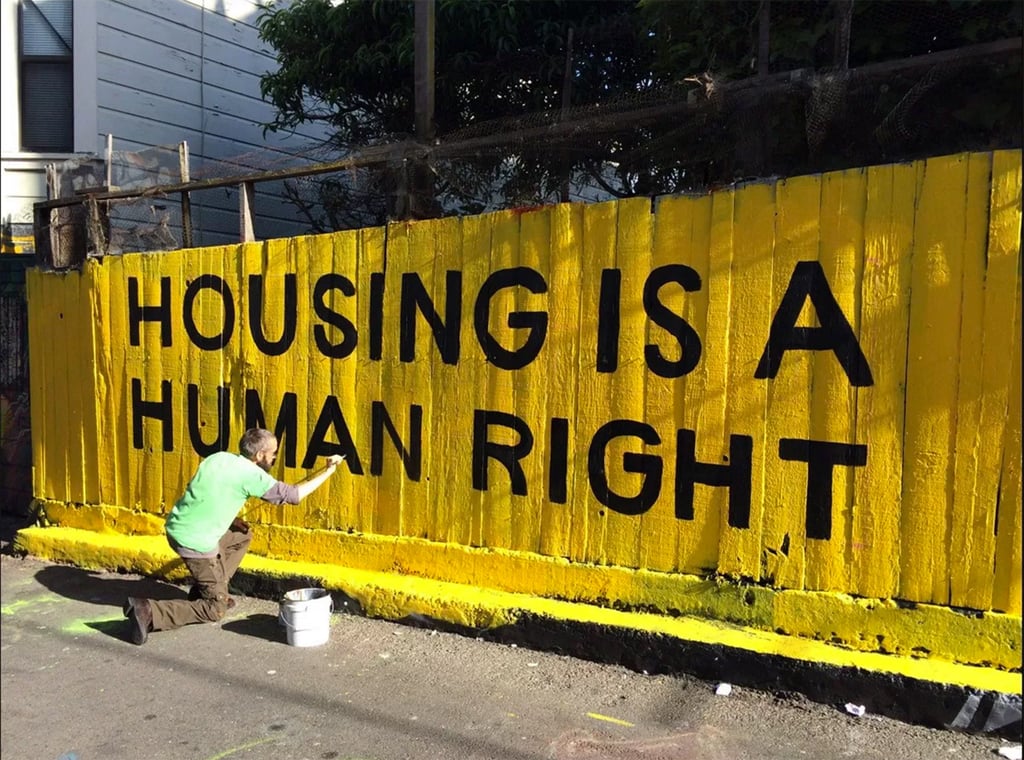
The Right to Housing in Australia
Housing is increasingly unaffordable, and inequality in housing is growing. The human right to housing offers a response to this crisis that centres human...

Webpage
Thrive project: Helping all young Australians finish school well
Completing high school well is a critical milestone that shapes young people’s future opportunities. Yet many students, particularly those facing social,...
Webpage
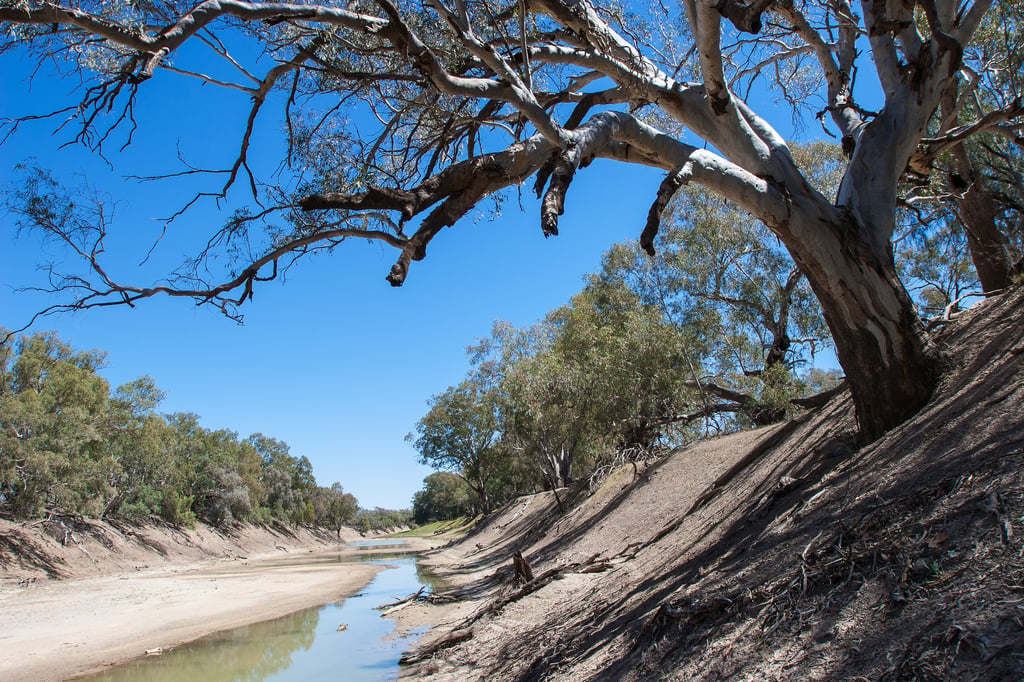
Can the Darling River System survive both climate change and mismanagement?
Water levels in the Darling River are notoriously irregular but decreasing rapidly. Darling River water is critical for the Murray-Darling Basin and in recent...
Webpage
Bioengineering Protein Nanocages into Multi-target Vaccines for Alzheimer’s Disease
Alzheimer's disease (AD) is characterised by the clumping of abnormal proteins in the brain, which increases over time and leads to worsening cognitive...
Webpage
The Right to Housing in Australia
Housing is increasingly unaffordable, and inequality in housing is growing. The human right to housing offers a response to this crisis that centres human...
Webpage
Thrive project: Helping all young Australians finish school well
Completing high school well is a critical milestone that shapes young people’s future opportunities. Yet many students, particularly those facing social,...
Webpage
Can the Darling River System survive both climate change and mismanagement?
Water levels in the Darling River are notoriously irregular but decreasing rapidly. Darling River water is critical for the Murray-Darling Basin and in recent...