


Research Team
-
A/Prof Md Maruf Hossan Chowdhury, A/Prof Timo Rissanen, Dr Taylor Bridges
Sustainable Development Goals
-
12. Responsible Consumption and Production
-
13. Climate Action
- Posted on 9 Feb 2026
Australia is one of the highest consumers of clothing globally per capita, with the average person purchasing 56 garments annually – far exceeding the recommended 5–7 garments per year in keeping with sustainability guidelines. In an era of fast fashion exacerbated by social media, where individuals are enticed to click and purchase, what alternatives are there? And how can we make fashion more sustainable for everyone?
The Challenge
Overconsumption, driven by fast and ultra-fast fashion, contributes significantly to climate change, biodiversity loss, and waste. Special occasion garments, often resource-intensive to produce, are typically worn once or twice, amplifying their environmental footprint.
This leaves the fashion industry with a critical challenge: how to reduce consumption and environmental impact of clothing production while offering style and self-expression. As traditional sustainability efforts have struggled to keep pace with rising production volumes, there is an urgent need to explore alternative ways to decouple fashion enjoyment from ownership and overproduction.
The Solution
One alternative to fast fashion production and consumption is garment rental. To better understand the social dynamics of rental, including motivations, barriers, and the potential for mainstream adoption, UTS Business School’s Centre for Climate Risk and Resilience collaborated with academics from the Centre of Excellence in Sustainable Fashion & Textiles and the Institute for Sustainable Futures to partner with leading peer-to-peer fashion rental site “The Volte”.
The research team conducted a comprehensive study to assess the environmental and social sustainability of fashion rental. The study applied Life Cycle Analysis (LCA) to nine of The Volte’s most-rented garments, comparing the climate change impact of rental versus ownership models. It also included surveys of nearly 900 renters and interviews with “Super Lenders”: women entrepreneurs who operate microbusinesses through the platform.
Outcome and Impact
This research highlights how the rental garment industry can help to democratise access to designer fashion while promoting conscious consumption. By shifting garments from low-use ownership to high-use rental, The Volte’s model aligns with circular economy principles and offers a scalable solution to fashion’s sustainability crisis.
Critically, this research demonstrates that garment rental substantially increases the frequency a garment is worn while reducing emissions in each wear—by up to 78% in the case of low-frequency garments. This effect is driven by higher utilisation rates and renters’ motivations, which include sustainability concerns, affordability, and access to designer fashion for special occasions. The findings also reveal that the rental model is fostering emergent economic ecosystems, with women-led microbusinesses sustaining complementary local services such as dry cleaning and tailoring/alteration, particularly within regional communities.
By demonstrating how Australian women can “buy less but have more,” this research contributes to reimagining fashion consumption in ways that are economically empowering, socially inclusive, and environmentally responsible. The concept of “impact per wear” offers a new metric for evaluating fashion sustainability, with potential to inform future research, policy, and consumer education. This research confirms that the future of fashion is shareable and that peer-to-peer fashion rental can be a viable pathway to reducing the environmental footprint of clothing.
Research Outputs
Media
- Aitken, A (Host). (2025, April 2). Hemlines & Headlines: Fashion’s Climate Story [Audio podcast episode]. In Think: Business Futures. 2SER. https://podcasts.apple.com/au/podcast/hemlines-headlines-fashions-climate-story/id1377550490?i=1000715334835
Report
- Rissanen, T., Chowdhury, M., Brydges, T., Willard, G., Wijaya Putra, A., Al-Mamun, A. & Lake, L. (2025). How Australian women bought less but had more: Measuring the environmental sustainability of The Volte’s peer-to-peer clothing rental model. University of Technology Sydney. https://sustainablefashioncentre.com/how-austalian-women-bought-less-but-had-more
Meet our academics

Associate Professor, Business School

Professor, Faculty of Design and Society

Adjunct Fellow, DVC (Research)

Webpage
Beyond the numbers: Women’s influence on ASX200 boards
In 2005 women held a mere 9.6% of non-executive director seats on Australian ASX200 boards; a figure, that through the implementation of quotas and targets,...
Webpage
Industry partnership: SXSW Sydney
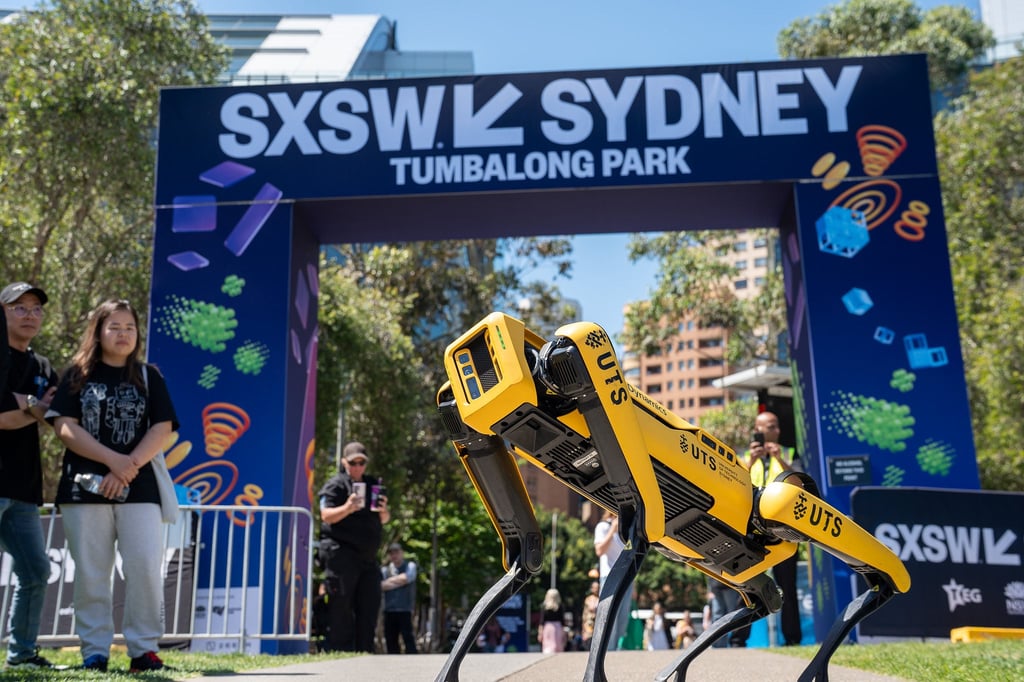
For the past two years, UTS has partnered with SXSW Sydney to support their global event, finding common ground in their shared commitment to creativity,...

Webpage
The role of social norms and misperceptions on Muslim women’s work outcomes
In Australia's diverse professional landscape, significant barriers stand between qualified Muslim women and their career aspirations. Despite organisational...

Webpage
Australian electricity price dynamics: The impact of renewable energy
Following ambitious renewable energy targets set by state and federal governments to achieve carbon neutrality by 2050, Australia is leading globally in the...
Webpage
Beyond the numbers: Women’s influence on ASX200 boards
In 2005 women held a mere 9.6% of non-executive director seats on Australian ASX200 boards; a figure, that through the implementation of quotas and targets,...
Webpage
Industry partnership: SXSW Sydney
For the past two years, UTS has partnered with SXSW Sydney to support their global event, finding common ground in their shared commitment to creativity,...
Webpage
The role of social norms and misperceptions on Muslim women’s work outcomes
In Australia's diverse professional landscape, significant barriers stand between qualified Muslim women and their career aspirations. Despite organisational...
Webpage
Australian electricity price dynamics: The impact of renewable energy
Following ambitious renewable energy targets set by state and federal governments to achieve carbon neutrality by 2050, Australia is leading globally in the...