


- Posted on 23 Apr 2026
- 3-minute read
Across industries and societies, rethinking how work and care fit together is essential to unlocking gender equality and building sustainable, thriving workforces for the future.
Despite decades of progress, parents returning from parental leave often face systemic obstacles—rigid workplace norms, inflexible policies, and cultural expectations that undermine careers, limit economic participation, and perpetuate inequality.
So, how can we create workplaces that enable parents to thrive professionally while caring for their families—driving equity, innovation, and impact across sectors worldwide?
Project overview
This research tackles a global challenge: how can society and workplaces truly support parents returning from leave while sustaining careers and care?
We aim to catalyse systemic change by uncovering the hidden “rules-in-use”— the formal and informal norms shaping workplace experiences—and designing solutions that work in practice.
By following parents' return-to-work journeys, starting in Australia, France, and the UK, this project partners with organisations and community stakeholders to rethink how workplaces support care and career.
Utilising a range of different research methods and working closely with participants, the team will create practical, evidence-based resources—from innovative frameworks to practical tools, including a world-first monitoring and benchmarking model—that will help organisations create more supportive and equitable environments.

By rethinking how work and care are valued, this project is looking to reshape more equitable, sustainable workplaces".
Our impact
This project is more than research—it is a blueprint for transformation.
By addressing the critical transition period after parental leave, this research will:
- Advance gender equality globally by dismantling systemic barriers that limit career progression for parents.
- Strengthen workforce sustainability by helping organisations retain skilled talent and foster inclusive cultures.
- Influence policy and practice through evidence-based recommendations that shape national and organisational frameworks.
- Improve societal well-being by enabling parents to balance career and family without compromise—benefiting mental health, child development, and economic stability.
The team will develop a new way for organisations to assess how well they support the intersection of parental care and career. This approach will give workplaces clear insight into what is working, where gaps remain, and how they compare across sectors and countries—driving accountability and inspiring innovation.
By enabling shared learning and scaling of effective practices, the research will help elevate global conversations about care and career, empowering workplaces to value both and, in doing so, unlock human potential and contribute to a more equitable, sustainable future.

TD Research and the Transdisciplinary school acknowledge the financial assistance of the Cotton Research and Development Corporation in order to undertake this research project.
Work with us
We deliver a wide range of research projects for public and private sector partners seeking research expertise and support in overcoming their complex challenges using our unique transdisciplinary (TD) methodology.
To get involved in this research project or to find out how TD Research can help you and your organisation, please email TDResearch@uts.edu.au.
Explore
Research project team

Director, Research, Faculty of Law

Senior Lecturer, Faculty of Law

Professor, Faculty of Design and Society
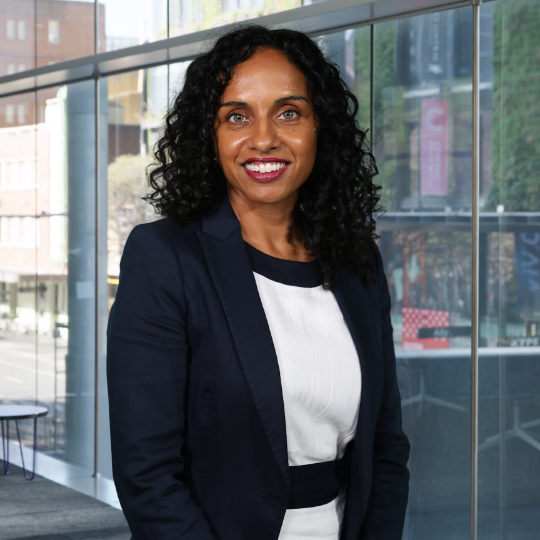
Professor, Faculty of Law
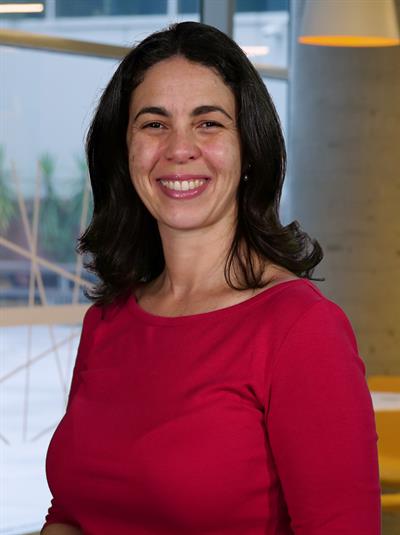
Senior Lecturer, Faculty of Design and Society
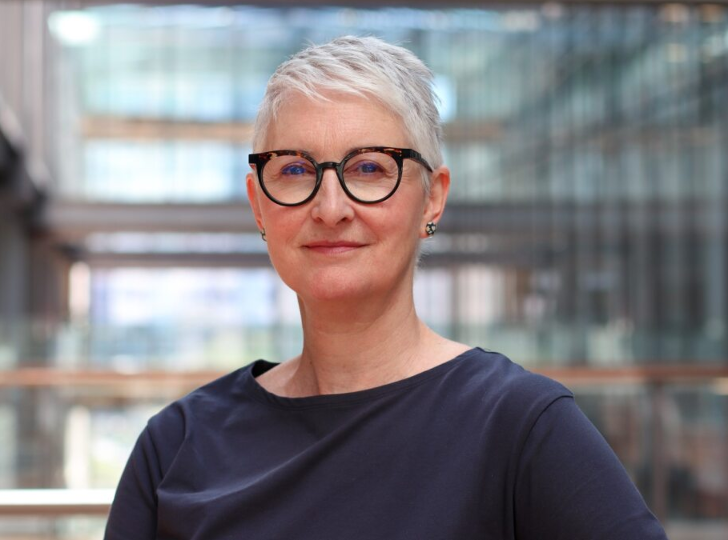
Professor, Faculty of Health
Other researchers working on this project are:
- Tyra White, UTS Transdisciplinary School (PHD Candidate)
- Christina Malatzky, Queensland University of Technology
- Bhanu Bhatia, Charles Darwin University
- Olga Kokshagina, University of Sydney
- Myra Hamilton, University of Sydney
- Natalie Galea, University of Sydney
- Tulin Dzhengiz, Manchester Metropolitan University
- Vildan Tasli, Yalova University
- Jenna Pandeli, University of the West of England
- Elizabeth Franklin-Johnson, Kedge Business School
- Samantha Marshall, La Trobe University
- Serena Sohrab, Ontario Tech University
- Neva Bojovic, Kedge Business School
- Anicia Jaegler, Kedge Business School
- Martina Dickson, Emirates College for Advanced Education
- Heather Jeffrey, University of Birmingham

Salmon farming disclosures
We examined climate-related disclosures for Tassal, Huon and Petuna and identified four key gaps between disclosures and existing climate science and other...
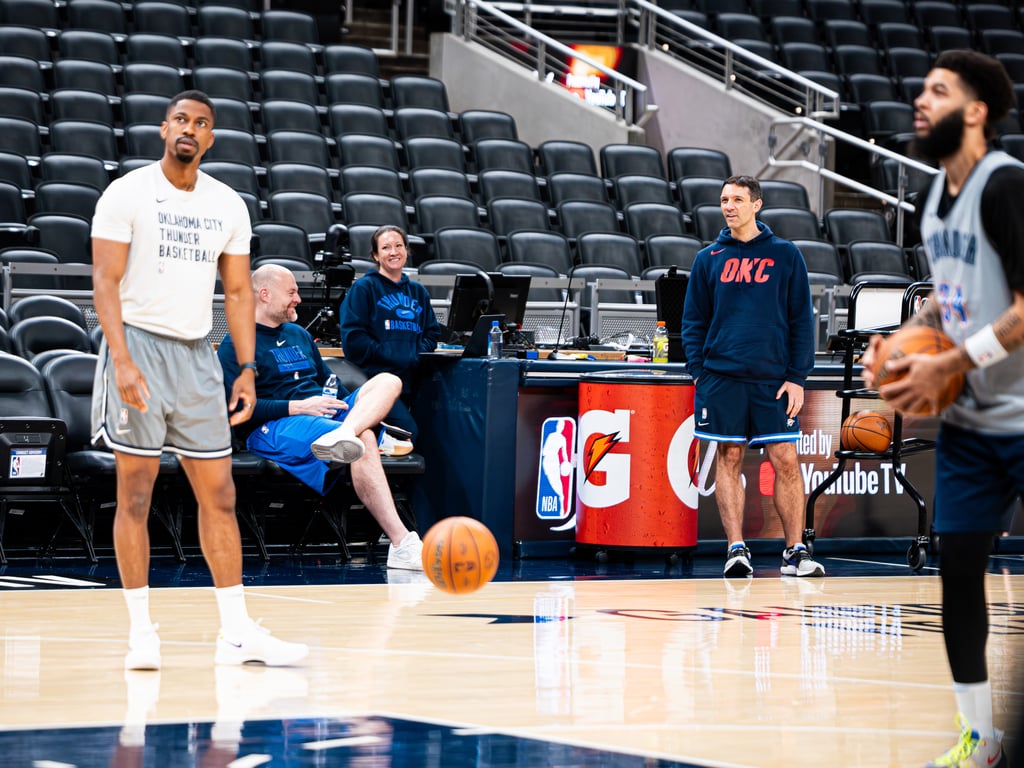
Building a research legacy inside elite sport
Since 2017, the University of Technology Sydney (UTS) and the Oklahoma City Thunder, of the NBA, have worked together to better understand what drives...

MekongELEVATE Research Partnership
MekongElevate is a four-year, multi-country initiative under the Mekong–Australia Partnership that seeks to strengthen the climate resilience of marginalised...

Bioengineering Protein Nanocages into Multi-target Vaccines for Alzheimer’s Disease
Alzheimer's disease (AD) is characterised by the clumping of abnormal proteins in the brain, which increases over time and leads to worsening cognitive...
Salmon farming disclosures
We examined climate-related disclosures for Tassal, Huon and Petuna and identified four key gaps between disclosures and existing climate science and other...
Building a research legacy inside elite sport
Since 2017, the University of Technology Sydney (UTS) and the Oklahoma City Thunder, of the NBA, have worked together to better understand what drives...
MekongELEVATE Research Partnership
MekongElevate is a four-year, multi-country initiative under the Mekong–Australia Partnership that seeks to strengthen the climate resilience of marginalised...
Bioengineering Protein Nanocages into Multi-target Vaccines for Alzheimer’s Disease
Alzheimer's disease (AD) is characterised by the clumping of abnormal proteins in the brain, which increases over time and leads to worsening cognitive...