


Timeframe
-
2023 -2026
Lead researchers
-
Professor Ho Kyong Shon
-
Associate Professor Sherub Phuntsho
SDGs
-
11. Sustainable Cities and Communities
-
12. Responsible Consumption and Production
-
6. Clean Water and Sanitation
- Posted on 15 Aug 2025
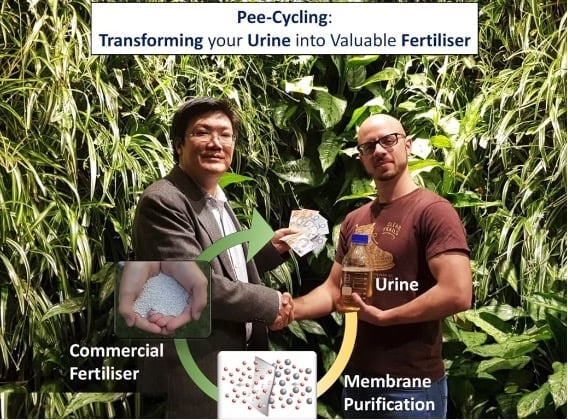
Nutrients in a Circular Economy (NiCE) is a research hub where experts from academia, government, and industry collaborate to develop, test, and scale innovative nutrient recovery technologies. While the hub primarily focuses on recovering nutrients from human urine, many industry partners also explore nutrient recovery from various waste materials.
The depletion of natural phosphorus reserves and the environmental pollution caused by nutrient runoff from waste streams pose significant global challenges. The current wastewater treatment systems are inefficient in recovering valuable nutrients, leading to resource wastage and increased environmental degradation.
A project from the NiCE research hub aims to develop innovative, scalable technologies for nutrient recovery from human urine and other waste streams containing nutrients in much higher concentrated form compared to wastewater creating a sustainable alternative to conventional fertilizers. By integrating advanced treatment processes, the project seeks to enhance resource efficiency while minimizing the ecological footprint of waste disposal.
These objectives are expected to be accomplished through collaboration between leading researchers, government agencies, and industry partners to ensure a multidisciplinary approach to solving nutrient recovery challenges. Cutting-edge technologies, pilot-scale demonstrations, and strong regulatory engagement will facilitate the successful implementation and commercialization of the project outcomes.
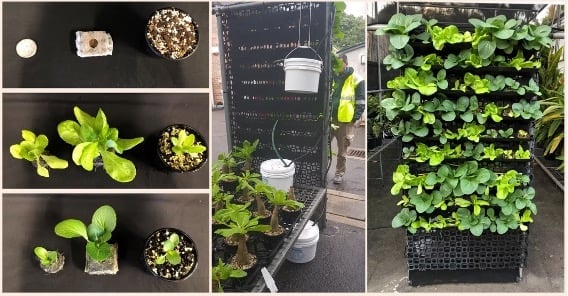
The project will contribute to a circular economy by transforming waste into valuable agricultural inputs, reducing dependence on synthetic fertilizers. Environmental benefits include decreased water pollution, improved soil health, and a significant reduction in greenhouse gas emissions associated with conventional fertilizer production.
Key outcomes of this project include:
- Development of Scalable Nutrient Recovery Technologies: Two new urine processing technologies will be developed: one based on membrane processes to be developed at UTS and the another based on electrochemical process to be developed at the University of Melbourne. These two technologies will be optimised and conducted in field trials through full-scale demonstrations under real-world conditions to validate their feasibility for commercialisation.
- Regulatory Compliance and Industry Integration: A key objective is to help develop regulatory frameworks for the certification of the urine derived fertilizer products that meets the environmental and agricultural safety standards through rigorous testing of product quality through independent sample analysis. UTS will also collaborate with the industry partners, local authorities and social organisations for the test applications of the fertilizer product to gain public confidence and acceptance.
- Environmental and Economic Impact: By promoting circular economy practices, the project seeks to reduce nutrient pollution, minimize waste disposal costs, conservation of finite phosphorus resource and offer a sustainable alternative to chemical fertilizers. The initiative aims to enhance soil health, reduce greenhouse gas emissions, and support global food security through sustainable nutrient management.

Researchers
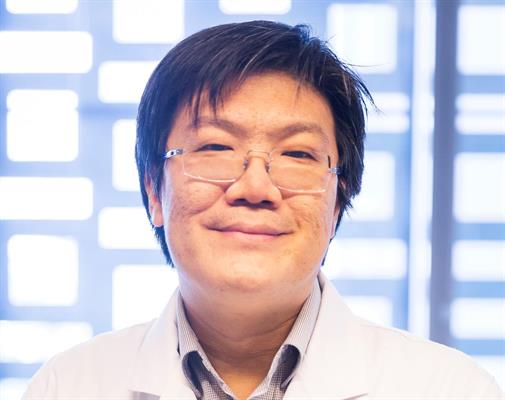
Professor, Faculty of Engineering & Information Technology

Associate Professor, Faculty of Engineering & Information Technology
Collaborators
- Dr Li Gao, South-East Water
- Associate Professor Stefano Freguia, The University of Melbourne
- Associate Professor Leonard Tijing, UTS
- Gary Leeson, Organic Crop Protectant
- Dr Ibrahim El Saliby, UTS
- Dr Andrea Merenda, UTS
- Ms Weonjung Sohn, UTS

Webpage
Bioengineering Protein Nanocages into Multi-target Vaccines for Alzheimer’s Disease
Alzheimer's disease (AD) is characterised by the clumping of abnormal proteins in the brain, which increases over time and leads to worsening cognitive...

Webpage
The Right to Housing in Australia
Housing is increasingly unaffordable, and inequality in housing is growing. The human right to housing offers a response to this crisis that centres human...

Webpage
Thrive project: Helping all young Australians finish school well
Completing high school well is a critical milestone that shapes young people’s future opportunities. Yet many students, particularly those facing social,...
Webpage
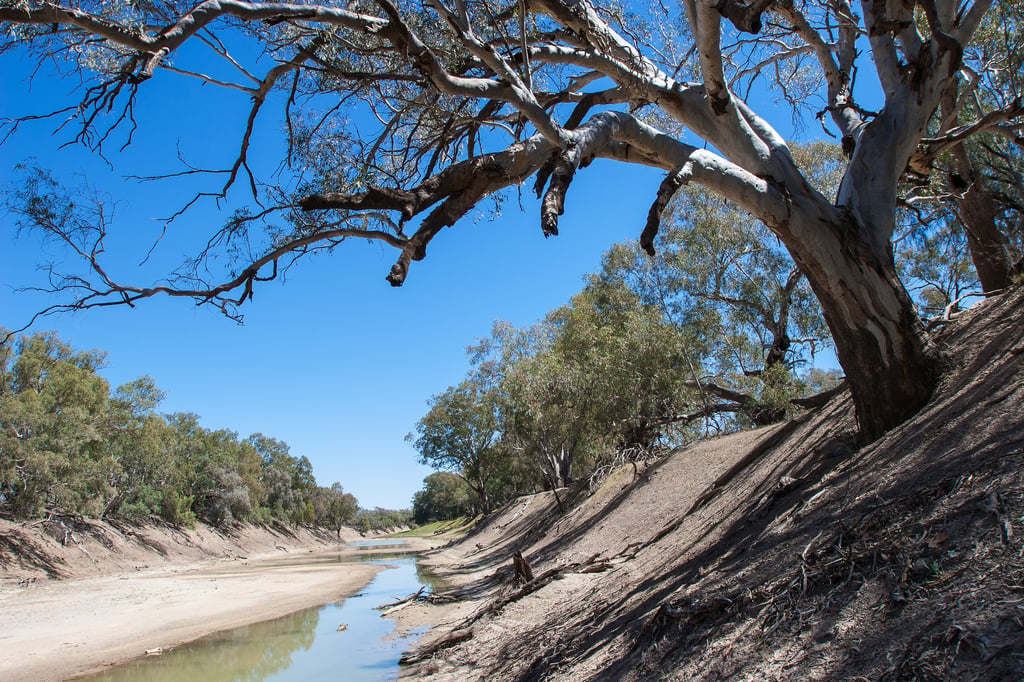
Can the Darling River System survive both climate change and mismanagement?
Water levels in the Darling River are notoriously irregular but decreasing rapidly. Darling River water is critical for the Murray-Darling Basin and in recent...
Webpage
Bioengineering Protein Nanocages into Multi-target Vaccines for Alzheimer’s Disease
Alzheimer's disease (AD) is characterised by the clumping of abnormal proteins in the brain, which increases over time and leads to worsening cognitive...
Webpage
The Right to Housing in Australia
Housing is increasingly unaffordable, and inequality in housing is growing. The human right to housing offers a response to this crisis that centres human...
Webpage
Thrive project: Helping all young Australians finish school well
Completing high school well is a critical milestone that shapes young people’s future opportunities. Yet many students, particularly those facing social,...
Webpage
Can the Darling River System survive both climate change and mismanagement?
Water levels in the Darling River are notoriously irregular but decreasing rapidly. Darling River water is critical for the Murray-Darling Basin and in recent...