


Timeframe
-
2021 -2025
Lead researchers
-
Dr Peter Irga
-
Professor Fraser Torpy
-
Professor Sara Wilkinson
SDGs
-
9. Industry, Innovation and Infrastructure
-
12. Responsible Consumption and Production
-
17. Partnerships for the Goals
Collaborators
-
Australian Hemp Masonry Company
- Posted on 15 Aug 2025
Hempcrete provides a sustainable option for future construction with a lower carbon footprint and excellent environmental properties compared to traditional building materials
The building sector is responsible for approximately 40% of total anthropogenic greenhouse gas (GHG) emissions and 37% of global energy consumption.
Hempcrete is a bio-based construction material made from a mix of hemp shivs, lime, sand, and water. It is a sustainable alternative to conventional building materials, as the hemp plant sequesters CO₂ during its growth and continues to store biogenic carbon when processed into hempcrete. UTS research has shown that hempcrete has a lower carbon footprint, high sound absorption, moisture buffering capacity, excellent thermal insulation, and fire resistance, making it an environmentally friendly and energy-efficient choice for construction.
In collaboration with industry partners Australian Hemp Masonry Company, and with funding from the Australian Research Council, researchers from the Faculty of Engineering and Information Technology have developed an integrated prefabricated hempcrete panel which consisted of using low-carbon options, including alkali-activated binders and biomineralization technology, with glass waste replacing natural sand.
Learn more about hempcrete in this YouTube video
Current experiments involve conducting experiments to measure indoor environmental quality parameters of scaled-down structures including cast-in-situ hempcrete and prefabricated hempcrete panels. Measurements are made to compare the performance of hempcrete production alternatives in terms of indoor environmental quality, to demonstrate the importance of developing panels meeting the desired criteria.
To optimise the design considerations of hempcrete production alternatives, the researchers are collecting information regarding the packaging, transportation logistics, installation, and disassembly at the end of life. This will contribute to scaling up the production of hempcrete which will promote the abundance of ‘green’ buildings and industrial hemp industry, with the results combined aimed at decarbonising the built environment.
Researchers

Associate Professor, Faculty of Engineering & Information Technology

Associate Professor, Faculty of Science

Professor, Faculty of Design and Society
- Klara Marosszeky (Australian Hemp Masonry Company)
- Quang Dieu Nguyen
- Mahmoud Karimi
- Cecilia Gravina da Rocha
- Sid Nair
- Gabby Duani
- Ralph Fares
- Flora Georgakopoulos.

Webpage
Bioengineering Protein Nanocages into Multi-target Vaccines for Alzheimer’s Disease
Alzheimer's disease (AD) is characterised by the clumping of abnormal proteins in the brain, which increases over time and leads to worsening cognitive...
Webpage
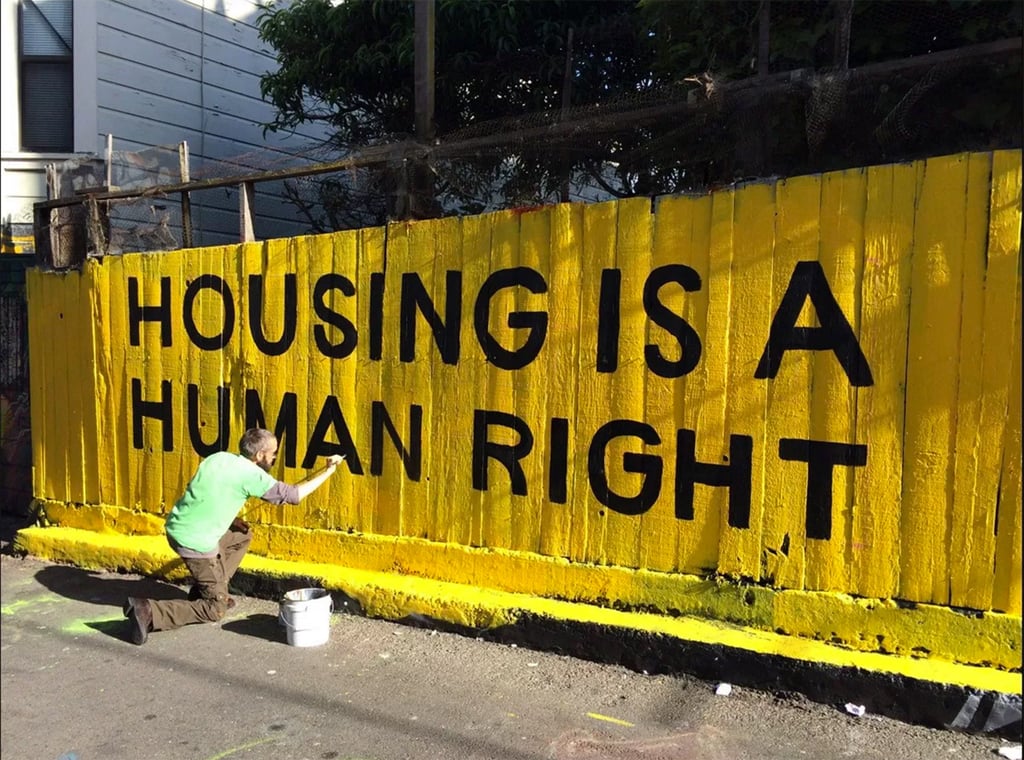
The Right to Housing in Australia
Housing is increasingly unaffordable, and inequality in housing is growing. The human right to housing offers a response to this crisis that centres human...

Webpage
Thrive project: Helping all young Australians finish school well
Completing high school well is a critical milestone that shapes young people’s future opportunities. Yet many students, particularly those facing social,...
Webpage
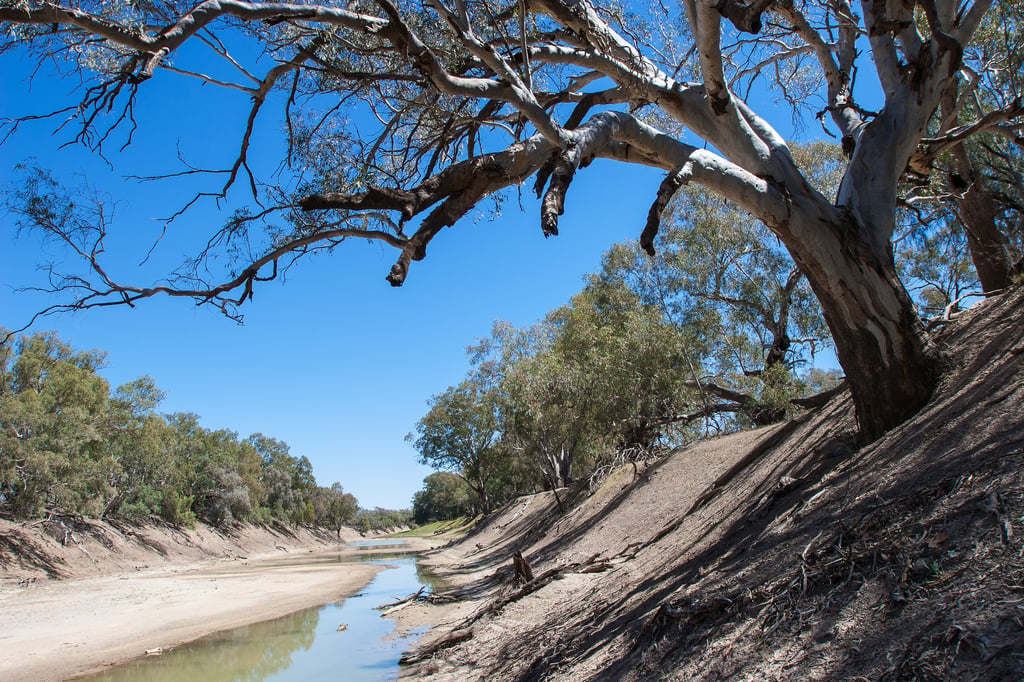
Can the Darling River System survive both climate change and mismanagement?
Water levels in the Darling River are notoriously irregular but decreasing rapidly. Darling River water is critical for the Murray-Darling Basin and in recent...
Webpage
Bioengineering Protein Nanocages into Multi-target Vaccines for Alzheimer’s Disease
Alzheimer's disease (AD) is characterised by the clumping of abnormal proteins in the brain, which increases over time and leads to worsening cognitive...
Webpage
The Right to Housing in Australia
Housing is increasingly unaffordable, and inequality in housing is growing. The human right to housing offers a response to this crisis that centres human...
Webpage
Thrive project: Helping all young Australians finish school well
Completing high school well is a critical milestone that shapes young people’s future opportunities. Yet many students, particularly those facing social,...
Webpage
Can the Darling River System survive both climate change and mismanagement?
Water levels in the Darling River are notoriously irregular but decreasing rapidly. Darling River water is critical for the Murray-Darling Basin and in recent...