The sun, sand and sea are among the most Australian of experiences. But access to the beach can be a challenge for many, especially people with a disability.

An innovative research program including UTS and Surf Life Saving NSW has created positive changes to make our beaches more open spaces for everyone.

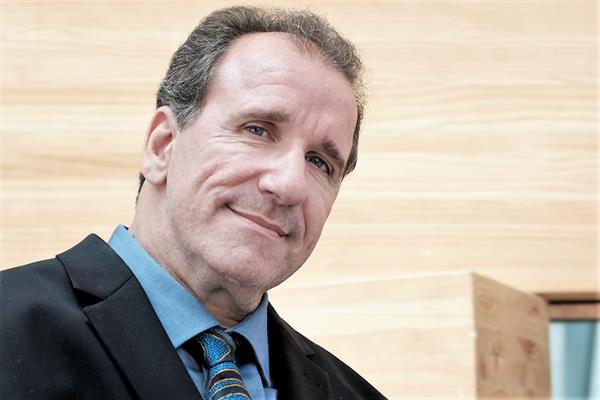
“Some of the most universal human experiences can be inaccessible because no one has thought about the access needs of people with disabilities,” says Paralympian and disability advocate Paul Nunnari.

“In some ways, the beach is our last domain to conquer. Making our beaches accessible to everyone is a no-brainer. But the truth is many beaches up and down our coast don't yet have equipment like access ramps or programs that are needed to include people with disability.”
Aerial shot of a beach overlaid with the text: Taking back the waves.

Taking Back The Waves

(00:15:21)

Taking Back The Waves transcript

My name is Paul Nunnari, and when I was just eleven years old, I became half-man, half-machine after being hit by a car. As well as being a superhuman, I'm also a dad, Paralympian, disability advocate and the other Superman.

It's my belief that people with disability are like X-men. We all have capabilities and talents that are unique and we make the world a heck of a lot more exciting. But sometimes the world misses this. Some of the simplest and most universal human experiences can often be completely inaccessible because no one has thought about access needs for people with disability. It's my belief that the beach is our last domain to conquer.

Over the next three days, I'm road ripping up the coast to visit for different initiatives supported by Surf Lifesaving New South Wales aimed at removing barriers for people with disability so they can gain access to something every Australian should have the opportunity to enjoy: salty waves on a hot summer's day.

My first stop is Little Hero Swim Academy, an organisation who runs Mad About Unclusion, an initiative which is providing the opportunity for children who use wheelchairs the chance to enjoy Australia's famous Bondi Beach. Madi is one of those children.

Madi, can you say hi?

Hi.

Hey Nerida Madi, so great to see you guys this morning. Madi you're looking particularly gorgeous this morning too, sweetheart.

I grew up in Terrigal and the beach was a huge part of my life. Having Madi and her being confined to a wheelchair really made me think about whether or not we would be able to access the beach, and to be honest we just ruled it out.

Madi was one of the kids that when she first came to the beach or even drove past the beach, she just didn't like it at all. There was too much noise, there was too much sand, there was waves, it was cold. It was just all different.

When Tracey suggested that we come down and try the Mad About Inclusion program, I was a little bit hesitant at first because we'd never been to the beach before and I just thought, 'How is it going to work logistically?'

The Mad About Inclusion program is the beach program that's all about getting children with disability to be able to access the love of the beach. So Madi, for her it's been a process of coming down, being able to get out of the car, transferring into a sand wheelchair, and initially what we did was bring a bucket of water from the ocean to her on the sand and put a ball in it and that's how she started. The first time I saw her actually in the water was when her mum sent me a video of their family holiday down the coast where she'd actually gone in on the Mobi-Mat in her own wheelchair with her friend Eliza, and that was just so cool brought tears to my eyes.

What was it like for you to get into the water for the very first time?

Yay

Was it good?

Good.

I want Maddie to be able to do what everybody else does, even if that means she just needs a little help doing it, and so being able to go to the beach, it's such an Australian thing. Whether or not she's swimming or just playing in the water playing ball with her friends, sitting on the edge of the beach in the sand playing with the sand. That's inclusion, and that's what everybody should be able to enjoy.

I need a group hug. Awesome group hug.

My next stop is Sydney's Northern Beaches. I'm off to Collaroy Beach to check out beach access programs for people with acquired brain injuries and spinal cord injuries, put on by Royal Rehab, the Rehabilitation and Disability Support Network. I'm meeting a guy named Lee, who's been learning to surf again after acquiring a spinal cord injury.

Lee, do you mind sharing some of your personal story and also how you became involved in the program?

Sure, Paul. I had an accident, a motorcycle accident, on the 18th of April last year. Made me T2 paraplegic. I then did 11 weeks in Royal North Shore Hospital and after 11 weeks was moved to Ryde Royal Rehab. Found out that they had a beach access program and being a surfer in the past, I was like so keen to get involved with it.

So I guess that even at that early stage, knowing that the program even existed would have made you excited to get out and explore the world again, yeah?

Absolutely. Like previously I wouldn't have even you know contemplated going to the beach at all without you know. Doing the program now I do have the confidence even to train like a friend or my family to assist me in and going out in the surf.

Sebastian, you the coordinator of the Royal Rehab Beach Access program. What are some of your biggest challenges in helping people with disability access the beach?

I think the first and foremost one which is pretty obvious is that beach, sand and wheelchairs – they don't really mix together and there's not a lot of beaches that have a concrete part that runs all the way out across the sand and into the surf. So simple things like having beach access matting available can mean that anyone in their regular chair because I would have them have access to the beach. We're trying to educate the community on different equipment that's available for people to be able to access the beach, as well as being able to educate local councils of how they can be involved with purchasing some of that equipment to make sure that it's readily available.

So moving forward, what what are your aspirations? Like what what would you hope to achieve say in five years time from now or 10 years time and look back on?

Look I'd like to see our programs still running and rolled out across a number of beaches across Sydney. But ultimately I'd love to see beaches with fully accessible equipment available, perhaps one in every local government area on Australia's East Coast. And then ultimately wouldn't it be great to see every beach in Australia accessible to every Australian? That might be a pipedream though.

What do you think is important moving forward in regards to making the beaches more accessible?

Just awareness I think. Like making people know that you know, people in wheelchairs still want to live a normal life. You know, they do to have different equipment that is you know able to be used by people in chairs, and I just need to spread the word and let people know that people in wheelchairs want to carry on and do the things they were doing previously.

Day two and I'm heading to Nobbys Beach in the land of an the Novocastrians: Newcastle. I'm checking out a program called Waves of Inclusion, run by the Center for Disability Studies. I'm going to meet a woman named Izzy, who hadn't been able to access the beach in 16 years before getting involved in the program.

Hey Jemima, hey Izzy. How you going?

Good.

Izzy, how did the initiative help you prepare to enter the water after 16 years?

I hadn't been in the water for 16 years and probably the last time it would have been when I was 14. I came to this group when it first started and kind of made a whole heap of different friends and people.

We had to work with the surf club to organise, you know a space where we could do all the lifting and the getting you into the beach wheelchair. The smile on Izz's face was something that I will never forget for as long as I live.

The initiative started down in Sydney in 2011 where it was kind of just going to different pubs and restaurants around the Inner West, and then last summer we won some grants through Surf Lifesaving New South Wales and we got to go to Bondi Beach and up here at Nobbys.

What are your aspirations for the initiative in five years time, and what do you hope to achieve then?

I want it up and down the coast. I want to see it everywhere. I think there's such a need for people just to be out doing fun things with their peers. We get a lot of phone calls, we get a lot of emails for people saying this initiative is in Newcastle, there's one in Sydney, but what about the Central Coast? What about further north? What about further south? 

So there's obviously a demand for it?

Absolutely. Absolutely. Yeah everybody wants to make friends, everybody wants to socialise, everybody wants the chance to, you know, hop in the water but then go for a beer with their friends afterwards.

Just to build up friendships and get out in the community and meet people. 

My final destination is Pambula Beach on the glorious south coast. I'm going to find out about the various initiatives run by the Pampula Surf Life Saving Club, including the Same Wave program, which helps people with disability engage in beach activities. A meeting with Michele Bootes, who commenced the same wave program 17 years ago.

Michele, we're on this fantastic accessible viewing area, you've got some accessible ramps to the beach. How did these two wonderful initiatives come about?

So this wonderful viewing platform and the access ramp were made possible by the money from the community inclusion grant, plus a lot of hard work from Council and the lifesavers. A lot of the beaches in the area are not easy to access, but this one specifically now will be really, really good.

Same Wave we started after I realised that surf lifesaving, which was something I was really passionate about, was off-limits to a lot of people. To become a nipper or a lifesaver,  you have a pool swim, which is a prerequisite, and a lot of our participants can't do that. Vut they can still access the water with more support. That was the reason we started the program. We started with just children, but the program now caters for adults as well. So our eldest attendee is 45, we all get in together, and everyone just has a really, really good time.

Brent, you're a participant in the Same Wave program, can you tell me what that experience has been like for you?

I would like to say, Paul, I've been doing enjoying everything about the Same Wave.

Well, Brent is a 29-year-old young man who I actually met at Bar Beach one day after a swim and I didn't realise till the other day that Brent actually hated the ocean, he didn't like going in anywhere that was a little bit rough.

When I first started years ago, I was so afraid of it. But it's giving me confidence in the water, it's giving me confidence to do the swims, and I've been training so hard and it's been great.

Just recently he has completed the 600-metre ocean swim in the Tathra Wharf to Waves.

That's the first time ever for me to reach the other side of the Wharf to Waves. If I can do the 600, maybe next year my highlight will be the 1200.

We just want more people with a disability being able to access Australia's amazing beaches in coastal communities.

I think it's important to have initiatives like this everywhere and I think often the beach gets overlooked. I think that we take it for granted just being able to come down and just jump in the water. And what better place to spend time with your friends during the summer than sitting on the beach?

Before I was a previous, you know, surfer and I've done it my whole life and I just find it, you know, the ocean almost has like healing powers. It's just such a good feeling and good for the soul.

These kids deserve a chance to be able to be in the water and enjoy the ocean for them that are in a wheelchair. If they can get freedom out of that chair in the water, and we can give it to them, then that's that's why I do what I do.

Making our beaches accessible to everyone is a no-brainer, but the truth is there are many beaches on our coast that don't yet have the equipment, access ramps or programs needed to include people with disability. We all need to consider how we can give people with disability the opportunity to enjoy the ocean and our vibrant coastal communities. And as we've seen, there really is so much we can do to include superhumans in our beach lifestyle. We live in exciting times and through programs such as these, accessibility is improving as we've become more aware of the barriers faced by people living with disability and how we can overcome them. It's my hope that in the near future, having a disability won't stop anyone from enjoying our great beaches and coastal a way of life.

Professor Simon Darcy, from the UTS Business School and co-lead of the UTS Disability Research Network, understands this reality firsthand. He was a keen board rider and surf lifesaver on Sydney’s northern beaches before a serious accident at 19 left him with a complete spinal cord injury and as a power wheelchair user. 

“Beaches are home to the body beautiful and can be intimidating places even for people without disability. So how do we make them truly open places that are accessible and inclusive to people who don’t fit the social perceptions of the bodily norm?” he asks.
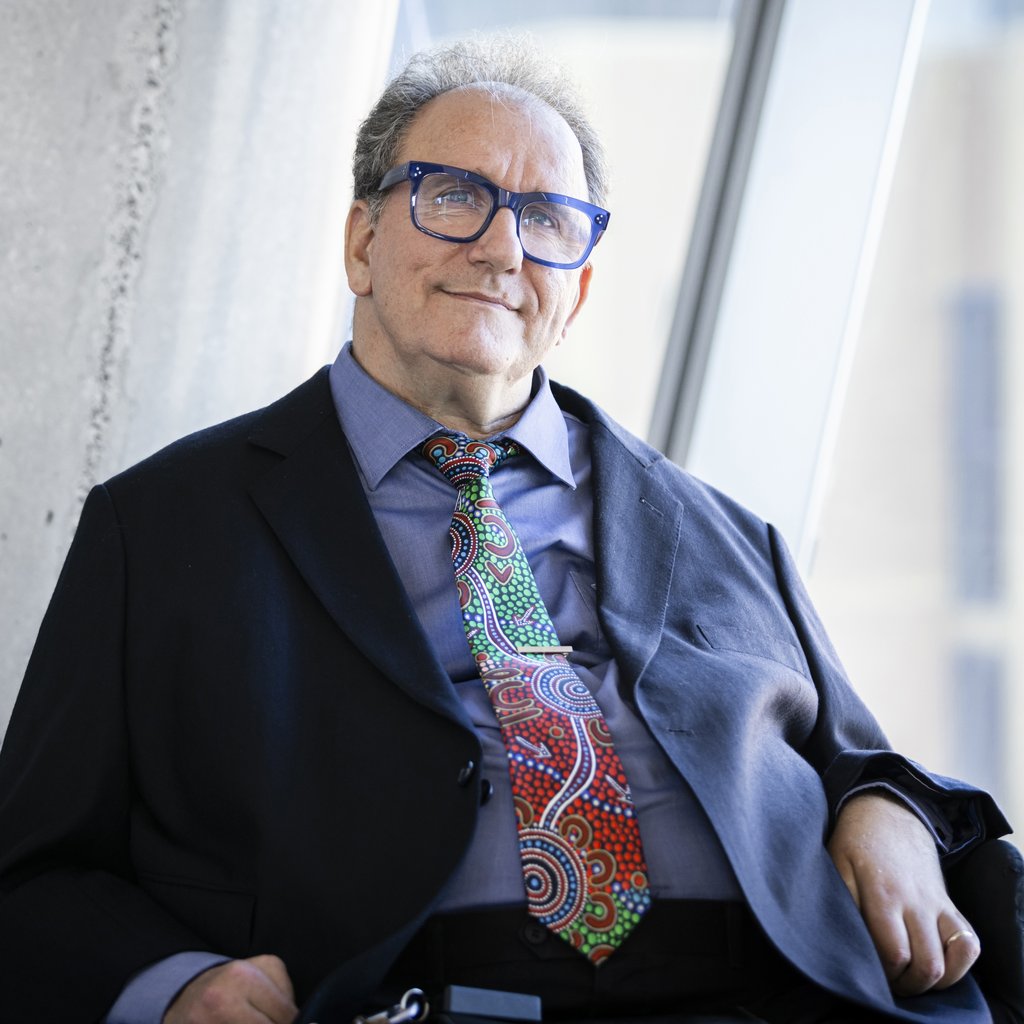
Professor Simon Darcy
Photo by Andy Roberts.

“We might look different to the average beach goer, but the goal is for everyone to feel supported and have fun. Here are groups of people with disability with their family and friends and its amazing to watch them become part of the scene.”

Professor Simon Darcy

Co-Lead, UTS Disability Research Network

“Even simple things can be a challenge whether it’s finding an accessible parking spot close to the sand, an access ramp that’s not too steep, or a changeroom that caters to our needs.”

Several years ago, Professor Darcy and his team (Dr Mel Edwards, Dr Hazel Maxwell and Barbara Almond) started partnering with Surf Life Saving NSW, building on his previous work with the national body Surf Lifesaving Australia.

Their research focussed on the organisation’s community inclusion program to improve access for people with disability at three NSW beach precincts – at Sydney’s iconic Bondi Beach, in Newcastle and at Pambula on the south coast.

They took a community development and social relational model of disability to understand the impact of some 30 different community inclusion projects that had been completed by Surf Life Saving NSW in conjunction with local councils and not-for-profit organisations.

Access all areas

The first part of the research was to establish a baseline of the relative accessibility and program offerings in each of the beach precincts. This was completed by the team in conjunction with an accredited access auditor.

“A major local government infrastructure project was undertaken at each of the beaches. We then ran a series of action-research engagements over two years looking at other aspects of access and inclusion of the community inclusion projects,” Professor Darcy explains.

“We focussed on all types of disability – mobility, intellectual, vision/blind, hearing/Deaf and mental health – and all levels of support needs from people who are independent with disability through to people requiring high levels of social or physical support together with assistive technology.

“A great deal of effort had been put into improving the infrastructure to help people get down to the beach. We were looking at the next step where they could stake out a space that is theirs – where they, their family and friends could feel welcomed and have a sense of belonging.”
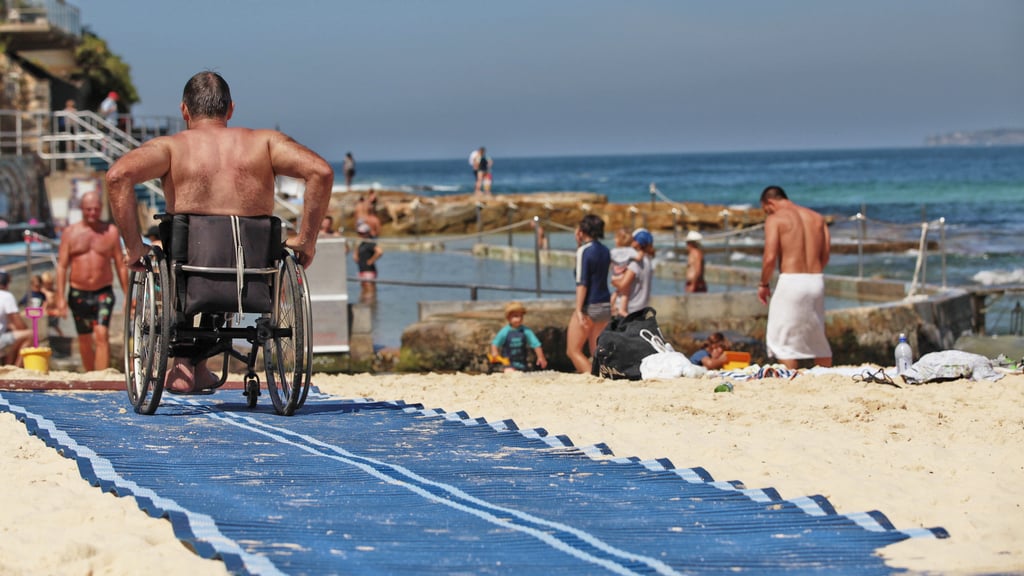
If you can't park or pee, you can't participate

“How do we get someone with a disability into the water, first via a pool and then into the ocean itself, and then even onto the peak experience of catching a wave?”

Their research found the first steps towards accessing these experiences happen away from the sand.

At each of the beach precincts, they ran observation studies on how people with disability were welcomed into the space and place, whether that was on surrounding grass areas, the sand itself or into the water. 

One project involved looking at ways people with a disability could feel like they belong at the beach with their family and friends. This was found to be particularly challenging.

With a different sense of belonging for people with mental health disabilities, a number of projects enabled individuals to connect with others so they felt supported in the surf environment.

But for other groups, it was more about challenges with the built and natural environment to participate in community events.

“People at the beaches were generally very welcoming and this was particularly so where a group with mobility disabilities had set up their spot with banners and their assistive equipment,” Professor Darcy explains. 

“But there were no accessible change rooms as they were being redeveloped so we were holding up towels while people were getting their togs on.”

“It served to underline a basic principle around access for people with mobility disability: if you can’t park and you can’t pee, you can’t participate.”

While many beaches have the physical equipment like beach wheelchairs and matting, there’s a big difference between having equipment and being able to use it.

“We found a number of operational issues about how to get to a beach wheelchair when it’s locked up and surf lifesavers aren’t available with the keys.”

Combined with other initiatives, practical changes in the way accessibility infrastructure is being delivered at different beaches across the state are being now implemented. 
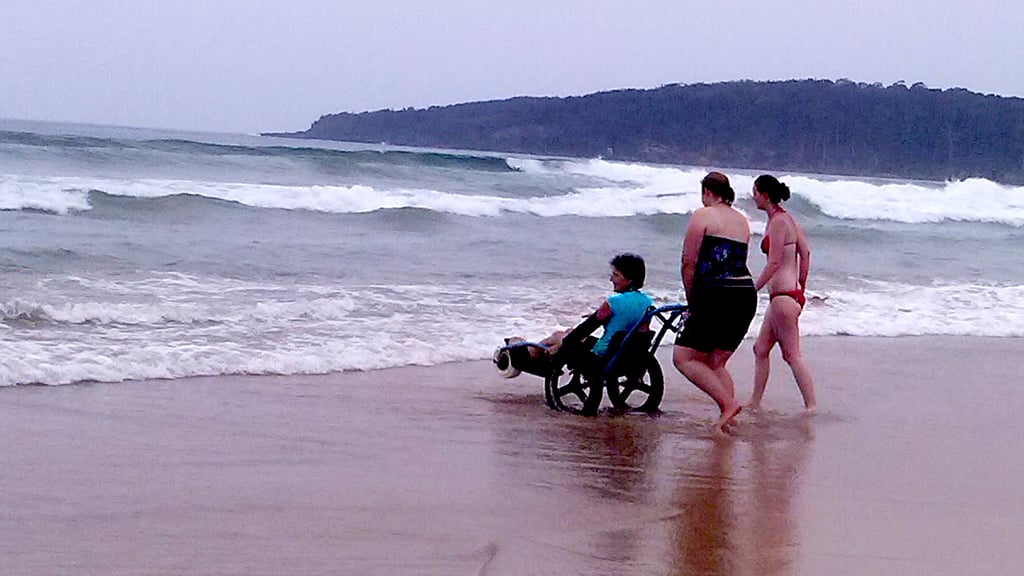
Participants at Pambula Beach.

Co-designing transformative solutions

Perhaps more importantly, they showed the value of taking a holistic approach to accessibility in the local area that puts the voices of people with disability and their communities at their centre.

“We saw this at places like Pambula. The fact that everyone knows everybody else meant the different programs were far more interconnected and personal. They now have a very active group around children with disability and their Nippers program,” Professor Darcy says.

“Local community groups and councils also play a critical role in the inclusion process and investing in improving their capacity can really pay dividends.”

The final part of the research discussed the importance of developing co-designed transformative solutions where the lived experience of those involved is not just valued, but becomes central to the solutions.

“We might look different to the average beach goer, but the goal is for everyone to feel supported and have fun. Here are groups of people with disability with their family and friends and its amazing to watch them become part of the scene,” Professor Darcy says.

For advocates like Paul Nunnari, research like this is the starting point for enabling more people with disability to get their feet on the sand or in the water.

“Programs such as these are seeing accessibility improving as we've come more aware of the barriers faced by people living with disability and how we can overcome them,” he says.

“It's my hope that there’s a new future where having a disability won't stop anyone from enjoying our great beaches and unique way of life.”

⇢ Read the paper 'Disability inclusion in beach precincts: beach for all abilities",  Sports Management Review, Vol.26, 2023 - Issue 1

Share

Research team

Simon Darcy

Adjunct Professor, Business School

Barbara Almond

Administrative Support Officer, Business School
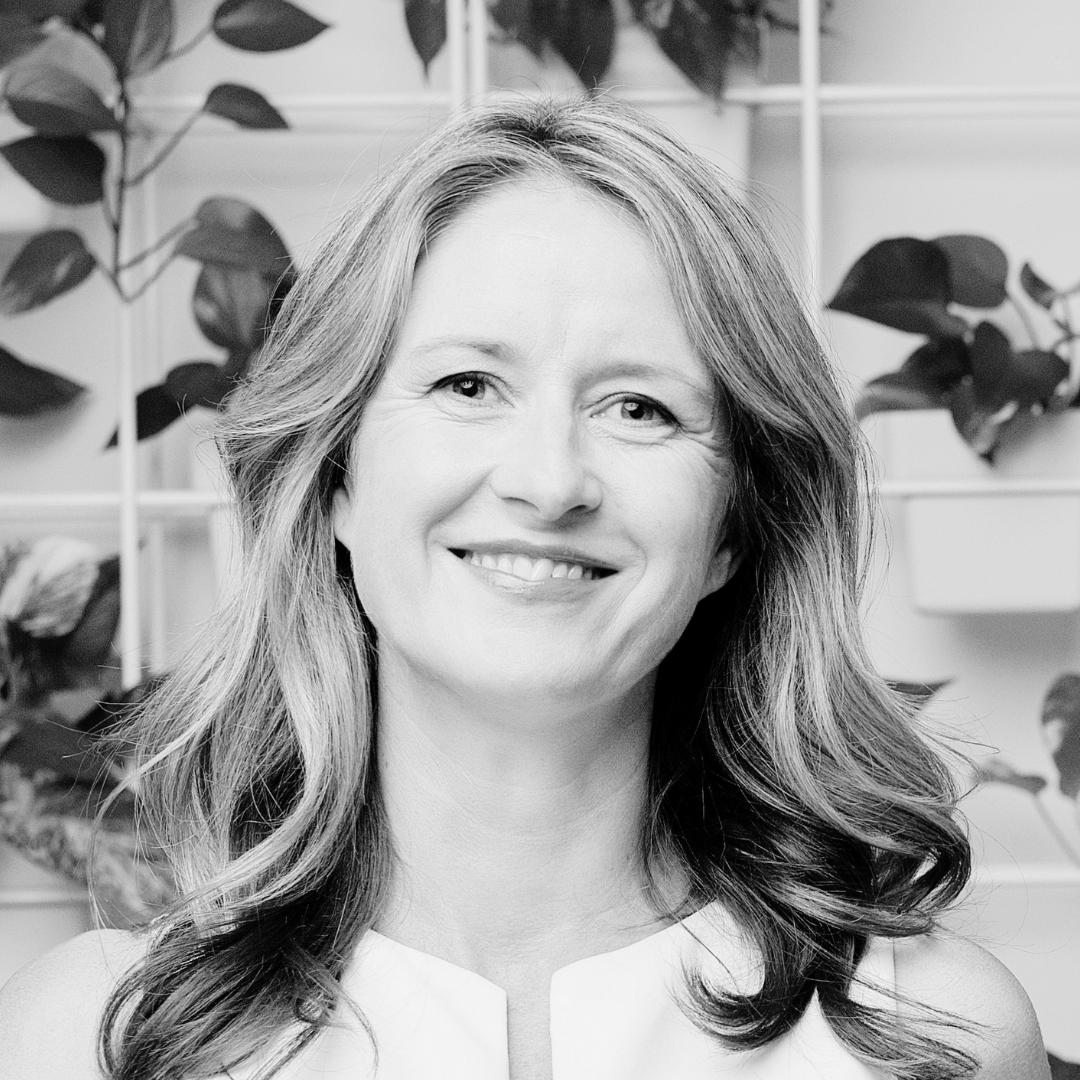
Dr Melissa Edwards

University of Technology Sydney

Dr Hazel Maxwell

Western Sydney University

  • Surf Lifesaving NSW
  • Waverley Council
  • Newcastle City Council
  • Bega Valley Shire Council

More research stories

Salmon farming disclosures

We examined climate-related disclosures for Tassal, Huon and Petuna and identified four key gaps between disclosures and existing climate science and other...
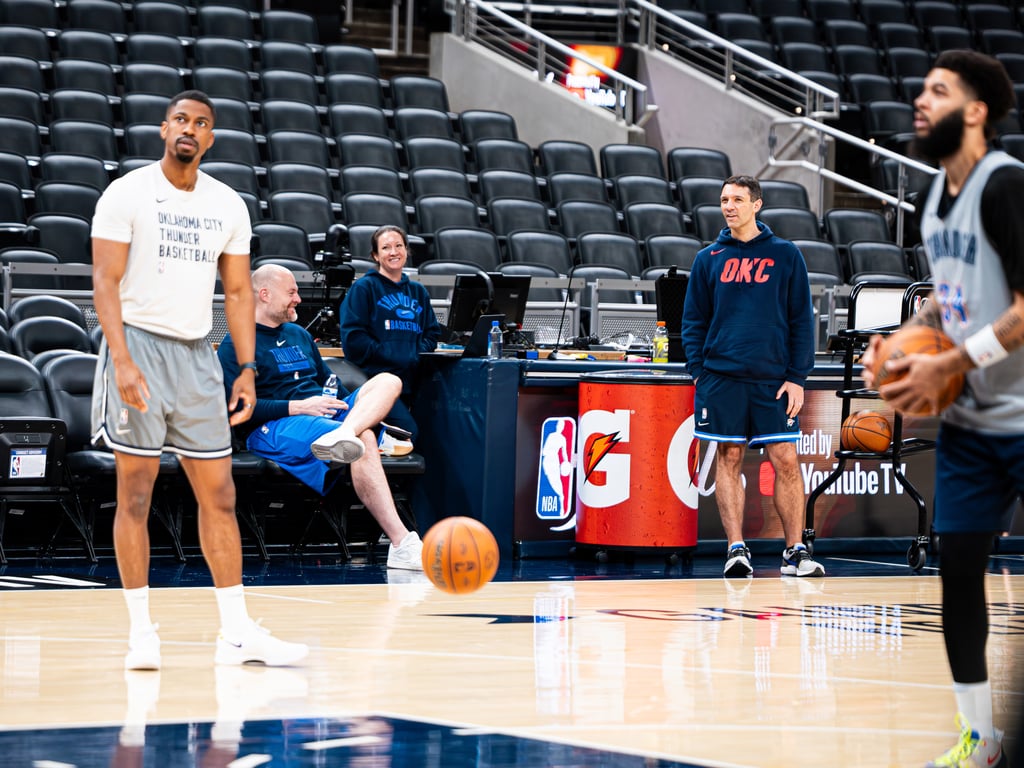
Building a research legacy inside elite sport

Since 2017, the University of Technology Sydney (UTS) and the Oklahoma City Thunder, of the NBA, have worked together to better understand what drives...

MekongELEVATE Research Partnership

MekongElevate is a four-year, multi-country initiative under the Mekong–Australia Partnership that seeks to strengthen the climate resilience of marginalised...

Bioengineering Protein Nanocages into Multi-target Vaccines for Alzheimer’s Disease

Alzheimer's disease (AD) is characterised by the clumping of abnormal proteins in the brain, which increases over time and leads to worsening cognitive...