
Year
-
2025-2026
Client
-
First Sentier MUFG Sustainable Investment Institute
Sustainable Development Goal
-
13. Climate Action
-
14. Life Below Water
-
15. Life on Land
- Posted on 23 Nov 2026
State of nature-related financial disclosures globally across different sectors
First Sentier MUFG Sustainable Investment Institute’s report, authored by UTS assesses the state of nature-related reporting against the TNFD’s 14 Core Disclosure Recommendations across a sample of 19 companies across 8 sectors.
In July 2024, First Sentier MUFG Sustainable Investment Institute published its first report on the state of nature-related disclosures, based on analysis of data up to 2023. Two years on from that report, First Sentier MUFG Sustainable Investment Institute commissioned UTS to undertake research to re-assess the state of nature-related reporting against the TNFD’s 14 Core Disclosure Recommendations across a sample of 19 companies: the 16 firms first benchmarked in the 2023 analysis, supplemented by three additional Japanese companies spotlighted for their leadership in TNFD adoption.
Multiple global indicators point to continued and, in some areas, worsening nature degradation. Global temperatures are reaching record highs, the Living Planet Index reports a 73% decline in monitored wildlife populations since 1970, and multiple planetary boundaries now breached.
It is estimated that over half of global GDP (US$58 trillion) is moderately or highly dependent on nature and its services.
The Taskforce on Nature-related Financial Disclosures (TNFD) was created as this nature loss is now a material financial risk. The TNFD provides organisations with a framework for reporting and acting on nature-related risks and opportunities. It launched in June 2021 and published its final recommendations in September 2023.
The 2026 report found:
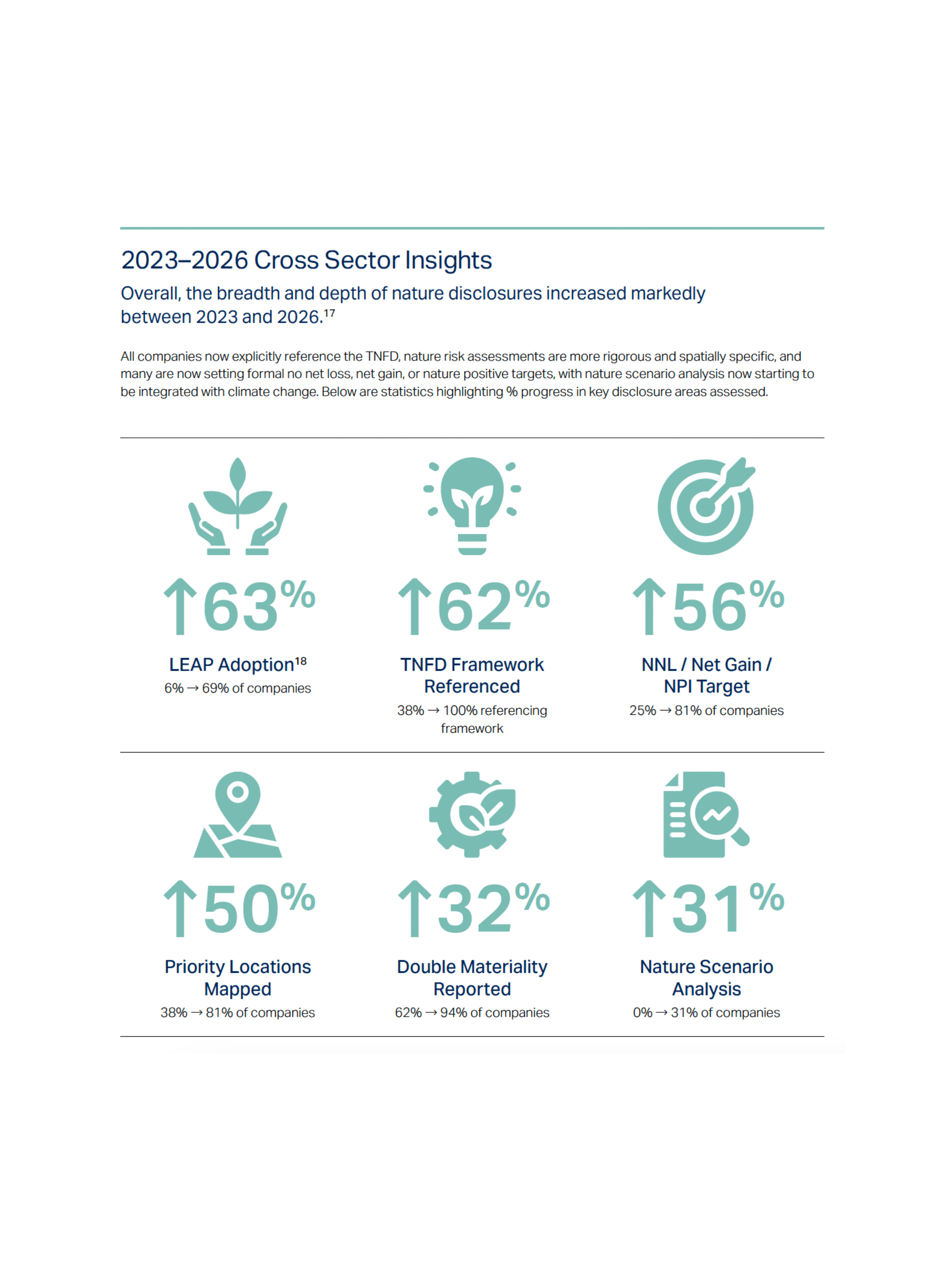
- Full coverage: All 16 companies first benchmarked in 2023 now disclose against all 14 TNFD Core Recommendations, up from 56% in 2023.
- Deeper analysis: 31% of companies now run nature-related scenario analysis, up from none in 2023. Use of the mitigation hierarchy has risen from 19% to 44%.
- Better methods: Site-based assessments of nature risk are more thorough, all but one company now uses double materiality, and 69% use the TNFD's LEAP approach.
- Gaps remain: Companies still struggle to show how nature has changed their strategy or to put a number on its financial impact. At least nine name data gaps as a key barrier.
- What investors want next: Investors are less interested in whether companies disclose and more in whether those disclosures are credible, comparable and financially meaningful.
The report outlines the state of disclosures by sector, including targeted guidance for investors; an overview of nature-related data developments and a list of nature-related collaborative initiatives.
Download the report
Researchers

Associate Professor, Faculty of Engineering & Information Technology

Program Lead - Business, Economy And Governance, DVC (Research)

Senior Research Consultant, DVC (Research)
Visiting Professor, Faculty of Engineering & Information Technology

Research Assistant, DVC (Research)

Senior Lecturer, Business School
Madeline Combe - UTS Business School
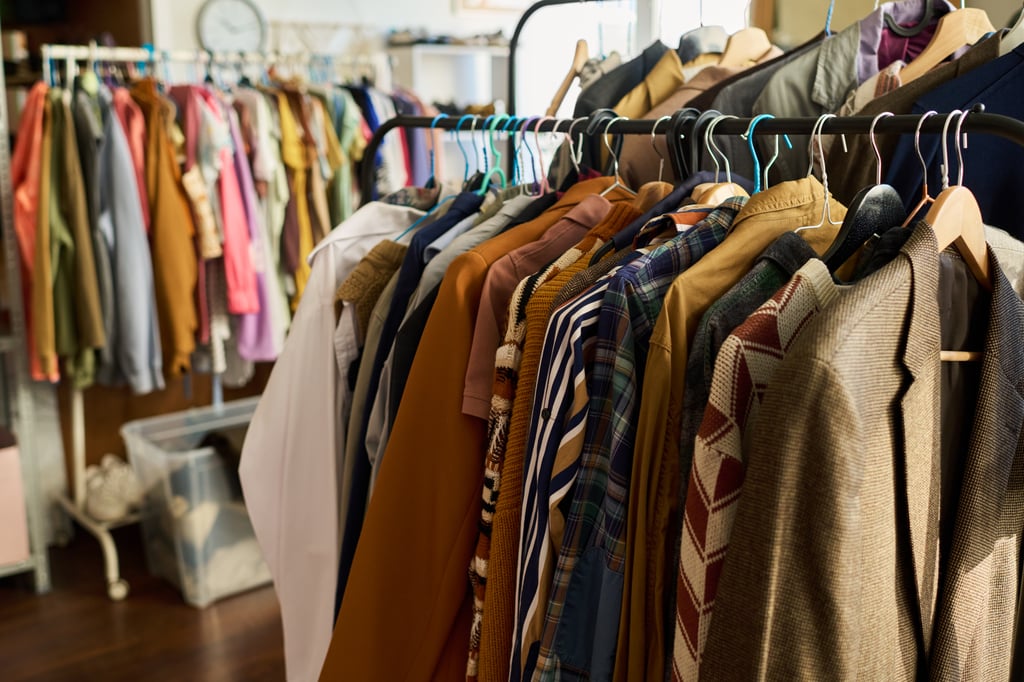
Closing policy gaps in the circular economy for clothing in Australia
Helping close policy gaps and accelerate Australia’s transition to a circular, sustainable clothing system.
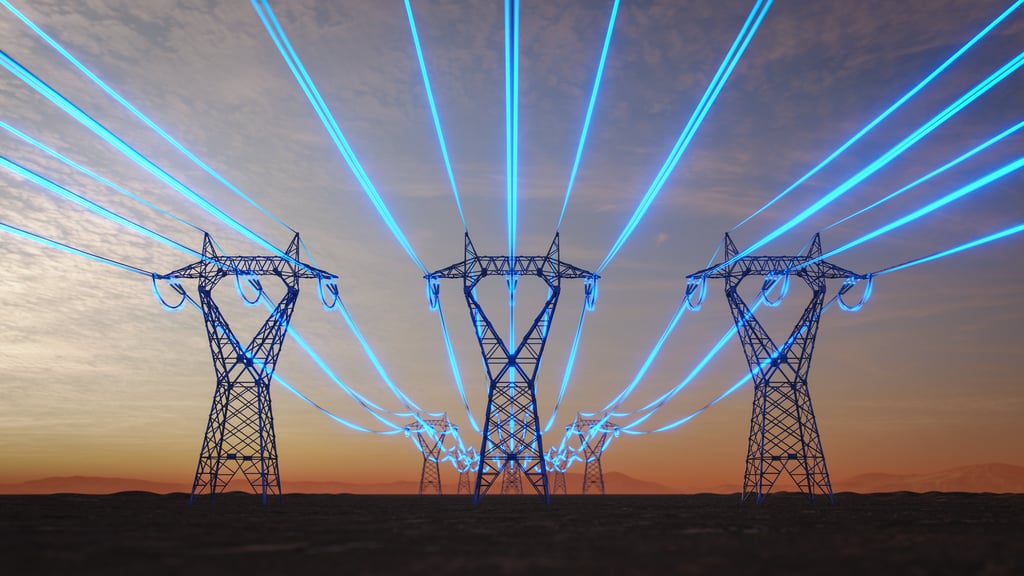
Bringing their own power? Options for data centres and renewable energy
Australia is experiencing a wave of investment in data centres. The emergence of data centres arrives at a pivotal moment in Australia’s energy transition. The...
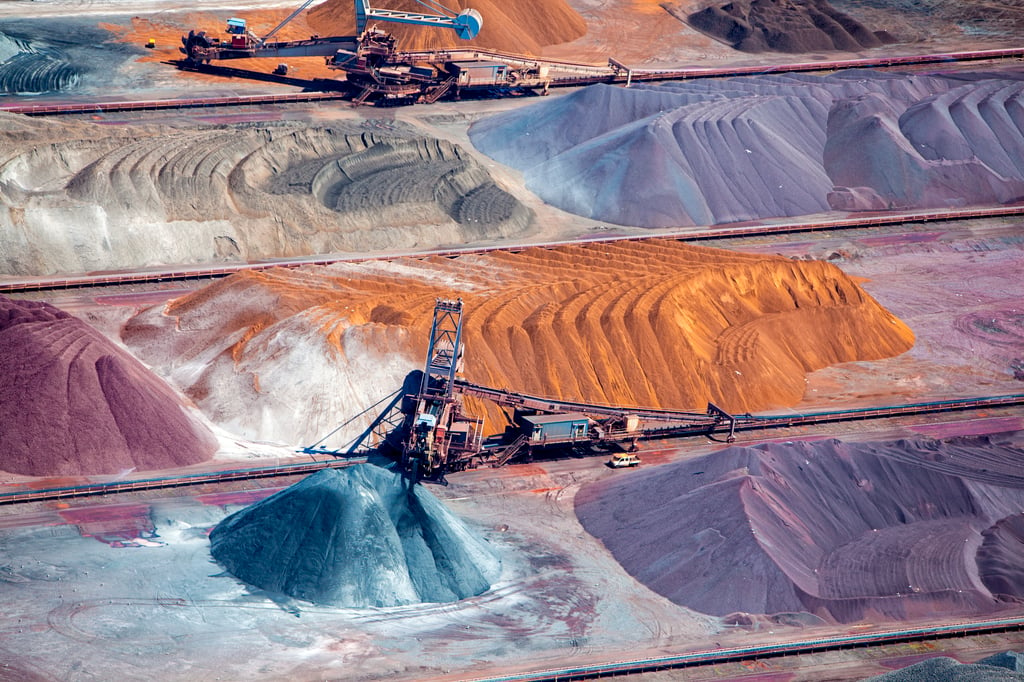
Primary Exploration, Mining and Metal Supply Scenario (PEMMSS)
The energy transition is driving demand for many mineral commodities, but where will this mineral supply come from?

Salmon farming disclosures
We examined climate-related disclosures for Tassal, Huon and Petuna and identified four key gaps between disclosures and existing climate science and other...
Closing policy gaps in the circular economy for clothing in Australia
Helping close policy gaps and accelerate Australia’s transition to a circular, sustainable clothing system.
Bringing their own power? Options for data centres and renewable energy
Australia is experiencing a wave of investment in data centres. The emergence of data centres arrives at a pivotal moment in Australia’s energy transition. The...
Primary Exploration, Mining and Metal Supply Scenario (PEMMSS)
The energy transition is driving demand for many mineral commodities, but where will this mineral supply come from?
Salmon farming disclosures
We examined climate-related disclosures for Tassal, Huon and Petuna and identified four key gaps between disclosures and existing climate science and other...