


- Posted on 19 Feb 2025
About SDG 10: Reduced inequalities
The proportion of the global population who are refugees has more than doubled since 2010, with 2020 registering the highest number of refugees ever recorded. Inequality exists in all countries with United Nations data from 44 countries revealing one in five people report experiencing discrimination. Inequality both within and among countries results in reduced opportunities, poorer health outcomes, and fractured social cohesion. Even in wealthy countries such as Australia inequality erodes the social fabric.
At UTS our operations and culture are informed by principles of equity, diversity and inclusion. Education is essential for overcoming inequality and we are proud of our work helping first-generation students gain entry to university and thrive while they are here. The Jumbunna Institute for Indigenous Education and Research creates pathways for Indigenous students to attend UTS and provides cultural support. The Centre for Social Justice and Inclusion runs a wide range of programs and initiatives to tackle inequality. Below are some examples of our contribution and impact.
Here are some examples of our work at UTS contributing towards SDG 10.

My voice, your words: AI helps NDIS participants speak up
Artificial intelligence tools are transforming communication between National Disability Insurance Scheme participants and providers.

A pathway to home ownership for ‘generation rent’
Tackling housing affordability is one of Australia’s biggest policy challenges.
Victorian Healthy Homes Program
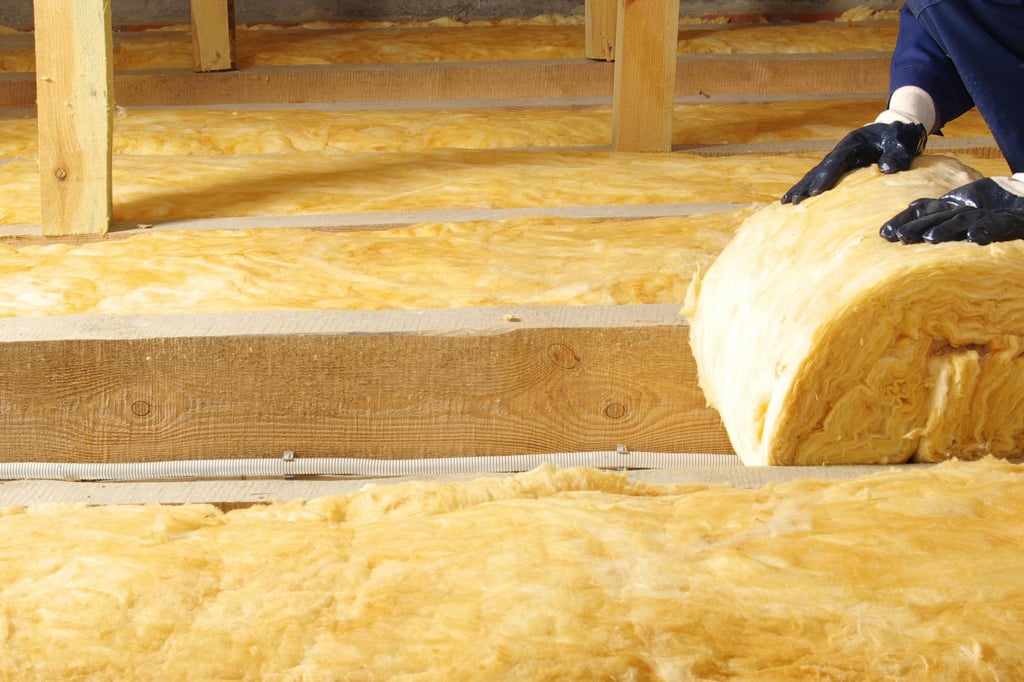
How energy upgrades can improve health and wellbeing for vulnerable people
Social procurement in the construction and infrastructure industry
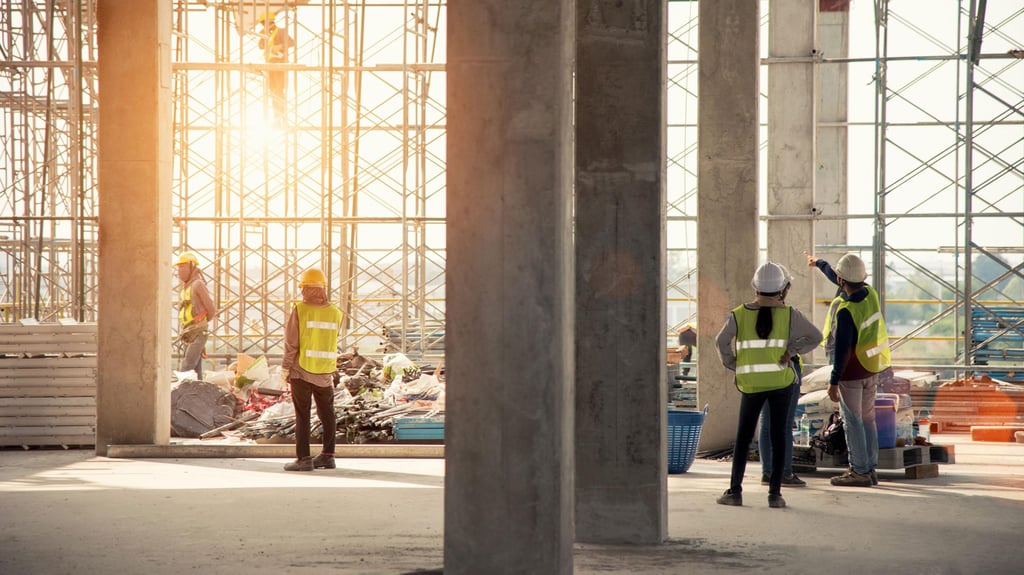
Social procurement involves strategically leveraging purchasing power to create community social value. UTS is leading the debate in academia, policy and practice to enable governments and socially responsible private businesses to maximise the social impact of their construction and infrastructure spending in the communities in which they build.

Enlisting migration agents in the fight against modern slavery
Up to 1900 people are estimated to be living in modern slavery in Australia, many on temporary visas.
Our impact
Find out how UTS staff and students are contributing to the UN’s Sustainable Development Goals.
Trailblazers for the Goals
UTS has experts working towards the SDGs all over campus. The Trailblazers for the Goals are a campus-wide network of researchers and experts advancing the UN Sustainable Development Goals.
You can contact a trailblazer to discuss their work for the SDGs, or they can connect you with other experts in the space.
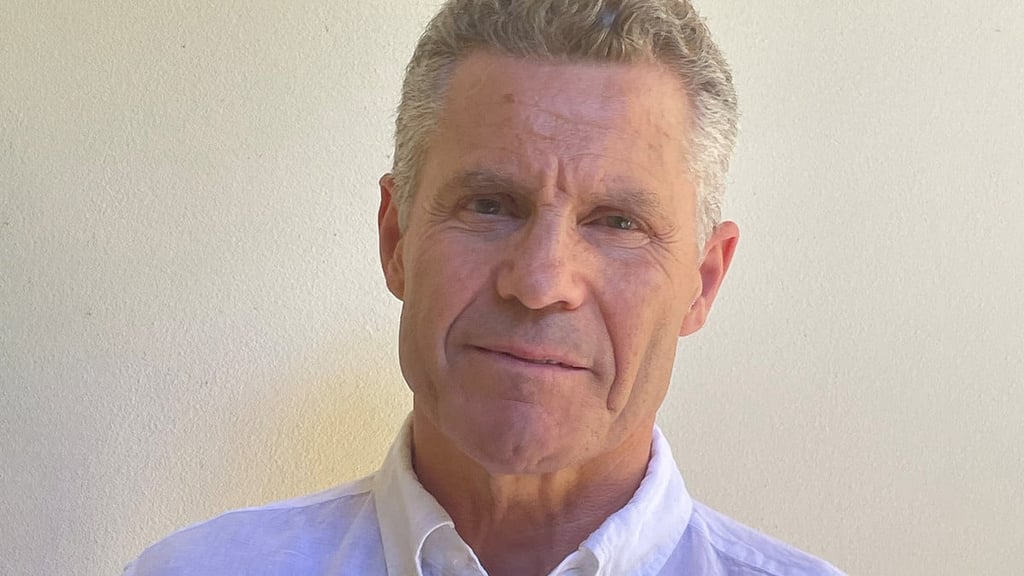
Distinguished Prof. Martin Loosemore
School of Built Environment
Martin is an infrastructure and construction management expert in the School of Built Environment. His research spans construction industry reform, social procurement, social enterprise, gender and cultural diversity, and corporate social responsibility. He champions SDG 10 through his focus on global social change in the construction industry.
Learn more
Building solutions to long-term unemployment
In the aftermath of the 2007 Global Financial Crisis, construction giant Multiplex began working on school infrastructure projects in western Sydney....
Social Procurement Community of Practice for the Construction Industry
To connect and support a diverse network of global thought-leaders in social procurement – addressing industry challenges, promoting social impact and...