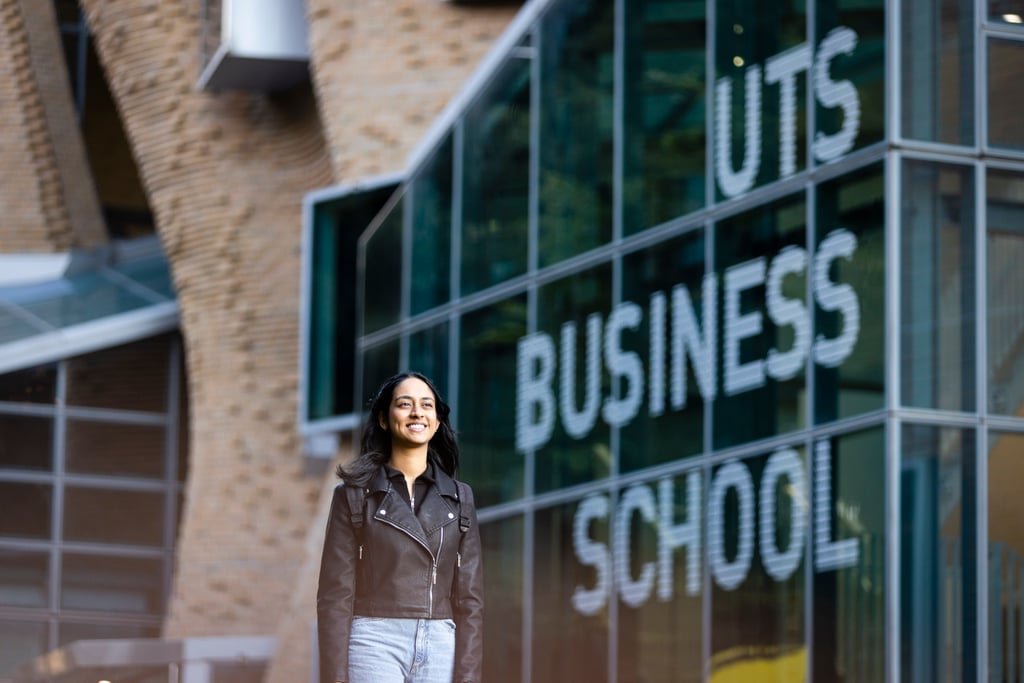
The UTS Behavioural Lab is devoted to theoretical and empirical research related to human judgments, preferences and decisions as well as their marketplace and societal consequences.
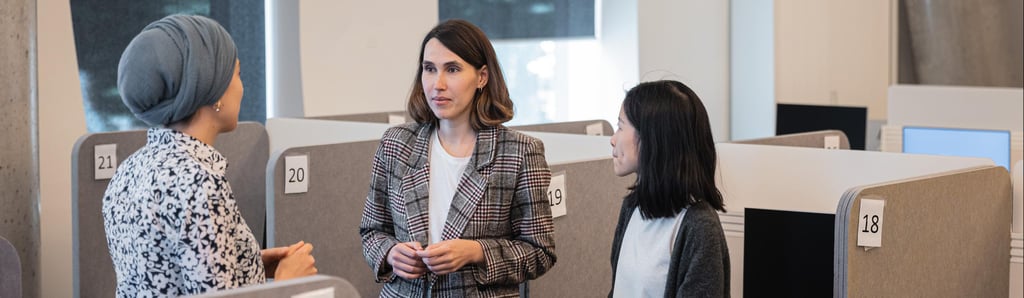
The UTS Behavioural Lab conducts research studies, predominantly using experiments, to make informed recommendations to practitioners in industry and government.

The leadership and members of the UTS Behavioural Lab are drawn from all areas of the UTS Business School, which contributes to the Behavioural Lab’s multidisciplinary approach to solving problems.
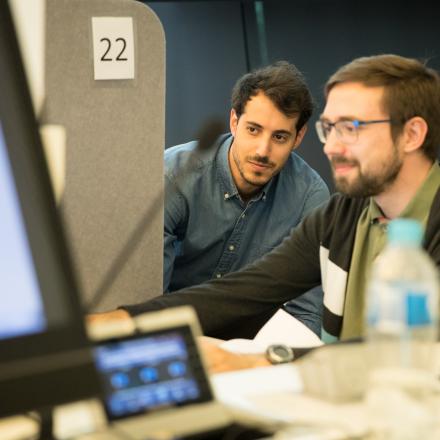
A single goal unites studies at the UTS Behavioural Lab – understanding human behaviour. We believe this is the key to effective decision-making and social impact.
Members of the Behavioural Lab supervise research conducted by PhD, masters and honours students. Lab members are also key contributors to the unique Master of Behavioural Economics degree.

What are the goals of the UTS Behavioural Lab?
UTS Behavioural Lab Conference 2024

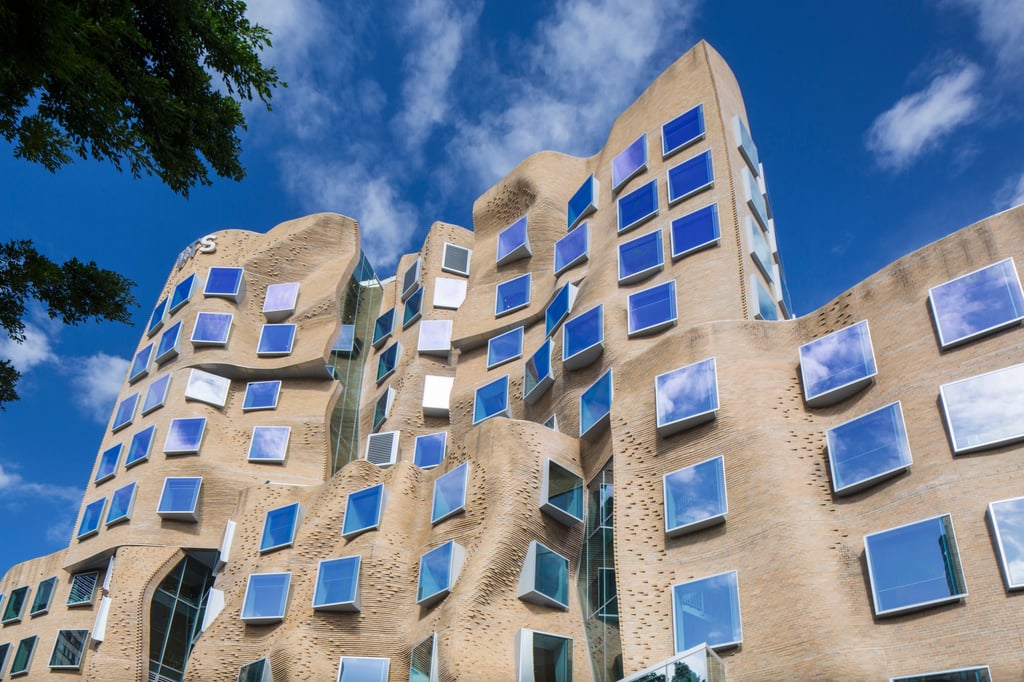
[Introduction: This video was recorded at the Behavioural Laboratory Conference 2024, hosted by the UTS Centre for Behavioural Science and Design. The conference was held in the Chou Chak Wing building on the main UTS campus in Sydney. The video is comprised of excerpts from the opening address and interviews with people who presented to the conference and attendees. This overlays random video of the audience listening and mixing in the breaks and presenters, accompanied by generic background music.]

Dr Elif Incekara-Hadalir, Deputy Director and Acting Director, Senior Lecturer Economics Discipline, UTS Business School, opening the conference:

Welcome to the 2024 UTS Behavioural Lab Conference, which is part of the UTS Centre for Behavioural Science and Design.

The goal of this year's conference is to bring together people from academia, industry and government to focus on the theme of diversity, equity and inclusion.

I hope the conversations you start in this space is going to continue and end up with fruitful collaborations in the months and years to come.

Dr Geetanjali Saluja, Acting Deputy Director, Senior Lecturer Marketing Discipline Group, UTS Business School:

Today's Behavioural Lab conference is a great example of how we do cross-disciplinary research. We've got people from economics, marketing, accounting and industry coming together to talk about their research and how they're using behavioural science to solve some real world problems.

TaeWoo Kim, Lecturer, Marketing Discipline Group, UTS Business School, who presented a conference talk on Artificial Intelligence and Consumer Behaviour:

Behaviour Economics and Behaviour Science is an academic disciplines that focus on studying human behaviour. 

It includes some representative disciplines such as economics, psychology,
neuroscience and some disciplines within business such as marketing.

Aleksandra Erakhtina, PhD Candidate, Economics Discipline Group, UTS Business School, who presented a conference talk on Colonisation, convicts and marriage market in Tasmania:

UTS Behavioural Lab is not only a platform to conduct experiments, but it's also a place that brings together resources from very different fields at the same time, offers grants for ambitious research and provides a very diverse pool of participants.

And mainly UTS Behavioural Lab is about people, it's community. So, even look at today's presentation, it's so unique, so ambitious, at the same time very well grounded in terms of real impact.

So I'm just really proud to be a part of this community.

A PhD Candidate, Economics Discipline Group, UTS Business School:

UTS Behavioural Lab provides the very great platform for academic and for the opportunity for us to have the connection with the industrial, so we can know what they care about in practise, so we can create a better research idea.

Eunbin O, Postdoctoral Research Associate, Marketing Discipline Group UTS Business School, who presented a conference talk on Perceived Efficacy and Climate Action:

I have collaborated with industry through collaborative research projects. 

Working with industry allows us to validate our findings in real world settings. The good thing at UTS Behavioural Lab is it enables us to get practical insights. We can evaluate our findings both in field experiments and also in lab settings, which I find it always amazing.

Gan Xu, PhD Candidate, Economics Discipline Group, UTS Business School, who presented a conference talk on How would people's behavioural characteristics affect MPC dynamics?:

My research is important for the following two reasons.

First of all, people will view money different depending on the payment mode, payment timing and the payment, the size.

And secondly, we think people's personality is very important, deciding how much and how fast people are going to spend out of the government stimulus.

Aristus Ochionuoha, PhD Candidate, Marketing Discipline Group, UTS Business School, who presented a conference talk on Consumer Beliefs and Responses to Equality-Based Initiatives:

My longer term goal for research, as well as UTS Behavioural Lab, is to be able to augment any funding we have and to conduct more impactful research that will have societal impact, and also be able to share the findings of this research with colleagues and other publics.

Ave Le Blanc, PhD Candidate, Marketing Dsicpline Group, UTS Business School, who presented a conference talk on She cyar sell me Nothing - The Shift from Social Media Influencer to Content Creator in the pursuit of Authenticity:

I think my research is important because it looks at how gender dynamics shapes the practises of social media influencers. But what's really close to my heart is because it's in my home country of Trinidad and Tobago, experiences of global self, women are usually ignored in current literature.

So it's really important that we look at all of their experiences so that we could craft equitable campaigns for social media influencing.

Adeline Delavande, Professor, Economics Discipline Group, UTS Business School, who presented a conference talk on Less Macho, More Mellow: The Malleability of Competitiveness:

So my research is looking at whether competitiveness is malleable due to exposure to different social environment. And what we find is that during the early university years, male who live with more female become less competitive compared to male who live with more male.

We don't see any effect for women in terms of their competitiveness. And what they suggest is that if you're trying to foster a less competitive environment, gender diversity can really help.

Dr Elif Incekara-Hadalir:

Our annual UTS Behavioural Lab Conference is a unique platform where people from academia, industry and government get together.

It's a chance to start meaningful conversations and work together on solutions to social issues which are important.

We believe together we can create a future which is more inclusive and fair for everyone.

News and Events

Tue 19 May 2026 - Wed 20 May 2026

8.30AM Australia/Sydney

Dr Chau Chak Wing Building, Building 8 UTS Business School 14/28 Ultimo Rd, Ultimo NSW 2007, Australia

$1,500.00

Learn more

Wed 1 Jan 2025 - Wed 31 Dec 2025

9.00AM - 5.00PM Australia/Sydney (8 hours)

Online

Free admission

Learn more
News

Our 6th Australian Positive Organisational Scholarship (POS) Community of Practice (CoP) event was held in Brisbane from 2-5 July 2025. Find out more.

News

Residents with higher incomes and assets will be required to pay for a larger contribution than those on a pension.