


Transdisciplinary research represents a major leap in research innovation designed to respond to the unique nature of today’s complex, dynamic and networked societal challenges.
The TD School holds an established track record at the leading edge of education, research, and their integration. We work with stakeholders as co-creators of learning experiences and research projects to tap into creative responses to complex societal challenges. We have extensive expertise in designing and facilitating context-specific and adaptive workshops with distinctive tools and methods. Transdisciplinary (TD) research is ideally suited to problem spaces that are open, complex, dynamic and networked. It goes beyond solving discrete problems by opening doors to new questions and digging deeper at root causes instead of targeting symptoms.
TD research is primarily a process rather than a product. In plain terms, it typically involves:
- mixing academic knowledges from multiple disciplines
- mixing applied knowledges through collaboration with industry
- co-design with stakeholders, including end-users through a human-centred approach.
Through that approach, transdisciplinary research does more than generate publications. Because engagement with stakeholders is built in from the design stages of research projects, it inherently involves mutual learning, engagement and impact for all parties involved.
Learn more about our transdisciplinary research.
Research themes
Transdisciplinary research is useful across a very broad range of areas. Within the Transdisciplinary School (TD School), we focus our research on 6 main themes. We also enable others across UTS to use TD methods in their projects (aka ‘supported by TD School’). Our key themes are: Sustainable Societies, Transformative Learning, Responsible Technology, Health and Wellbeing, Multispecies Societies and Innovation and Change.
Click on the themes below to find out more about our research in each theme and explore our collaborations, case studies, further reading and more.

Sustainable societies
Enabling the achievement of the United Nations development goals (SDGs).

Transformative learning
Unleashing the transformative potential of learning for individuals, organisations and society.

Responsible technology
Technology can transform our lives in so many ways and redefine what it means to be human.

Health and wellbeing
Understanding the social and technical system in which health and wellbeing is managed, including knowing which data and experts to trust.

Multispecies societies
Humans or animals? Prey or predator? Domestic or wild? Native or introduced? How can we coexist with less conflict and more appreciation of each other’s benefits?

Innovation and change
Beyond new products and services, innovation includes new ideas, paradigms and methods that significantly change our productivity and our lives.
Our researchers

Claire Marshall
Graduate Research Student
Faculty of Law
Dr Scott Matter
Senior Lecturer
Faculty of Law
Beate Mueller
Senior Lecturer
Faculty of Law
Hannah Mullen
Graduate Research Student
DVC (Research)

Mohamad Naji
Casual Academic
Faculty of Design and Society
Betty O'Neill
Lecturer
Faculty of Law
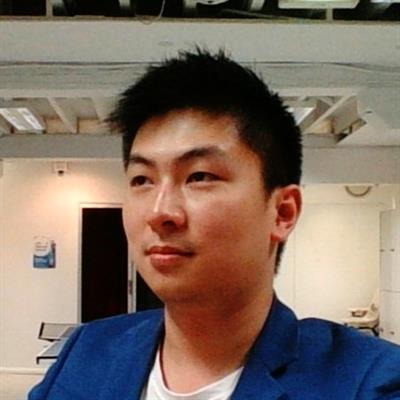
Albert Ong
Casual Academic
Faculty of Engineering & Information Technology
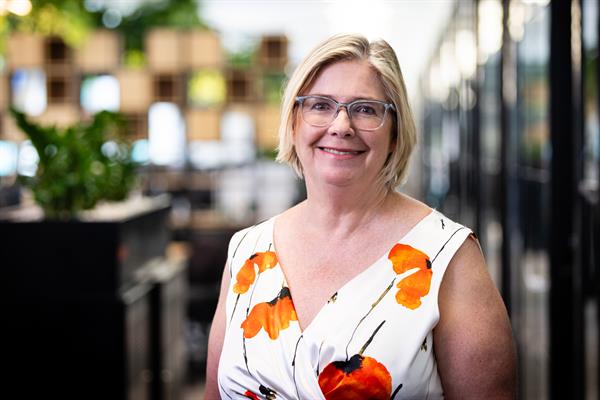
Monique Potts
Lecturer
Faculty of Law

Susanne Pratt
Senior Lecturer
Faculty of Law
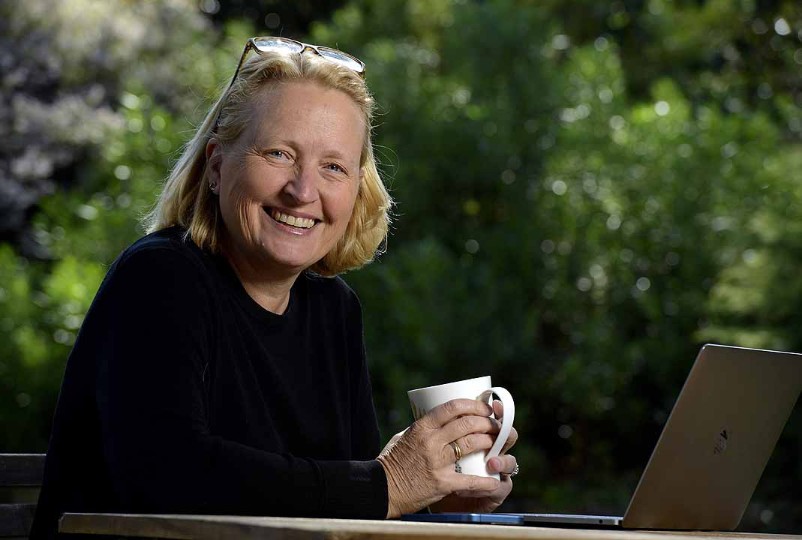
Meg Price
Graduate Research Student
Faculty of Law
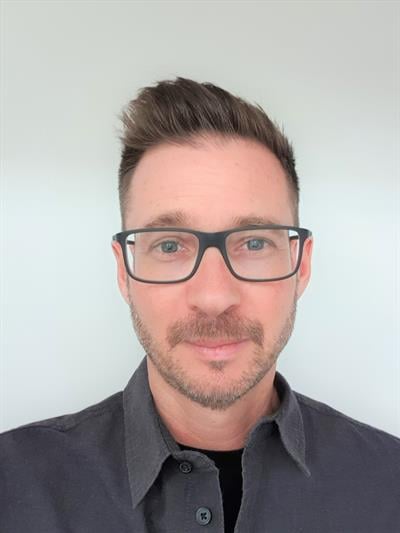
Daniel Ramp
Associate Professor
Faculty of Law
Helena Robinson
Senior Lecturer
Faculty of Law

Katie Ross
Adjunct Fellow
DVC (Research)
Fanny Salignac
Director, Research
Faculty of Law
Antonette Shibani
Senior Lecturer
Faculty of Law
William So
Casual Academic
Faculty of Law

Margarita Steinhardt
Senior Graduate Research Officer, Candidature Management
DVC (Research)
Reasmey Tith
Casual Academic
Faculty of Law
Martin Tomitsch
Head Of TD School
Faculty of Law
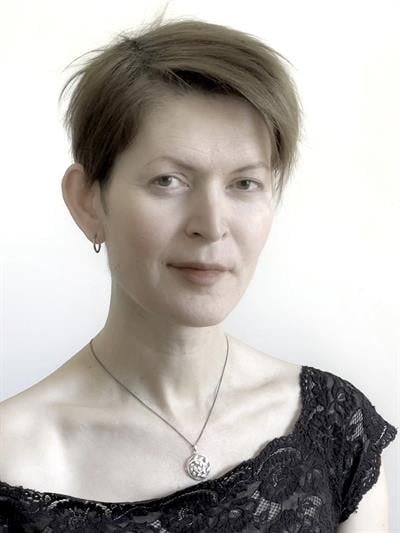
Nicole Vincent
Senior Lecturer
Faculty of Law

Rodger Watson
Casual Academic
Faculty of Law
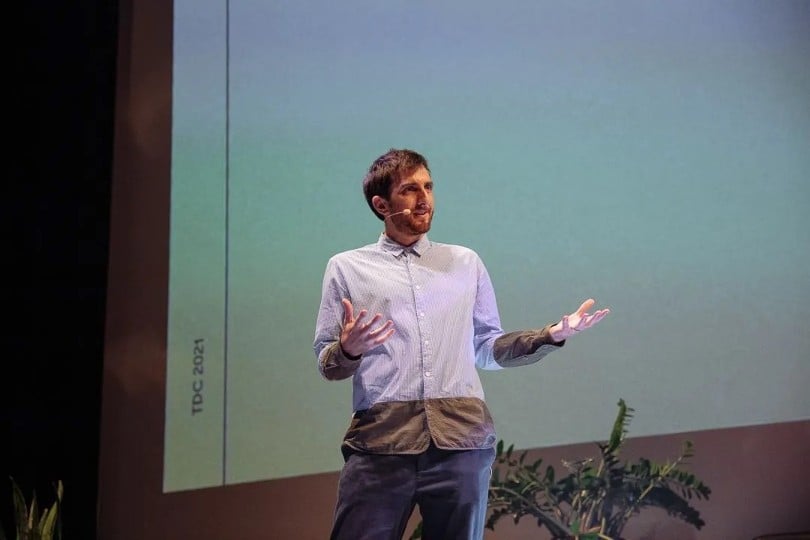
Dr Samuel Wearne
Lecturer
Faculty of Law
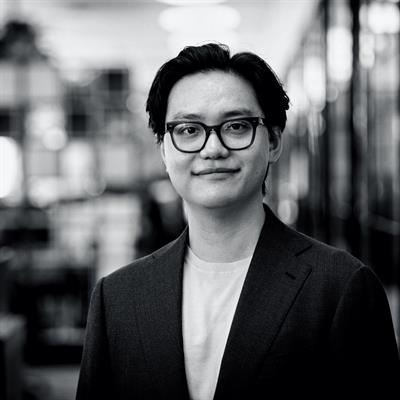
Samuel Yu
Associate Lecturer
Faculty of Law