
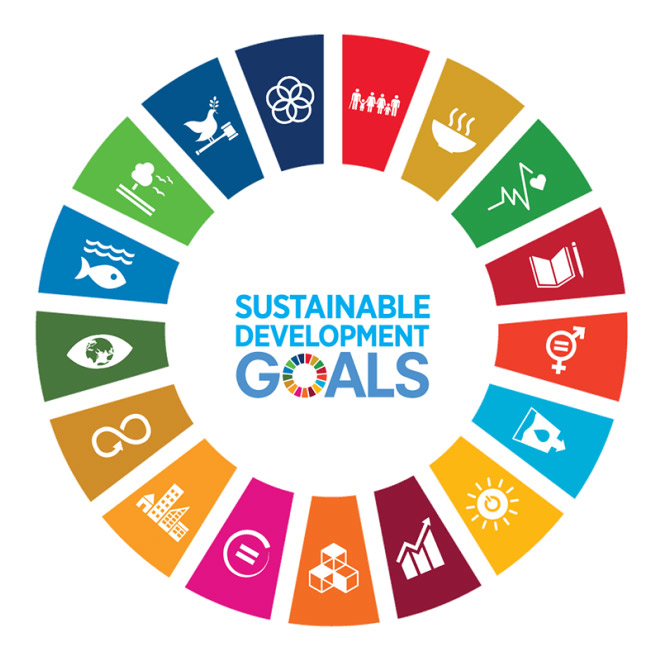
Our global health research focuses on making a difference in order to improve health and reduce health inequity, and to achieve the Sustainable Development Goals targets by 2030. Our solutions harness the power of technology and acknowledge the challenges of the current climate change emergency which demands adaption and resilience.

Working together

In relation to asylum seekers, we work with partners in:

  • Papua New Guinea
  • Fiji
  • Sri Lanka
  • Bangladesh
  • Ethiopia
  • Ghana
  • Australia.

To ensure our research is relevant, can be transferred into policy and practice and achieve real-world impact we have strong partnerships globally with:

  • communities
  • governments
  • business
  • academic institutions.

The work we do is multidisciplinary, extending beyond the disciplines of health to embrace:

  • politics
  • development
  • engineering
  • digital science
  • human rights
  • law and political economy.
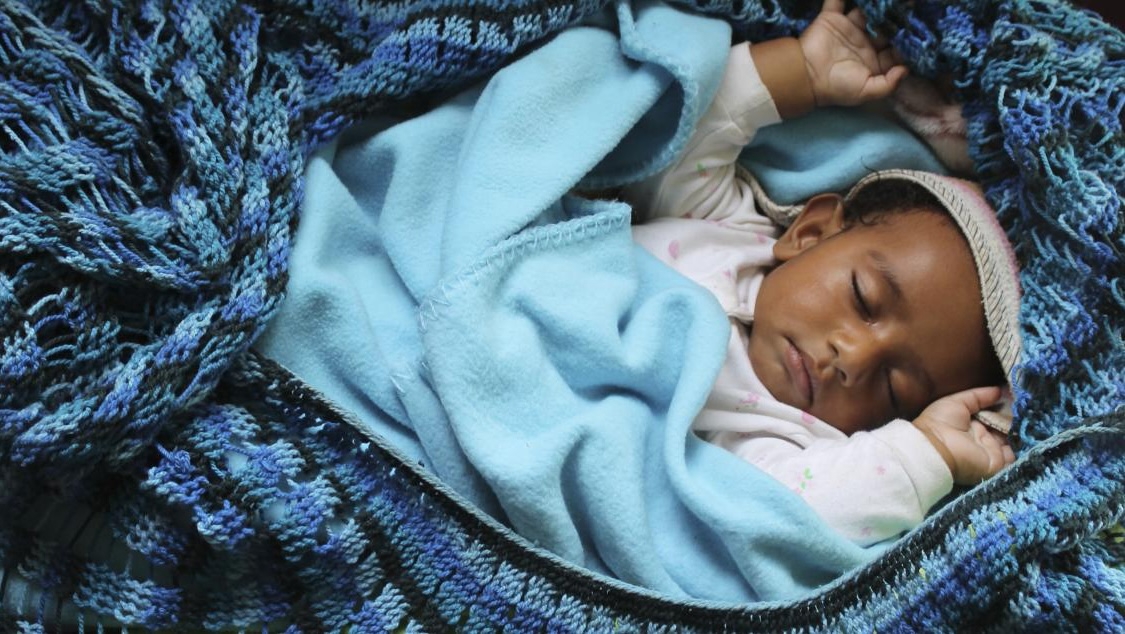
sleeping baby swaddled in blue blankets

WHO Collaborating Centre for Nursing, Midwifery and Health Development

The WHO Collaborating Centre for Nursing, Midwifery and Health Development (WHO CCNM UTS) forms part of an international collaborative network that supports and undertakes projects in support of the World Health Organization’s (WHO) program at national, regional and international levels.

Our research

Our research aligns with key Sustainable Development Goals targets.
UTS Health Research in Action: Global Health video thumbnail

Faculty of Health Research Strength: Global Health

Faculty of Health Research Strength: Global Health transcript

Welcome to the Faculty of Health here at the University of Technology Sydney. Our global health research at UTS focuses on making a difference to improving health and reducing health inequity to achieve the Sustainable Development Goal targets by 2030.

I got interested in contraception and sexual reproductive health from many, many years of travelling internationally and travelling through developing countries, and also realising there's an incredible unmet need for access to contraception and reproductive health services in developing countries, but also in humanitarian crisis settings. 

So my research is looking at the role of social capital in women's sexual and reproductive health and rights in humanitarian settings. It's a bit of a mouthful, but social capital is the resources that are embedded in our social networks. I'll be travelling to three islands in Fiji that were impacted by cyclones to speak with those women who were impacted and to try and understand how they drew on their networks and their social capital during that time to support their sexual and reproductive health. 

Unintended pregnancies are a major public health issue. So although emergency contraception pills have been available for over 20 years, there are immense barriers for accessing them, particularly for women in low and lower-middle income countries. This research is unique because there's very little attention that's been paid to emergency contraception. It is one of the 13 essential commodities that should be embedded within all countries, but unfortunately, it's not always available. Knowledge is low, uptake is low of this essential commodity.

We know it's a global problem, domestic and family violence. In a lot of developing countries, they don't have women's support groups. They don't have refuges that women can go to. That work has to be looked at and dealt with in the context of each country that you're doing the work in. And certainly, that's the belief of the World Health Organisation: yes, it's a global problem, yes, we have to address it, but there has to be the support and the resources there if you're going to ask those questions to be able to support women, or else it's unethical to do the work. I have supported several PhD students from Nepal, from Ethiopia, where their health professionals worked with women to give them some strategies around how they could work with this, and I measured their wellbeing just by having support from the healthcare professionals.

I want people to understand the importance of contraception as an important public health intervention, particularly as an essential commodity that should be available and accessible by all women and adolescents.

I hope that this research might shed some light on how we can better harness strengths that exist in the communities. 

This work is growing all the time, and my hope is eventually that every country will have resources and be able to support women who are brave enough to disclose about domestic and family violence.

I think the main key message is sexual and reproductive health and rights are human rights, that every person deserves to have access to services and contraceptive options that best suit them and their family and their needs.