

Guiding successful adaptation strategies to reduce vulnerability to the effects of climate change while avoiding maladaptation.
Reducing vulnerability to the effects of climate change is complex and interventions run the risk of maladaptation, where outcomes that are more harmful than helpful.
Successful adaptation requires collective action by communities, policy-makers and the business community to choose a careful selection of pathways. An evidence base for fundamental and well-planned change is needed to inform adaptation action and supporting policy.
ISF researchers have a strong grounding in the scientific drivers of climate change and a practical understanding of the impacts of climate change on all sectors of society. As such, we are well equipped to empower government, industry and communities to respond proactively to climate change.
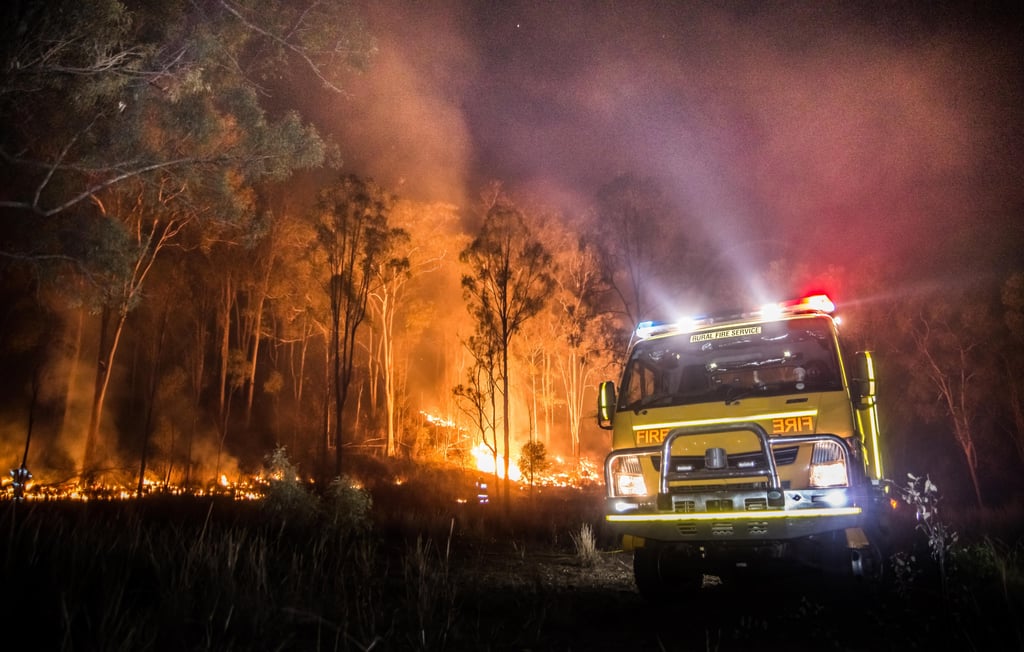
Saving the systems: enabling regional adaptation to climate change
The global challenges of climate change require solutions that respond to vulnerabilities at a regional scale. In Australia, the Institute for Sustainable...
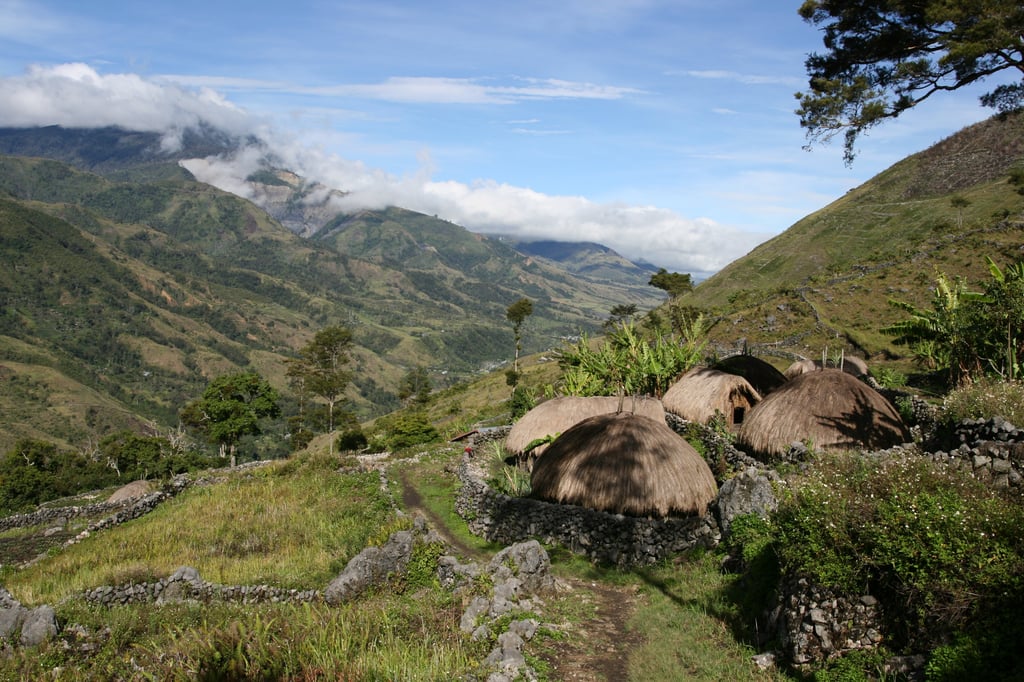
Engaging Communities and Government in Biodiversity conservation and climate adaptation in Papua New Guinea
ISF researchers used participatory techniques in facilitated workshops to engage communities in managing ecosystem services and biodiversity conservation to...

Ensuring resilience of natural resources to extreme climate events
Natural resources directly support rural livelihoods and underpin much of the wealth of rural and regional Australia. Climate change manifesting as increasing...
View more projects
Climate change health and vulnerability assessment
PROJECT | 2019-ongoing
This was a project led by the University of NSW for the Sydney Partnership for Health, Education, Research and Enterprise (SPHERE). Using a Health Impact Assessment screening tool, researchers worked with stakeholders to identify potential determinants and to develop the rationale for potential areas of focus and a shared understanding of key issues.
Clients: The Sydney Partnership for Health, The Sydney Partnership for Health, Education, Research and Enterprise (SPHERE)
Researchers: Brent Jacobs, Jason Prior
Enhancing food resilience in the UK
PROJECT | 2017-2021
This project sought to enhance the resilience of the UK food system by accounting for catchment and socio-ecological heterogeneity in the sustainable management of phosphorus.
ISF hypothesised that the variable response of catchments to phosphorus inputs would define a region’s capacity to adopt sustainable phosphorus management practices, with knock-on consequences for the vulnerability of the UK food systems to phosphorus shocks caused by geopolitical pressures, rock phosphorus availability and price fluctuation.
Client: University of Leeds
Researchers: Dana Cordell, Brent Jacobs, Laure-Elise Ruoso, Federico Davila
Supporting Climate Risk's XDI project through virtual reality and 360 degree video
PROJECT | 2017-2018
Using the latest technology to deliver climate adaptation training.
Adapting to urban heat
PROJECT | 2014
Researchers from the Institute for Sustainable Futures have produced the first national data on urban tree cover, helping us understand why certain urban areas are much hotter than others, and more importantly, what we can do about it.
Teeing off on carbon connections biodiversity
PROJECT | 2012-2013
ISF's research for the Hawkesbury Nepean Catchment Authority aimed to determine the factors that support and constrain the adoption of improved practices on golf courses in the greater Sydney region with particular reference to biodiversity, habitat and carbon storage.
The research team designed and conducted a participatory self-assessment workshop and an online survey of golf course superintendents, staff and club managers from across the Sydney metropolitan region. Additional data was generated from interviews with key stakeholders.
The research found that more than half the golf clubs surveyed contain endangered ecological communities or threatened species. Most of the golf course personnel who took part in the survey believed that managing biodiversity on golf courses is important, agreed that biodiversity enhances the experience of playing on a golf course, and had taken some action towards improving the management of biodiversity on their course. The project will assist the Hawkesbury Nepean Catchment Authority and Golf NSW to formulate effective investment and support programs for building the capacity of golf course personnel to improve biodiversity practices.
Client: Hawkesbury Nepean Catchment Authority