

Informing deep transformational change for the environment, society, economics and governance.
Many of the impacts of climate change are felt at a local scale affecting communities, governance structures and key natural and physical assets. Increasingly, the need for fundamental change through planned transformation in key climate-vulnerable systems is recognised as central to adaptation responses.
ISF's expertise in this area can provide evidence and holistic knowledge to inform decision-making and long-term transformational planning.

Adaptive Communities Nodes: preparing for a future in flux
Preparing to manage the impacts of a changing climate on our natural, social and economic systems requires a ‘whole of society’ approach. Individuals,...
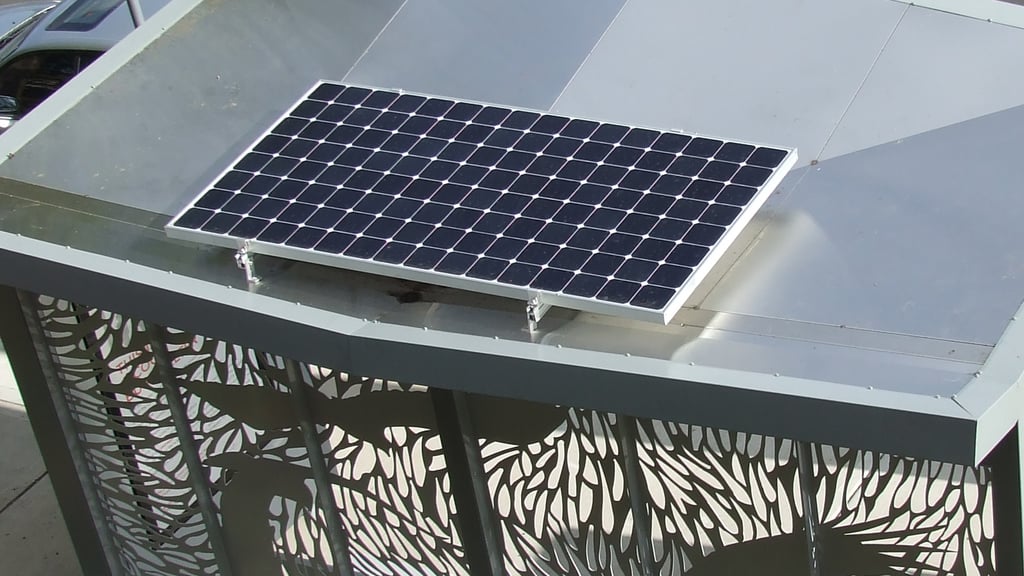
Climate Adapted People Shelters
Bus shelters are seldom designed with ‘shelter’ in mind. Their location and construction is predicated on a model that focuses on the placement of advertising,...
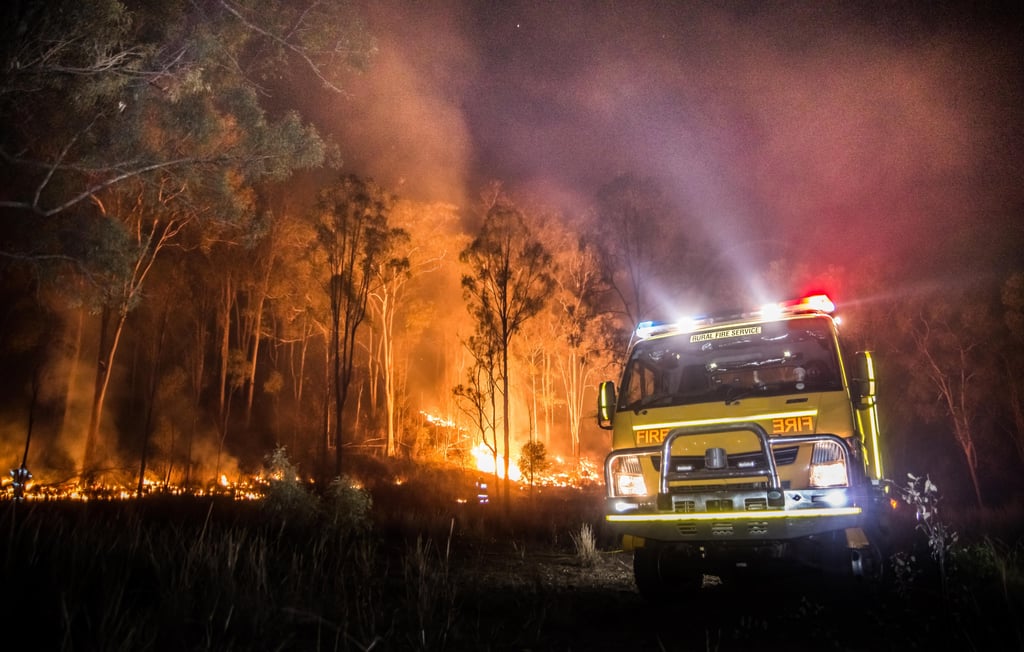
Saving the systems: enabling regional adaptation to climate change
The global challenges of climate change require solutions that respond to vulnerabilities at a regional scale. In Australia, the Institute for Sustainable...
View more projects
Evaluation of the Health Security Initiative's Applied Research Program
PROJECT | 2023
UTS-ISF conducted an end of program evaluation of the Applied Research Program under the Health Security Initiative (HSI). The HSI investment provided funding specifically for applied health research, addressing health systems and/or policy research in relation to health security in the Indo-Pacific region. The five-year investment (AUD $31 million, starting FY2017/18) represents one tenth of the total HSI investment and included two funding streams: The Stronger Systems for Health Security (SSHS) Program and Cofunding with the Australian Centre for International Agriculture Research (ACIAR) of the Research for One Health for Systems Strengthening (ROHSS) program. 16 applied research projects were funded and included in this evaluation. The evaluation was conducted January – April 2024. The evaluation was commissioned by the Australian Department of Foreign and Trade (DFAT).
UTS-ISF worked with Emele Duituturaga in Fiji and Men Yon Kwan in Indonesia to develop in-depth case studies on SSHS and ROHSS projects in Fiji and Indonesia.
The evaluation found mixed results across the Applied Research Program’s investments: some projects achieved strong outcomes, while others showed limited progress toward improving health security systems and the use of research evidence in decision-making. However, the evaluation found that the program made a strong contribution to building regional research capacity and strengthening institutional partnerships, with some unexpected benefits such as community empowerment and reductions in diseases like leptospirosis, typhoid, dengue, and diarrhoea in Fiji. The evaluation also identified important gaps, particularly limited attention to gender equality and disability inclusion, and some risks to sustaining outcomes after projects end.
Client: DFAT
Location: Fiji, Indonesia
Researchers: Keren Winterford, Jessie Meaney-Davis
Publications and more information
Towards Phosphorus and Climate Smart Agriculture (PACSA) in Sri Lanka
PROJECT | 2016-2017
Two of the biggest global challenges for food security – phosphorus scarcity and climate change – are threatening farmers’ livelihoods, agricultural productivity and environmental integrity. Risks are particularly high in low-to-middle income Asia-Pacific countries, yet remain insufficiently assessed or mitigated. This project investigated the capacity of smallholder farmers and policy-makers in Sri Lanka to adapt to these twin challenges via development and testing of a novel rapid integrated vulnerability assessment framework.
Adoption of the framework by key stakeholders increased adaptive capacity, ultimately improving the livelihoods of small farming families, national food security, and environmental integrity of agricultural land and waterways.
Client: UTS
Researchers: Dana Cordell, Brent Jacobs
Irish P-Change workshop
PROJECT
This workshop engaged stakeholders in Ireland to develop a 'Change Model' for Ireland's phosphorus value chain, based on the processes used for North America in 2015.
Clients: Queens University of Belfast, Irish EPA
Researchers: Dana Cordell, Brent Jacobs
Innovation in the governance of climate change adaptation
PROJECT
A collaborative investigation sought to identify the role of governance in effectively engaging community uptake of climate change adaptation.