


A warming climate, disconnection from Country and soaring economic inequality have left our cities in a perilous state. Decarbonisation, decolonisation and urban equity are emerging as guiding architectural principles that are driving sustainable built environment design.
Designing for the environment
Architecture is a central piece of the built environment system, responsible for the design and materials of buildings in cities across the globe. As the climate crisis ramps up, architects are searching for new opportunities to embed sustainability at the core of their design practice.
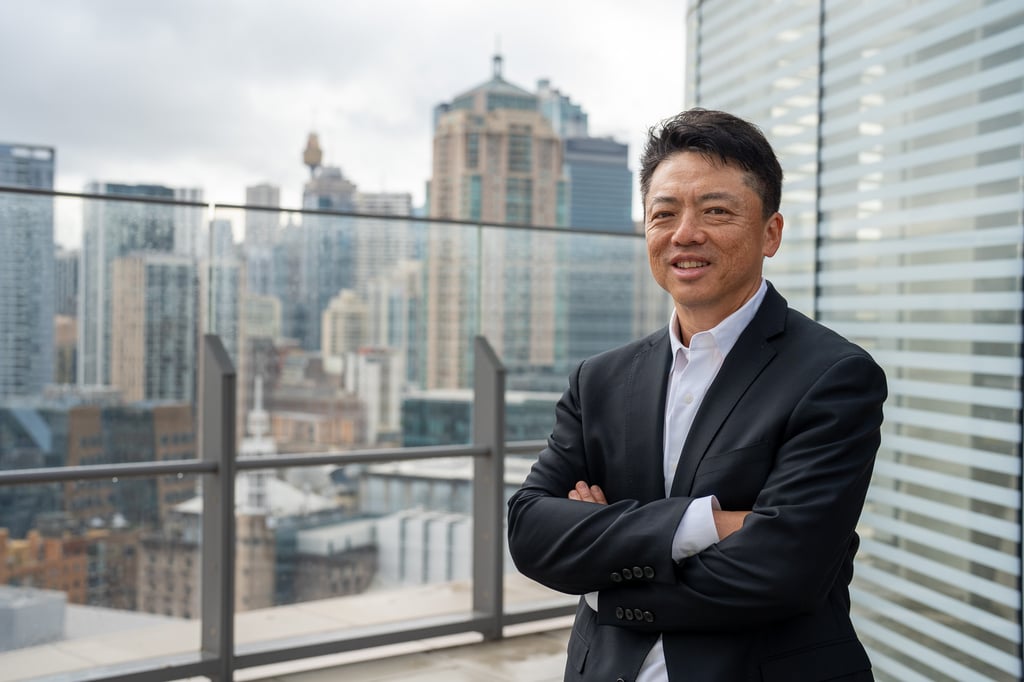
In Sydney, UTS Architecture graduate Charles Tang is a long-term believer in the power of sustainable design. The founder of award-winning architectural firm Charles Tang Design, Charles has been embedding sustainable architectural principles into his work for more than 20 years
“Sustainable architecture, to me, starts with creating low carbon footprint buildings that help to reduce energy consumption and lower carbon emissions,” he says.
Exceptional design incorporates the uniqueness that is specific to a place’s culture and environment and that has a strong influence on the way people interact with it.
Featured Alumni
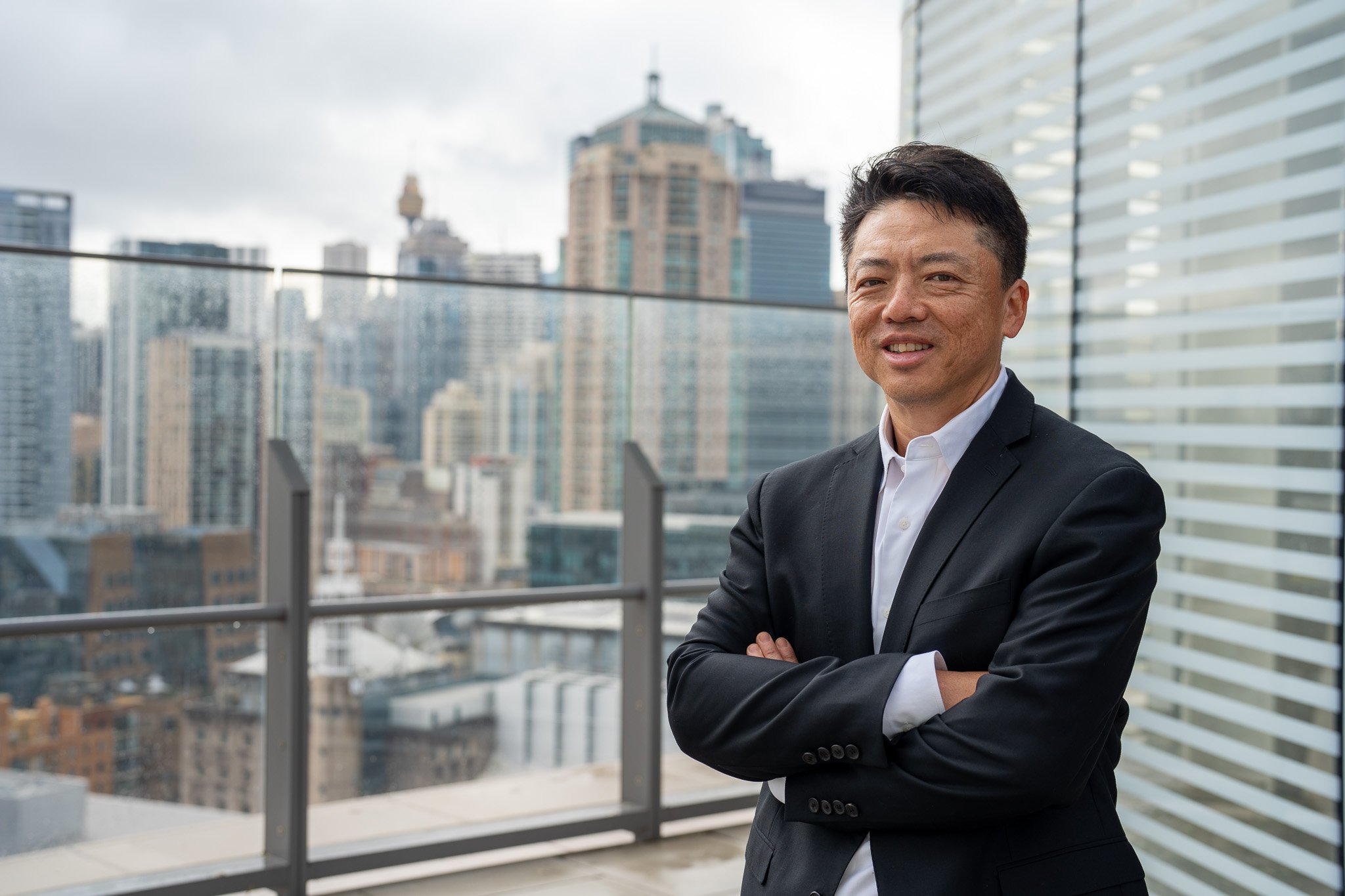
Charles Tang
UTS Architecture graduate
Founder and Creative Director at Charles Tang Design Pty Ltd
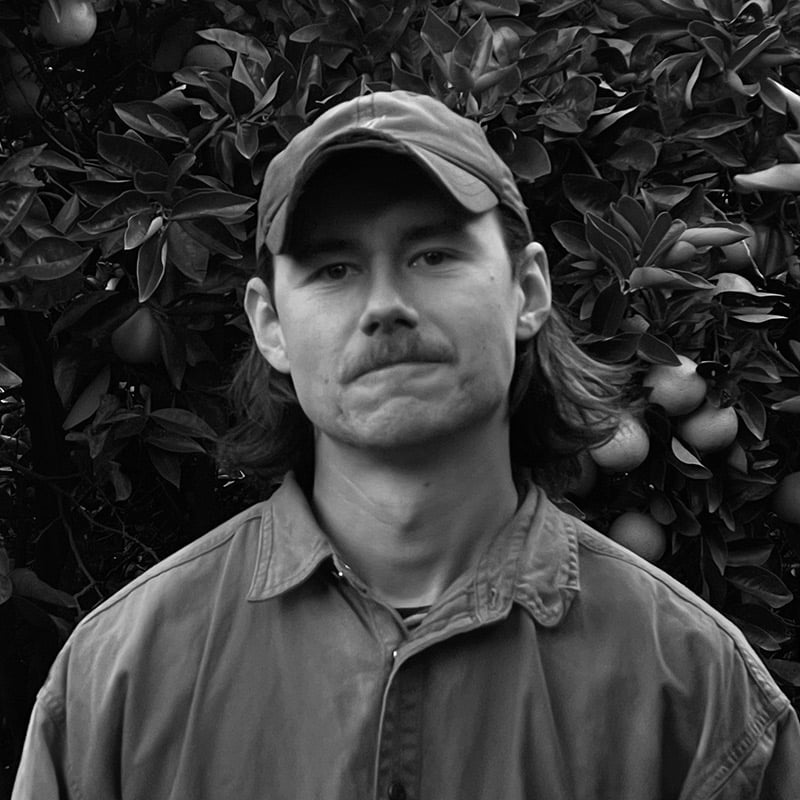
Tyler Smith
UTS Master of Architecture graduate
Featured Researcher
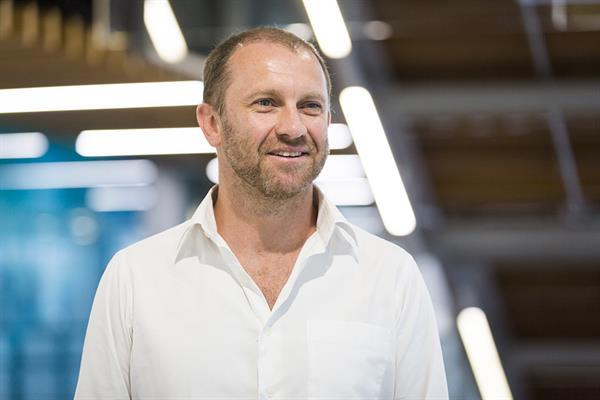
Professor, Faculty of Design and Society
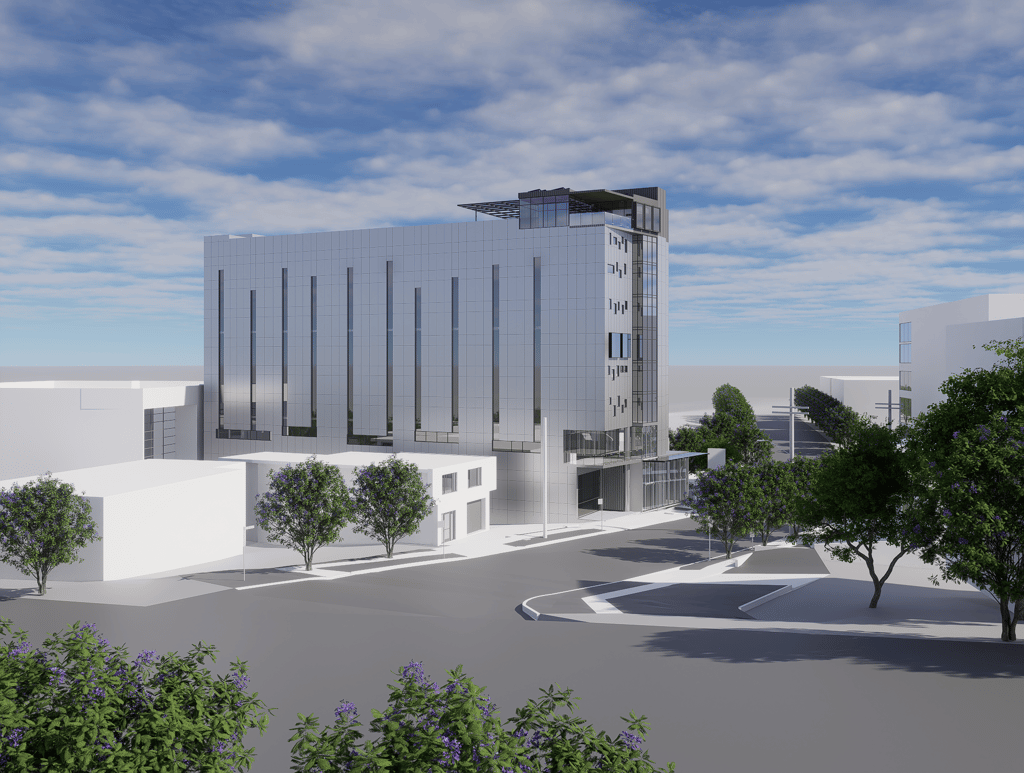
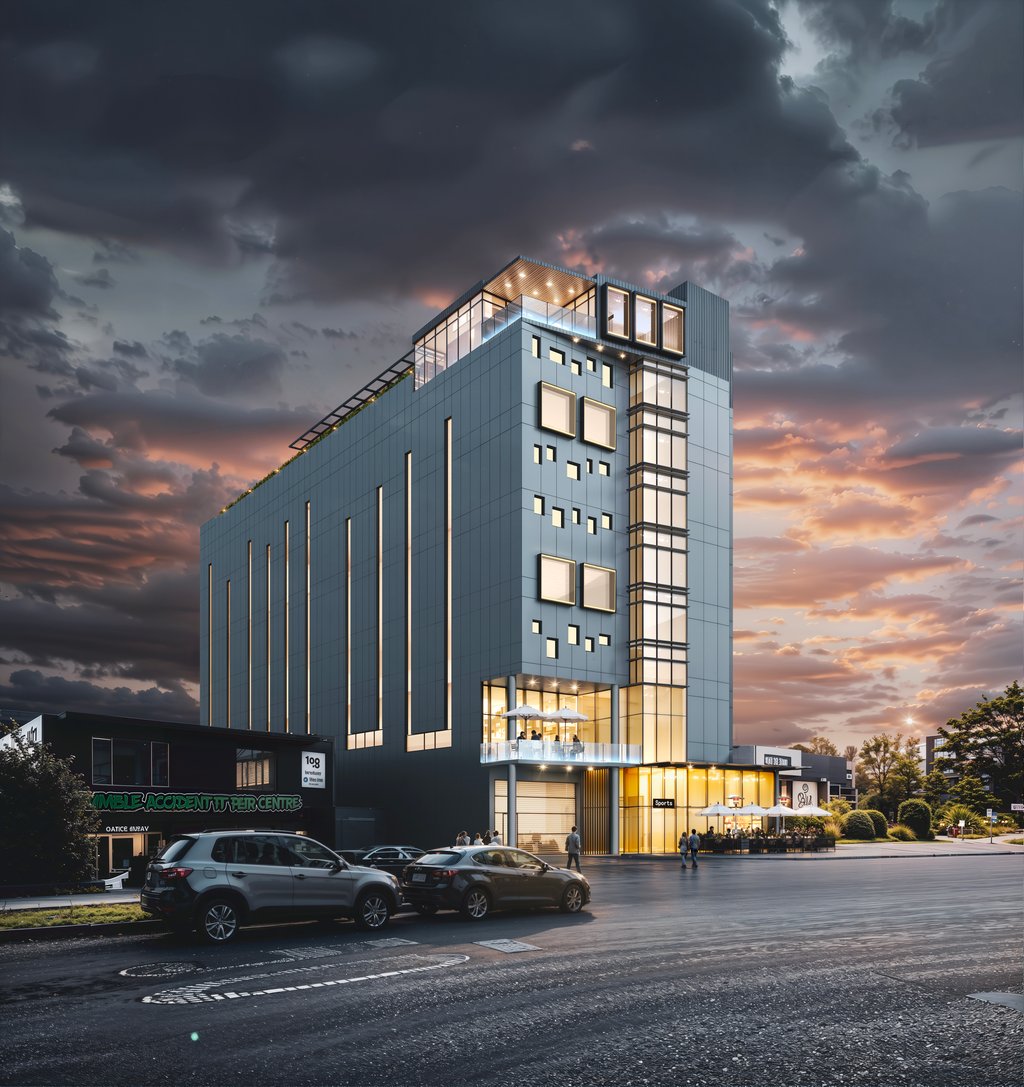
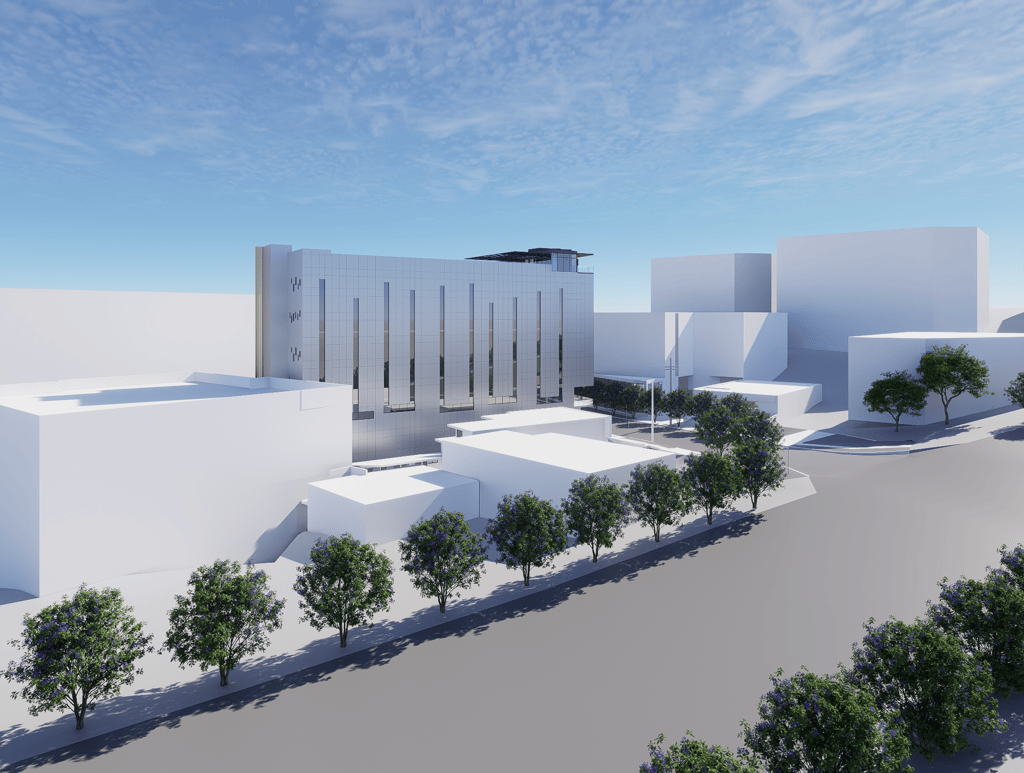
Charles’s latest project, a multi-storey indoor sports and recreational facility in Pymble, Sydney, captures the complexity of sustainable architecture in a single building. Thoughtful design features minimise the building’s environmental impact and integrate it into the local landscape.
These include:
- sustainable materials, such as low-carbon concrete, low-emissivity glass and reflective cladding that minimises the building’s heat intake
- green infrastructure, such as rainwater collection and recycling, solar panels and urban greenery
- thermal regulation, such as the use of abundant natural light and ventilation to reduce the need for heating and cooling systems
- references to the surrounding environment, including a deep soil landscaped zone that mirrors the site’s biodiversity and location near Blackbutt Creek.
37%
Proportion of global carbon emissions produced by the built environment
As well as transforming the physical environment, sustainable design can also shape the behaviours of the people who use it. To this end, Charles is embedding the principles of behavioural science and psychology into the Pymble facility’s design.
For example, he says, the presence of bike racks and EV chargers in the basement carpark encourage both active and sustainable transport. A vast roof garden invites people to connect with the natural environment in a high-rise building, while the facility’s operational hours discourage members from attending during peak hours, thereby helping to reduce local traffic.
“Transforming human behaviour through responsive, human-centred design can deliver enormous sustainability benefits,” Charles says.
“As architects, we need to recognise that our influence can extend far beyond the physical structures we design.”
This is the state of play for sustainable architecture today, but tomorrow is a different story. As in most industries, artificial intelligence (AI) is set to deliver big changes, including revolutionising the way that sustainability features are embedded in architectural design. From reducing waste to improving material choices based on climate projections and enabling predictive maintenance that increases building longevity, AI offers exciting new potential to transform how architects deploy their skills.
70%
Proportion of energy green buildings can save compared to the industry standard
Architecture has always existed at the intersection of creativity and technology. As architects, it’s our responsibility to leverage the best of emerging technologies that can help us build better, not only for people but for the environment
Leading with Country
Technology might be powering a greener urban future, but for UTS Master of Architecture graduate Tyler Smith, the foundations of sustainable architecture lie thousands of years in the past.
The co-founder of the apeaepape design collective and the winner of the 2025 Architects Medallion, Tyler is a practitioner of relational design. This methodology seeks to (re)centre Country by following the guidance of more than 60,000 years of First Nations culture, history and custodianship.
As an architecture student, Tyler found himself frustrated by common practices often that gave little thought to the wider systems in which humans are inextricably entwined. When he enrolled in a UTS designing with Country studio subject with fellow student and friend Miles Agius, now a landscape architecture graduate, things began to fall into place.
The studio was guided by a community of First Nations mentors, Matte Ager-McConnell (Wiradjuri), Marni Reti (Palawa and Ngati Wai), Mackenzie Saddler (Wiradjuri) and Alison Page (Tharawal and Yuin). Within it, Tyler and Miles learnt to slow down, reject design outputs as the end goal of their work, and instead focus on listening to Country and building relationships as central to their design practice.
That process became Learning from Wareamah, a work that explored fear, unlearning and reflection and which later became their thesis project.
We learnt to critically examine not only what we design, but how we practise. Our tools, drawings and ways of thinking are products of colonial systems. Without conscious resistance, design risks continuing those patterns
“Our ongoing practice seeks to unlearn these biases and relearn how to listen and design to re-centre Country in our work.”
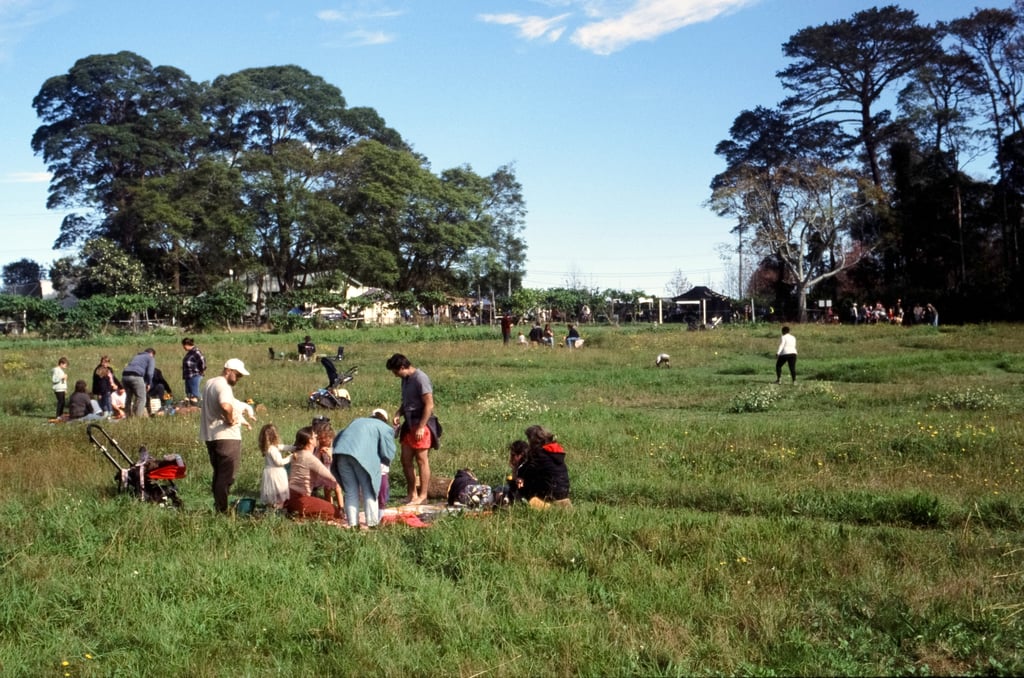
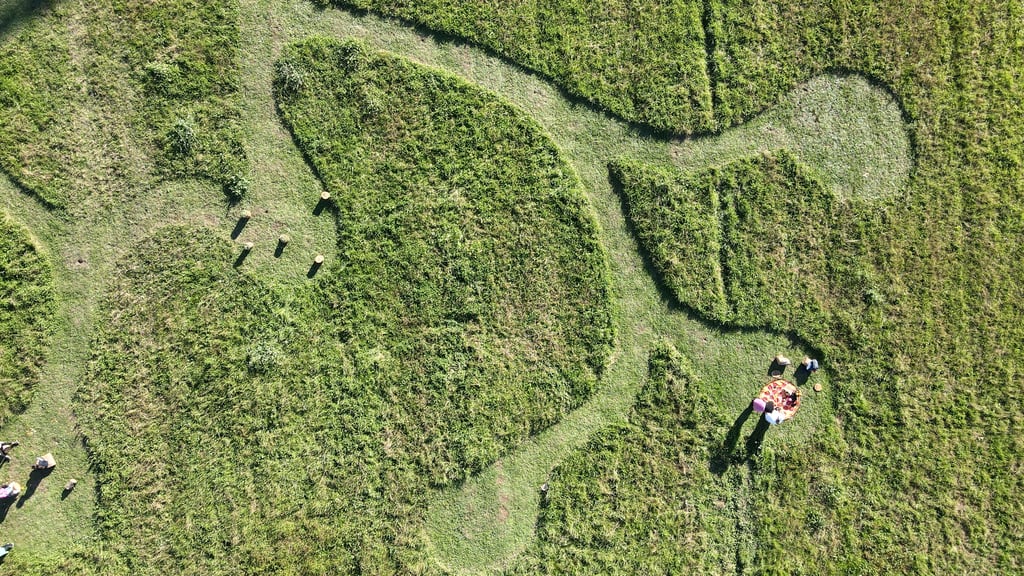
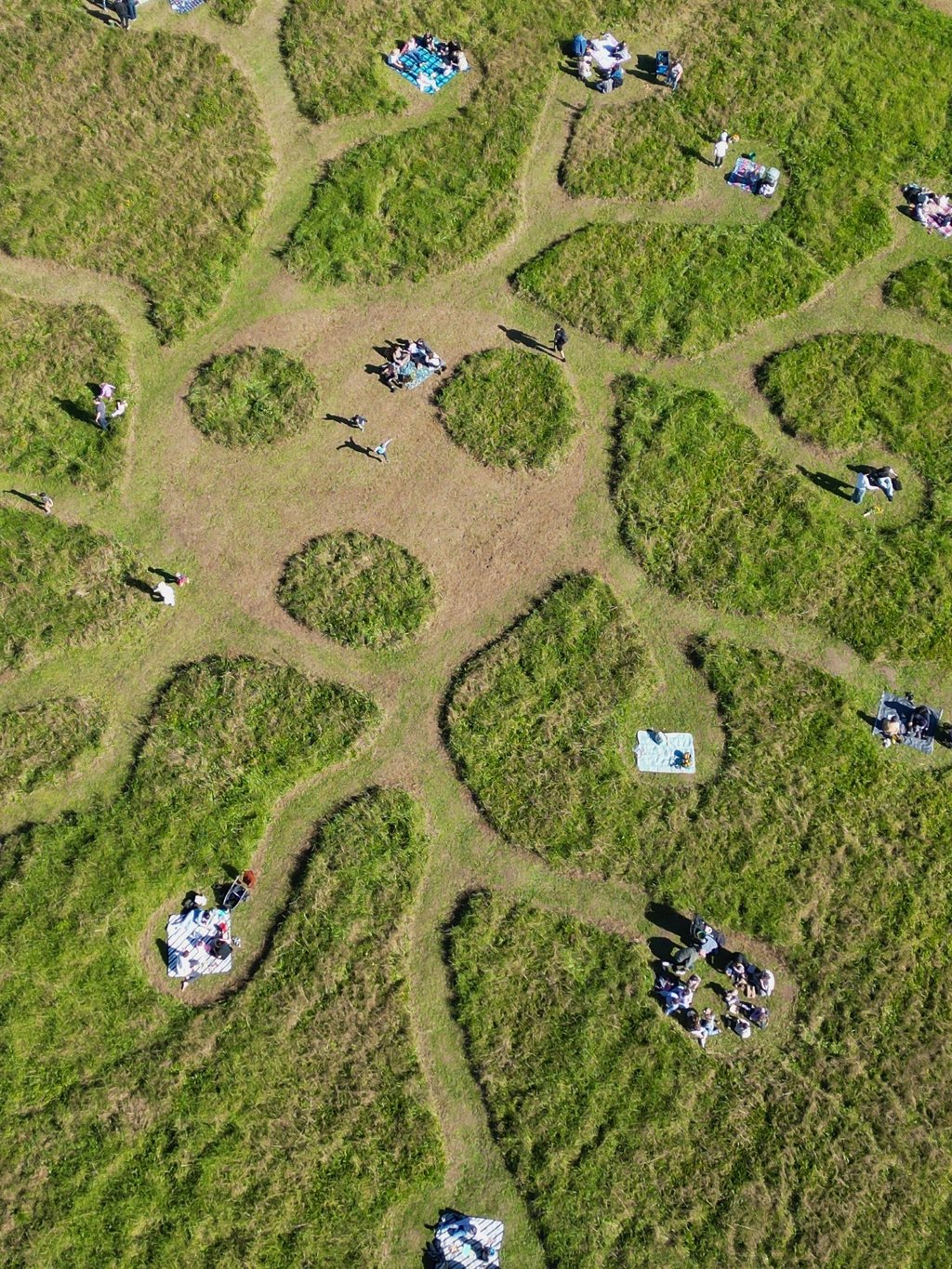
In 2024, Tyler and Miles launched Translating for Goodmayes on Tyler’s family farm on Darkinjung Country as part of the Central Coast Harvest Festival. Initially focused on human visitors, the project evolved to include care practices that supported biodiversity, with participants invited to take part. The mixing of relationships became a highlight, with attendance growing from 100 to 5,000 over two years.
“The biggest lesson was simple. Design that grows from respectful, reciprocal relationships, enriches outcomes for all involved,” Tyler says.
While Tyler’s projects often take place in regional settings, their learnings offer important lessons for the field of urban design. Building a more resilient future requires leaning into, rather than away from, the cycles of relationships and the guidance of traditional custodians that define and care for the natural world.
A sense of place for all
Sustainable architecture cares for the environment, but it also cares for the people who inhabit it. Back in the urban realm, equity is emerging as a pressing sustainability challenge in which architecture has a critical role to play.
“Urban equity is about understanding that cities are not places of privilege for any one group of people, but that we’re all part of this story,” says Professor Anthony Burke, an architectural designer, curator and commentator at UTS and the host of Grand Designs Australia.
Achieving urban equity through architecture during a cost-of-living crisis requires a rethink of our built environments. The residential sector is particularly ripe for transformation: as house prices continue spiralling out of reach, architects are under increasing pressure to radically rethink what home can be.
“The built environment we live in today is not sustainable, both as we’ve been making it and living in it. We need change which recognises that, and that’s where all the research and a lot of really interesting, creative and intelligent design is happening,” Anthony says.
At one of end of the spectrum is the urgent need for a smaller residential footprint. Australian homes are now the largest in the world, but shifting people’s understanding away from bigger = better can open the door to new ways of living.
As architects, we need to demonstrate that a well-designed smaller house is much better in terms of that integration of wellbeing, the environment and the economy.
At the other end of the spectrum is a small but growing movement to shift away from single-person or single-family dwellings and towards multigenerational homes and cooperative styles of living.
While still rare in Australia, these models offer more than just a financial opportunity to get on the housing ladder. They can also build a sense of community and urban connection that supports wellbeing and social cohesion.
“We’re at a moment of both architectural innovation and consequential change in the way we think about our homes and cities. We need to really think about how we can design a good life into the future, both for ourselves and for our neighbours,” Anthony says.
This is urban equity writ large: built environments that make, dignity, interconnection and sustainable living available to everyone.
214m
Square metres of the average size of an Australian home, now the largest in the world

Story
Talking pain equals learning gain
The classroom revolution changing how teachers and children understand chronic pain.
Story
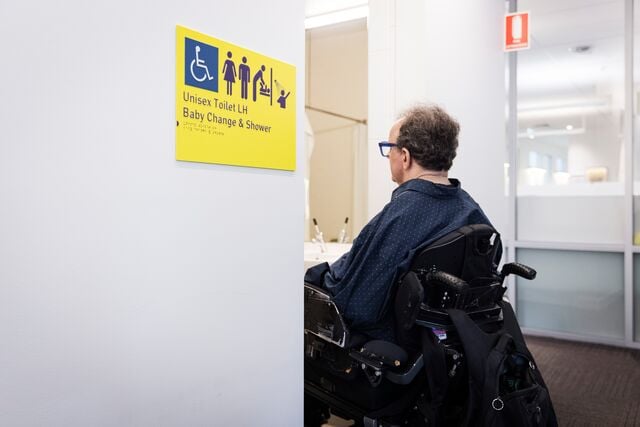
Inclusive by co-design
How UTS researchers are combining lived experience and real-world data to rethink accessible bathroom design.

Story
Designing safety, shaping policy
Often hidden and complex, domestic violence affects far more lives than most people realise. Through the UTS Research Community on Domestic, Family and Sexual...
Story
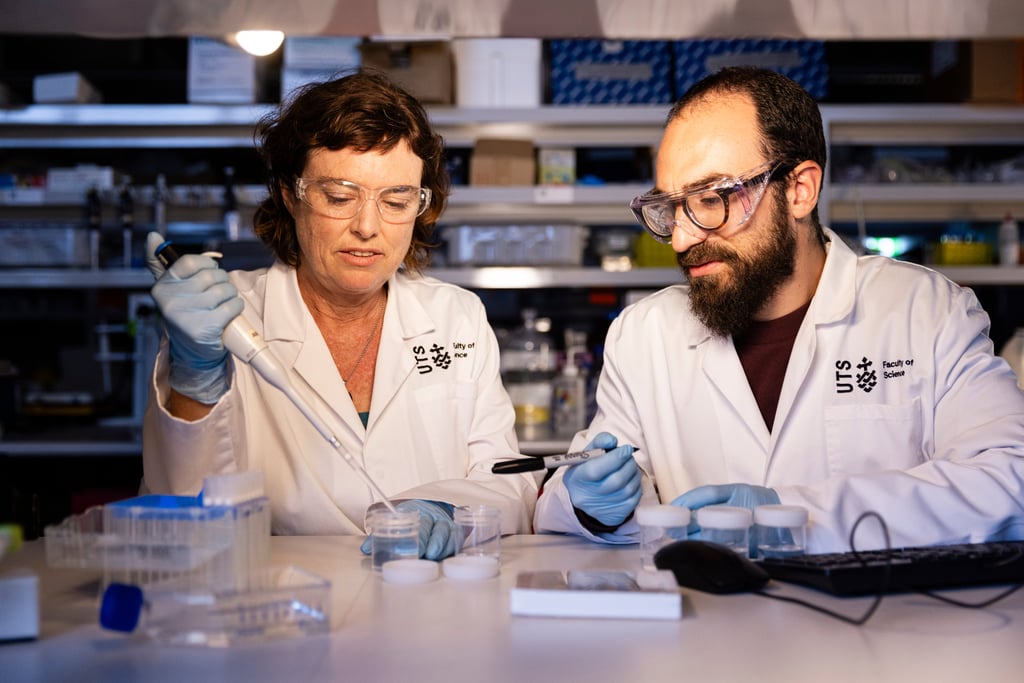
The blue detectives
How scientists investigated the toxic agent behind an environmental catastrophe off the South Australian coast.
Story
Talking pain equals learning gain
The classroom revolution changing how teachers and children understand chronic pain.
Story
Inclusive by co-design
How UTS researchers are combining lived experience and real-world data to rethink accessible bathroom design.
Story
Designing safety, shaping policy
Often hidden and complex, domestic violence affects far more lives than most people realise. Through the UTS Research Community on Domestic, Family and Sexual...
Story
The blue detectives
How scientists investigated the toxic agent behind an environmental catastrophe off the South Australian coast.