


The NiCE Loo uses advanced water filtration to turn urine waste into valuable fertiliser and help our sewerage system work more efficiently.
Australia has a problem with fertiliser. It’s a precious resource that every single farmer and gardener relies on to grow their plants and crops.
But most of the essential ingredients used in our fertilisers – the nitrogen (N), phosphorus (P) and potassium (K) – are currently imported from overseas.
In 2024, Australia brought in almost $3.5 billion in fertilisers. More than 90 percent of the nation’s urea – the main source of nitrogen for farms and gardens – comes from beyond our shores.
The manufacturing and transport of these ingredients also comes with a high environmental cost.
Research team
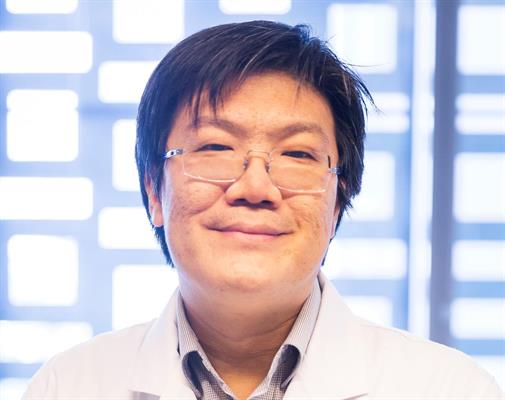
Professor, Faculty of Engineering & Information Technology
Globally, we use more energy to produce nitrogen for agriculture than all the planes burning aviation fuel globally. It makes sense we do something to change that
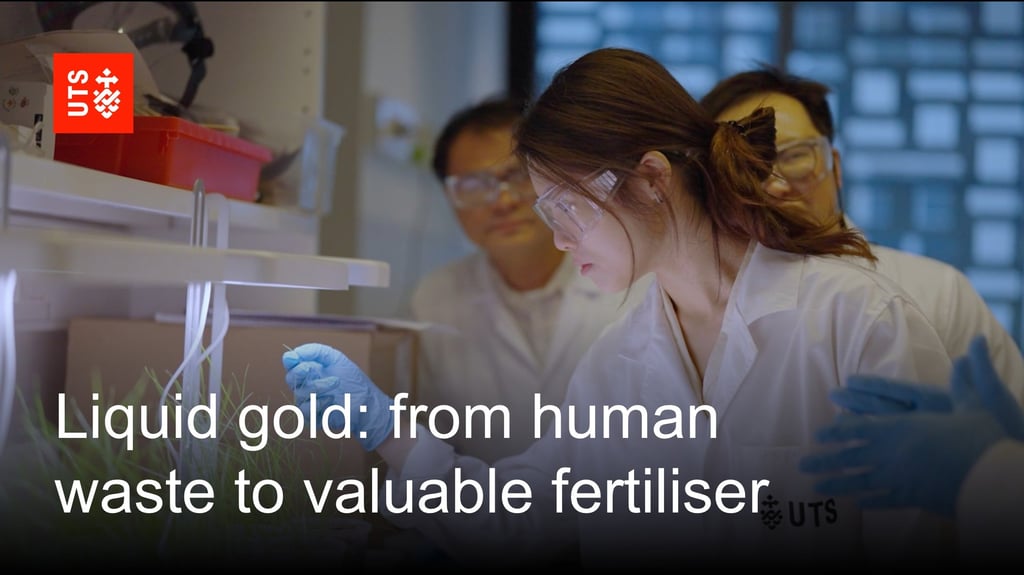
Fortunately, alternative sources for NPK are right under our noses.
Large amounts of the raw ingredients for fertilisers are flushed down the toilet each year in the form of billions of litres of human urine.
Approximately 50 tonnes of nitrogen and five tonnes of phosphorus are flushed every day in a city the size of Sydney, around 25 percent of how much fertiliser would be required for its food production.
“The biggest challenge is how do we collect it in a cost-effective way and convert it into a form that farmers can use effectively,” Gary explains.
That’s the challenge being taken on by an ambitious multi-year research collaboration – the ARC Research Hub for Nutrients in a Circular Economy (NiCE Hub) – that brings together partners from seven universities, 20 industry organisations and three international research organisations.
90%
of Australia's urea is imported
Human urine contains everything that’s useful for our food production – nitrogen, phosphorus, potassium and micronutrients.
“The NiCE Hub aims to collect, recover and recycle the nutrients from urine waste and convert them into useful fertilizer.”
“Environmental engineering, plant science, social science and hydraulics. There's so many different disciplines that are working as one as part of this collaboration to produce something that’s very important for the future,” he says.
Getting to bottom of their solution involves going into the basement of UTS’s iconic Building 11 in central Sydney – the first university building in Australia with a urine diversion system.
Much of the urine from the more than 40 toilets in the building is diverted into storage tanks, where the NiCE team have installed their “wee-cycling” treatment system.
First, the urine is held in the storage tanks to start a process called hydrolysis – a reaction that transforms the urea in the urine into ammonia and bicarbonate.
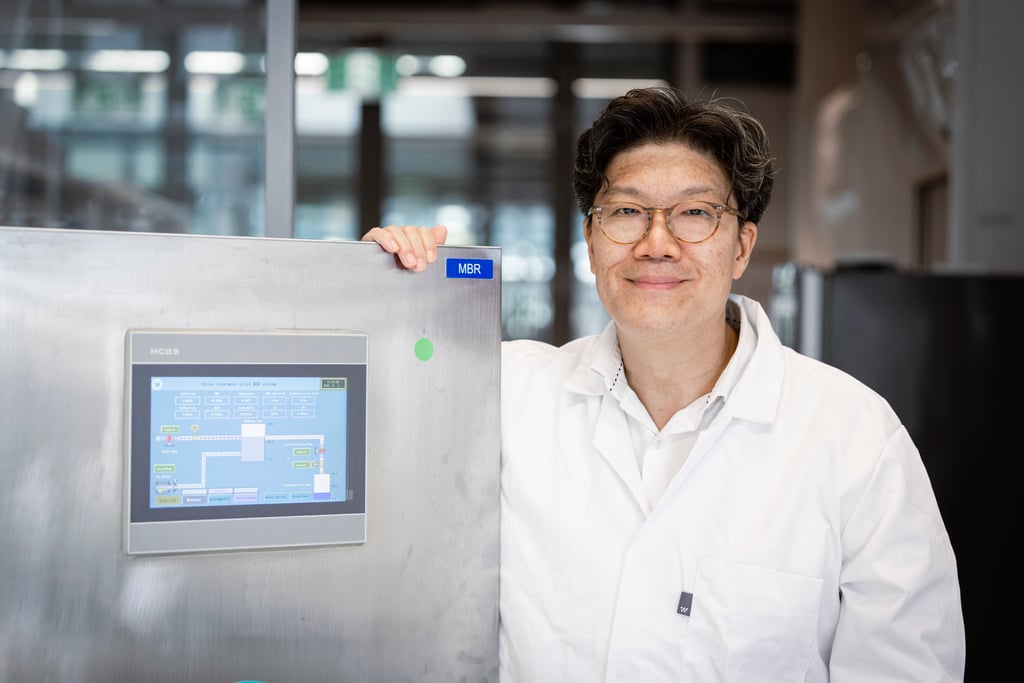
Then, it is passed through an aerobic ultrafiltration membrane bioreactor where bacteria use oxygen to create ammonium nitrate. The membrane filters out any contaminants.
The technology can recover as much as 86 percent of the ammonia from the wastewater – well beyond industry standards. It also filters out more than 99 percent of the contaminants, such as traces of pharmaceuticals or other substances, found in human urine.
Commercial-grade liquid fertiliser then passes out the other side, free from contaminants and safe to use on gardens and farms.
“The integration of membrane bioreactors into urine treatment processes represents a significant advancement in producing safe, efficient and sustainable fertilisers,” Professor Shon said.
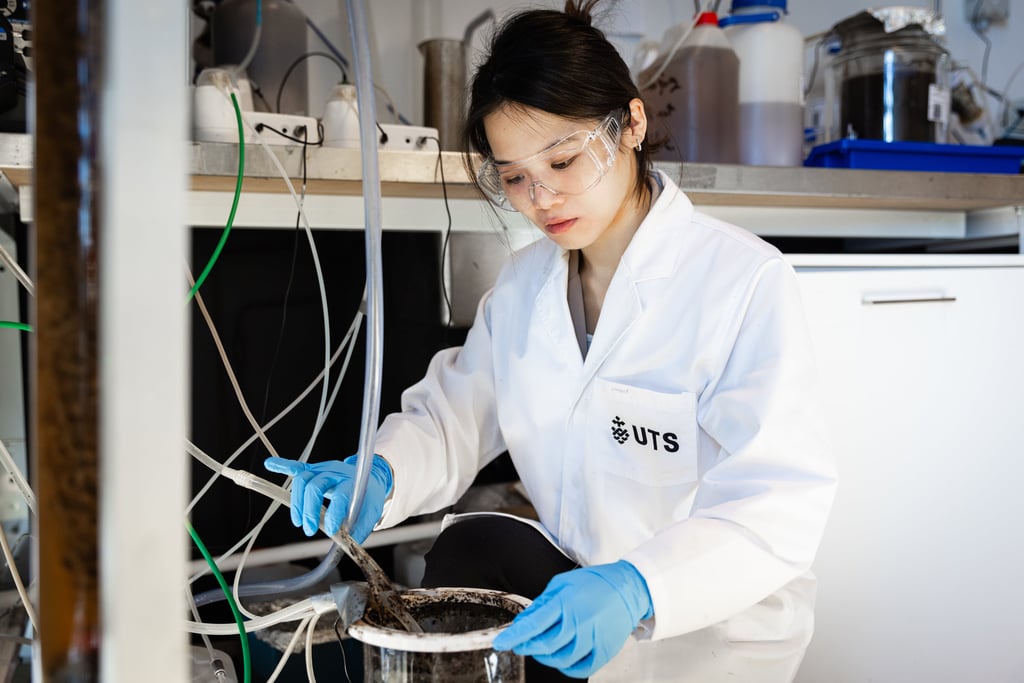
One thing that is not in doubt is the quality of the NPK fertilisers produced.
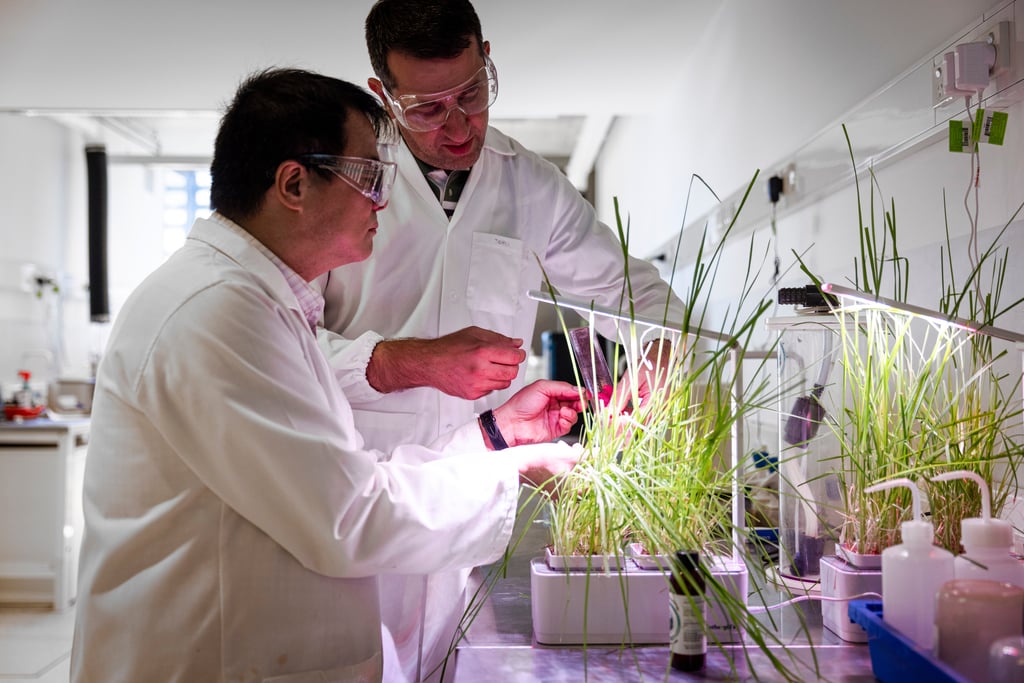
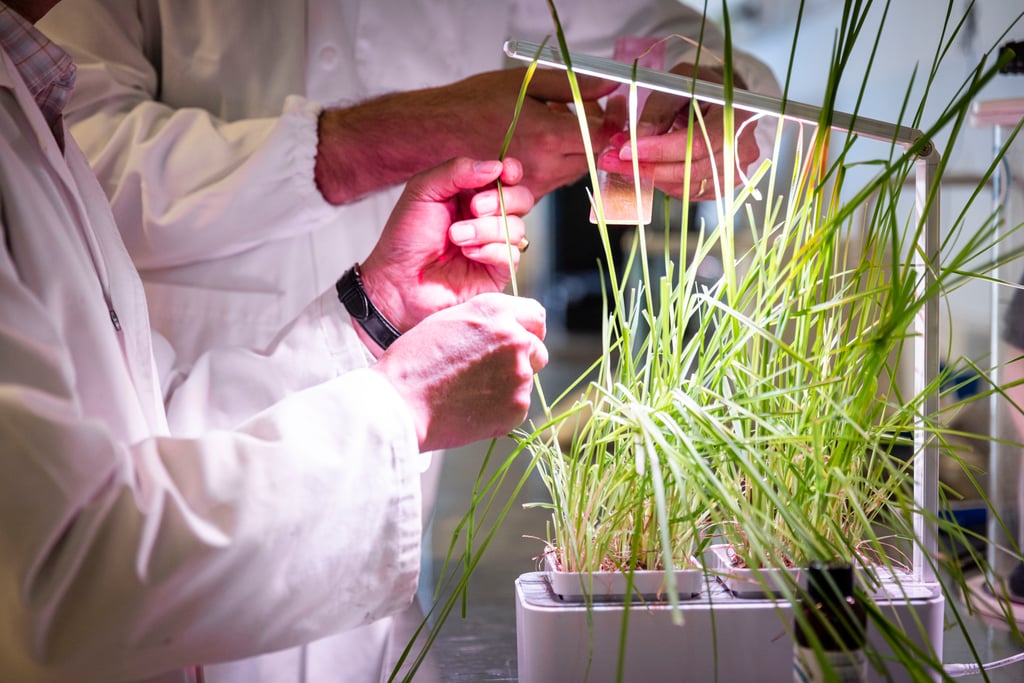
One of the fertilisers, UrVal, is made from the UTS bioreactor and has been tested extensively on vegetables, herbs and several UTS green walls.
The other, UGOLD Plus, has been developed at the University of Melbourne with similar good results.
The fertilisers have been tested at the Royal Botanic Gardens Sydney and by the City of Sydney in their garden installations with positive results.
“We've been testing the end-product since 2019. We use the part that usually gets flushed down the drain and turn it into a fertiliser product to deploy in our nursery operations,” said John Siemon, Director Horticulture and Living Collections at the Royal Botanic Gardens.
“We've got this sustainable replaceable source of fertilisers that, once its harvested and concentrated, means we've got access to a wonderful resource that can be used for growing plants.”
The fertiliser is just one of the benefits of the technology. It also has potential to transform wastewater treatment.
The urine we flush down the toilet is acidic. Chlorine, ammonia and other trace chemicals in it are constantly corroding the pipes of our sewerage system.
Diverting this urine to other productive uses could save water utilities millions of dollars in maintenance costs, especially in descaling costs.
“The current waste management principle is we treat the waste and dispose of it,” says Li Gao, strategic research manager for Melbourne water utility South East Water.
“If we can do source separation of urine and remove the nitrogen load from the wastewater, we can obviously lower the greenhouse gas emission.”
“Research like this could transform the way we treat our waste using circular economy principles.”
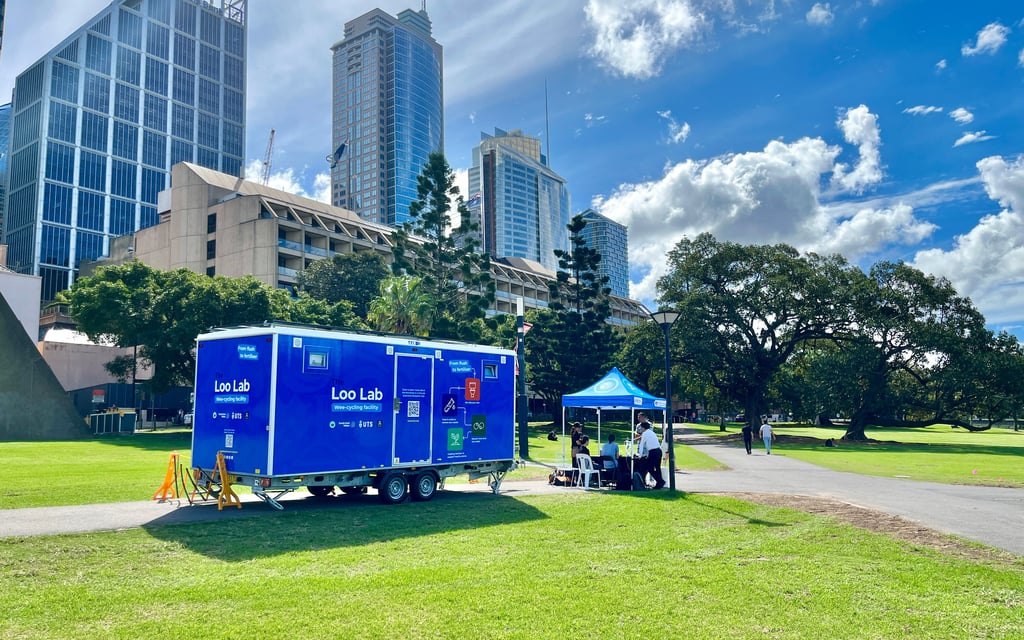
South East Water is also backing the team’s newest innovation – the building of a trailer-sized mobile public toilet incorporating a 200-litre membrane bioreactor system.
The end-product of two years' work, the NiCE Loo Lab was launched in March 2025 and transported to locations around Sydney and Melbourne including at a major international circular economy conference.
“The NiCE Loo Lab mobile toilet system offers a cost-effective solution while also enhancing public confidence in this sustainable sanitation approach,” says Professor Shon.
“The deployment of the NiCE Loo Lab in suitable settings, such as public outdoor events, can play a role in shaping acceptance, demand and policy support for sustainable sanitation.”
The portable toilet aims to help the general public overcome the ick associated with urine and destigmatise its use in the fertiliser supply chain.
86%
of ammonia is recovered from wastewater using the technology
Public perception is crucial for building trust in urine-derived fertilisers. Retrofitting existing buildings with urine diversion toilets can be costly and needs community support to be built at scale.
There is evidence many consumers would prefer eating food grown from urine-derived fertilisers compared to synthetic fertilisers, however some reservations around hygiene remain.
The team is confident the more people understand the benefits of their technology can do the job in producing sustainable, clean and safe fertiliser.
“We can contribute to many environmental, economic and climate change outcomes through this work. That's the big picture of our nutrient technology,” Professor Shon says.

Story
Talking pain equals learning gain
The classroom revolution changing how teachers and children understand chronic pain.
Story
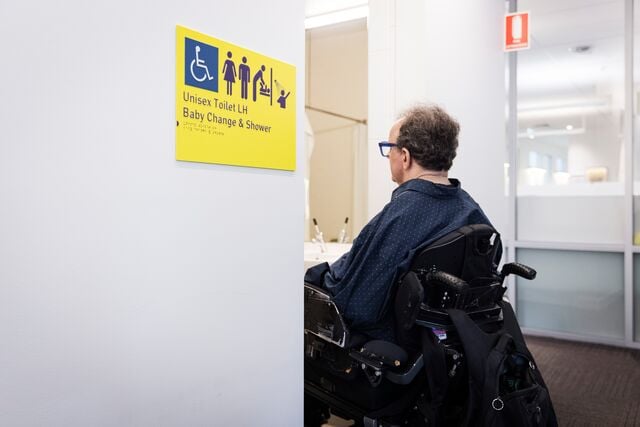
Inclusive by co-design
How UTS researchers are combining lived experience and real-world data to rethink accessible bathroom design.

Story
Designing safety, shaping policy
Often hidden and complex, domestic violence affects far more lives than most people realise. Through the UTS Research Community on Domestic, Family and Sexual...
Story
The blue detectives
How scientists investigated the toxic agent behind an environmental catastrophe off the South Australian coast.
Story
Talking pain equals learning gain
The classroom revolution changing how teachers and children understand chronic pain.
Story
Inclusive by co-design
How UTS researchers are combining lived experience and real-world data to rethink accessible bathroom design.
Story
Designing safety, shaping policy
Often hidden and complex, domestic violence affects far more lives than most people realise. Through the UTS Research Community on Domestic, Family and Sexual...
Story
The blue detectives
How scientists investigated the toxic agent behind an environmental catastrophe off the South Australian coast.