


Start-up Algenie is making algae biotechnology that combats climate change and creates the building blocks for sustainable feedstocks, fuels and plastics.
You have three wishes to keep climate change under control. What do you choose? Limitless clean energy? An end to fossil fuel pollution? Carbon-neutral agriculture?
With global temperatures galloping past the perilous 1.5-degree threshold, many would wish for an urgent way of removing carbon from the atmosphere cheaply and at scale.
Building on cutting-edge research from UTS, innovative Australian start-up Algenie is working hard to grant that wish.
“Humanity needs to take gigatons of carbon dioxide out of the atmosphere if we’re going have any chance of stopping runaway climate change,” said Nick Hazell, founder and chief executive officer of Algenie.
"But if you look at all the carbon removal projects being done around the world, they don’t even add up to millions of tonnes. If we don’t get a move on, it’s going to be too late."
Key researcher
Director Climate Change Cluster
Associate Professor Climate Change Cluster
Algenie is creating technology that can grow algae radically cheaper and at scale. If we can grow algae for much cheaper than we can now, we have a chance of saving the planet.
Their secret weapon for scaling up climate solutions is a tiny family of organisms that pack a real punch in photosynthesis – absorbing carbon from the air, using the energy from light to create a chemical reaction that produces solid organic matter and precious oxygen gas.
Algae is a super-powered organism that absorbs carbon dioxide to grow rapidly. It's more than 40 times more efficient at removing carbon from the atmosphere compared to trees and already captures more carbon than any other organism on Earth.
There are more than 50,000 known species of algae worldwide ranging in size from microscopic cyanobacteria through to large strands of seaweed.
40
times more carbon removed from the atmosphere by algae compared to trees
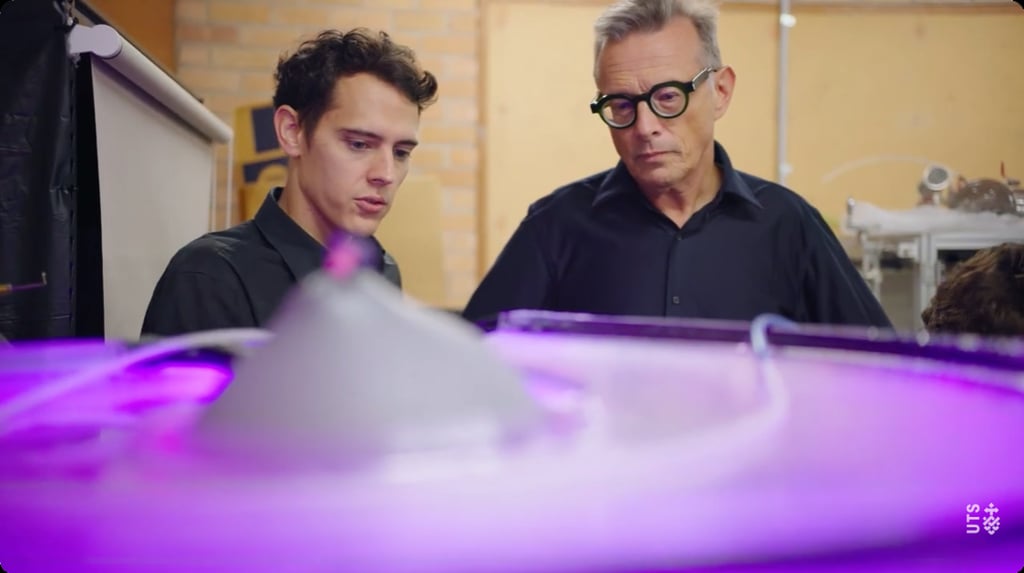
“When you produce one kilogram of algae, you sequester two kilograms of carbon dioxide. They can be a very powerful solution to capture a lot of carbon from the atmosphere,” said Associate Professor Mathieu Pernice, who is the chief biologist with Algenie and deputy director of the UTS Climate Change Cluster.
“That solid carbon in the form of algae can then replace fossil fuels as the raw material used to manufacture a whole range of products including feedstock, fuels, plastics, food, medicines or clothing.”
Harnessing the biology of algae in photo bio-reactors powered by renewable energy could provide a two-pronged solution – reducing greenhouse gases in the atmosphere while being a substitute for fossil fuels in manufacturing.
The biotechnologies to grow algae at scale have historically been too expensive using conventional technology.
That’s where Algenie magically comes in – in a puff of (climate friendly) smoke.
Algenie’s proprietary technology centres on a novel, helix-shaped photobioreactor that can grow algae at its maximum biological potential.
The photobioreactor overcomes long-standing limits to algae productivity and unlocks its potential by shedding light on the matter.
“Our breakthrough design and technology is a real game changer,” said Nick Hazell.
“Algae grows in water and needs light for its photosynthesis. The more light we can provide, the faster it grows. Our device gets as much light to our algae as possible.”
100
tonnes of carbon per year can be absorbed by a shipping container sized Algenie photo bioreactor.
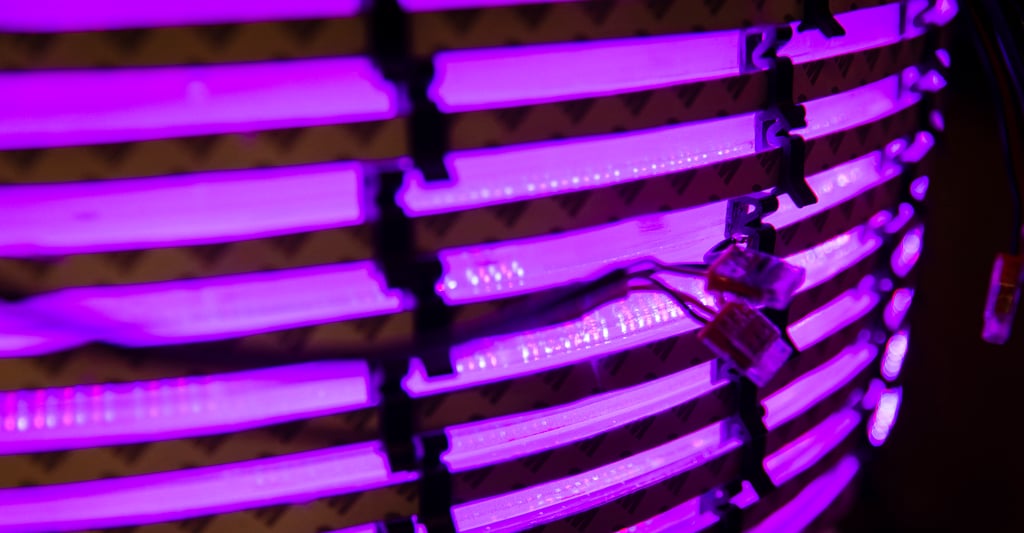
”We experimented with spiral structures as the best way to capture light. Our first job was to invent the helix that enables a very thin layer of water that is both space and cost-efficient,” said Nick Hazell.
The channels of Algenie’s patented bioreactor allow a very shallow but wide stream of water filled with algae to flow continuously between layers of advanced LED lights, maximising algal growth.
The patented design enables some fast-growing species of algae to double in quantity every two hours under ideal conditions. The algae can then be continuously harvested at the bottom of the helix.
This innovative design dramatically improves the efficiency of algae production, with the potential to reduce costs by orders of magnitude, unlocking new commercial potential for algae.
A space the size of a shipping container could produce 100 tonnes of algae per year – the equivalent of 2.5 million soft drink bottles filled with carbon-positive material.
Add to the mix a low-cost manufacturing method based on extrusion - a process similar to that used to produce pipes and tubing - and long spirals can be fabricated at scale, drastically reducing capital expenditure and further driving down the price of algae production.
It makes for the ultimate clean green machine that transforms algae from a niche to a commodity feedstock.
The ideas that led to Algenie were forged in a collaboration between scientists and engineers at two leading UTS research centres – the Climate Change Cluster and Centre of Technology in Water and Wastewater.
2.5m
plastic soft drink bottles worth of carbon can be filled by an Algenie photo bioreactor per year.
Bringing together our expertise in algae and water technologies was the catalyst for this innovation.
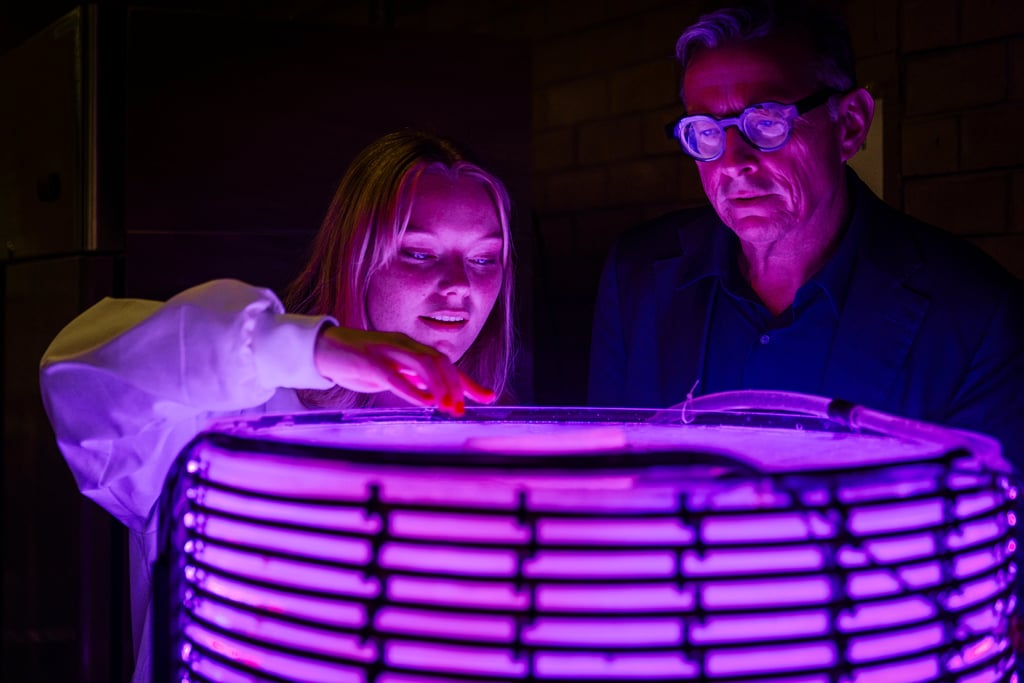
“Algenie had its origins when we developed the fundamental science and engineering around what this company could be. That became a series of patents we could offer to a start-up,” said director of the Climate Change Cluster, Distinguished Professor Peter Ralph.
“Bringing together our expertise in algae and water technologies was the catalyst for this innovation.”
Traditionally, algae bioreactors have been built along one of three designs – as a continuous series of flat rectangular boxes, an arrangement of clear tubing or pipes, or cylindrical tanks with pumped air. All are restricted by the amount of light they let in.
The research team built a prototype algal bioreactor that used a flat-channel design and fit into a standard six-metre shipping container, designed to be placed on-site near facilities that emit large amounts of carbon pollution.
The intellectual property they developed was then transferred to Algenie, who have further refined the technology to produce a more compact and efficient bioreactor design.
The company is manufacturing its technology and collaborating with partners to co-invest in large-scale production infrastructure.
The startup has attracted strong interest from early-stage investors, securing $1.6 million in funding from UTS, Better Bite Ventures and other strategic investors.
It has also recently been awarded $1.4 million through the Australian Government’s Industry Growth Program to fund an industrial-scale proof-of-concept of Algenie’s bioreactors.
Algenie recently made the first major sales of its bioreactors, one of which was to the French microalgae facility AlgoSolis based at the University of Nantes.
Capital raising is continuing to scale the start-up to continue to optimize the technology, expand manufacturing capability and run commercial pilots in aquaculture as their beachhead market.
“We have a platform, the know-how, the momentum and the connections to take this transformative technology to the world and build a low-carbon future,” said Nick Hazell.
$
1.6m
in funding raised by Algenie from early-stage investors so far.
Webpage
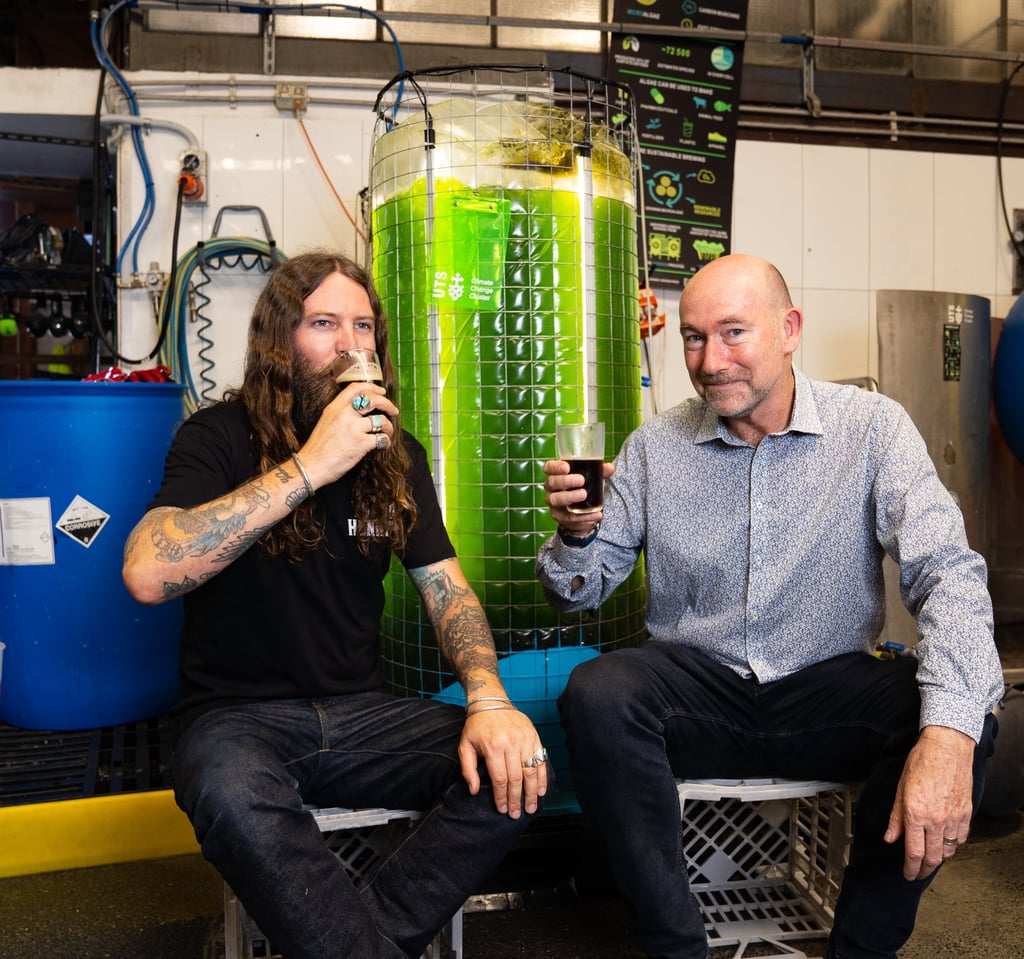
From pint to pasture: brewing climate-friendly beer
UTS and Australian craft brewery Young Henrys are turning waste from beer making into climate-friendly livestock feed.
Story
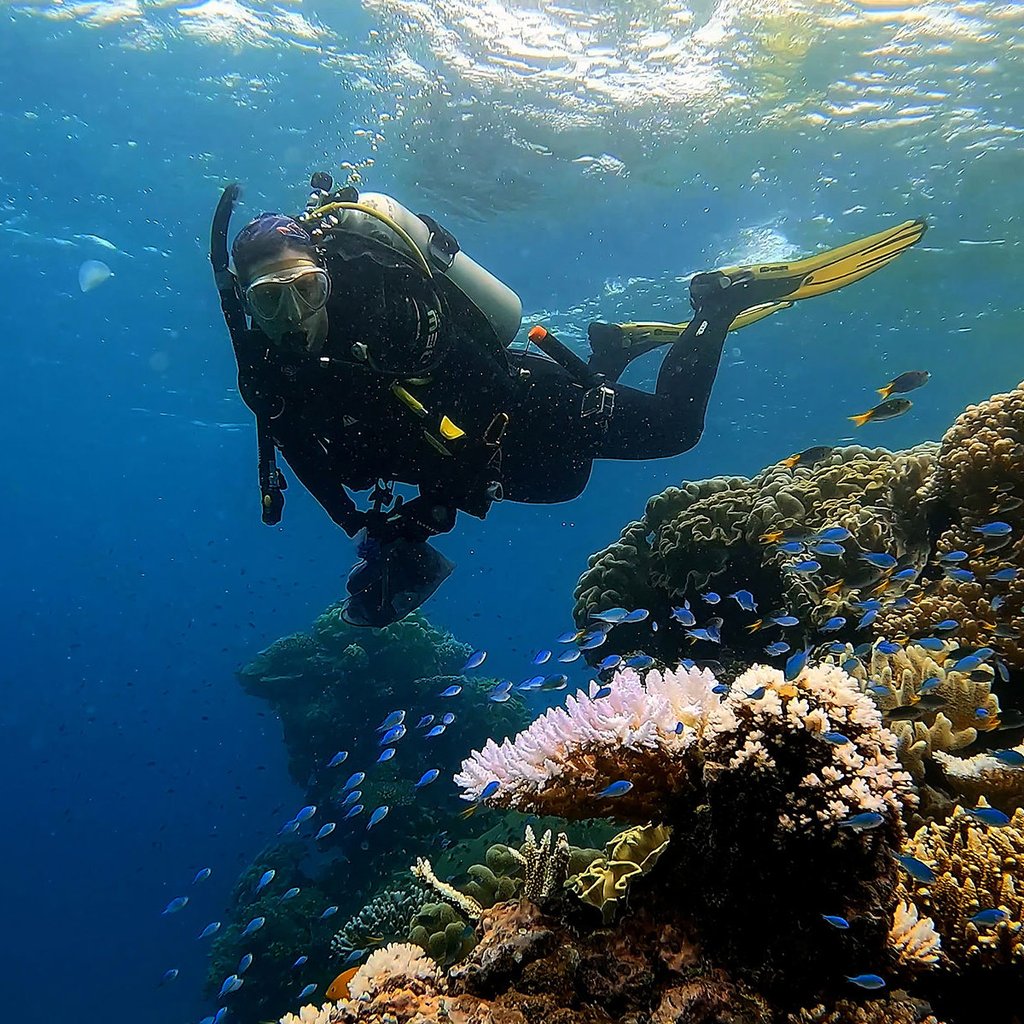
Fighting for the future of coral reefs
Why do some coral species thrive when others are degrading and dying? Groundbreaking research is revealing their secrets to survival and how these traits can...
Webpage
From pint to pasture: brewing climate-friendly beer
UTS and Australian craft brewery Young Henrys are turning waste from beer making into climate-friendly livestock feed.
Story
Fighting for the future of coral reefs
Why do some coral species thrive when others are degrading and dying? Groundbreaking research is revealing their secrets to survival and how these traits can...